
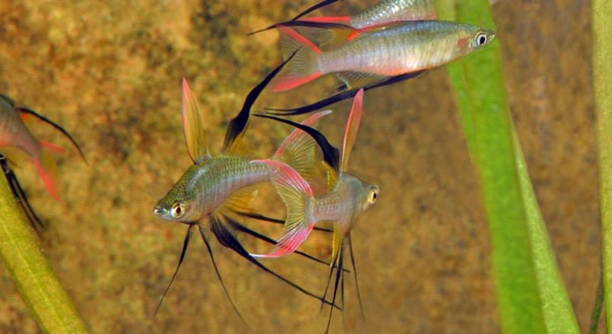
Have you ever noticed your threadfin rainbowfish acting differently in the tank, showing brighter colors or unusual movements? Observing these behaviors can reveal subtle signs of attraction and courtship that are easy to miss.
Threadfin rainbowfish display specific color changes and patterns when showing mating interest. Males often exhibit intensified body coloration, fin extensions, and reflective shimmer, signaling readiness to court females. These visual cues are consistent indicators of reproductive intent in controlled aquatic environments.
Recognizing these visual signals helps you better understand your fish’s interactions and overall well-being, making their behaviors easier to interpret and enjoy in your aquarium.
Brightened Body Colors
Male threadfin rainbowfish often show a noticeable increase in body coloration when they are ready to mate. Their usual subtle hues become more vibrant, with blues, reds, and greens intensifying. This shift is not random; it is a biological signal to nearby females. The brighter colors make males more attractive and easier for females to notice among other tank mates. Observing this change can be very rewarding, as it indicates natural reproductive behavior is occurring.
These intensified colors are a reliable indicator of mating interest, helping you identify which males are actively courting females in your aquarium environment.
Watching these color changes can be surprisingly engaging. The way males display themselves is almost like a slow, deliberate performance. Over time, you may notice patterns in how they position themselves near females, how often they flare their fins, and how the brightness fluctuates depending on their mood or competition in the tank. These cues offer a fascinating glimpse into their social dynamics.
Extended Fin Displays
Males will often spread their fins fully to appear larger and more attractive. This is particularly noticeable in the dorsal and anal fins.
Extended fin displays serve as both an attraction signal and a competitive display. By flaring their fins, males make themselves appear more dominant, signaling health and vitality to females. The fins’ length and vibrancy play a role in how successful a male may be in attracting mates. Observing these movements in combination with brightened body colors allows you to distinguish serious courting attempts from casual swimming behaviors. Tracking these behaviors over time can help identify which males are more likely to reproduce.
In addition to signaling readiness, extended fins can also influence interactions with other males. Rival males often react to displays by positioning themselves nearby, flaring their own fins, or sometimes retreating, depending on the hierarchy in the tank. These displays are a natural part of reproductive strategy, helping females assess the strength and quality of potential partners. You may notice that some males only extend fins when females are present, while others perform this display more broadly. Paying attention to these subtle behaviors can make observing your rainbowfish more engaging, providing insight into their instincts and social structure.
Vibrant Fin Edges
The edges of a male’s fins often show brighter hues during mating displays. Red or orange highlights become more prominent, catching the attention of females nearby. This subtle change adds to the overall display, signaling reproductive readiness without aggressive behavior.
These vibrant fin edges serve as visual cues that complement body coloration. In many cases, males with more pronounced fin highlights are more successful at attracting females. The enhanced colors can vary depending on lighting, diet, and health, making it important to maintain a stable environment. Observing these details over time can reveal patterns in which males are consistently showing interest, allowing you to understand tank dynamics more clearly.
The color along fin edges is often paired with fin spreading and shimmering movements. Males tend to position themselves near females and slowly display these edges while moving deliberately. The combination of color and motion increases the chances of female attention. Over time, you may notice that certain males use these signals more frequently, suggesting their confidence or dominance in the tank. Monitoring these behaviors helps track reproductive interactions efficiently.
Reflective Shimmering
Males often show a subtle reflective shimmer along their scales when courting. This glimmer can shift with movement, catching light in the tank.
This shimmering is not purely decorative; it is an important visual cue. Females respond to the glint as a sign of health and vitality. Males will position themselves to maximize the effect, often swimming in patterns that enhance the shimmer. This behavior is more pronounced during peak reproductive periods and may be accompanied by other signals like fin flaring or color intensification. Observing how each male uses shimmering helps identify active courtship and overall fitness.
The reflective shimmer interacts with other cues such as body brightness and fin edges. When multiple males are present, females may use the intensity and consistency of the shimmer to choose mates. Environmental factors, including lighting angles and water clarity, can influence how noticeable the shimmer appears, making tank setup important for observing these behaviors. Tracking shimmer patterns over days or weeks gives insight into mating cycles and individual male strategies. This visual signal, combined with fin displays and color changes, forms a complete courtship performance.
Flared Gill Covers
Males often flare their gill covers while displaying to females. This subtle movement makes them appear larger and more appealing. It is a quiet but clear signal of interest and readiness to mate, enhancing their overall courtship display.
Flared gill covers can also serve to establish dominance among males. When multiple males are present, they may flare more frequently to show strength without engaging in aggression. Observing this behavior alongside other visual cues helps track which males are actively courting and which are more passive, providing insight into social dynamics in the tank.
Tail Flicking
Tail flicking is a rapid, repeated movement males use during courtship. It attracts female attention and emphasizes their bright coloration.
This behavior also communicates energy and fitness. Active flicking indicates a healthy male ready for reproduction. It can occur in short bursts or extended sequences, often coordinated with fin displays and shimmering. Watching these movements allows you to identify males that are actively courting and to understand how they interact with females and other males in the tank.
Color Intensification Around Eyes
Males often display darker or more vivid coloration around the eyes during courtship. This focused change draws female attention to the head region.
The eye coloration change is subtle but significant. It works alongside body and fin displays to create a complete visual signal. When combined with tail flicking and shimmering, it strengthens the male’s courtship presentation, making it easier to distinguish interested males from passive ones.
How can I tell if my threadfin rainbowfish is interested in mating?
You can look for several visual cues. Males typically brighten their body colors, flare their fins, and show shimmering along their scales. Tail flicking and subtle gill movements are also common. These behaviors often occur near females, indicating reproductive interest. Observing these signals consistently over time helps identify active courting males.
Do females respond to color changes in males?
Yes, females are drawn to males with intensified colors and vivid fin edges. These traits signal health, vitality, and genetic fitness. Bright colors combined with tail flicks or fin displays increase the likelihood of female attention. In a well-lit aquarium, these interactions are easier to notice, helping you distinguish serious courting behavior.
How important are fin displays in mating behavior?
Fin displays are critical. Males spread dorsal, anal, and pectoral fins to appear larger and more attractive. These displays are not aggressive but serve to communicate strength and readiness to mate. Often, males pair fin flaring with shimmering along the body, making them more noticeable. Observing fin displays alongside color changes gives a fuller picture of courtship behavior.
Why do males shimmer when approaching females?
Shimmering is a reflective signal that indicates good health and vitality. Males position themselves to catch light, emphasizing scale brightness. This movement, paired with fin flaring and tail flicking, creates a visually engaging display. Shimmering helps females evaluate potential mates and often determines which males gain more attention.
Can environmental factors affect mating displays?
Yes, lighting, water clarity, and tank setup all influence visibility. Poor lighting can reduce the apparent brightness of colors and diminish shimmering effects. A spacious tank with hiding spots allows natural courtship behaviors to occur without stress. Stable water conditions also support male health, making displays more consistent and easier to observe.
Do all males display the same behaviors?
No, individual males vary. Some are more active and show extended fin flaring, brighter colors, and frequent tail flicking. Others are subtler, displaying less intense cues. Dominance hierarchies can influence behavior; dominant males often perform more noticeable displays, while subordinate males may wait for opportunities to approach females quietly.
How long do these courtship behaviors last?
Courtship can range from a few minutes to several hours. Males may display repeatedly throughout the day, especially when females are present. Patterns can change based on tank population, lighting, and overall fish health. Regular observation helps you understand daily and seasonal trends in mating activity.
Are these behaviors indicators of successful mating?
They are strong indicators but not guarantees. While color intensification, fin flaring, tail flicking, and shimmering show interest and readiness, actual mating depends on female receptiveness and environmental conditions. Tracking which males repeatedly perform these behaviors helps predict which are most likely to reproduce.
Can diet influence mating displays?
Yes, proper nutrition supports brighter colors, healthier fins, and more vigorous movement. A balanced diet with high-quality flakes, live foods, and occasional supplements enhances visual signals. Malnourished males may show dull colors, reduced fin extension, and less frequent shimmering, making courtship less effective.
What should I observe first to identify mating interest?
Start by noticing color changes in males and how they position themselves near females. Look for fin spreading, shimmering, and tail flicking. Combine these observations with eye coloration and gill movements. Tracking these cues over several days provides a clear picture of which males are actively courting and which females are responding.
How can I ensure my fish are comfortable displaying these behaviors?
Maintain stable water conditions, provide ample space, and ensure proper lighting. Avoid overcrowding and minimize stressors like sudden noises or tank changes. Healthy fish in a supportive environment are more likely to show natural courtship behaviors consistently, making observation easier and more reliable.
Do females ever display behaviors to signal interest?
While males perform most visual signals, females may respond subtly by approaching the displaying male or positioning themselves near specific areas of the tank. They may also remain still to allow males to perform displays, indirectly communicating receptiveness. Observing both sexes gives a complete understanding of mating interactions.
Can males display interest without females being present?
Sometimes, males will exhibit partial displays even without females nearby. This can be practice, a display to establish dominance among other males, or a response to reflections in the tank. True courtship behaviors are usually more pronounced and directed when females are present, making context important when interpreting these signals.
Are there seasonal or age-related patterns in mating displays?
Yes, younger males may display less intensely, while mature males show more vivid colors and stronger fin flaring. Seasonal changes in light and temperature can also affect activity. Observing patterns over time helps determine the optimal conditions for courtship and successful mating.
How can I track these behaviors effectively?
Keep a small journal noting the time of day, males involved, and observed behaviors like color changes, fin extensions, tail flicks, and shimmering. Photos or short videos can also help compare intensity over time. This systematic tracking allows better understanding of which males are most active and which females are receptive.
What role do other males play in courtship?
Other males can influence displays through competition. Dominant males often perform more frequent or intense displays, while subordinate males may limit their efforts. Observing interactions between males provides insight into hierarchy and reproductive strategy, helping identify which males are most likely to succeed in mating.
How quickly do females respond to male displays?
Responses can be immediate or gradual. Some females approach active males quickly, while others observe before deciding. Female choice depends on male display intensity, health indicators, and tank conditions. Watching responses over time helps you understand which males are most effective in attracting mates.
Do these cues indicate stress or aggression sometimes?
Generally, courtship behaviors are non-aggressive, but excessive fin flaring or tail flicking can signal tension if males are crowded or stressed. Distinguishing between normal mating displays and stress behaviors requires careful observation of context, frequency, and interactions with other fish.
How do I balance multiple males and females in one tank?
Ensure enough space, hiding spots, and stable conditions. Observe interactions to prevent bullying. Dominant males may monopolize females, so monitoring behavior helps maintain a balanced environment where all fish can perform natural displays without excessive stress.
Final Thoughts
Observing threadfin rainbowfish mating behavior can be both interesting and informative. The visual cues they display, such as brightened body colors, fin flaring, and shimmering along the scales, are all natural signs of courtship. Paying attention to these signals helps you understand how males and females interact in a tank. Over time, you may notice patterns in which males are more active or which females respond more readily to displays. These behaviors reflect normal reproductive instincts, and recognizing them can give a better understanding of fish dynamics without needing to interfere.
It is important to remember that environmental conditions play a big role in how clearly these behaviors appear. Proper lighting, clean water, and a stable temperature all affect coloration and movement. Males may show more vibrant colors when they are healthy and comfortable, while stress or poor water quality can dull their appearance and reduce display frequency. Likewise, having enough space and hiding spots allows fish to engage in courtship naturally, without feeling threatened. Watching these behaviors under good conditions provides a more accurate view of their natural tendencies and helps ensure their overall well-being.
Finally, observing these subtle cues requires patience and consistent attention. Courtship behaviors can vary from male to male, and some may be more expressive than others. Keeping track of tail flicking, fin extensions, shimmering, and eye coloration over time allows you to see trends and patterns. Understanding these interactions not only improves your enjoyment of the aquarium but also gives insight into the health and social structure of your fish. Maintaining a balanced environment where both males and females feel comfortable encourages natural behavior, making the experience of watching them much more rewarding. By observing carefully and supporting their needs, you create a setting where these beautiful displays can happen regularly and naturally.

Hello,
If you enjoy the content that we create, please consider saying a "Thank You!" by leaving a tip.
Every little bit helps us continue crafting quality advice that supports the health, happiness, and well-being of pets around the world, for pets of all shapes, sizes, and species.
We really appreciate the kindness and support that you show us!