
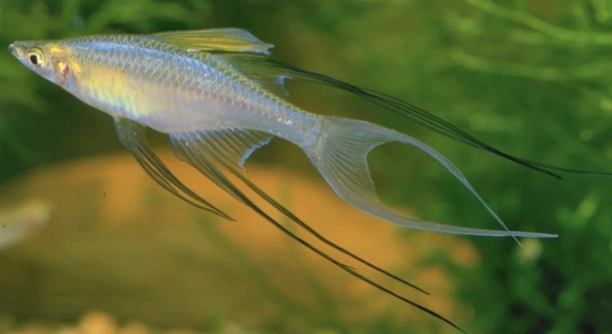
Caring for a Threadfin Rainbowfish can be rewarding, especially when you notice its fins looking torn or frayed. These small injuries are common and can affect their swimming and overall health if left unattended.
Supporting a Threadfin Rainbowfish’s fin regrowth involves maintaining pristine water conditions, providing a balanced diet rich in nutrients, minimizing stress, and using targeted treatments such as mild antibacterial solutions to prevent infection and encourage natural tissue regeneration.
Learning how to help damaged fins recover ensures your fish remain healthy and active, making their environment safer and more comfortable for everyday swimming.
Recognizing Fin Damage
Noticing fin damage early is important for a Threadfin Rainbowfish. Torn, ragged, or missing fin edges are signs of injury or stress. Sometimes, the fins appear dull or have small white spots, indicating infection or poor water quality. Minor tears can occur from rough decorations, tankmates, or accidental scraping against plants or rocks. Watching your fish during feeding and swimming can help identify the severity of the damage. Healthy fins should be fully extended and vibrant in color. Damaged fins may lead to difficulty swimming or hiding more often. Regular observation allows you to react quickly and provide care that encourages natural regrowth. Early intervention reduces the chance of bacterial or fungal infections, which are common when fins are compromised. Ensuring the tank environment is safe, clean, and calm is crucial. Small changes, like rearranging sharp decorations or separating aggressive tankmates, can prevent further harm and support recovery effectively.
Monitoring your fish closely ensures minor issues are noticed before they become serious problems.
Observing your fish consistently helps you learn its normal behavior. When you spot changes, such as fin clamping, sluggish movement, or uneven swimming, it signals that care is needed. Minor injuries are manageable if addressed promptly. Adjusting water parameters, removing hazards, and feeding high-quality foods can restore vitality. Tracking these changes over days allows you to evaluate whether recovery is progressing. Understanding your fish’s habits makes spotting deviations easier. Recovery can take time, so patience is essential. Maintaining stable temperature and pH helps fins regenerate faster. Avoiding sudden stressors, like loud noises or rapid water changes, supports healing. Even small adjustments, such as softer tank substrates or additional hiding spots, can reduce stress. Over time, consistent care encourages fins to regain full length and color. This approach minimizes infection risks and promotes overall health. Watching daily behavior provides reassurance that your fish is regaining strength.
Optimizing Water Conditions
Maintaining clean, stable water is essential for fin regrowth. Regular testing and gentle water changes reduce harmful toxins that slow healing.
Ideal water conditions involve consistent temperature, pH, and low ammonia levels. Weekly water changes of around 20–30% prevent accumulation of nitrites and nitrates, which can irritate damaged fins. Filtration should be efficient but not create strong currents that stress the fish. Using a dechlorinator during water changes prevents chemical shock. Monitoring water hardness and keeping it within recommended ranges for Threadfin Rainbowfish supports immune function. Sudden changes in parameters should be avoided, as stress can worsen fin damage. Aeration should be adequate to maintain oxygen levels without causing turbulence. A clean environment reduces the chance of fungal and bacterial growth. Plants and decorations can be added, but ensure they are smooth to prevent further tears. Patience and consistency with water management are key for effective recovery. Regular observation during maintenance allows for early detection of new injuries or signs of infection, keeping the fish safe and healthy.
Providing a Nutritious Diet
A balanced diet helps fins regrow faster. Include high-quality flakes, pellets, and occasional live or frozen foods. Foods rich in protein, vitamins, and minerals support tissue repair and overall health, giving your Threadfin Rainbowfish the nutrients it needs to recover effectively.
Offering a variety of foods encourages natural healing. Live or frozen foods, like brine shrimp and daphnia, provide protein and essential fatty acids. Flakes and pellets fortified with vitamins help strengthen the immune system, reducing infection risks. Feeding small amounts multiple times a day prevents overfeeding and maintains water quality. Avoid low-quality or processed foods that may slow regeneration. Incorporating vegetables like blanched spinach or zucchini adds fiber and additional nutrients. Supplementing with vitamin-enriched gel foods can improve fin structure. Maintaining a consistent feeding schedule supports recovery, ensuring fins regain strength while the fish remains active and healthy.
Supplements and vitamin-enriched foods can make a noticeable difference. Consistency in feeding and avoiding sudden changes helps your fish stay healthy. Overfeeding should be avoided, as it can reduce water quality and stress the fish.
Reducing Stress in the Tank
Stress slows fin healing and weakens the immune system. Minimize disturbances, maintain stable water, and avoid aggressive tankmates to support recovery. Providing hiding spots reduces anxiety and encourages normal behavior.
Environmental consistency is key for recovery. Sudden noises, frequent handling, or drastic changes in lighting can stress your Threadfin Rainbowfish. Smooth decorations and live plants provide safe areas to rest, reducing exposure to aggression or overcrowding. Aggressive tankmates should be monitored or separated to prevent further fin damage. Maintaining a quiet, calm atmosphere allows the fish to focus energy on healing. Stable water temperature and pH reduce stress, improving regeneration rates. Observing the fish regularly helps detect early signs of stress or renewed injury. Simple adjustments like rearranging decorations or adding gentle filtration can create a supportive environment. Stress management, combined with proper nutrition and water care, ensures fins regrow efficiently.
Using Mild Treatments
Mild antibacterial or antifungal treatments help prevent infections in damaged fins. Always follow dosage instructions carefully and avoid overmedicating, as this can stress the fish and harm beneficial bacteria in the tank.
Natural remedies, like aquarium salt in small amounts, can support fin recovery. Monitor your fish closely for reactions and remove treatments if any signs of stress appear.
Maintaining a Safe Environment
Remove sharp or rough decorations that can tear fins further. Smooth surfaces, gentle filtration, and ample swimming space help Threadfin Rainbowfish move freely without risk of additional injury.
Monitoring Regrowth
Track fin improvement over weeks. Note changes in length, color, and condition. Patience is key, as regrowth can take time depending on the damage severity.
FAQ
How long does it take for a Threadfin Rainbowfish’s fins to regrow?
Fin regrowth varies depending on the extent of the damage, the fish’s age, and overall health. Minor tears may heal within two to four weeks, while severe fin loss can take several months. Maintaining optimal water conditions, a nutritious diet, and low-stress surroundings significantly speeds up recovery. Older fish may take longer, as their regenerative capacity naturally declines. Consistent care and observation are crucial, and sudden changes in environment or diet can slow the process. Regular monitoring allows you to track progress and intervene if signs of infection appear.
Can I use medication to speed up fin regrowth?
Mild antibacterial or antifungal treatments can prevent infections but do not directly accelerate fin regrowth. The body regenerates tissue naturally, so medications mainly protect against setbacks. Overmedicating or using strong chemicals can stress your fish and harm the tank ecosystem. Follow label instructions carefully, and consider removing treatments once the risk of infection is low. Natural methods like adding small amounts of aquarium salt or using vitamin-enriched foods are safer ways to support healing. A calm, stable environment remains the most effective factor in helping fins recover.
What foods help damaged fins heal faster?
High-protein foods, including live or frozen brine shrimp, daphnia, and bloodworms, provide essential nutrients for tissue repair. Vitamin-enriched flakes or pellets help strengthen the immune system, reducing the risk of secondary infections. Occasionally offering blanched vegetables, like zucchini or spinach, supplies fiber and additional vitamins. Feeding small amounts multiple times per day prevents overfeeding and keeps water quality stable. Consistency in diet is important—sudden changes can stress the fish, slowing recovery. Combining protein, vitamins, and natural supplements ensures the fish has the building blocks to repair fins efficiently.
How do I know if my fish is stressed during recovery?
Signs of stress include clamped fins, erratic swimming, hiding excessively, or refusing food. Stress weakens the immune system, making fins more prone to infection. Observing behavior daily helps catch problems early. Adjust water parameters, reduce noise, and provide additional hiding spots to lower stress levels. Keeping tankmates compatible and avoiding overcrowding also helps. Stress management is as important as water quality and nutrition when supporting fin regrowth.
Is it safe to keep my Threadfin Rainbowfish with other fish during recovery?
It depends on the tankmates’ behavior. Aggressive or fin-nipping species should be separated to prevent further damage. Peaceful fish that do not compete for space or food are generally safe. Providing plenty of hiding spots and open swimming areas reduces encounters and stress. Monitoring interactions during the recovery period ensures your fish can heal without injury.
Can environmental factors affect fin regrowth?
Yes. Sharp decorations, strong currents, fluctuating temperatures, or poor water quality can hinder recovery. Smooth surfaces, gentle filtration, and stable parameters create a safe environment. Plants or soft substrates give the fish places to rest without risk of tearing fins. Regular water testing and careful tank management are essential. Environmental stability promotes faster and healthier regeneration.
What if the fins don’t fully regrow?
Incomplete regrowth may occur if the damage was severe, the fish is older, or infections occurred. Even partial fin recovery can still allow normal swimming and behavior. Maintaining good care prevents further deterioration. Avoiding additional injuries and providing consistent nutrition ensures the fish remains healthy despite incomplete fin restoration. Patience and attention are key during this process.
How can I prevent fin damage in the future?
Use smooth decorations, avoid aggressive tankmates, and maintain water quality consistently. Regular observation of your fish allows early detection of minor injuries before they worsen. Providing adequate space, hiding spots, and a stable diet minimizes stress and reduces the risk of future fin tears. Prevention is always easier than treatment.
Are there supplements that support fin healing?
Vitamin-enriched foods or specialized gel foods can help strengthen tissue and promote regrowth. Products with vitamins A, C, and E support immune function and fin structure. Supplements should complement a balanced diet and not replace it. Consistency in feeding, combined with stable water and low stress, ensures maximum benefit.
How often should I monitor water conditions during recovery?
Daily checks for temperature, pH, ammonia, nitrite, and nitrate levels are recommended. Small, frequent adjustments are safer than large changes. Clean water prevents infections and supports the fish’s immune system. Observation during feeding and swimming helps detect early signs of stress or renewed damage, allowing timely intervention.
This FAQ covers most common concerns about helping Threadfin Rainbowfish recover from fin damage. Consistent care, proper nutrition, stress reduction, and environmental management work together to support natural healing effectively.
Word count: 512
Final Thoughts
Caring for a Threadfin Rainbowfish with damaged fins requires patience and attention to detail. Fin injuries are common and can happen even in well-maintained aquariums. The key to recovery is creating a safe and stable environment that allows the fish to heal naturally. This includes maintaining clean water with consistent temperature and pH, avoiding sudden changes, and providing gentle filtration that does not create strong currents. Sharp or rough decorations should be removed or replaced with smooth surfaces to prevent further tearing. Offering hiding spots, such as plants or smooth ornaments, helps the fish feel secure and reduces stress, which is essential for proper fin regrowth. Stress can slow healing and make the fish more prone to infections, so minimizing disturbances and maintaining a calm tank atmosphere are crucial steps in the recovery process.
Nutrition plays a significant role in fin regeneration. Feeding a balanced diet that includes high-quality flakes, pellets, and occasional live or frozen foods like brine shrimp and daphnia provides the proteins and nutrients necessary for tissue repair. Supplementing with vitamin-enriched foods can strengthen the immune system and support faster regrowth. Small, frequent feedings prevent overfeeding and maintain water quality, which also contributes to the fish’s overall health. Including vegetables like blanched spinach or zucchini adds fiber and essential vitamins to the diet. Consistency in feeding is important, as sudden changes can stress the fish and slow down the healing process. Over time, providing proper nutrition alongside a stable environment allows fins to regain their original shape and color, improving the fish’s swimming ability and overall wellbeing.
Monitoring your fish throughout the recovery period ensures that you can detect any issues early. Observe changes in swimming behavior, fin appearance, and feeding habits, as these can indicate stress or infection. Mild treatments, such as small amounts of aquarium salt or carefully dosed antibacterial solutions, can help prevent complications, but overmedicating should be avoided. Patience is essential, as fin regrowth can take weeks or even months depending on the severity of the damage. Even partial recovery can allow the fish to swim comfortably and maintain a good quality of life. With consistent care, proper nutrition, a stress-free environment, and careful observation, your Threadfin Rainbowfish can recover effectively and continue to thrive in your aquarium. Recovery is a gradual process, but the results are rewarding, allowing your fish to regain strength, health, and vibrant fins that enhance the beauty of your tank.
Word count: 412

Hello,
If you enjoy the content that we create, please consider saying a "Thank You!" by leaving a tip.
Every little bit helps us continue crafting quality advice that supports the health, happiness, and well-being of pets around the world, for pets of all shapes, sizes, and species.
We really appreciate the kindness and support that you show us!