
Paragraph 1 (35 words):
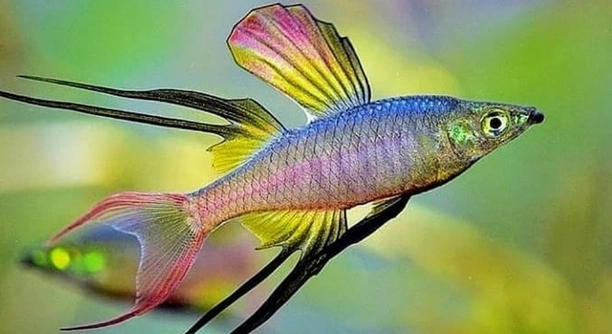
Threadfin rainbowfish have unique resting patterns that can be affected by light cycles. Understanding how different lighting schedules influence their sleep can help hobbyists maintain a healthy and balanced environment for these colorful freshwater fish.
Paragraph 2 (40 words, bold):
The optimal light cycles for threadfin rainbowfish involve a consistent photoperiod of 10–12 hours of light followed by 12–14 hours of darkness. This schedule supports natural resting behaviors, reduces stress, and encourages normal feeding and social activity within the aquarium.
Paragraph 3 (20 words):
Knowing the right light cycles can improve your fish’s well-being, leading to more vibrant behavior and healthier growth over time.
Morning Light Cycle
Threadfin rainbowfish respond well to gentle morning light, which simulates their natural environment. Starting the day with low-intensity light helps them wake gradually, encouraging normal swimming and feeding behaviors. A light duration of about two to three hours in the morning sets a steady rhythm for their day. Avoid sudden bright lights as this can stress the fish and cause erratic movements. Many aquarists notice that fish become more active and display brighter colors with a stable morning light. Pairing morning light with moderate room temperature can further support healthy activity levels. It is important to use LED or fluorescent lights that do not emit excessive heat, ensuring that water temperature remains stable. Observing your fish during these hours provides insight into their comfort and social interactions. Adjusting morning light gradually can help them adapt without disrupting their resting cycles. The overall goal is to create a calm start that balances energy and rest.
Morning light helps fish start their day naturally, encouraging activity and reducing stress caused by sudden or harsh lighting changes.
Consistent morning lighting not only promotes activity but also supports proper feeding schedules. Fish that wake gradually tend to eat more reliably, which improves digestion and overall health. Bright, sudden lights can trigger hiding behaviors or cause aggression among tank mates. Providing a gentle, extended period of light in the morning sets a stable circadian rhythm, which reduces stress hormones. Observing their behavior under morning light can indicate whether the intensity or duration needs adjustment. Matching light schedules to natural day patterns helps maintain vibrant coloration and balanced activity throughout the day. Even small tanks benefit from carefully timed lighting. Over time, morning light contributes to better reproductive health and reduces vulnerability to disease. Small variations in intensity or timing should be monitored and modified slowly. The goal is to support natural cycles that allow rainbowfish to thrive and display their best behaviors naturally.
Evening Light Cycle
Evening light should be dimmed gradually to prepare fish for rest. A slow transition prevents sudden stress.
Reducing light intensity in the evening helps threadfin rainbowfish settle into resting behavior. Dim red or blue lighting for one to two hours before turning off the lights completely creates a natural dusk effect. Sudden darkness can startle fish, causing unnecessary energy expenditure and disrupting rest. Evening lighting also influences hormone levels that control sleep and immune function. Observing how fish respond to gradual dimming can guide adjustments in duration and intensity. This approach creates a stable night cycle, supporting overall well-being and reducing nighttime disturbances in the aquarium. Consistent evening light schedules help maintain balance with morning light and improve long-term health outcomes for the fish. Proper evening light planning ensures fish remain calm and ready for the next day’s activity, supporting both physical and behavioral health.
Midday Light Cycle
A stable midday light helps threadfin rainbowfish stay active and display their natural colors. Moderate intensity light for about four to six hours encourages feeding and social interactions, avoiding stress from overly bright or harsh lighting.
Midday light is crucial for maintaining a normal activity pattern in threadfin rainbowfish. During this period, moderate lighting helps them explore the tank and interact with other fish. Overly intense light can cause hiding or erratic swimming, while too little light reduces feeding interest. Using adjustable LED lights allows for precise control, helping mimic natural sunlight. Keeping light consistent each day reinforces their internal clocks, making feeding and social behavior more predictable. Observing their behavior under midday lighting can guide adjustments for optimal comfort and well-being. Stable light cycles contribute to healthier fish and a more vibrant aquarium environment.
Maintaining an even midday light cycle also supports plant growth in the tank, if present. Healthy plants provide hiding spots and reduce stress for the fish. A consistent schedule ensures that rainbowfish do not experience sudden energy drops or hyperactivity. Adjusting duration or intensity gradually prevents shock and promotes natural rhythms. Midday light, combined with morning and evening cycles, creates a complete daily routine. This balanced approach improves their color, feeding habits, and overall health, making the aquarium environment more stable and predictable for both the fish and the caretaker.
Night Light Cycle
Night lighting should be minimal, just enough to observe fish without disturbing rest. Avoid bright or flickering lights that disrupt sleep patterns.
Threadfin rainbowfish need near-complete darkness at night to support proper resting behaviors. Using a very dim blue or red light allows observation without affecting their circadian rhythm. Darkness triggers hormone release that regulates sleep and immune function. Maintaining darkness also reduces stress and prevents unnecessary energy expenditure during the night. Some aquarists use timers to ensure night lighting is consistent, reinforcing a stable routine. Observing the fish’s nighttime behavior under low light can indicate if adjustments are needed. Proper night lighting supports overall health and prepares them for morning activity, maintaining balance across all light cycles.
Gradual Light Transition
Gradual changes in lighting help threadfin rainbowfish adjust without stress. Slowly increasing or decreasing intensity mimics natural sunrise and sunset, keeping their daily rhythm steady.
Using timers or dimmable lights ensures smooth transitions between day and night cycles. Sudden changes can startle the fish, causing erratic swimming or hiding. Gradual adjustments support calmer behavior, better feeding, and healthier rest patterns.
Overhead Aquarium Lighting
Overhead lighting provides even illumination, reducing shadows that can make fish feel insecure. Consistent top-down light supports natural swimming patterns and encourages exploration of the tank.
Colored Light Effects
Subtle blue or red lights at certain times can simulate dusk or dawn. These colors reduce stress while maintaining visibility.
FAQ
How long should threadfin rainbowfish be exposed to light each day?
Threadfin rainbowfish generally do best with 10–12 hours of light daily. This schedule mimics their natural environment, promoting normal activity and feeding behavior. Consistency is key, so using a timer can help maintain a reliable routine. Avoid sudden changes, which can stress the fish.
Can too much light harm my rainbowfish?
Yes, excessive light can increase stress and trigger hiding, rapid swimming, or aggression. Bright, prolonged light may also encourage algae growth, affecting water quality. Moderating intensity and duration ensures the fish remain calm and healthy. Gradual adjustments during the day help them adapt naturally.
Is it necessary to use colored lights in the tank?
Colored lights are not essential but can be helpful for simulating dawn or dusk. Subtle red or blue lights in early morning or evening reduce stress while keeping the fish visible. Avoid bright colored lights that can overwhelm or startle them.
Should lights be turned off completely at night?
Yes, complete darkness at night supports proper resting patterns and hormone regulation. Dim lights may be used briefly if observation is needed, but bright or flickering lights disrupt sleep. Consistent night darkness improves overall health and prepares fish for the next day’s activity.
How quickly should light intensity change between day and night?
Light changes should be gradual over 30–60 minutes. Sudden shifts can startle rainbowfish, causing stress and irregular behavior. Using timers or dimmable lights helps simulate natural sunrise and sunset, keeping the circadian rhythm balanced.
Does lighting affect fish coloration?
Yes, proper lighting enhances natural colors, especially under moderate intensity. Morning and midday light cycles are particularly important for showing vibrant hues. Consistent lighting helps maintain health, which also supports brighter coloration. Stress or irregular light can dull their appearance.
Can light schedules impact feeding behavior?
Absolutely. Fish are more likely to feed actively during stable daylight periods. Abrupt or inconsistent lighting may reduce appetite or cause uneven feeding. Matching light cycles to feeding times encourages regular, healthy eating habits.
Are timers necessary for maintaining light cycles?
While not strictly required, timers simplify maintaining consistent schedules. Regular light and dark periods reduce stress, support resting patterns, and improve overall well-being. Manual changes can work but may be less reliable over time.
Can different aquariums require different light cycles?
Yes, tank size, plant presence, and fish density influence light needs. Heavily planted tanks may require more light for plant health, while small or low-tech setups need moderate, balanced cycles. Adjust based on observation and fish behavior.
What signs indicate my fish are stressed by lighting?
Indicators include hiding, erratic swimming, aggression, loss of appetite, or dull coloration. Monitoring behavior under different light conditions helps identify problems. Adjust intensity, duration, or transition speed to reduce stress and support normal activity.
Can I use natural sunlight instead of artificial lights?
Natural sunlight can supplement lighting but is less controllable. Direct sunlight may overheat the tank or cause algae blooms. Artificial lights provide consistent, adjustable schedules that better support daily activity and resting patterns.
How do light cycles affect breeding behavior?
Stable lighting encourages natural reproductive cycles. Threadfin rainbowfish are more likely to spawn under regular light and dark periods. Abrupt changes or inconsistent schedules can reduce spawning activity and interfere with egg development.
Is it necessary to mimic sunrise and sunset?
Yes, gradual light transitions help maintain circadian rhythm and reduce stress. Simulating dawn and dusk using dimming or colored lights creates a more natural environment for the fish, supporting overall health and predictable behavior.
How can I monitor if my lighting schedule is effective?
Observe activity, feeding, and coloration. Fish should be active during the day, feed normally, and display vibrant colors. Stress indicators, irregular swimming, or changes in appetite suggest adjustments are needed. Consistency is more important than intensity.
Do different colors of light affect behavior differently?
Yes. Red and blue tones are calming and useful for dawn or dusk periods. Bright white or harsh lights may increase activity or stress. Use colors carefully to simulate natural transitions rather than as constant lighting.
What is the best type of light for rainbowfish?
LED or fluorescent lights are preferred due to low heat output and adjustable intensity. These lights provide consistent, controllable illumination, reducing stress and supporting natural behaviors. Avoid lights that emit excessive heat or flicker, as they disturb the fish.
Can poor lighting lead to disease?
Indirectly, yes. Stress from inconsistent or harsh lighting can weaken the immune system, making fish more susceptible to illness. Maintaining proper light cycles contributes to overall health, helping prevent common infections and promoting longevity.
How do I adjust lighting for new fish introductions?
New fish may be more sensitive to bright lights. Start with lower intensity and gradually increase over several days to allow acclimation. Observing their behavior helps ensure they are comfortable and feeding normally before full light exposure.
Is continuous low light safe for rainbowfish?
Continuous low light is not ideal. Fish need periods of darkness to rest and maintain circadian rhythm. Extended low light may disrupt hormone cycles, increase stress, and reduce activity. Balanced cycles of light and dark provide optimal health benefits.
How often should I reassess my lighting schedule?
Regular observation every few weeks is recommended. Fish behavior, tank growth, and algae levels indicate whether adjustments are necessary. Seasonal changes in room light may also require minor modifications to maintain consistency and support natural rhythms.
Can lighting improve social interactions among rainbowfish?
Yes, consistent light cycles encourage predictable behavior, reducing aggression and promoting natural schooling. Proper illumination allows all fish to see and interact comfortably, fostering a calm and balanced social environment.
Does tank decoration affect lighting needs?
Yes. Plants, rocks, and caves create shadows, so overall intensity may need adjustment. Observing shaded areas and fish behavior ensures sufficient light for activity without causing stress or overexposure.
What mistakes should be avoided when setting light cycles?
Common mistakes include sudden on/off transitions, overly bright lights, inconsistent schedules, or neglecting night darkness. Avoid rapid changes, and use timers or dimmers to provide gradual, stable light periods for healthy fish behavior.
How important is consistency in light schedules?
Consistency is crucial. Predictable light cycles support feeding, resting, social interactions, and breeding. Irregular schedules can cause stress, reduced appetite, or aggression. Regular routines improve overall well-being and allow rainbowfish to thrive naturally.
Are there signs that my fish prefer longer or shorter light periods?
Yes. Observe activity and feeding patterns. If fish remain inactive or hide under normal schedules, minor adjustments in duration or intensity may help. Changes should be gradual to prevent stress while finding the optimal cycle.
Can lighting affect tank plants as well as fish?
Absolutely. Proper lighting supports photosynthesis, ensuring healthy plant growth. Balanced plant health improves water quality, provides hiding spots, and reduces stress for fish, creating a stable and thriving aquarium ecosystem.
What is the simplest way to maintain proper light cycles?
Using a programmable timer with suitable LED lights is the most straightforward method. Set morning, midday, evening, and night periods to ensure consistency, reduce stress, and support natural behavior for threadfin rainbowfish.
How does lighting interact with water temperature?
Lights that emit heat can raise water temperature, affecting fish metabolism. Using low-heat lights or spacing fixtures properly ensures a stable environment. Consistent temperature combined with regular light cycles supports overall health and activity patterns.
How can I troubleshoot issues with lighting and fish behavior?
Observe patterns carefully. Note hiding, feeding changes, or erratic swimming. Adjust intensity, duration, or transition speed gradually. Compare behavior before and after changes. Timers and dimmable lights make troubleshooting simpler, allowing controlled modifications without shocking the fish.
Do all rainbowfish species require the same light cycles?
No. Different species have slightly varied needs. Threadfin rainbowfish prefer moderate, consistent light periods. Researching species-specific preferences ensures proper care, while observing behavior helps fine-tune light schedules for each tank setup.
Can artificial moonlight be beneficial?
Subtle artificial moonlight can help nocturnal observation without disrupting rest. Use very dim blue or red LEDs sparingly. Constant bright moonlight should be avoided to maintain proper night cycles.
How quickly do fish adapt to a new lighting schedule?
Adaptation typically takes a few days to a week. Gradual changes help prevent stress. Monitor behavior closely during this period, adjusting intensity or duration if fish appear anxious, hide excessively, or reduce feeding.
Is it necessary to adjust lighting seasonally?
Seasonal adjustments are optional but helpful if room light changes dramatically. Minor modifications maintain consistent daily exposure, supporting stable rhythms and preventing stress from natural light fluctuations.
Can improper lighting cause aggression in rainbowfish?
Yes. Too bright, uneven, or sudden light can trigger territorial disputes or hiding. Maintaining balanced, consistent illumination reduces aggression and fosters natural schooling behavior, contributing to a calmer tank environment.
How do I balance lighting for mixed-species tanks?
Consider the needs of all inhabitants. Use moderate intensity, gradual transitions, and timed schedules that meet the most sensitive species’ requirements. Observe interactions and adjust as needed to minimize stress.
Does lighting influence growth in young rainbowfish?
Yes. Stable light cycles promote regular feeding and activity, supporting healthy growth. Irregular lighting can cause stress, disrupt feeding, and slow development. Consistent schedules encourage natural behavior, contributing to stronger, healthier fish.
What equipment is recommended for optimal lighting?
Dimmable LED fixtures with timers are ideal. They provide adjustable intensity, gradual transitions, and consistent cycles. Avoid incandescent lights or fixtures that produce excessive heat. Proper equipment simplifies maintenance and supports fish health.
Are there visual cues that lighting is too low?
Fish may become inactive, hide more often, or lose vibrant colors. Plants may also show poor growth. Gradually increasing intensity while observing behavior helps correct low-light conditions without causing stress.
Can lighting affect water quality indirectly?
Yes. Excess light can accelerate algae growth, affecting water clarity and oxygen levels. Balanced light schedules reduce algae while supporting plant health and maintaining a stable, comfortable environment for the fish.
How often should light bulbs be replaced?
LED lights last several years, but older fluorescent bulbs may need replacement every 12–18 months. Dimming efficiency and light output can decline over time, so regular checks ensure consistent cycles and optimal fish health.
Do rainbowfish need a nap during the day?
Threadfin rainbowfish may rest intermittently under moderate light, particularly during the hottest midday hours. Providing shaded areas or plants allows them to rest naturally without disrupting activity or feeding patterns.
Can lighting influence stress levels long-term?
Yes. Inconsistent or harsh lighting over weeks can elevate stress hormones, reduce immunity, and affect growth or breeding. Maintaining steady, balanced cycles minimizes stress and supports long-term well-being.
How can I test different light intensities safely?
Use adjustable LED lights and incrementally change intensity while observing behavior. Track activity, feeding, and coloration. Make only one change at a time to identify optimal conditions without causing stress.
Are reflective tank surfaces helpful for lighting?
Reflective surfaces can distribute light evenly but may also create glare. Moderate use helps avoid shadows and supports uniform illumination. Observe fish behavior to ensure reflections do not stress or confuse them.
Can I use multiple types of lights together?
Yes, combining white, blue, or red LEDs can create balanced day and night effects. Ensure total intensity is appropriate and transitions remain gradual to prevent stress or erratic behavior.
Is manual light control ever better than timers?
Manual control works for careful monitoring but increases the risk of inconsistency. Timers are more reliable for maintaining stable cycles, reducing stress, and supporting natural rhythms over time.
How do I know if my lighting setup is complete?
Fish behavior, coloration, and activity are key indicators. Plants should thrive, hiding spots remain usable, and stress signs are minimal. If fish feed well, swim naturally, and rest properly, the lighting setup is effective.
Does lighting affect water temperature more than heaters?
In some setups, especially with high-intensity lights, heat output can slightly raise water temperature. Low-heat LED lights are preferable, and monitoring ensures combined lighting and heater effects maintain stable temperatures.
Can lighting improve fish confidence in new environments?
Yes, stable lighting reduces fear and encourages exploration. Gradual transitions and consistent schedules help fish acclimate more quickly to unfamiliar tanks, reducing hiding or erratic swimming.
Should lights be turned off during cleaning or maintenance?
Yes, brief interruptions are fine. Prolonged exposure to bright lights during cleaning can stress fish. Maintaining normal cycles outside of these short periods ensures minimal disruption.
How does lighting interact with filtration and water flow?
Lighting doesn’t directly affect filtration but supports natural activity patterns. Fish are more likely to swim actively and feed under proper light, aiding circulation and evenly distributing nutrients in the water.
Can lighting changes affect tank mates differently?
Yes, species vary in sensitivity. Observe behavior to ensure transitions suit all fish. Adjust intensity or timing as needed to maintain harmony and reduce stress for more sensitive tank mates.
Are night lights necessary for fish that hide in the dark?
Not strictly. Night lights may help observation but are optional. Fish that naturally hide at night benefit from complete darkness for proper rest and circadian rhythm regulation.
How long does it take to notice improvements after adjusting lighting?
Improvements in activity, coloration, and feeding can appear within a few days to a week. Long-term benefits, like better growth and reduced stress, develop over several weeks of consistent cycles.
Do lighting cycles influence interaction with other fish species?
Yes, consistent schedules promote predictable behavior, reducing aggression and supporting social cohesion. Fish are calmer and more likely to engage in natural schooling and feeding behaviors under stable light conditions.
Can improper lighting cause nighttime activity in normally diurnal fish?
Yes. Inadequate night darkness or bright night lights can trigger unusual activity, disrupting rest. Ensuring proper night periods allows fish to maintain natural diurnal patterns, conserving energy and reducing stress.
Should light intensity be adjusted for small versus large tanks?
Yes, small tanks may need lower intensity to prevent stress, while larger tanks may require moderate brightness for even coverage. Adjust according to fish behavior and tank layout to maintain comfort and visibility.
Is it better to have constant moderate light or fluctuating intensity?
Constant, stable light with gradual transitions is best. Fluctuating intensity can stress fish, disrupt circadian rhythm, and affect feeding or social behavior. Gradual changes mimic natural day-night patterns and support overall health.
Can lighting help prevent aggression during feeding?
Yes. Predictable light periods encourage orderly feeding and reduce stress-induced aggression. Fish are calmer under consistent illumination, promoting fair access to food and smoother social interactions during meals.
How does lighting influence egg-laying in rainbowfish?
Stable light cycles encourage spawning by supporting hormone regulation. Threadfin rainbowfish are more likely to lay eggs under consistent day-night schedules. Sudden changes or irregular lighting may reduce reproductive activity or stress breeding pairs.
Can over-illumination mask early signs of illness?
Yes. Bright light may hide lethargy, hiding, or color changes. Observing fish under moderate, natural-like lighting helps detect early signs of disease for timely intervention.
How do I balance natural light with artificial lighting?
Use artificial lights to maintain consistency when sunlight fluctuates. Keep duration and intensity moderate. Avoid direct sunlight that overheats or creates strong glare. Artificial lighting ensures predictable cycles and stable behavior.
Are there risks in using high-intensity LEDs?
High-intensity LEDs can stress fish, cause erratic swimming, and encourage algae growth. Moderate intensity with gradual transitions is safer and supports natural rhythms, behavior, and coloration.
Can lighting changes improve visibility for monitoring health?
Yes, moderate, even lighting allows observation of color, fin condition, and behavior. Bright or uneven lights may distort perception or stress the fish, making accurate monitoring more difficult.
How important is light placement in the tank?
Placement matters for even coverage. Overhead lights provide consistent illumination, while uneven side lighting may create shadows and stress. Position lights to reduce glare and ensure visibility without disturbing natural behavior.
Do rainbowfish benefit from a strict day-night schedule?
Yes, a consistent schedule reduces stress, improves feeding and resting patterns, and supports overall health. Irregular cycles can disrupt circadian rhythms, affecting behavior, growth, and coloration.
Can lighting help with algae control?
Indirectly. Proper duration and intensity prevent excessive algae growth, which competes with plants for nutrients. Balanced lighting supports plant health and maintains a cleaner, more comfortable environment for fish.
How do I know if the lighting is too dim?
Signs include fish hiding, lack of activity, poor feeding, or dull colors. Plants may also grow poorly. Gradually increasing intensity and observing behavior ensures comfortable and healthy conditions.
Can sudden power outages harm lighting schedules?
Occasional outages are generally fine, but repeated interruptions can stress fish and disrupt circadian rhythms. Using battery backups or adjusting timers afterward helps restore consistent light cycles.
Is light spectrum important for rainbowfish?
Moderate full-spectrum light enhances coloration and supports natural behavior. Red or blue tones can be used for dawn or dusk simulation, but avoid overly artificial colors that overwhelm the fish.
How do I combine multiple FAQ points into a daily routine?
Set morning, midday, evening, and night light periods with gradual transitions. Observe behavior, feeding, and rest to adjust duration or intensity. Timers and dimmable LEDs simplify consistency, reducing stress and supporting healthy growth, coloration, and social interactions.
Can lighting affect fish sleep quality?
Yes, proper darkness at night is essential for rest. Poor sleep due to irregular or bright light can affect growth, immunity, and behavior. Consistent night cycles improve overall health and vitality.
What is the easiest way to check if fish are adapting to new lighting?
Observe activity, feeding, coloration, and hiding behaviors over several days. Gradual improvements indicate successful adaptation, while signs of stress suggest adjustments in intensity or schedule are needed.
Do lighting needs change as rainbowfish age?
Young fish require consistent moderate light to support growth and feeding. Adults benefit from the same schedule for maintenance of health, coloration, and natural behavior. Adjustments may be minor, mainly to accommodate changes in tank size or plant growth.
How important is light for stress recovery?
Critical. Stable, moderate light with gradual transitions supports normal behavior, reduces cortisol levels, and aids in recovery from illness, new introductions, or environmental changes. Consistency is key for long-term health.
Can lighting influence competitive behavior over food?
Yes, predictable light cycles reduce stress and aggression during feeding. Fish are calmer and more likely to feed evenly, lowering the risk of dominant individuals monopolizing resources.
Should lights be dimmed for sick fish?
Yes, slightly dimmed light can reduce stress for ill fish. Maintain consistent schedules while lowering intensity to support recovery without disrupting circ
Threadfin rainbowfish thrive when their light cycles are carefully managed. Providing consistent periods of light and darkness helps them maintain natural resting patterns, regular feeding, and overall health. Morning light should be gentle, allowing the fish to wake gradually and engage in normal activity. Midday light should be moderate, promoting exploration, feeding, and social interactions. Evening light should be dimmed gradually to prepare the fish for rest, while night periods should be near complete darkness to support proper sleep. Following these principles reduces stress, encourages vibrant coloration, and allows the fish to behave naturally, which is important for both their well-being and the enjoyment of maintaining an aquarium.
Using timers or dimmable LED lights is the simplest way to maintain consistency in light schedules. Gradual transitions between light and dark periods mimic natural sunrise and sunset, keeping the fish calm and reducing erratic behavior. Colored lights can be used sparingly to simulate dawn and dusk without overwhelming the fish. Sudden bright lights or prolonged exposure to high intensity can cause hiding, aggression, or stress, which may affect feeding and social behavior. Regular observation of the fish’s responses to lighting adjustments is key, allowing caretakers to fine-tune the schedule for optimal comfort. Adjustments should always be made slowly, avoiding abrupt changes that disrupt the fish’s circadian rhythm. Consistency across morning, midday, evening, and night cycles is more important than complex or highly technical setups. A stable and predictable environment supports both the physical and behavioral health of threadfin rainbowfish.
Proper lighting also benefits other aspects of the aquarium. Healthy plant growth is supported by balanced light, providing hiding spots and reducing stress for the fish. Algae growth can be managed by controlling light duration and intensity, contributing to better water quality. Lighting interacts with feeding schedules, social interactions, and even breeding behaviors, making it an essential element of aquarium management. Over time, a well-structured light cycle improves the overall environment, making the fish more active, colorful, and comfortable. Threadfin rainbowfish respond positively to predictable, well-managed light cycles, which enhances their quality of life and supports natural behavior patterns. By observing the fish, maintaining consistent routines, and making gradual adjustments when needed, caretakers can create an environment that promotes both health and longevity for these vibrant freshwater fish.

Hello,
If you enjoy the content that we create, please consider saying a "Thank You!" by leaving a tip.
Every little bit helps us continue crafting quality advice that supports the health, happiness, and well-being of pets around the world, for pets of all shapes, sizes, and species.
We really appreciate the kindness and support that you show us!