
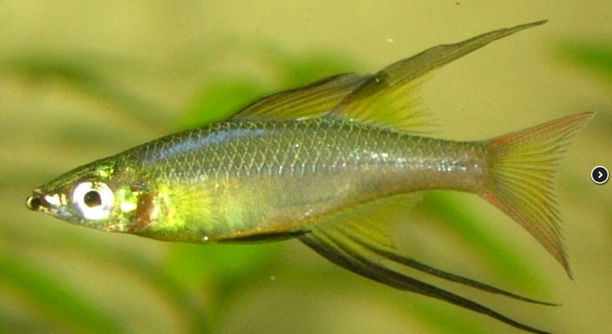
Introducing a new threadfin rainbowfish to your aquarium can feel overwhelming. These vibrant fish are sensitive to changes, and improper introductions often lead to stress, aggression, or illness. A calm, structured approach ensures harmony from the start.
The best method to introduce a new threadfin rainbowfish without chaos involves gradually acclimating it to the tank environment. Using a quarantine period, controlled water parameters, and careful observation reduces stress, minimizes territorial disputes, and promotes stable social integration among fish.
Following these steps can protect both your new and existing fish. Proper preparation ensures a peaceful, healthy aquatic environment for all inhabitants.
Preparing the Aquarium for a New Threadfin Rainbowfish
Before adding a new threadfin rainbowfish, it is essential to prepare the aquarium carefully. Start by testing the water parameters, including temperature, pH, and hardness, to ensure they match the needs of your current fish. Clean the tank thoroughly, removing uneaten food and debris, to minimize stress and potential disease transmission. Introducing plants and hiding spots can help create a comfortable environment, giving fish space to retreat and explore. Acclimating the new fish slowly by floating the bag in the tank for at least 20–30 minutes allows water temperatures to equalize. Gradually adding small amounts of tank water into the bag over an hour helps the fish adjust to the new water chemistry. Observing behavior during this period ensures that the fish shows no signs of shock or extreme stress. This preparation stage is crucial for a smooth transition.
Proper preparation reduces initial stress and supports healthy adaptation.
Taking time to prepare the aquarium creates a stable, welcoming environment, which minimizes conflict and encourages the new fish to settle quickly into its new home.
Introducing the Fish Safely
Use a net to gently place the new threadfin rainbowfish into the tank after acclimation.
Careful introduction is key to preventing stress and aggression. Gradually monitor interactions, especially during the first few hours. If any signs of fighting or extreme stress appear, separate the fish temporarily. Maintaining proper water conditions, including stable temperature and clean filtration, supports resilience. Observe feeding behavior to ensure the new fish is eating properly and not being intimidated by existing tank mates. Limiting sudden movements and disturbances around the aquarium during this period helps the fish feel secure. Regular observation over the first week allows you to identify any health or social issues early. Using floating plants or small decorations as temporary hiding spots can reduce anxiety and create visual barriers. Keeping consistent feeding routines and avoiding overcrowding are also essential. By taking these steps, you provide the best chance for a peaceful, healthy integration into your tank.
Monitoring Behavior After Introduction
Keep a close eye on the new fish during the first few days. Watch for signs of stress, aggression, or hiding excessively.
Threadfin rainbowfish may show skittish behavior initially. Observing interactions with existing fish helps identify potential territorial disputes or bullying. Ensure all fish can access food without being chased away. Stress can weaken the immune system, making fish more susceptible to illness. Adjust decorations or hiding spots if needed to reduce conflicts. Maintaining stable water parameters during this period is critical, as sudden changes can worsen stress. Regular observation allows timely intervention and supports smooth social integration.
If aggression persists, consider temporary separation or rearranging tank décor. Small adjustments often resolve conflicts and create a calmer environment. Proper monitoring during this period is essential for long-term harmony.
Feeding and Nutrition Tips
Feed the new fish small amounts multiple times a day. Observe eating habits and ensure all fish get proper nutrition.
A balanced diet is essential for both new and existing fish. Threadfin rainbowfish thrive on a mix of high-quality flake food, frozen or live brine shrimp, and occasional vegetable matter. Offering a variety of foods encourages healthy growth, vibrant colors, and active behavior. Avoid overfeeding, as leftover food can pollute the water and increase stress. Use slow feeding and ensure the new fish can access food without competition. Regularly monitoring feeding habits helps detect stress or health issues early, allowing for timely adjustments to diet or tank setup.
Consistent feeding routines promote confidence and stability. Providing nutritious meals strengthens immune systems and supports peaceful interactions in the aquarium over time.
Gradual Acclimation Techniques
Float the bag with the new fish in the aquarium for 20–30 minutes to equalize temperature. Slowly add small amounts of tank water to the bag over the next hour to help the fish adjust to the water chemistry.
Using this method reduces shock and stress. Proper acclimation ensures the fish adapts more smoothly and lowers the risk of illness. Observing the fish during this process allows early detection of unusual behavior, which can indicate problems. Patience during acclimation helps maintain a calm environment and promotes successful integration with existing tank mates.
Observation During the First Week
Monitor interactions closely, paying attention to chasing, hiding, or refusal to eat. Track both new and existing fish behaviors carefully.
Daily observation allows early detection of stress, aggression, or health concerns. Adjust hiding spots, decorations, or feeding routines if necessary to reduce conflict. Keeping the tank quiet and stable during this period supports adaptation. Documenting behaviors helps identify patterns, making it easier to respond promptly to any issues. A calm, structured environment improves the chances of successful integration and long-term harmony among all fish.
Maintaining Water Quality
Regularly check water parameters and perform partial water changes to keep the environment healthy and stable.
Clean, stable water prevents stress and supports immune systems, ensuring all fish remain active and vibrant.
FAQ
How long should I acclimate a new threadfin rainbowfish?
Acclimation should last at least one hour. Start by floating the bag in the aquarium for 20–30 minutes to equalize temperature. Gradually add small amounts of tank water every 5–10 minutes. This helps the fish adjust to the water chemistry slowly, reducing stress and preventing shock. Proper acclimation is critical, especially for sensitive species like threadfin rainbowfish, because sudden changes in water conditions can lead to illness or aggressive behavior. Always monitor the fish closely during this process and stop adding water if it shows signs of extreme stress.
Can I introduce multiple fish at the same time?
Yes, but it is safer to introduce them in small groups rather than all at once. Adding multiple fish gradually reduces competition and stress. Ensure the tank is spacious enough, with hiding spots and plants, so new fish can explore without constant confrontation. Observing each group for the first few hours helps identify any aggressive behavior. If one fish appears stressed or bullied, it may need temporary separation. Gradual introduction supports better social integration and reduces the risk of injuries or illness in both new and established fish.
What should I do if the new fish hides constantly?
Hiding is normal during the first few days. Make sure the tank has sufficient hiding spots, like plants, rocks, or decorations, so the fish feels secure. Avoid sudden movements near the tank and maintain a calm environment. If the fish hides for more than a week or refuses to eat, check water quality and parameters, as poor conditions can cause stress. Gradually interacting by feeding nearby and monitoring behavior helps the fish gain confidence. Patience is key—threadfin rainbowfish often start exploring once they feel safe.
How do I prevent aggression between new and existing fish?
Aggression often arises from territorial behavior. Rearrange decorations and add plants to break sightlines and provide escape routes. Introduce the new fish during feeding times to reduce competition for territory. Keep an eye on chasing or fin nipping. Temporary separation or using a tank divider can help if aggression persists. Avoid overcrowding the tank, and maintain stable water conditions, as stress can increase hostility. Ensuring everyone has space and resources is the most effective way to maintain a peaceful environment in your aquarium.
What is the best diet for threadfin rainbowfish?
A balanced diet includes high-quality flake food, frozen or live brine shrimp, and occasional vegetable matter. Feed small amounts multiple times a day to avoid overfeeding. Observe the new fish during feeding to ensure it can access food without being intimidated by existing fish. Regularly rotating foods encourages natural foraging behavior and supports vibrant coloration. Avoid leaving uneaten food in the tank, as it can pollute water and stress fish. Proper nutrition improves immunity, activity levels, and overall health, which also helps reduce aggression and stress during the introduction period.
How often should I monitor water quality after introducing a new fish?
Daily monitoring for the first week is ideal. Check temperature, pH, ammonia, nitrite, and nitrate levels. Partial water changes may be necessary to maintain stable conditions. Clean filters and remove debris regularly. Keeping water parameters consistent supports the immune system, reduces stress, and prevents illness. Sudden fluctuations can trigger aggression or hiding behavior. Keeping a log of water tests and observations helps detect issues early and ensures long-term health for both new and established fish in the aquarium.
What if my new fish refuses to eat?
Refusal to eat is common during the first 24–48 hours. Offer small amounts of preferred food near its hiding spot. Ensure other fish are not outcompeting it for food. Monitor the fish for signs of stress or illness. If refusal continues beyond a couple of days, verify water parameters and consider using live food to stimulate appetite. Maintaining a calm, quiet environment and avoiding frequent tank disturbances can help the fish start feeding. Early intervention ensures the fish receives proper nutrition and supports a smoother adjustment period in its new environment.
Can stress affect the color of threadfin rainbowfish?
Yes, stress often causes fading of colors. Stressors include poor water quality, aggression, sudden changes in temperature, and overcrowding. Providing hiding spots, maintaining stable water parameters, and observing social interactions can help reduce stress. Vibrant colors usually return once the fish feels secure and healthy. Consistent care, proper feeding, and a calm environment are key to preserving the natural coloration of your fish and supporting overall well-being.
How long does it take for a new fish to fully adjust?
Adjustment typically takes one to two weeks. During this time, monitor interactions, feeding, and behavior. Minor hiding or skittishness is normal, but prolonged stress requires intervention. Gradual acclimation, stable water conditions, and sufficient hiding spaces speed up the process. Each fish has its own temperament, so patience is essential. Proper integration during this period ensures long-term harmony and health in the aquarium.
Final Thoughts
Introducing a new threadfin rainbowfish to an established aquarium requires careful planning and attention to detail. Rushing the process can lead to stress, aggression, or illness for both the new fish and existing tank mates. By taking the time to prepare the aquarium, including checking water parameters, adding hiding spots, and ensuring clean conditions, you give the new fish the best chance to adjust smoothly. Patience is essential, especially during the first few days when the fish is most vulnerable. Observing behavior closely allows you to intervene quickly if any issues arise, preventing problems from escalating. Proper preparation and monitoring create a calm and stable environment, which benefits all inhabitants of the tank.
Acclimation and introduction techniques play a crucial role in reducing stress for the new threadfin rainbowfish. Gradually adjusting the fish to the tank’s water chemistry and temperature helps avoid shock, while a slow introduction into the community allows it to explore and adapt without confrontation. Providing multiple hiding spots and rearranging decorations can break up visual territory, minimizing territorial disputes and aggression. Feeding routines should also be managed carefully, ensuring that all fish have access to food and that the new fish is not intimidated. By observing the fish during feeding and social interactions, you can identify any signs of stress or health concerns early. These small, deliberate steps make a significant difference in helping the new fish feel secure and integrated into its new environment.
Maintaining water quality, providing proper nutrition, and observing daily behaviors are ongoing responsibilities that support the long-term well-being of both new and existing fish. Stress can impact color, appetite, and activity levels, so consistent care is necessary to ensure a healthy aquarium. Over time, a well-prepared introduction leads to a peaceful, vibrant community where fish can thrive. While every fish has its own personality and adjustment period, following structured steps reduces the chances of conflict or illness. Overall, taking a careful, thoughtful approach when introducing a threadfin rainbowfish promotes stability, harmony, and long-term health, creating an aquarium that is both visually appealing and a safe environment for all its inhabitants.

Hello,
If you enjoy the content that we create, please consider saying a "Thank You!" by leaving a tip.
Every little bit helps us continue crafting quality advice that supports the health, happiness, and well-being of pets around the world, for pets of all shapes, sizes, and species.
We really appreciate the kindness and support that you show us!