
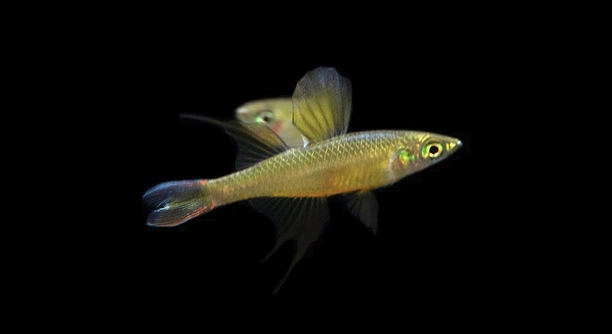
Do you ever notice your threadfins acting differently after a water change? Many owners find their fish behaving oddly, moving in unexpected ways, or exploring corners they usually ignore. Their actions can be surprising yet harmless.
Threadfins often display unusual behaviors after a water change due to sudden shifts in water parameters. These behaviors can include increased swimming activity, hiding, surface gulping, or subtle changes in feeding patterns, reflecting stress adaptation and environmental adjustment processes.
Observing these behaviors closely helps ensure your threadfins remain healthy and comfortable in their refreshed aquatic environment. Understanding these changes can make caring for them easier.
Sudden Burst of Energy
After a water change, threadfins can suddenly dart around the tank as if they are full of energy. This behavior often starts within minutes and may last for several hours. They swim in quick bursts, sometimes chasing each other or exploring areas they usually avoid. It is normal and usually not harmful. The fresh water may feel different on their bodies, prompting them to test the currents and boundaries. Owners often notice them swimming near the surface or around plants, fins fully extended.
This energetic behavior is linked to changes in water temperature and chemistry that stimulate activity.
While it may look chaotic, this burst of energy shows that the fish are responding to their environment. Observing their movements can help you understand how they adjust to water changes and which areas of the tank they prefer. It also allows you to notice any unusual signs of stress early.
Hiding in Corners
Threadfins often retreat to corners or under decorations after water changes. They may stay hidden for minutes or even hours, especially if the new water feels colder or has slightly different chemistry.
This behavior is a natural response to sudden changes. Hiding helps them feel secure while they acclimate. They may also use this time to rest and observe the environment, reducing potential stress from unfamiliar water conditions. Even if they seem quiet or withdrawn, it is usually temporary. Owners should check that the water parameters match their previous readings and avoid startling the fish during this period. Over time, they gradually resume normal swimming patterns.
Hiding can also indicate that the fish are sensitive to light or feel exposed. Creating shaded areas with plants or decorations allows threadfins to explore the tank safely. By offering secure spots, you encourage confidence and reduce stress. Gradually, they will emerge more frequently, interact with other fish, and return to usual feeding habits. Understanding this behavior helps maintain a calm, stable environment after every water change.
Surface Gulping
Threadfins may swim to the surface and take quick gulps of air after a water change. This can happen even in well-aerated tanks. It’s usually a short-term adjustment to new oxygen levels or slight changes in water chemistry.
Surface gulping often occurs because the fresh water may have a slightly lower dissolved oxygen content or different temperature. Fish sense these changes and instinctively swim near the surface where oxygen is more accessible. It can also indicate that they are checking the environment and ensuring it feels safe. This behavior generally decreases once the water stabilizes and they become accustomed to the new conditions.
While it may look concerning, consistent observation will show that surface gulping is temporary. Keeping an eye on their breathing patterns and ensuring proper aeration helps minimize stress. Over time, threadfins resume normal swimming throughout the tank, moving away from the surface as they adapt fully.
Shaking or Twitching
Some threadfins shake or twitch after a water change, often along the body or fins. This is usually brief and linked to the sudden difference in water parameters.
The shaking is a natural response to new stimuli. It may be caused by changes in pH, temperature, or water hardness. Threadfins have sensitive skin and lateral lines that detect vibrations, so even minor differences in the water can trigger these movements. Typically, this behavior lasts only a few minutes to an hour, after which the fish gradually calm down.
Observing your threadfins during this time can help ensure the behavior doesn’t indicate a larger issue, such as disease or poor water quality. Maintaining stable water parameters, gradually adjusting temperatures, and avoiding sudden chemical changes reduces stress. Most shaking is harmless and resolves as the fish acclimate.
Exploring New Areas
After a water change, threadfins often move to corners, decorations, or areas they usually ignore. This exploration is a response to novelty in the environment and fluctuating currents caused by fresh water. They test boundaries and interact with their surroundings cautiously.
Exploration also helps threadfins assess safety in their tank. Moving slowly and circling objects allows them to detect possible threats. This behavior is normal and shows they are adjusting to the refreshed environment. Providing plants, rocks, or hiding spots encourages safe exploration and reduces stress. They gradually return to usual routines, like swimming mid-tank or feeding in familiar spots.
The pace and duration of exploration can vary between individual fish. Some are naturally more cautious, staying hidden longer, while others are bold and move freely immediately. Recognizing these tendencies helps in creating a tank layout that suits all your threadfins and keeps them comfortable after each water change.
Fin Clamping
Threadfins sometimes clamp their fins close to their bodies after a water change. This reaction is usually short-lived and indicates mild stress from changes in temperature or water chemistry. It is a common response and generally not harmful.
Fin clamping may also occur when fish feel exposed or insecure in open areas of the tank. Providing hiding spots or shaded areas helps them feel safer and encourages normal fin movement. Watching their behavior over time shows whether they are adjusting comfortably.
Sudden Stops While Swimming
Threadfins may pause abruptly in the middle of swimming after a water change. These stops often last a few seconds and are part of their adjustment to new water currents or temperature changes. They are checking the environment carefully.
Nipping at Tank Surfaces
Some threadfins may nibble or nip at the tank walls or decorations after fresh water is added. This behavior is linked to stress, curiosity, or minor irritation caused by changes in water parameters. Observing them ensures it does not become excessive.
FAQ
Why do threadfins act restless after a water change?
Threadfins often become restless because fresh water changes temperature, oxygen levels, and chemical balance slightly. Their senses detect these differences immediately, prompting bursts of swimming, quick movements, or darting between decorations. This is a natural adjustment process and usually decreases once the water stabilizes.
Is it normal for threadfins to hide for hours after a water change?
Yes, hiding is a typical response. Fresh water can feel unfamiliar or slightly different in temperature and chemistry. Seeking corners or shaded areas provides security. Most threadfins gradually come out as they feel more comfortable and confident with their environment.
Why do threadfins gulp at the surface after a water change?
Surface gulping happens because the fish are checking oxygen levels or minor changes in water composition. It is often temporary and resolves as they adjust. Ensuring proper aeration and maintaining consistent water parameters can reduce the frequency of this behavior.
My threadfins are shaking or twitching after a water change. Should I worry?
Shaking or twitching is usually a short-term response to water changes. Threadfins are sensitive to temperature, pH, and chemical differences. If the behavior persists or is accompanied by discoloration, lethargy, or loss of appetite, then it may indicate stress or illness, and water parameters should be checked immediately.
Why do threadfins explore new areas after a water change?
Exploration is part of their adjustment. Fresh water can alter currents, temperature, and chemical cues. Threadfins check corners, plants, and decorations to ensure safety. They gradually resume their regular swimming patterns as they become comfortable with the environment.
What causes threadfins to clamp their fins?
Fin clamping is a response to mild stress or uncertainty. Changes in temperature, water chemistry, or exposure in open areas often trigger this behavior. Providing hiding spots and gentle observation helps threadfins relax and return to normal fin movement.
Why do some threadfins nibble at decorations or tank walls?
Nipping can occur due to curiosity, minor irritation, or stress from sudden water changes. Watching the behavior ensures it does not become excessive, which could damage fins or scales. Ensuring water parameters are stable reduces this behavior.
How long does it take for threadfins to settle after a water change?
Most threadfins adjust within a few hours to a full day. Restlessness, hiding, or surface gulping should gradually reduce. Providing a stable environment, consistent water temperature, and hiding spots helps speed up their comfort level.
Can water changes harm threadfins if done too quickly?
Yes, sudden large water changes can shock threadfins. Gradual adjustments, partial water changes, and careful monitoring of temperature and chemistry prevent stress. Sudden changes increase the risk of fin clamping, hiding, or abnormal swimming.
What signs indicate that threadfins are struggling after a water change?
Persistent lethargy, gasping at the surface, clamped fins, or loss of appetite can indicate stress. Checking water parameters, aeration, and temperature is essential. Temporary changes in behavior are normal, but prolonged signs require attention to ensure health and safety.
Are these behaviors different in young threadfins versus adults?
Younger threadfins may be more sensitive to water changes, showing increased hiding, twitching, or bursts of activity. Adults tend to adjust faster but may still show surface gulping or fin clamping. Monitoring all ages ensures timely intervention if necessary.
Can repeated water changes cause long-term stress?
Frequent, large water changes without proper acclimation can stress threadfins. Partial water changes with consistent parameters are safer. Long-term stress can weaken immune systems, reduce appetite, and increase susceptibility to disease. Gradual, planned water changes support healthy fish behavior and longevity.
How can I make water changes less stressful for threadfins?
Ensure the water is the same temperature, pH, and hardness as the tank. Use gentle flow to avoid sudden currents. Introduce changes gradually and provide hiding spots. Observing their behavior helps determine if they are adjusting comfortably.
Should I intervene if threadfins behave strangely after a water change?
Minor, short-term behaviors like darting, hiding, or surface gulping are usually normal and don’t require intervention. Intervene only if unusual behaviors persist or if signs of illness appear. Careful observation and stable water parameters are the best ways to support threadfins.
Do all threadfins react the same way to water changes?
No, individual temperament and previous exposure to water changes influence reactions. Some may hide, others explore, and some show bursts of energy. Understanding your fish’s personality helps predict behavior and manage stress effectively.
Is there a way to reduce all strange behaviors after a water change?
Gradual water changes with matched temperature and chemistry, stable aeration, and hiding spots minimize stress responses. Regular monitoring, gentle handling, and consistency in routine water care reduce occurrences of restlessness, surface gulping, fin clamping, and other unusual behaviors.
Are these behaviors harmful long-term?
Most behaviors are temporary and part of normal adjustment. Persistent stress or repeated sudden water changes, however, can affect health. Maintaining stability and observing changes ensures threadfins remain active, healthy, and comfortable in their environment.
Threadfins are sensitive fish that react noticeably to changes in their environment. After a water change, it is common to see them behaving differently, whether it is darting around, hiding, or gulping at the surface. These actions are natural responses to shifts in water temperature, chemistry, or oxygen levels. Even small adjustments in pH or hardness can trigger temporary behaviors. Observing your fish closely during this time helps you understand how they adapt and ensures that no sudden changes are causing prolonged stress. Most of these behaviors settle down within hours, but paying attention to patterns over several water changes gives a better sense of each fish’s normal adjustment process. Understanding their reactions also makes it easier to spot anything unusual that might indicate a health problem rather than a simple response to fresh water.
Providing a stable environment is key to helping threadfins adjust. Gradual water changes, rather than large sudden replacements, reduce the intensity of their reactions. Matching the temperature and chemical composition of new water to the tank’s current conditions minimizes stress and encourages natural behavior. Adding hiding spots, plants, or decorations gives them areas to feel secure while they explore the tank. Even small details, like gentle aeration or avoiding strong currents immediately after a water change, can make a noticeable difference in their comfort. Consistency in care routines helps threadfins predict what to expect, reducing anxiety and promoting calmer behavior. By focusing on stability and observing their responses, you create a healthier environment that supports both their physical and behavioral needs.
Behavioral changes after water changes are usually temporary and not harmful when managed carefully. Sudden bursts of energy, fin clamping, or surface gulping are often signs of adjustment rather than illness. However, prolonged or extreme behaviors, such as constant hiding, persistent fin clamping, or loss of appetite, may indicate that the water conditions are not ideal or that additional intervention is needed. Monitoring water parameters, observing feeding habits, and noting any unusual physical changes can prevent stress from becoming a larger issue. Over time, threadfins become more accustomed to water changes, and their reactions become milder. Recognizing these patterns allows you to provide the right environment and care, helping your fish remain healthy, active, and comfortable in their tank. Understanding and responding to their needs fosters a calm aquarium where threadfins can thrive while adjusting smoothly to each water change.

Hello,
If you enjoy the content that we create, please consider saying a "Thank You!" by leaving a tip.
Every little bit helps us continue crafting quality advice that supports the health, happiness, and well-being of pets around the world, for pets of all shapes, sizes, and species.
We really appreciate the kindness and support that you show us!