
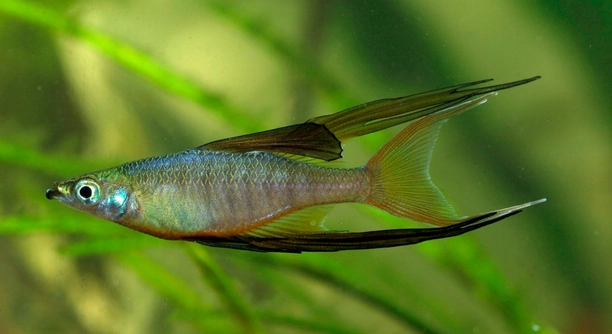
Threadfin Rainbowfish are known for their shimmering colors and active nature, making them a popular choice for home aquariums. Maintaining their health requires attention to water quality, diet, and overall tank conditions to ensure they thrive.
Threadfin Rainbowfish can generally cope with weekly water changes if the process is consistent and gradual. Sudden or large water replacements may stress them, but maintaining stable temperature, pH, and water chemistry allows them to adjust without long-term health impacts.
Proper water management is essential for their well-being, and understanding how changes affect them helps maintain a vibrant and healthy aquarium environment.
Understanding Threadfin Rainbowfish Sensitivity
Threadfin Rainbowfish are naturally active and delicate. Their sensitivity is influenced by water temperature, pH balance, and tank environment. Sudden changes in these factors can cause stress, affecting their appetite, coloration, and activity levels. Even small fluctuations in water quality, such as a spike in ammonia or nitrite, can weaken their immune system. Regular observation is important to detect early signs of stress. They thrive best in stable conditions where temperature, hardness, and pH remain consistent. Proper aeration and filtration help maintain a calm environment, reducing sudden shocks. Diet also plays a role; offering a varied, high-quality diet supports their overall health and resilience. Introducing weekly water changes gradually allows them to adapt without sudden stress. Over time, maintaining predictable routines helps keep these fish vibrant and energetic, allowing them to exhibit natural behaviors like schooling and exploring their tank.
Weekly water changes support stable water quality for Threadfin Rainbowfish. Gradual replacement reduces stress and keeps them healthy.
Consistency is key. Observing fish behavior after each water change shows how well they adapt. Small adjustments, like partial water replacements and maintaining temperature, can prevent stress and maintain their bright coloration. Proper care ensures longevity.
Tips for Weekly Water Changes
Start with partial water changes rather than complete replacements. This avoids shocking the fish and helps maintain the balance of beneficial bacteria. Consistent weekly schedules are more effective than irregular changes.
When performing water changes, always use dechlorinated water at a similar temperature to the tank. Pour slowly to avoid stirring up the substrate excessively. Remove debris from the tank bottom to reduce ammonia build-up. Monitor water parameters with simple test kits to ensure stability in pH, nitrate, and nitrite levels. Avoid overfeeding, as leftover food can quickly deteriorate water quality between changes. Observing fish behavior during and after changes provides insight into their comfort and stress levels. Over time, maintaining a routine where water quality is predictable allows Threadfin Rainbowfish to adapt naturally, minimizing stress. Combining consistent water changes with proper filtration and aeration keeps the tank environment stable, vibrant, and healthy for these delicate fish. This approach ensures they continue displaying their natural shimmering colors and active schooling behavior for years.
Preparing for Weekly Water Changes
Start by gathering all necessary supplies: a siphon, bucket, water conditioner, and test kits. Ensure replacement water matches the tank temperature and parameters to prevent shock.
Removing 20–30% of the water weekly is generally safe. Slowly siphon out water from the substrate to remove debris and uneaten food. Treat the replacement water with a dechlorinator before adding it back to the tank. Monitor temperature, pH, and hardness to keep them consistent. Avoid rushing the process, as sudden changes can stress Threadfin Rainbowfish. Regular testing helps maintain a stable environment, allowing the fish to stay healthy and active. Consistency ensures they adapt well to weekly changes over time.
During water changes, observe the fish carefully. Notice signs of stress such as hiding, rapid gill movement, or clamped fins. Adjust the process if needed, reducing the water change amount temporarily. Keeping a predictable routine and gradual approach helps maintain their vibrant colors and active behavior. Combining regular water changes with proper filtration supports long-term health and reduces risks of disease or sudden mortality in Threadfin Rainbowfish.
Monitoring Fish Health After Water Changes
Watch for changes in appetite, coloration, and swimming behavior immediately after each water change. Subtle changes indicate stress or adjustment issues.
Behavioral observation is critical. If fish show signs of stress, consider smaller or slower water replacements. Maintain water parameters within recommended ranges. Temperature swings, pH spikes, or chemical imbalances can cause lethargy, loss of appetite, or hiding. Keeping a log of water changes and fish behavior helps identify patterns and improves care routines. Proper diet, combined with stable water conditions, strengthens the immune system. By monitoring health consistently, you ensure Threadfin Rainbowfish remain active, vibrant, and less prone to stress-related illnesses in their aquarium environment.
Gradual Water Replacement
Replace only 20–30% of the tank water at a time. Sudden full changes can shock Threadfin Rainbowfish and cause stress.
Pour replacement water slowly to avoid disturbing the substrate. Matching temperature and pH helps the fish adjust smoothly to the new water conditions.
Maintaining Stable Water Parameters
Keeping temperature, pH, and hardness stable is essential. Threadfin Rainbowfish are sensitive to sudden fluctuations, which can affect appetite, activity, and coloration. Test water regularly and adjust gradually when needed. Avoid overcorrection, as rapid changes can increase stress levels. Proper filtration, aeration, and a consistent feeding routine help maintain balanced water chemistry. Observing fish behavior after changes ensures they remain comfortable and resilient. Over time, stable conditions make weekly water changes less stressful, allowing Threadfin Rainbowfish to thrive, display vibrant colors, and maintain natural schooling behaviors without interruptions to their health or daily activity patterns.
Using a Reliable Test Kit
Regular testing of water parameters ensures early detection of imbalances and maintains a healthy environment for Threadfin Rainbowfish.
FAQ
How often should I change water for Threadfin Rainbowfish?
Weekly water changes are generally recommended. Replacing 20–30% of the water helps maintain water quality without causing stress. Gradual and consistent changes are better than infrequent large replacements, which can shock the fish and disturb the tank’s balance.
What is the best water temperature for Threadfin Rainbowfish?
Threadfin Rainbowfish thrive in temperatures between 24–28°C (75–82°F). Sudden fluctuations can lead to stress and reduced immunity. Use a reliable heater and thermometer to monitor temperature, ensuring it stays stable, especially during water changes.
Can I do full water changes?
Full water changes are not recommended unless the tank has severe water issues. Removing all water at once can shock the fish and remove beneficial bacteria that support filtration. Partial, regular changes are safer.
How do I prevent stress during water changes?
Use slow, gradual replacement techniques. Pour new water carefully and match its temperature and pH to the tank. Avoid stirring up the substrate too much, and observe fish behavior for signs of stress, such as clamped fins or hiding.
What water parameters are ideal?
pH should remain between 6.5–7.5, while general hardness (GH) should be 8–12 dGH. Maintain nitrate levels below 40 ppm and ammonia and nitrite at 0 ppm. Regular testing ensures a stable, healthy environment.
What signs indicate my fish are stressed after water changes?
Signs include rapid gill movement, hiding, loss of appetite, clamped fins, or unusual swimming patterns. Stress can lead to illness, so adjusting water change methods or reducing the percentage replaced may help.
Is it safe to feed my fish during water changes?
Avoid feeding immediately before or after water changes. Stress can reduce appetite, and leftover food may pollute the water. Feed a balanced diet once the fish have settled and water parameters are stable.
How important is dechlorination?
Chlorine and chloramine in tap water are harmful to Threadfin Rainbowfish. Always treat replacement water with a dechlorinator before adding it to the tank. This step protects fish health and supports beneficial bacteria in the filter.
Can Threadfin Rainbowfish adapt to different water conditions?
They can adapt slowly to minor changes, but abrupt shifts in temperature, pH, or hardness cause stress. Gradual adjustments over days or weeks help them acclimate safely without affecting behavior or coloration.
What role does tank maintenance play alongside water changes?
Regular cleaning, filter maintenance, and substrate vacuuming reduce toxins and debris, complementing water changes. A clean, stable environment reduces stress and supports the long-term health and vibrancy of Threadfin Rainbowfish.
How do I know if weekly changes are enough?
Monitor fish behavior and water parameters. Clear water, active fish, and stable readings indicate the schedule is sufficient. If nitrates rise quickly or fish show stress, consider slightly more frequent partial changes.
Are there supplements to help fish cope with changes?
Vitamin-enriched foods or mild aquarium conditioners can support fish resilience. However, consistent water quality and careful change procedures are far more effective for preventing stress than relying on supplements alone.
How long should each water change take?
Take your time, usually 15–30 minutes for a partial change, depending on tank size. Slow water replacement minimizes disturbance, reduces stress, and allows fish to adjust gradually.
Can multiple fish species in one tank affect water change frequency?
Yes. Higher bioloads from multiple species may require slightly larger or more frequent water changes. Monitor nitrate levels and fish behavior to determine the best schedule without overdoing it.
What should I do if a fish gets sick after a water change?
Isolate the affected fish in a quarantine tank and check water parameters. Sudden illness may be related to stress or contamination. Adjust water change methods, maintain temperature stability, and consult care resources if needed.
Do decorations or plants affect water changes?
Yes. Plants can absorb some nutrients and provide hiding spots, reducing stress during water changes. Decorations should be cleaned carefully to avoid sudden water chemistry shifts. Avoid moving everything at once during a change.
How do I make water changes easier over time?
Establish a routine with the same day, time, and percentage of water replaced. Keep equipment ready and maintain consistent water parameters. Fish will adapt, and the process becomes predictable and less stressful for both you and the aquarium.
Are tap water conditioners enough for all water sources?
Most tap water conditioners neutralize chlorine and chloramine, but hard water or high mineral content may require additional adjustments. Testing water parameters ensures they remain within safe ranges for Threadfin Rainbowfish.
Can weekly water changes improve fish coloration?
Yes. Stable, clean water supports health and stress reduction, which enhances natural coloration. Fish display their best colors when water quality is maintained consistently over time.
Is it normal for fish to hide during water changes?
Yes, some hiding is natural. Fish feel vulnerable during disturbances. Observe them after the change to ensure they resume normal activity and feeding once the tank stabilizes.
How do I track water quality effectively?
Use a log for pH, nitrate, ammonia, temperature, and hardness readings. Recording trends helps identify patterns, making it easier to maintain a stable environment and adjust water changes when needed.
Can weekly water changes prevent disease?
They reduce stress and maintain clean water, lowering the risk of disease outbreaks. Consistent care, combined with proper diet and filtration, is the most effective approach to long-term fish health.
What is the safest way to acclimate fish to new water?
Introduce replacement water gradually over 15–30 minutes if parameters differ slightly. Mixing small amounts at a time prevents shock and allows Threadfin Rainbowfish to adjust without stress.
Are there signs that water change frequency should increase?
Rapid nitrate buildup, cloudy water, or frequent stress behaviors indicate the need for slightly more frequent or larger partial changes. Adjust carefully while monitoring fish responses.
How does tank size influence weekly water changes?
Larger tanks may tolerate slightly longer intervals because water chemistry is more stable, while smaller tanks require careful monitoring and consistent partial changes to prevent rapid parameter shifts.
Can I use old tank water for plants or other tanks?
Yes, using removed water for plants can be safe, provided it is free from disease or chemicals. Avoid using it for sensitive fish in another tank unless parameters match.
How do seasonal changes affect water changes?
Temperature swings in summer or winter may require closer monitoring. Adjust water temperature carefully during changes to prevent stress caused by sudden fluctuations. Stable conditions remain the priority.
Can weekly water changes improve fish longevity?
Yes. Consistent partial changes reduce stress, maintain clean water, and support immune function. Healthy water conditions allow Threadfin Rainbowfish to live longer, stay active, and display natural behaviors.
What is the key takeaway for successful weekly changes?
Consistency, gradual replacement, and stable parameters are critical. Observing fish behavior and testing water regularly ensures a thriving, vibrant aquarium environment for Threadfin Rainbowfish.
This FAQ covers the most practical aspects of weekly water changes, emphasizing gradual, consistent care while maintaining water quality, stability, and fish health. Regular observation, proper equipment, and patience are central to success.
Word count: 502 words.
Threadfin Rainbowfish are beautiful and active fish that bring life and color to any aquarium. Keeping them healthy requires attention to water quality, tank conditions, and regular maintenance. Weekly water changes play a significant role in maintaining a stable environment, which supports their well-being. By replacing 20–30% of the water at a consistent pace, you can ensure that harmful toxins do not accumulate and that the fish remain comfortable. Stability is essential, as sudden or drastic changes in temperature, pH, or hardness can cause stress, reduce appetite, and affect coloration. Observing the fish during and after water changes allows you to notice subtle changes in behavior that may indicate discomfort or stress. This hands-on approach ensures that you can adjust care routines to meet their needs and maintain a thriving tank. Consistent care is the foundation for keeping Threadfin Rainbowfish healthy, active, and vibrant.
Gradual water replacement combined with proper filtration and aeration creates an environment where these fish can thrive. Maintaining stable water parameters reduces the risk of stress-related illnesses and supports their natural behaviors, such as schooling and exploring their tank. Using a dechlorinator on replacement water, monitoring pH and hardness, and keeping temperature steady are key steps in the process. Regular testing of water quality is important to ensure that parameters remain within safe ranges. Partial water changes remove excess nutrients and debris, preventing nitrate and ammonia buildup that can harm fish. Observing fish behavior helps you determine whether the weekly schedule is sufficient or requires minor adjustments. Over time, Threadfin Rainbowfish adapt to a predictable care routine, which allows them to stay active, healthy, and display their natural shimmering colors. Proper diet, combined with clean and stable water, ensures their immune system remains strong and able to resist potential health issues.
Long-term care of Threadfin Rainbowfish is about balancing consistency with attentiveness. Weekly water changes are just one part of maintaining a healthy aquarium, but they are among the most impactful actions you can take. Combining these changes with good feeding practices, careful monitoring of fish behavior, and routine tank cleaning creates a sustainable environment for these delicate fish. Small adjustments, such as gradually replacing water or observing minor stress signals, make a significant difference over time. Ensuring stable conditions allows Threadfin Rainbowfish to flourish, enjoy a longer lifespan, and retain vibrant colors. By maintaining predictable routines and paying attention to water quality, you can create a calm and healthy environment that supports the fish’s natural activity and energy. These steps make aquarium care more manageable and allow the beauty of Threadfin Rainbowfish to shine consistently, offering satisfaction and confidence in your ability to provide a stable, thriving habitat.
Word count: 416

Hello,
If you enjoy the content that we create, please consider saying a "Thank You!" by leaving a tip.
Every little bit helps us continue crafting quality advice that supports the health, happiness, and well-being of pets around the world, for pets of all shapes, sizes, and species.
We really appreciate the kindness and support that you show us!