
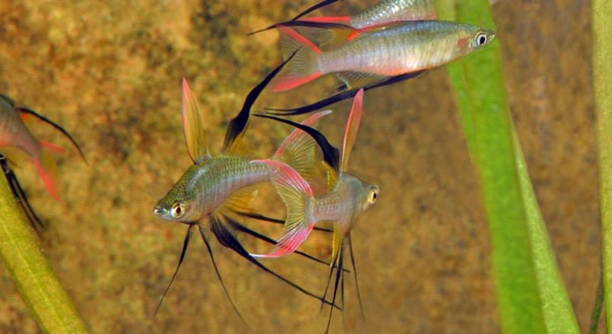
Are your threadfins showing dull colors or sluggish movements in the tank? Maintaining a stable and healthy aquatic environment is essential to keeping these fish lively and visually striking. Proper care starts with understanding their specific needs.
Threadfins require precise water conditions to maintain vibrant coloration and overall health. Key parameters include temperature, pH, ammonia, nitrite, nitrate, hardness, and salinity. Monitoring and adjusting these factors consistently prevents stress, promotes growth, and supports natural behaviors in the fish.
Knowing which water parameters to track can transform your tank experience. Proper management ensures threadfins remain energetic, colorful, and thriving in a well-balanced aquatic environment.
Temperature: Keeping It Stable
Threadfins are sensitive to fluctuations in water temperature. Sudden changes can stress them, affecting their color and activity. Ideally, maintain a consistent range between 75°F and 82°F. Using a reliable heater and thermometer helps ensure the water stays stable. Avoid placing the tank near windows or vents, as drafts and sunlight can cause sudden shifts. Regularly checking the temperature at different times of the day is essential, as even small drops or spikes can have cumulative effects on the fish. A gradual adjustment is necessary if the water needs to be heated or cooled.
A stable temperature promotes strong immune function and vibrant coloration in threadfins.
Even minor temperature fluctuations can affect feeding behavior, swimming patterns, and overall health. Observing the fish closely allows you to spot signs of stress, such as hiding or lethargy. Maintaining consistency ensures the tank environment supports long-term vitality and a lively display.
pH: Balanced Acidity
Threadfins thrive in slightly alkaline water with a pH of 7.5 to 8.5. Maintaining this range prevents stress and supports proper metabolic functions.
Keeping pH levels consistent avoids sudden shocks that can damage gill function or immune responses.
Frequent testing with a reliable pH meter or test kit is important. Small daily variations can accumulate and impact health, so gradual adjustments using buffers or water changes are recommended. If you notice unusual behavior or discoloration, checking the pH should be among the first steps. Balancing pH also enhances the effectiveness of other water parameters. By understanding how acidity interacts with hardness and salinity, you can create a stable environment that encourages growth, vivid coloration, and normal feeding behaviors. Threadfins perform best when changes are slow and predictable, so regular monitoring is essential. Consistency in pH ensures the fish remain energetic, resilient, and visually striking.
Ammonia Levels
Even small amounts of ammonia are harmful to threadfins. Levels should remain at zero to prevent gill damage, stress, and weakened immunity.
Ammonia forms from fish waste, uneaten food, and decaying plant matter. Regular water changes and a properly cycled tank help keep levels safe. Using biological filtration supports beneficial bacteria that convert ammonia into less harmful substances. Test the water frequently, especially in new tanks or after adding more fish. Signs of ammonia stress include gasping at the surface, faded colors, and reduced activity. Maintaining zero ammonia ensures the fish stay healthy and active.
Over time, consistent monitoring and maintenance create a stable environment. Ammonia spikes can appear suddenly, so it’s important to address issues immediately. Avoid overfeeding and remove uneaten food promptly. Proper tank cleaning and monitoring routines reduce risks and encourage natural behavior. Threadfins thrive in water that is carefully balanced and free from toxic compounds, supporting their energy, appetite, and vibrant colors.
Nitrite Concentration
Nitrite levels must also remain at zero, as even low concentrations are toxic to threadfins and can cause respiratory distress.
Nitrite enters the water as ammonia is converted by beneficial bacteria. While this process is normal, high levels can harm fish quickly. Frequent testing is essential, especially in new or heavily stocked tanks. Using strong biological filtration, performing regular water changes, and avoiding overstocking prevent nitrite buildup. Watching for signs like rapid gill movement or lethargy helps detect problems early. Stable nitrite levels allow fish to feed, swim, and interact normally.
Maintaining zero nitrite is crucial for long-term health. Sudden increases often occur after cleaning the filter or disrupting the bacterial colony. Adding water conditioners can neutralize nitrite temporarily, but long-term management relies on stable biological filtration and careful tank maintenance. Threadfins are more vibrant and active when nitrite is controlled consistently. Preventing stress from nitrite spikes reduces susceptibility to disease and promotes proper growth. Observing the fish closely and testing water frequently ensures a safe environment.
Nitrate Control
Nitrate levels should remain below 40 ppm to prevent stress and maintain vibrant colors in threadfins. Regular water changes and proper filtration help keep nitrates under control.
High nitrates can lead to sluggish behavior, reduced appetite, and dull coloration. Monitoring levels ensures a safe environment.
Water Hardness
Threadfins prefer moderately hard water, around 8–12 dGH. Consistent hardness supports proper osmoregulation and overall health.
Maintaining stable hardness levels reduces stress on their system. Using test kits and occasional mineral adjustments helps keep water balanced. Proper hardness contributes to strong bones, scales, and vibrant coloration, supporting energetic swimming and feeding behavior.
Salinity
Threadfins tolerate slightly brackish conditions, typically 1–3 ppt. Keeping salinity consistent avoids stress and supports natural physiological functions.
FAQ
How often should I test the water for my threadfins?
Testing frequency depends on tank age and stability. In a new setup, daily checks for ammonia, nitrite, and pH are recommended until the biological cycle is fully established. For established tanks, weekly testing is usually sufficient, with additional checks after adding fish, changing water, or adjusting equipment. Using reliable test kits ensures accuracy, helping you catch potential issues early. Consistent monitoring prevents sudden parameter swings, which can stress the fish, reduce coloration, or slow growth. Keeping a log of test results also allows you to track trends and make informed adjustments over time.
What is the best method to lower high ammonia or nitrite levels?
Immediate water changes are the most effective way to reduce dangerous compounds quickly. Partial water replacements remove excess ammonia or nitrite without shocking the fish. Adding biological filtration media or beneficial bacteria supplements helps restore the tank’s natural balance. Avoid overfeeding, as leftover food contributes to waste buildup. If levels remain high, consider checking your filtration system for clogs or insufficient capacity. Maintaining zero ammonia and nitrite consistently supports healthy gill function, proper feeding, and natural behavior.
Can threadfins tolerate minor temperature fluctuations?
Minor, gradual changes are generally tolerated, but sudden shifts can cause stress. Even small variations can affect metabolism, feeding, and immune response. Using a high-quality heater with a thermostat and monitoring daily helps maintain consistent temperatures. Avoid placing the tank near windows, vents, or appliances that cause rapid heat changes. Gradual adjustments during seasonal changes prevent shock and support vibrant coloration. Consistency is more important than hitting an exact number, as stable conditions allow the fish to remain active and healthy over the long term.
How important is pH stability for threadfins?
pH stability is critical. Sudden swings can damage gills, disrupt digestion, and suppress immune function. Maintaining a pH between 7.5 and 8.5 supports proper metabolic activity. Frequent testing and gradual adjustments using buffers or partial water changes help avoid stress. pH interacts with other parameters, such as hardness and salinity, so keeping it stable ensures a balanced environment. Consistent pH levels promote normal feeding, swimming behavior, and vibrant coloration, reducing susceptibility to disease.
What steps can I take to prevent nitrate buildup?
Regular water changes are the most reliable method to control nitrates. Avoid overfeeding, as uneaten food decomposes and raises nitrate levels. Adequate biological filtration supports bacterial conversion of ammonia and nitrite into less harmful compounds. Testing weekly or after major maintenance helps detect trends. Plants can also absorb nitrates, providing a natural way to maintain balance. Low nitrate levels support energy, coloration, and overall health in threadfins. Monitoring and removing excess debris reduces accumulation, preventing stress and long-term health problems.
Should I adjust water hardness or salinity regularly?
Minor adjustments may be necessary depending on tap water and tank conditions. Moderate hardness (8–12 dGH) and slight salinity (1–3 ppt) are ideal. Use test kits to monitor levels and add minerals or marine salts gradually if required. Sudden changes can stress the fish, so adjustments should be slow and consistent. Proper hardness and salinity support osmoregulation, bone structure, and coloration. Maintaining these levels reduces stress, encourages feeding, and helps threadfins display their natural vibrancy and active swimming behaviors.
What are signs that water parameters are affecting threadfin health?
Signs include faded coloration, sluggish swimming, loss of appetite, gasping at the surface, or hiding. Unusual behavior often precedes visible health issues, so careful observation is crucial. Regular monitoring of water parameters allows early intervention. Addressing imbalances promptly supports recovery, strengthens immunity, and restores normal activity. Consistent conditions minimize stress and help threadfins maintain energy, coloration, and overall vitality.
How can I maintain a stable environment long-term?
Routine testing, scheduled water changes, and proper filtration are key. Avoid overstocking and overfeeding. Track parameter trends to anticipate potential issues. Gradual adjustments prevent stress from sudden changes. Using high-quality equipment like heaters, filters, and test kits ensures reliability. Consistency in temperature, pH, hardness, salinity, and waste management creates a healthy environment. A well-maintained tank encourages normal behavior, growth, and vibrant colors, allowing threadfins to thrive steadily.
Maintaining the right water conditions for threadfins is essential for their health, coloration, and behavior. These fish are sensitive to changes in their environment, so consistent monitoring of parameters like temperature, pH, ammonia, nitrite, nitrate, hardness, and salinity is necessary. Even small fluctuations can stress the fish, leading to dull colors, reduced appetite, and slower growth. Regular water testing, partial water changes, and the use of reliable filtration systems help create a stable environment. Consistency is more important than perfection, as gradual adjustments allow the fish to adapt without added stress. Over time, keeping the tank stable promotes stronger immunity, more energy, and vibrant, natural colors, making them more enjoyable to watch. Proper attention to these details ensures that threadfins remain lively and healthy, which is the goal for anyone caring for them.
In addition to monitoring water parameters, daily observation of the fish is critical. Watching for changes in behavior, such as hiding, lethargy, or loss of appetite, can provide early warning signs of stress or imbalance. Maintaining a clean tank by removing uneaten food and debris reduces the risk of harmful ammonia or nitrate buildup. Equipment like heaters, filters, and aerators should be checked regularly to ensure proper operation. Small actions, like adjusting water hardness or salinity gradually, can have a significant impact on the overall well-being of threadfins. Establishing a routine makes managing these factors easier and more reliable. The more consistent the care, the more likely the fish will display their full range of colors, swim actively, and interact naturally within the tank environment. A stable and carefully maintained habitat allows threadfins to thrive, supporting their long-term health and vitality.
Finally, understanding the specific needs of threadfins simplifies the care process. Each parameter—temperature, pH, ammonia, nitrite, nitrate, hardness, and salinity—plays a distinct role in their health. Taking the time to learn how these factors interact and affect the fish helps prevent problems before they start. Keeping records of water tests, feeding habits, and behavioral observations can make it easier to spot trends or deviations that might indicate a developing issue. With careful attention and a structured routine, maintaining the ideal environment becomes manageable, even for someone with a busy schedule. Prioritizing stable conditions and monitoring the fish closely ensures a vibrant, active, and healthy tank. Over time, this approach builds confidence and understanding in caring for threadfins, creating a rewarding experience for both the fish and the caretaker.

Hello,
If you enjoy the content that we create, please consider saying a "Thank You!" by leaving a tip.
Every little bit helps us continue crafting quality advice that supports the health, happiness, and well-being of pets around the world, for pets of all shapes, sizes, and species.
We really appreciate the kindness and support that you show us!