
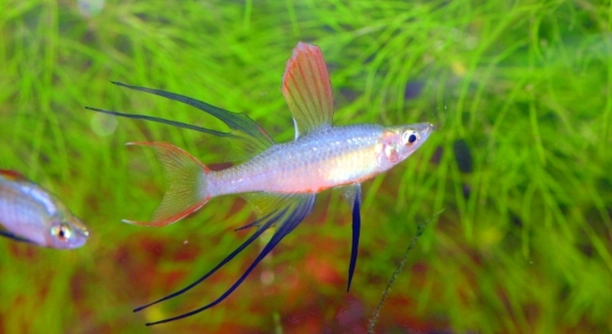
Threadfin Rainbowfish are small, colorful freshwater fish that brighten many home aquariums. Their delicate movements and shimmering scales make them captivating, yet they often react suddenly to minor changes in their surroundings, startling easily.
Threadfin Rainbowfish startle easily due to their highly developed sensory systems and natural instinct for survival. They are acutely responsive to sudden movements, vibrations, or changes in light, which trigger rapid escape responses, reflecting their adaptation to avoid predators in the wild.
Understanding their sensitivity helps in creating a calmer aquarium environment and ensures their well-being remains a priority.
Why Threadfin Rainbowfish Are So Sensitive
Threadfin Rainbowfish have highly alert nervous systems that make them react quickly to changes in their environment. Even small shadows, sudden movements, or vibrations can trigger an instinctive startle response. In their natural habitat, this heightened sensitivity helps them avoid predators. In home aquariums, these same traits can make them appear jumpy. Lighting, water flow, and tank decorations all affect their sense of security. Fish that are stressed by constant disturbances may show signs like rapid darting, hiding, or clamped fins. Over time, repeated stress can impact their health and coloration. Providing consistent, calm surroundings helps them feel safer. Plants, gentle water flow, and stable lighting can reduce frequent startle reactions. Recognizing their need for predictable conditions allows caretakers to adjust the tank thoughtfully. Observing patterns in their behavior can also indicate which elements of the environment may be too intense. Careful attention ensures these rainbowfish remain vibrant and active.
Maintaining stable water conditions and limiting sudden disturbances reduces frequent startle responses. They thrive with predictability.
Creating a secure tank requires understanding the fish’s natural instincts. Hiding spots, slow introductions to new tankmates, and steady lighting can improve comfort. Over time, these changes reduce stress, enhance coloration, and allow the fish to move confidently. Small adjustments, like limiting abrupt hand movements near the tank, also help. By learning what triggers their sensitivity, caretakers can plan decorations, feeding routines, and water maintenance more effectively. The fish will adapt to gentle, consistent surroundings, becoming less reactive to minor disturbances.
Common Triggers in Home Aquariums
Sudden movements near the tank often provoke quick bursts of swimming or hiding behavior.
Changes in water flow, reflections, or shadows can make rainbowfish startle. They are also highly responsive to unfamiliar objects or new tankmates. Even minor alterations in temperature or water chemistry can trigger stress. Fish may show repeated darting or hiding when disturbed frequently. Quiet handling, consistent feeding, and avoiding abrupt lighting changes reduce these reactions. Observing their patterns helps determine which elements need adjustment. Over time, reducing these triggers fosters a calmer, more stable aquarium environment, allowing the rainbowfish to display natural behavior.
Lighting, tank placement, and decoration all influence sensitivity. Strong currents, bright overhead lights, or reflective surfaces can create sudden flashes or shadows that trigger instinctive escape responses. Tankmates that are too active or aggressive can increase stress levels, as Threadfin Rainbowfish rely on a sense of predictability to feel secure. Even routine maintenance, if done abruptly, can provoke startle behavior. Gradual adjustments and careful observation help identify which environmental factors are causing distress. Using plants and hiding spaces allows fish to retreat when startled, while stable conditions reduce the frequency of these reactions. Over time, creating a consistent environment helps the fish become more confident and less reactive. Properly spacing decorations and monitoring water movement ensures they can swim naturally without constant disruption. Providing gentle lighting and calm surroundings supports their overall health, color vibrancy, and well-being. By addressing triggers methodically, caretakers can foster a comfortable habitat that respects the fish’s natural instincts while minimizing stress.
Adjusting Tank Conditions
Stable water temperature is essential for Threadfin Rainbowfish. Sudden changes can provoke stress and startle responses. Maintaining consistent pH, ammonia, and nitrate levels helps them feel secure. Gentle water flow and avoiding abrupt changes in lighting or decoration further reduce their sensitivity to disturbances.
Creating a calm environment requires careful observation. Plants and hiding spots give the fish places to retreat, which lowers stress levels and reduces frequent darting or clamping of fins. Adjusting water flow to a moderate level prevents sudden currents that may trigger panic. Gradual introduction of new tankmates and avoiding sharp reflections also supports a steady environment, allowing fish to feel safe and display normal behavior. These steps directly influence their overall well-being and coloration.
Feeding routines also impact their comfort. Sudden movements during feeding or introducing new food too quickly can startle them. Offering food in small, consistent portions at predictable times helps the fish anticipate activity without triggering panic. Observing which feeding methods provoke calm or anxious behavior allows adjustments that improve daily interactions. Over time, predictable care reduces stress and encourages healthier activity levels, while fostering vibrant colors and natural movement patterns.
Minimizing External Disturbances
Positioning the aquarium away from high-traffic areas prevents constant sudden movements near the fish. Loud noises, reflections, or vibrations from nearby appliances can also trigger startle reactions, so stability matters.
External factors like sudden household activity, door slams, or nearby construction can create vibrations or shadows that provoke rapid swimming responses. Using mats under the tank to dampen vibrations and limiting abrupt activity near the aquarium helps the fish feel secure. Even small changes in light from windows or reflective surfaces can be startling. Over time, reducing these disturbances allows rainbowfish to acclimate, decreasing unnecessary stress. Creating a quiet, stable environment helps maintain normal behavior and vibrant health.
Observing daily patterns of startle reactions provides insight into specific triggers. Some fish react strongly to brief shadows or reflections, while others respond to movement outside the tank. Adjusting room lighting, repositioning the aquarium, or covering reflective surfaces can reduce these triggers. Minimizing loud sounds and vibrations supports calmer behavior. Fish tend to swim more naturally and display better coloration when environmental stability is maintained. Gradual, thoughtful changes rather than abrupt alterations ensure long-term comfort. Over time, these adjustments make it easier to predict and manage behavior, fostering a secure, stress-free habitat that aligns with their natural instincts.
Proper Feeding Practices
Consistent feeding times help Threadfin Rainbowfish feel secure and reduce sudden darting during meals. Offering small portions at regular intervals prevents overfeeding and minimizes stress, allowing the fish to anticipate activity without becoming startled.
Using slow, gentle movements when adding food prevents sudden reactions. Placing food in the same location each time helps establish a routine. Avoid tossing large amounts quickly, which can trigger panic swimming or competition among tankmates. Observing their response to feeding allows for adjustments that promote calm behavior. Over time, a predictable feeding schedule encourages healthier fish and reduces unnecessary stress.
Introducing New Tankmates
New fish should be added gradually. Sudden introductions can provoke startle responses and increase stress among established Threadfin Rainbowfish. Quarantining new arrivals before adding them to the main tank prevents disease spread and allows for controlled acclimation.
Environmental Enrichment
Adding plants, rocks, and hiding spaces helps fish feel secure. Variety in the environment encourages natural behavior while reducing stress and frequent startle reactions.
Monitoring Fish Behavior
Regular observation allows early detection of stress indicators. Rapid darting, clamped fins, or hiding can signal environmental issues or discomfort that need adjustment.
FAQ
Why do Threadfin Rainbowfish startle at minor movements?
Threadfin Rainbowfish have highly sensitive nervous systems that react to changes in their surroundings. Even subtle movements or vibrations near the tank can trigger an instinctive escape response. This behavior is a survival mechanism inherited from their natural habitat, helping them avoid predators. In an aquarium, maintaining calm, predictable surroundings reduces unnecessary stress and allows them to feel safe.
How can I reduce their startle responses?
Providing stable water conditions, gentle lighting, and moderate water flow is key. Plants and hiding spots give fish places to retreat when frightened. Avoid sudden movements near the tank, abrupt lighting changes, or quick decoration adjustments. Gradual introductions of new tankmates and careful feeding routines also help minimize startle reactions.
Are certain tankmates better for Threadfin Rainbowfish?
Yes, peaceful, non-aggressive fish are best. Fast, aggressive, or territorial species can increase stress and trigger frequent startle responses. Choosing compatible tankmates allows rainbowfish to swim confidently without constant disturbance, maintaining their natural behavior and coloration.
Does tank placement affect their stress levels?
Absolutely. Placing the tank in low-traffic areas reduces sudden disturbances from people, pets, or household activity. Vibrations from appliances, reflections, or bright sunlight can also trigger stress. A quiet, stable environment helps the fish acclimate and display calmer, natural behavior.
How does feeding impact their sensitivity?
Sudden movements while feeding or introducing large amounts of food quickly can startle them. Offering small portions at predictable times and placing food consistently helps the fish anticipate activity without panic. Observing their reactions allows adjustments that promote calm behavior over time.
Can water quality influence startle behavior?
Yes, unstable water parameters can increase stress. Maintaining consistent temperature, pH, ammonia, and nitrate levels creates a secure environment. Even minor fluctuations can cause fish to become more reactive. Regular testing and gentle adjustments help ensure stability and reduce frequent startle responses.
Do lighting and reflections trigger panic?
Strong overhead lights, reflective surfaces, or shadows can create sudden flashes that provoke rapid swimming. Using softer lighting and minimizing reflective surfaces reduces stress. Plants and decorations can also diffuse light and provide safe spaces, helping the fish feel more secure.
What signs indicate excessive stress in Threadfin Rainbowfish?
Repeated darting, hiding, clamped fins, or loss of coloration are common stress indicators. Observing these behaviors helps identify environmental issues. Timely adjustments to tank conditions, lighting, or feeding routines can prevent long-term stress and support overall health.
Is it normal for them to startle frequently?
Some startle behavior is natural, but excessive reactions indicate environmental factors or disturbances. Identifying triggers and creating predictable, calm surroundings reduces unnecessary panic and allows rainbowfish to swim naturally, maintaining vibrant colors and healthy activity levels.
How long does it take for them to acclimate to a new environment?
Acclimation varies but usually takes several days to a few weeks. Providing hiding spots, stable water conditions, and minimizing disturbances speeds up adjustment. Gradual introduction of new tankmates and consistent routines encourages confidence and reduces frequent startle reactions.
Can decorations affect their behavior?
Yes, too many sharp, reflective, or unstable decorations can trigger sudden reactions. Smooth, stable surfaces and plants provide safe retreats. Proper arrangement helps rainbowfish explore confidently while minimizing unnecessary stress.
How do I know if my care routine is effective?
Consistent behavior, bright coloration, and reduced darting are good signs. Observing daily patterns and adjusting feeding, lighting, or tank placement as needed ensures a comfortable, low-stress environment. Over time, this promotes natural activity and overall well-being.
Does noise outside the tank matter?
Loud sounds, vibrations, or sudden household activity can provoke startle responses. Keeping the tank away from frequent disturbances or using vibration-dampening mats improves stability. A calm environment helps rainbowfish acclimate and reduces stress-related behavior.
Are there specific times when they are more likely to startle?
Yes, periods of sudden light changes, feeding, or water movement often trigger reactions. Maintaining predictable routines and gradual changes during these times reduces stress and allows fish to feel secure. Observation helps identify patterns and adjust care accordingly.
Do plants reduce startle reactions?
Plants provide hiding spots and diffuse light, which lowers stress. Dense planting creates secure areas where fish can retreat, reducing panic swimming. Plants also encourage natural behavior and help rainbowfish feel more confident in their environment.
Can frequent maintenance disturb them?
Yes, abrupt cleaning, water changes, or decoration adjustments can provoke startle responses. Performing tasks slowly and consistently, while limiting sudden disturbances, helps fish remain calm. Gradual changes maintain stability and comfort over time.
Is water flow a factor in sensitivity?
Strong currents can trigger rapid swimming or panic. Moderate, consistent water movement replicates natural conditions without creating excessive stress. Observation allows adjustments to flow that support calm behavior and normal activity patterns.
How does tank size influence startle behavior?
Larger tanks provide more swimming space and hiding areas, which can reduce stress. Crowded or small tanks increase disturbances and competition, provoking frequent startle reactions. Adequate space supports natural movement and comfort.
Do Threadfin Rainbowfish become less sensitive with age?
They may become more confident over time if exposed to calm, predictable conditions. Gradual acclimation, stable routines, and consistent environmental care allow them to react less frequently while maintaining natural instincts.
What long-term effects does stress have on them?
Chronic stress can impact coloration, appetite, immune system, and overall health. Minimizing triggers and providing a stable, secure environment supports longevity and keeps the fish vibrant and active. Consistent observation and adjustment are key to preventing long-term stress.
How can I tell which triggers are affecting them most?
Careful observation of behavior patterns, including darting, hiding, or clamped fins, identifies specific triggers. Gradual changes and tracking reactions to lighting, feeding, tankmates, and water flow help pinpoint stressors. Addressing these factors individually allows more targeted care.
Do reflective surfaces make them more reactive?
Yes, reflections can mimic movement, causing panic responses. Minimizing reflective areas, using background coverings, or adding plants to diffuse light helps reduce unnecessary stress. Fish become calmer and more comfortable over time with such adjustments.
Can temperature fluctuations increase startle behavior?
Even minor shifts in temperature can make fish more sensitive. Maintaining consistent warmth within their preferred range supports comfort and reduces sudden reactions. Sudden changes in heater settings or room temperature can trigger stress responses that manifest as darting or hiding.
How important is routine for reducing stress?
Routine is critical. Consistent feeding, lighting, water maintenance, and gentle interactions help the fish anticipate daily activity without panic. Predictable patterns lower stress, minimize startle responses, and allow rainbowfish to exhibit natural behavior with confidence.
Do hiding spots completely prevent startle responses?
Hiding spots reduce panic and provide security, but they do not eliminate natural startle reflexes. Fish will still react to sudden stimuli, but retreats and cover make responses less frequent and less severe. Proper placement of plants, rocks, and shelters optimizes safety.
How can I track improvement in their behavior?
Monitor frequency of darting, hiding, and clamped fins over time. Consistent calmer behavior, more confident swimming, and brighter colors indicate reduced stress. Documenting daily patterns and adjusting care helps evaluate progress and fine-tune the aquarium environment for comfort and security.
Is stress linked to illness?
Yes, prolonged stress weakens the immune system, making fish more susceptible to infections. Reducing startle triggers and maintaining stable conditions supports both physical health and behavioral well-being. Early intervention helps prevent serious illness while encouraging natural activity and vitality.
What daily habits support calmer Threadfin Rainbowfish?
Slow movements near the tank, consistent feeding, stable lighting, and minimal sudden disturbances create a predictable environment. Observing responses and adjusting routines helps maintain security, encourages natural behavior, and reduces startle reactions over time.
Can water changes trigger panic?
Yes, abrupt water changes or strong siphoning can startle fish. Gradual water replacement, careful handling, and minimal disturbance during maintenance reduce panic and maintain comfort. Predictable, gentle techniques keep the aquarium stable and calm.
Are some individuals more sensitive than others?
Yes, sensitivity varies among fish. Genetics, prior experience, and temperament influence startle behavior. Observing individual responses helps tailor care, including feeding, tankmates, and placement of decorations, to support calmer behavior and overall health.
Do they react differently at night?
Low light reduces activity but sudden artificial lighting or shadows can still trigger reactions. Gradual lighting changes during evening or night hours help maintain calm and prevent unnecessary panic responses.
Can enrichment improve confidence?
Yes, plants, hiding spots, and varied decor allow exploration and reduce stress. Enrichment supports natural behavior, making fish feel secure while decreasing startle reactions. Over time, this promotes calmer, more confident swimming patterns and healthier overall behavior.
How often should I observe their behavior?
Daily observation helps detect stress early. Noticing subtle changes in movement, color, or hiding habits allows timely adjustments to water, lighting, or feeding routines. Regular attention ensures the environment remains stable, safe, and comfortable for Threadfin Rainbowfish.
Does tank size or shape influence reactions?
Larger tanks provide space for swimming and hiding, reducing stress. Narrow or crowded tanks limit movement and increase competition, making fish more reactive. Choosing appropriate size and layout supports calmer behavior and natural activity.
Are there long-term strategies to reduce startle behavior?
Yes, maintaining stable water conditions, consistent feeding, gradual introductions, and enriched environments fosters calm behavior. Observing individual responses and addressing triggers over time encourages confidence, reduces stress, and ensures vibrant, healthy fish with natural swimming patterns.
Do seasonal changes matter?
Yes, temperature and lighting shifts can affect behavior. Gradual adjustments to seasonal variations help prevent stress and reduce startle reactions. Monitoring fish responses ensures environmental stability year-round.
Can tank decorations affect their startle reflex?
Yes, sharp or unstable objects can provoke sudden reactions. Smooth, stable decorations, plants, and hiding areas minimize stress while encouraging natural exploration. Proper placement ensures comfort and reduces unnecessary panic responses.
Is it normal for them to hide often?
Frequent hiding may indicate stress or fear from environmental disturbances. Providing calm surroundings, hiding spots, and predictable routines encourages more confident, natural swimming behavior while reducing constant panic.
Do they get used to human presence?
Over time, fish become accustomed to consistent, gentle interactions. Slow, predictable movements near the tank help them feel secure, reducing startle responses while maintaining natural instincts and vibrant activity.
How do I know if my adjustments are working?
Calmer swimming, fewer startle reactions, consistent coloration, and confident exploration indicate success. Monitoring behavior daily allows assessment of changes and fine-tuning of tank conditions to maintain comfort and well-being.
Are there specific signals that show they are relaxed?
Swimming slowly, exploring openly, bright coloration, and using hiding spots selectively suggest comfort. Reduced darting or clamping indicates a secure, low-stress environment. Observing these signs confirms that care strategies are effective.
Do they react differently to different types of food?
Yes, sudden introduction of new or floating foods can startle them. Offering small portions gradually and consistently helps fish anticipate feeding without panic. Observing reactions allows refinement of feeding routines for calm behavior.
Can overcrowding increase startle behavior?
Yes, too many fish limit swimming space and increase disturbances. Crowding causes competition and stress, leading to frequent panic. Adequate tank size and proper stocking density support calm, natural activity and healthy social behavior.
Does water clarity affect their reactions?
Clear water improves visibility but can reveal reflections or movements that trigger startle responses. Slightly diffused areas using plants or background elements reduce unnecessary panic while maintaining healthy viewing conditions.
Are juveniles more sensitive than adults?
Yes, younger fish are often more reactive due to inexperience and smaller size. Providing gentle care, hiding spots, and stable conditions supports their development, gradually reducing startle frequency as they mature.
Can seasonal feeding adjustments reduce stress?
Yes, maintaining consistent feeding schedules year-round prevents sudden reactions. Gradual changes in diet or quantity allow fish to adapt without panic, supporting stable behavior and overall health.
Do they startle more in new tanks?
Yes, unfamiliar surroundings trigger instinctive reactions. Providing hiding spots, gradual acclimation, and predictable routines helps them adjust more quickly, reducing frequent startle responses and encouraging natural behavior.
Is monitoring behavior more important than water parameters?
Both are critical. Observing reactions helps identify triggers, while stable water conditions support health. Combining behavioral monitoring with careful maintenance ensures comfort and minimizes startle responses.
Do Threadfin Rainbowfish ever outgrow their sensitivity?
They may become more confident with stable, calm care. Predictable routines, gentle handling, and enriched environments allow fish to maintain natural instincts while reacting less frequently to minor disturbances.
How can I document improvements effectively?
Keeping a daily log of darting, hiding, feeding response, and coloration helps track progress. Recording environmental changes alongside behavior provides insight into triggers and effective adjustments. Over time, this shows measurable improvement in calmness and overall well-being.
Can stress affect breeding behavior?
Yes, stressed fish are less likely to spawn. Reducing startle triggers, providing secure areas, and maintaining stable conditions supports natural reproductive behavior and increases chances of successful breeding.
Do water movement patterns matter?
Strong, inconsistent currents trigger panic. Moderate, steady flow replicates natural conditions, allowing fish to swim confidently without frequent startle reactions. Adjusting pumps and filters helps maintain suitable flow.
Can external vibrations from outside the house affect them?
Yes, even minor vibrations from appliances or nearby activity can trigger escape responses. Placing the tank on vibration-dampening mats or in quieter areas reduces unnecessary stress and supports calmer behavior.
Are there specific lights that reduce startle reactions?
Soft, steady lighting is best. Sudden bright lights or flickering can provoke rapid swimming. Using diffused or indirect lighting minimizes stress and supports calmer, confident activity patterns.
How does water temperature stability relate to startle behavior?
Consistent temperature prevents sudden stress reactions. Abrupt shifts, even a few degrees, can trigger panic swimming. Maintaining stable warmth suitable for the species ensures comfort and reduces unnecessary startle responses.
Can adding new fish slowly prevent stress?
Yes, gradual acclimation allows the established rainbowfish to adjust. Quarantining new fish and introducing them carefully reduces panic reactions, ensures safety, and helps maintain a calm, stable tank environment.
Does routine observation help reduce sensitivity?
Daily monitoring allows early detection of stress triggers. Observing behavior patterns and adjusting tank conditions promptly helps maintain a secure environment, reducing frequent startle reactions and promoting natural swimming behavior.
Do hiding spots improve overall well-being?
Yes, they provide security, reduce stress, and allow natural retreat behaviors. Proper placement of plants and decorations ensures comfort while minimizing unnecessary panic responses.
Can stress impact lifespan?
Chronic stress can weaken immunity and affect growth, coloration, and longevity. Maintaining calm, stable conditions supports health, vibrant colors, and longer life.
Do they respond differently to overhead versus side movements?
Overhead movements often trigger stronger startle responses due to natural predator instincts. Minimizing sudden hand movements near the tank reduces panic while allowing fish to feel more secure.
How do I ensure long-term calm behavior?
Stable water, consistent routines, gentle handling, compatible tankmates, and environmental enrichment maintain comfort. Observing individual responses and making gradual adjustments fosters confident, natural swimming patterns.
Are some fish naturally more sensitive than others?
Yes, genetics and temperament influence reactivity. Observing individual behavior helps tailor care to reduce stress and startle responses, ensuring each fish thrives in its environment.
How does tank lighting impact startle behavior?
Bright or flickering lights create shadows and sudden flashes that trigger rapid swimming. Soft, consistent lighting reduces stress while allowing natural exploration and confident movement.
Does overcrowding make them more jumpy?
Crowded conditions increase competition and disturbances, leading to more frequent startle responses. Providing adequate space supports calm behavior and healthy interactions.
Can regular observation replace trial-and-error adjustments?
Observation guides targeted changes, making care more efficient. Monitoring patterns identifies triggers, allowing adjustments that reduce stress and maintain a secure environment without relying solely on trial-and-error.
How important is gradual change for new environments?
Slow, predictable introductions of water, tankmates, and decorations allow fish to acclimate comfortably. Gradual change prevents panic and fosters confident swimming behavior.
Does stress affect coloration?
Yes, stressed fish may lose vibrancy. Maintaining calm, consistent conditions and minimizing startle triggers helps preserve bright, healthy colors over time.
Are hiding spots more important than open swimming space?
Both are essential. Hiding spots provide security while open space allows natural swimming. Balancing the two reduces stress and ensures confident behavior.
Can environmental enrichment reduce overall sensitivity?
Yes, plants, rocks, and varied décor encourage exploration while providing retreats. Enrichment supports natural instincts, reduces panic, and fosters calmer behavior.
Do different individuals react differently to water flow?
Yes, some fish tolerate moderate currents better than others. Adjusting pumps and filters to suit individual responses promotes comfort and minimizes startle reactions.
Can reflections cause long-term stress?
Persistent reflections may keep fish on edge, causing frequent startle reactions. Reducing reflective surfaces and using plants or backgrounds helps maintain calm behavior over time.
How often should I make environmental adjustments?
Changes should be gradual and infrequent. Observing responses before making additional modifications prevents overwhelming the fish and supports stable, low-stress conditions.
Does tank shape affect behavior?
Longer tanks provide more swimming space and hiding options, reducing stress. Narrow or irregularly shaped tanks may limit movement and provoke startle responses.
Can Threadfin Rainbowfish become habituated to minor disturbances?
Yes, over time, with gentle exposure and stable routines, they may react less to minor disturbances while retaining natural instincts.
Are juveniles more reactive than adults?
Yes, younger fish are often more sensitive. Providing calm, secure surroundings and gradual exposure helps them adapt and reduce startle frequency.
Do seasonal lighting changes impact reactions?
Sudden shifts in daylight or artificial lighting can trigger panic. Gradual adjustments maintain stability and comfort throughout seasonal changes.
How can I track stress over time?
Log daily behavior, noting darting, hiding, feeding response, and coloration. Comparing trends over weeks helps evaluate effectiveness of environmental adjustments.
Can diet influence sensitivity?
Stable, predictable feeding reduces sudden panic. Abrupt diet changes or large food portions can startle fish, while consistent routines promote calm behavior.
Do water chemistry changes affect startle responses?
Yes, even minor fluctuations in pH or hardness can increase stress. Gradual, careful adjustments prevent panic and maintain comfort.
**Is there a limit to how much they can
Threadfin Rainbowfish are naturally sensitive and easily startled, which is a reflection of their survival instincts in the wild. Their quick reactions to sudden movements, shadows, or vibrations are normal, but in a home aquarium, frequent startle responses can be a sign that their environment needs adjustment. Providing stable water conditions, consistent feeding routines, gentle lighting, and adequate hiding spaces can help reduce stress and make the fish feel more secure. Over time, these adjustments allow them to swim confidently and display their vibrant colors, while also maintaining overall health. Understanding their natural behavior is key to creating a calm, predictable environment where they can thrive.
Maintaining a peaceful aquarium environment requires careful observation and gradual changes. Even small disturbances, such as abrupt movements near the tank or sudden changes in water flow, can provoke panic reactions. Threadfin Rainbowfish respond best to consistent, predictable routines, including feeding schedules and environmental conditions. Plants and decorations provide secure hiding spots that reduce unnecessary panic and encourage natural exploration. Monitoring their behavior daily allows caretakers to identify triggers and make thoughtful adjustments. By focusing on gentle care and a stable habitat, it is possible to minimize startle reactions while supporting the fish’s natural instincts and well-being.
Patience and attention to detail are essential when caring for Threadfin Rainbowfish. Every fish may respond differently to environmental factors, so observing individual behavior is important. Over time, consistent care, gradual acclimation to new tankmates, and minimizing sudden disturbances create a secure and comfortable space for them. Predictable feeding, stable water quality, and environmental enrichment all contribute to reducing stress and promoting natural activity. By understanding the causes of their sensitivity and implementing practical strategies, caretakers can ensure that Threadfin Rainbowfish remain healthy, vibrant, and confident in their aquarium, allowing them to display their natural beauty without unnecessary fear.

Hello,
If you enjoy the content that we create, please consider saying a "Thank You!" by leaving a tip.
Every little bit helps us continue crafting quality advice that supports the health, happiness, and well-being of pets around the world, for pets of all shapes, sizes, and species.
We really appreciate the kindness and support that you show us!