
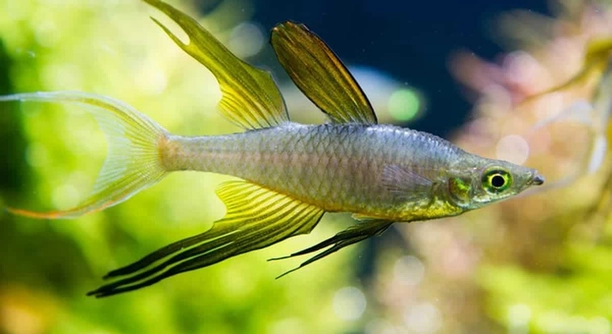
Threadfins are fascinating fish that attract attention not only for their appearance but also for their unique reproductive behaviors. Observing subtle changes in their habits can reveal when they are ready to breed. These signs are often easy to spot with careful attention.
Several key indicators suggest breeding readiness in threadfins. Changes in coloration, increased activity, swelling of the abdomen, courtship displays, nest preparation behaviors, heightened feeding, and specific social interactions all serve as reliable clues that these fish are prepared to reproduce.
Recognizing these behaviors early helps ensure the proper care and environment for successful breeding. Paying attention to these clues can improve outcomes and overall fish health.
Coloration Changes
Threadfins often show noticeable shifts in their colors when approaching breeding readiness. Males tend to develop brighter hues, particularly along the fins and lateral line, signaling vitality and attracting females. Females may display subtle deepening of body tones, which indicates maturity and readiness to spawn. These color changes are gradual but distinct, often appearing alongside increased activity levels. Observing fish daily makes it easier to recognize these subtle transformations. It is important to note that stress or water quality issues can sometimes mimic color changes, so careful monitoring is essential. Providing a stable environment with consistent temperature, clean water, and adequate nutrition helps ensure that natural coloration shifts are genuine indicators of reproductive readiness. Recording these changes over time allows for a better understanding of individual fish patterns, which can improve breeding outcomes. Paying attention to these visual signals can prevent misinterpretation and unnecessary adjustments.
Color changes are one of the most visible and reliable signs of breeding readiness in threadfins.
Noticing color shifts early allows you to prepare the tank environment and adjust conditions to support successful spawning, ensuring both male and female threadfins thrive.
Increased Activity and Courtship
Threadfins often display heightened activity before spawning. Males may swim more vigorously, chase females, or perform elaborate fin displays. Females may respond with subtle movements or positioning that encourage male attention. This behavior indicates readiness and signals a period of reproductive interaction.
Observing these patterns closely helps in understanding fish compatibility and timing for breeding.
Increased activity is closely tied to hormonal changes in threadfins. Males often patrol territories or follow females, performing repeated display behaviors to demonstrate fitness. Females may become more selective, showing interest only in dominant males exhibiting these signs. Providing adequate space and hiding spots reduces stress and allows natural behavior to occur. Feeding schedules may need adjustment, as active fish require more energy. This period of heightened activity is temporary but crucial for successful reproduction. Documenting behavior patterns helps in identifying which pairs are likely to breed and ensures that tank conditions remain optimal throughout the process, supporting both fish health and reproductive success.
Swelling of the Abdomen
A noticeable swelling in the abdomen is a clear indicator that a threadfin female is ready to spawn. The enlargement is due to developing eggs and can be observed without close inspection, especially in healthy, well-fed fish.
Monitoring diet and water quality is crucial during this stage. Adequate protein intake supports egg development, while clean, well-oxygenated water reduces stress that could delay spawning. Males may also show subtle abdominal changes, though these are less pronounced. Recognizing this physical sign allows timely preparation of spawning areas, such as providing suitable substrates or nesting materials. Regular observation ensures any abnormal swelling from illness is not mistaken for reproductive readiness. Keeping a log of changes helps track individual readiness patterns and supports successful breeding management over time.
Swelling is often accompanied by slower movements or increased rest, as the fish conserve energy for spawning.
Female threadfins may also adjust their social behavior during this time, spending more time near hiding spots or specific areas of the tank. This ensures minimal stress and allows the eggs to develop fully before spawning, improving survival rates.
Nest Preparation Behaviors
Threadfins engage in nest preparation by clearing areas of the tank or rearranging substrates. Males may dig shallow pits or gather materials, signaling readiness to mate.
This behavior ensures that eggs have a safe place for development. Males are usually more active during nest preparation, defending the area from other fish. Providing natural or artificial substrates helps support these instincts. Females inspect nests and may select mates based on the quality of the prepared area. Observing these behaviors helps identify compatible pairs. Nest preparation is a reliable sign of imminent spawning and requires careful monitoring.
Ensuring stable water parameters, gentle lighting, and minimal disturbance during this phase supports natural breeding behavior and improves reproductive success. Tank setup can significantly influence how comfortable fish feel while preparing nests, so attention to details like substrate type and spacing is important. These behaviors, combined with color changes and activity levels, provide a clear picture of breeding readiness and allow better planning for egg collection and care.
Heightened Feeding
Threadfins often increase their food intake as breeding approaches. Both males and females need extra energy to support reproductive activities, making feeding behavior a useful indicator of readiness.
Providing high-quality, protein-rich food during this period supports egg development and overall stamina, ensuring fish maintain health while preparing for spawning.
Specific Social Interactions
During breeding readiness, threadfins show distinct social behaviors. Males may follow females closely, display fins, or nudge gently to encourage interaction. Females respond selectively, often positioning themselves near preferred males. Observing these patterns helps determine compatibility and readiness.
These social cues reduce aggression and guide natural pairing. Understanding interactions allows better tank management, ensuring dominant males do not stress others and that compatible pairs have space to interact. Social behavior monitoring is essential for identifying the right time for successful spawning, supporting both fish health and reproductive outcomes.
Courtship Displays
Threadfin males perform elaborate movements and fin displays to attract females. These behaviors signal strength and readiness for mating.
Courtship displays are temporary but critical, often peaking just before spawning occurs.
FAQ
How can I tell if my threadfin is ready to breed?
You can look for several signs that indicate breeding readiness. Color changes, swelling of the abdomen, heightened feeding, increased activity, nest preparation, and courtship displays are the most reliable indicators. Observing these behaviors consistently will help confirm that both males and females are ready.
What kind of environment do threadfins need for breeding?
A stable and clean environment is essential. Maintain consistent water temperature and quality, provide proper filtration, and ensure adequate space for movement. Substrates or materials for nest preparation are helpful. Minimal disturbances during this period support natural breeding behavior and reduce stress for both males and females.
How often should I feed threadfins before breeding?
Feeding should be frequent but controlled. Offering high-protein foods two to three times daily helps support energy levels and egg development. Avoid overfeeding, as leftover food can degrade water quality, creating stress and impacting reproductive behavior.
Do males and females show the same signs?
Not exactly. Males usually display brighter colors, increased activity, and courtship behaviors, while females show abdominal swelling and may become more selective in social interactions. Observing both genders helps in planning tank conditions and pairing for successful breeding.
Can stress affect breeding readiness?
Yes, stress can delay or prevent breeding. Factors like poor water quality, overcrowding, sudden temperature changes, or aggressive tankmates may interfere with reproductive behaviors. Keeping a calm, stable environment ensures that natural cues for breeding are not disrupted.
How long does it take for threadfins to show readiness signs?
The timeline varies depending on age, health, and environment. Some fish may display subtle signs over a week, while others may take several weeks. Consistent observation and recording of behaviors help in identifying patterns for each individual fish.
Should I separate males and females before breeding?
It is not always necessary, but in some cases, separating them temporarily can reduce stress or prevent aggression. Introducing them gradually in a prepared environment increases the likelihood of successful courtship and spawning.
What do I do if my fish show color changes but no nest preparation?
Color changes alone are not a guarantee of breeding readiness. Observe other behaviors such as activity, feeding, and social interactions. Ensuring optimal water conditions and providing substrates for nest preparation can encourage the fish to progress to spawning behavior.
How can I ensure successful spawning once readiness is observed?
Maintain stable water parameters, provide appropriate nutrition, minimize disturbances, and monitor social interactions closely. Supporting natural behaviors like nest building and courtship displays increases the chance of successful egg laying and fertilization.
Is it possible for some threadfins to be ready but not spawn?
Yes, readiness does not always lead to spawning. Factors like stress, lack of compatible mates, or unsuitable environmental conditions may prevent actual reproduction. Observing multiple readiness signs together increases confidence that spawning is likely to occur.
Can I encourage breeding in a home aquarium?
Yes, by maintaining optimal water quality, proper nutrition, and providing a suitable tank setup with enough space and hiding spots. Observing behavior and responding to natural cues like nest building and courtship displays can support breeding without forcing it.
How important is monitoring feeding during this period?
Feeding is crucial. Both overfeeding and underfeeding can impact reproductive health. Proper nutrition ensures energy for courtship, nest preparation, and egg development, supporting overall fish health and increasing the chances of successful breeding.
What are common mistakes to avoid during breeding readiness?
Common mistakes include overcrowding, frequent disturbances, inconsistent water conditions, poor nutrition, and ignoring social cues. Each of these factors can stress the fish and disrupt natural reproductive behaviors, reducing the likelihood of successful spawning.
Can breeding readiness signs differ between species of threadfins?
Yes, while many signs like color changes, activity, and nesting behaviors are common, specific patterns may vary by species. Observing the unique behaviors of your fish and adapting tank conditions accordingly ensures proper support for breeding.
How long do threadfins remain in a breeding-ready state?
The period varies but usually lasts a few days to a couple of weeks. During this time, monitoring behaviors and maintaining optimal conditions is key, as delaying attention can result in missed spawning opportunities.
What should I do if aggression occurs during readiness?
Aggression is common, especially among males. Providing hiding spots, enough space, and monitoring interactions closely helps reduce stress. In extreme cases, temporary separation may be necessary to protect both males and females.
Is there a visual checklist for breeding readiness?
Yes. Key indicators include vibrant coloration in males, abdominal swelling in females, increased feeding, activity changes, nest preparation, and courtship displays. Tracking these signs together provides a clear picture of readiness and timing for spawning.
How do I know if eggs are fertilized?
Fertilized eggs typically appear clear or slightly opaque and adhere to the prepared substrate. Observing male behavior, such as guarding or fanning the eggs, also indicates successful fertilization. Unfertilized eggs may turn white or become cloudy and require removal.
Can I breed threadfins without observing all readiness signs?
Technically possible, but the likelihood of success is lower. Observing multiple readiness indicators ensures better timing, reduces stress, and increases the chance of healthy spawning and fertilization.
What is the best way to record and track breeding readiness?
Keeping a daily log of coloration, activity, feeding, social interactions, nest preparation, and abdominal changes provides useful data. Over time, this helps identify individual patterns, anticipate breeding behavior, and optimize tank management for successful spawning.
Final Thoughts
Understanding breeding readiness in threadfins requires careful observation of several subtle but reliable signs. These include color changes, swelling of the abdomen, heightened feeding, increased activity, nest preparation, and courtship behaviors. Each sign provides insight into the reproductive state of the fish, and observing them together allows for a clear assessment of readiness. Paying attention to these cues ensures that males and females are given the right conditions to breed naturally, which is essential for their overall health and well-being. It also helps avoid unnecessary stress caused by misinterpreting behavior or rushing the breeding process. Consistency is key, as threadfins can respond differently depending on age, health, and environmental factors. Tracking behaviors over time creates a better understanding of individual patterns, making it easier to support successful spawning when the fish are ready.
Maintaining a stable and suitable environment is equally important as observing these signs. Water quality, temperature, tank size, and the availability of substrates for nest building all influence breeding outcomes. Providing a quiet, low-stress environment encourages natural behaviors and helps prevent aggression among tankmates. Proper nutrition also plays a critical role, as both males and females need sufficient energy to perform courtship behaviors and support egg development. Feeding high-quality, protein-rich foods in controlled amounts contributes to overall health while preparing the fish for reproduction. Observing feeding behavior can also serve as a secondary indicator of readiness, as an increase in appetite often coincides with hormonal changes leading to spawning. Consistently monitoring these factors creates a supportive environment where breeding can occur more reliably and naturally, reducing complications and promoting the well-being of all fish involved.
Finally, patience and careful attention are essential for successful breeding in threadfins. Not all signs will appear simultaneously, and some fish may require longer periods to display readiness. Observing social interactions, courtship displays, and changes in behavior over time provides valuable information for pairing and timing the breeding process. Intervening too early or making sudden changes can disrupt natural instincts and reduce the likelihood of successful spawning. By combining careful observation, proper nutrition, stable environmental conditions, and minimal disturbances, it is possible to support threadfins through the entire reproductive cycle effectively. Taking a methodical and patient approach ensures that both male and female fish remain healthy, reduces stress, and increases the chances of successful reproduction. These practices create a positive environment for breeding while maintaining overall tank stability, which benefits all inhabitants and contributes to long-term fish care success.

Hello,
If you enjoy the content that we create, please consider saying a "Thank You!" by leaving a tip.
Every little bit helps us continue crafting quality advice that supports the health, happiness, and well-being of pets around the world, for pets of all shapes, sizes, and species.
We really appreciate the kindness and support that you show us!