
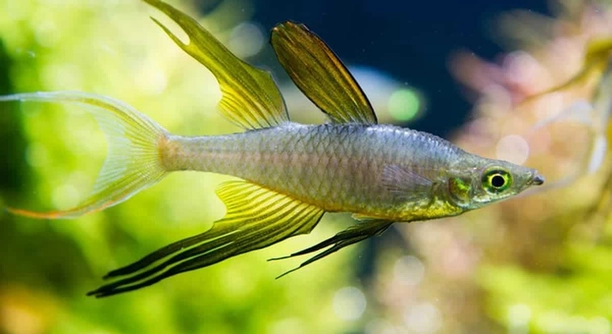
Are your Threadfin Rainbowfish swimming in their usual vibrant patterns, yet you notice subtle changes in their behavior? Breeding these fish requires attention to detail and awareness of their physical and social cues. Observing closely can help.
A Threadfin Rainbowfish is ready to breed when males display intensified coloration, females appear plump with developing eggs, and both show increased activity and courtship behaviors. Monitoring tank conditions and fish interactions is essential for successful reproduction.
Understanding these signs will make it easier to prepare their environment and support a healthy breeding process for your rainbowfish. Correct timing ensures better results and healthier fry.
Recognizing Physical Signs of Breeding Readiness
Male Threadfin Rainbowfish often display brighter, more intense colors when ready to breed. Their fins may lengthen slightly, and iridescence becomes more noticeable. Females, in contrast, show a rounded belly indicating developing eggs. Observing these changes over several days is important because signs can be subtle. Tank conditions, including water temperature and cleanliness, directly affect their readiness. Healthy fish display energetic swimming patterns, often near the top or middle of the tank. Pairing behavior also emerges, with males gently nudging females or positioning themselves nearby. Proper nutrition enhances physical traits and encourages spawning behavior. Feeding a varied diet of live or frozen foods helps strengthen both coloration and reproductive health. Monitoring fish daily allows adjustments to tank settings, ensuring optimal conditions for breeding. Paying attention to these physical and behavioral cues gives a clear indication of when it is the right time to begin the breeding process.
Observing both male and female changes together gives a better understanding of readiness.
Consistent monitoring over several weeks ensures accurate timing. Documenting behaviors and noting physical developments help track progression. Adjusting water parameters gradually supports natural breeding instincts. Avoid overcrowding, as stress can inhibit reproductive behavior. Adequate hiding spots and plants provide comfort, reducing aggression. Maintaining clean water minimizes disease risk and increases egg viability. Balanced nutrition strengthens both males and females, encouraging successful mating. Observing interactions between multiple fish can reveal the healthiest pairs. Even subtle gestures, like fin displays or chasing, indicate readiness. Recording patterns helps anticipate spawning days, allowing preparation for egg collection or fry care. Environmental consistency reinforces natural instincts, increasing the likelihood of successful breeding.
Behavioral Cues That Indicate Readiness
Male courtship behaviors, such as chasing or displaying fins, are clear signs of breeding readiness. Females often respond by swimming slowly or hiding.
Males establish small territories or display near plants to attract females. They may repeatedly circle or hover around a chosen area. Females’ receptiveness can be seen through their tolerance of these displays, often remaining in the vicinity rather than swimming away. Pairing is sometimes temporary, requiring careful observation to identify which fish are compatible. Social interactions intensify, with males frequently nudging or following females, signaling spawning intent. Increased swimming activity, particularly near the water surface, indicates higher energy levels connected to reproductive readiness. Monitoring these behavioral patterns allows for predicting breeding events and adjusting tank conditions to support spawning. Timing feedings before peak activity can also encourage courtship. Observing consistently helps prevent misinterpretation of aggressive behavior as mating attempts. These behavioral cues, combined with physical changes, form a reliable guide to determining the right moment to introduce breeding measures.
Preparing the Tank for Breeding
Keeping water clean and stable is essential for breeding Threadfin Rainbowfish. Slightly warmer temperatures around 78–82°F help encourage spawning. Adding fine-leaved plants or spawning mops provides secure places for eggs. Avoid overcrowding to reduce stress and aggression among fish.
Gradually adjusting the tank’s environment supports natural breeding behavior. A moderate current and well-oxygenated water are beneficial, as they mimic natural habitats. Light levels should be consistent to maintain a stable day-night cycle. Removing aggressive tankmates prevents interference with courtship. Providing hiding spaces ensures females feel safe, which is crucial for egg-laying. Regular partial water changes maintain water quality, reducing the risk of disease. Feeding small, frequent portions of high-quality live or frozen foods improves overall health and encourages readiness to breed. Observing fish behavior during these adjustments helps fine-tune conditions, creating an optimal environment for successful spawning.
Balancing diet, water parameters, and tank layout directly impacts breeding success. Paying close attention to minor behavioral changes informs timely interventions. A well-prepared tank ensures eggs are laid safely and fry have higher survival chances.
Timing the Spawning Process
Threadfin Rainbowfish typically spawn in the morning when water conditions are stable and food is plentiful. Observing courtship behaviors helps predict the exact timing.
Courtship usually begins a few days before spawning, with males displaying brighter colors and actively pursuing females. When females appear receptive, eggs are scattered among plants or spawning mops. Removing adult fish after spawning prevents egg predation. Consistent feeding and water management during this period are crucial, as stress or poor nutrition can delay or prevent spawning. Recording the timing of previous spawning events helps anticipate future cycles. Maintaining a calm environment reduces disturbances, allowing fish to focus on reproduction. By monitoring behavioral patterns and environmental cues, breeders can plan interventions like egg collection or tank adjustments more effectively. Regular observation ensures that spawning occurs under optimal conditions, increasing the likelihood of viable fry and a successful breeding outcome.
Collecting and Protecting Eggs
Eggs should be collected soon after spawning to prevent adults from eating them. Using a fine net or gently removing the spawning mop works well. Handle eggs carefully to avoid damage and stress.
Place collected eggs in a separate container with similar water conditions as the main tank. Maintaining stable temperature and clean water is essential for healthy development. Avoid direct sunlight or strong currents that could harm the eggs. Checking daily for unfertilized or fungus-infected eggs helps maintain a safe environment. Using gentle aeration encourages oxygen circulation, supporting proper embryo growth until hatching.
Incubation Period
Threadfin Rainbowfish eggs usually hatch within seven to ten days. Water temperature and quality directly affect development speed and survival rates. Proper incubation conditions increase fry viability.
Feeding the Fry
Once hatched, fry require tiny foods like infusoria or newly hatched brine shrimp. Feeding small amounts multiple times a day ensures proper growth.
FAQ
How can I tell if my Threadfin Rainbowfish is a male or female?
Males are generally more colorful with longer, flowing fins, especially during breeding periods. Females appear rounder and less vibrant, particularly when carrying eggs. Observing swimming behavior can also help: males tend to chase females or display near plants, while females remain more cautious.
What is the ideal tank setup for breeding?
A tank between 20–30 gallons with fine-leaved plants or spawning mops works best. Water should be slightly warmer, around 78–82°F, with stable parameters and gentle filtration. Overcrowding should be avoided, and hiding spots are important to reduce stress and protect females. Regular partial water changes maintain quality.
How often do Threadfin Rainbowfish spawn?
Spawning frequency depends on age, health, and tank conditions. Healthy fish may spawn every 7–10 days under optimal conditions. Consistent feeding, clean water, and a calm environment encourage regular breeding cycles. Tracking behavior and previous spawning events helps predict future spawning times.
What should I feed the breeding pair?
A varied diet of live or frozen foods such as brine shrimp, daphnia, or bloodworms improves coloration and reproductive health. Feeding small amounts multiple times a day ensures fish receive adequate nutrition without fouling the water. High-quality flakes or pellets can supplement the diet but should not replace live foods entirely.
When should I remove the adults from the eggs?
Adults should be removed shortly after spawning. Threadfin Rainbowfish may eat their eggs if left in the main tank. Using a separate container or tank for eggs ensures higher survival rates. Handling eggs gently prevents damage and stress, which can reduce hatching success.
How do I care for the eggs during incubation?
Maintain stable water temperature and quality. Use gentle aeration to provide oxygen without disturbing the eggs. Check daily for unfertilized or fungus-infected eggs and remove them to protect healthy embryos. Avoid exposing eggs to strong currents or direct sunlight, which can hinder development.
How long does it take for the eggs to hatch?
Under optimal conditions, eggs typically hatch within seven to ten days. Slight changes in temperature can accelerate or slow the process. Observing eggs daily allows early detection of any issues, ensuring a higher hatching rate and healthier fry.
What do I feed the fry after hatching?
Fry require very small foods like infusoria, liquid fry food, or newly hatched brine shrimp. Feeding small amounts multiple times a day promotes steady growth. As they grow, gradually introduce finely crushed flakes or micro-pellets. Clean the tank regularly to maintain water quality and prevent health issues.
Can I breed Threadfin Rainbowfish with other species?
It is not recommended to breed them with other species. Crossbreeding may result in infertile or weak offspring. Keeping pairs or small groups of the same species ensures healthier fry and predictable behavior patterns. Maintaining species-specific conditions is crucial for successful breeding.
What common problems should I watch for during breeding?
Common issues include stressed or aggressive adults, poor water quality, and fungus on eggs. Overcrowding or insufficient hiding spots can inhibit spawning. Nutrition deficiencies may reduce fertility or delay spawning. Regular observation and adjustments to water, diet, and tank layout help prevent these problems.
How do I know if my fry are healthy?
Healthy fry are active, swimming freely, and showing growth each day. They respond to food quickly and do not display abnormal behavior like lethargy or erratic swimming. Consistent feeding, clean water, and stable conditions are key indicators of healthy development.
Can I speed up the breeding process?
While some factors can encourage breeding, such as stable temperatures, clean water, and high-quality nutrition, rushing the process can stress fish. Observing natural readiness and responding with proper care is more effective than forcing conditions. Patience ensures healthier eggs and fry.
How many eggs can I expect from a single spawn?
A female can lay anywhere from 50 to 200 eggs per spawning event, depending on age, size, and health. Younger or smaller females produce fewer eggs. Tracking egg production over time helps gauge overall reproductive health and guides adjustments to diet or tank conditions.
What should I do if eggs do not hatch?
Unfertilized or fungus-infected eggs often fail to hatch. Remove affected eggs to protect the rest. Check water conditions, temperature, and adult health to identify causes. Ensuring proper nutrition and tank preparation for future spawning improves the chances of successful hatching.
Is it necessary to separate male and female after spawning?
Separation is only necessary for protecting eggs. Adults can remain together otherwise, but overcrowding may increase stress and reduce spawning success. Observing interactions helps determine if temporary separation is beneficial for the pair or the safety of the eggs.
How long does it take for fry to grow into adult fish?
Fry usually reach sexual maturity within 6–8 months under optimal conditions. Growth rate depends on diet, water quality, and tank space. Providing high-quality food, stable water parameters, and a safe environment ensures steady development and healthy adult fish.
Final Thoughts
Breeding Threadfin Rainbowfish can be a rewarding experience when approached with patience and care. Understanding their physical and behavioral cues is the first step toward a successful breeding process. Males display brighter colors and extended fins, while females become rounder when carrying eggs. Observing these subtle changes allows you to time breeding efforts correctly. Environmental conditions, such as water temperature, quality, and tank layout, directly influence their readiness and willingness to spawn. Maintaining a stable and clean environment reduces stress and supports natural breeding instincts. Paying close attention to both the male and female ensures that you are prepared to provide the right conditions at the right time. This preparation not only encourages successful spawning but also promotes the overall health of your fish.
Once the eggs are laid, proper care during the incubation period is crucial. Collecting and protecting the eggs from potential predation by adult fish increases survival rates significantly. A separate container or carefully monitored area of the tank allows you to maintain stable water conditions, which supports proper embryo development. Gentle aeration and regular monitoring for fungus or unfertilized eggs are simple but effective ways to ensure most of the eggs develop into healthy fry. Maintaining consistent feeding schedules and water quality during this period also contributes to stronger, more active fry. By carefully observing the eggs and intervening only when necessary, you give the fry the best chance of surviving and thriving. Understanding these steps allows for better control over the breeding process and minimizes the risk of losing eggs due to environmental or behavioral issues.
Feeding and nurturing fry require attention and patience, but it is a crucial part of the breeding cycle. Newly hatched fry need tiny foods such as infusoria or newly hatched brine shrimp to support rapid growth. Small, frequent feedings ensure that all fry have access to nutrition without polluting the water. Gradually introducing finely crushed flakes or micro-pellets as the fry grow helps them transition to adult diets smoothly. Observing their activity and growth patterns allows you to adjust feeding and tank conditions appropriately. Over time, consistent care and proper management result in healthy juvenile fish that develop normal behaviors and vibrant coloration. Following these practices ensures the long-term health and reproductive potential of your Threadfin Rainbowfish, providing a satisfying and educational experience for anyone committed to their care.

Hello,
If you enjoy the content that we create, please consider saying a "Thank You!" by leaving a tip.
Every little bit helps us continue crafting quality advice that supports the health, happiness, and well-being of pets around the world, for pets of all shapes, sizes, and species.
We really appreciate the kindness and support that you show us!