
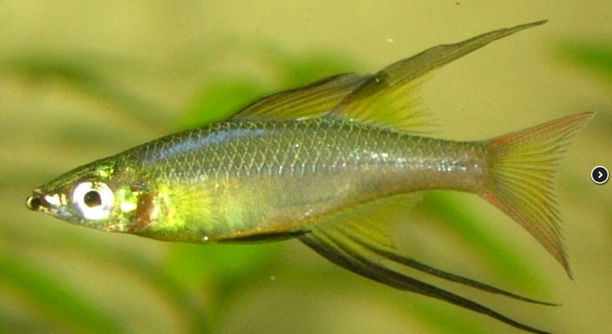
Threadfin Rainbowfish are beautiful, small freshwater fish often admired for their shimmering colors. Many aquarists enjoy keeping them in home tanks, but these fish sometimes act strangely when the lights are on, staying hidden for long periods.
Threadfin Rainbowfish commonly hide under plants, decorations, or rocks when lights are on due to stress, environmental changes, or their natural instinct to avoid predators. Light intensity, water conditions, and social dynamics within the tank significantly influence their behavior.
Observing their hiding patterns can reveal important insights into their comfort and overall well-being in the aquarium environment. Understanding these behaviors helps ensure a healthier, more balanced habitat for your fish.
Bright Tank Lights
Many Threadfin Rainbowfish react strongly to bright lighting in the aquarium. Strong overhead lights can feel overwhelming and create a sense of exposure, triggering their instinct to seek shelter. In natural habitats, these fish are used to diffused sunlight filtering through plants, not direct illumination. When lights are suddenly turned on, their eyes adjust slowly, making them feel unsafe. This response is a defensive behavior rather than a sign of illness or distress. Over time, frequent exposure to intense lighting may cause prolonged hiding, reduced activity, or even impact their appetite. Providing shaded areas using floating plants or tank decorations can help them feel more secure. Gradually introducing lighting changes allows the fish to acclimate without stress. Adjusting light intensity and duration also mimics natural conditions, supporting their natural rhythm and comfort. Observing how they respond to light can guide tank setup for a healthier, calmer environment.
Bright lights often make Threadfin Rainbowfish hide because it triggers their natural instinct to stay safe from potential threats.
Providing dimmer lighting or shaded spots can encourage them to explore, improving activity and feeding patterns.
Tank Decorations and Hiding Spots
Hiding spots are essential for Threadfin Rainbowfish, as they offer security and reduce stress levels. Rocks, plants, and driftwood create areas where fish can retreat when lights are on. Without these features, the fish may feel exposed, leading to constant hiding or skittish behavior. Decorations also support territorial behavior and allow fish to establish comfortable spaces, improving social interactions in the tank. Live plants not only provide shelter but also help maintain water quality and oxygen levels, creating a healthier environment overall. Additionally, having multiple hiding areas ensures that shy or smaller fish do not get bullied by more dominant tank mates. Careful placement of decorations near the bottom and mid-levels of the tank allows the fish to choose how exposed they feel. Observing which spots they prefer can help refine tank layout. Regularly rotating decorations or adding new elements keeps the environment stimulating while maintaining a sense of safety.
Strategically placing decorations can reduce hiding and help Threadfin Rainbowfish feel secure while lights are on.
Water Quality
Threadfin Rainbowfish are sensitive to water conditions. Poor water quality, such as high ammonia or nitrite levels, can make them hide more frequently when lights are on.
Maintaining proper water parameters is essential for their well-being. These fish thrive in clean, slightly alkaline water with stable temperature and pH. Fluctuations in temperature or sudden changes in water chemistry can cause stress and trigger hiding behaviors. Regular water testing, partial water changes, and careful monitoring of filtration systems help maintain a stable environment. Stress from poor water quality can also weaken their immune system, increasing susceptibility to disease. Paying attention to water clarity, oxygen levels, and chemical balance ensures the fish feel safe and comfortable.
Even subtle imbalances, such as leftover food or decaying plants, can increase hiding tendencies. Keeping the tank clean and monitoring water chemistry helps the fish remain active and confident. Regular maintenance makes a noticeable difference in their overall behavior and reduces excessive retreating when lights are on.
Tank Mates
Aggressive or overly active tank mates can cause Threadfin Rainbowfish to hide more often. Shy fish may retreat when faced with competition or bullying.
Selecting compatible species is crucial. Peaceful, similarly sized fish reduce stress and allow Threadfin Rainbowfish to feel secure. Crowded tanks can also contribute to hiding, as limited space restricts their movement and safe zones. Properly spaced decorations and plants give them areas to retreat without conflict. Observing social dynamics is important, as even minor aggression can trigger repeated hiding. Over time, stress from unsuitable tank mates can impact feeding habits and growth, making careful selection and observation essential for maintaining a balanced aquarium.
Ensuring a harmonious environment involves monitoring fish interactions, avoiding aggressive species, and adjusting tank layout to provide safe areas. Creating visual barriers and adding plants reduces stress from dominant fish. Balanced group sizes and proper spacing allow Threadfin Rainbowfish to swim freely, explore, and feel safe. Paying attention to their behavior with other fish ensures a calm, stable tank where hiding becomes occasional rather than constant.
Sudden Movements
Threadfin Rainbowfish often hide when there are sudden movements near the tank. Quick gestures or tapping on the glass can startle them and trigger their instinct to retreat.
Keeping a calm and predictable environment helps reduce hiding. Minimizing abrupt actions around the aquarium encourages the fish to feel safe and explore freely.
Feeding Times
Threadfin Rainbowfish may hide if they are not comfortable with the timing or method of feeding. Uneven feeding schedules or sudden food drops can make them cautious. Regular, gentle feeding promotes confidence, allowing the fish to associate mealtime with safety and security.
Nighttime Adjustment
These fish naturally adjust to low-light conditions at night. Gradually dimming the lights before turning them off helps them feel secure and reduces stress.
FAQ
Why do Threadfin Rainbowfish hide only when lights are on?
Threadfin Rainbowfish have a natural instinct to avoid exposure under bright light. In their natural habitats, sunlight is often filtered through plants or water surfaces. Bright, direct light in a home aquarium can feel overwhelming, triggering stress and prompting them to seek shelter. They feel safest under plants, decorations, or near the tank bottom where shadows provide security.
Can adjusting tank lighting reduce hiding behavior?
Yes. Gradually increasing light intensity in the tank allows the fish to acclimate more comfortably. Using dimmers or timers can help create a predictable day-night cycle. Adding floating plants or decorations provides shaded areas, giving the fish a choice of exposure and encouraging exploration. Consistent lighting patterns help reduce stress over time.
Does water quality affect their hiding habits?
Absolutely. Poor water conditions, such as high ammonia, nitrite, or sudden pH fluctuations, cause stress and can increase hiding. Maintaining stable temperature, proper filtration, and regular water changes ensures the fish feel safe. Even small impurities, leftover food, or decaying plants can make them more likely to retreat.
Do tank mates influence hiding behavior?
Yes. Aggressive or overly active tank mates can intimidate Threadfin Rainbowfish, causing them to hide frequently. Choosing peaceful, similarly sized species reduces stress. Proper spacing of decorations and plants provides safe zones, allowing shy fish to retreat without conflict. Observing interactions helps maintain a calm, balanced tank environment.
Can feeding habits change their willingness to hide?
Feeding schedules and methods can influence confidence. Fish may hide if food is dropped suddenly or if they feel threatened during mealtime. Consistent, gentle feeding encourages exploration. Offering food in areas near hiding spots initially can help them associate feeding with safety, gradually building their comfort in open areas.
Will sudden movements around the tank make them hide?
Yes. Threadfin Rainbowfish are sensitive to sudden movements or tapping on the glass. They interpret these actions as potential threats. Minimizing abrupt gestures and approaching the tank calmly encourages them to swim freely and reduces stress-induced hiding. Over time, they become more confident in their surroundings.
Do decorations help reduce hiding?
Definitely. Rocks, plants, and driftwood provide retreat areas that mimic natural habitats. Multiple hiding spots reduce territorial stress and give each fish space. Live plants are particularly useful, offering shelter and improving water quality. Observing which areas the fish prefer helps optimize tank layout for comfort and activity.
Does hiding mean the fish are sick?
Not necessarily. While excessive hiding can sometimes indicate illness, Threadfin Rainbowfish also hide due to stress, lighting, or social dynamics. Monitoring for additional symptoms such as lethargy, loss of appetite, or visible signs of disease is important. Addressing environmental factors usually reduces hiding without medical intervention.
Can gradual light changes improve their behavior?
Yes. Dimming lights before turning them off at night or gradually increasing brightness in the morning helps fish adjust naturally. Predictable light changes reduce stress, improve activity levels, and encourage the fish to explore open areas instead of staying hidden constantly.
How long does it take for them to feel comfortable?
Adjustment times vary depending on individual temperament and tank conditions. With consistent care, stable water quality, compatible tank mates, and proper lighting, most Threadfin Rainbowfish become more confident within a few weeks. Patience and observation are key to ensuring their comfort and overall well-being.
This FAQ provides practical solutions to understand why Threadfin Rainbowfish hide when lights are on, helping aquarists create a safer, calmer, and healthier tank environment. By addressing lighting, water quality, tank mates, and feeding routines, these fish can feel secure and thrive.
Final Thoughts
Threadfin Rainbowfish are naturally cautious and sensitive fish. Their tendency to hide when lights are on is often a normal behavior rather than a sign of serious problems. This instinct comes from their need to feel safe and protected. In the wild, these fish live in environments with shaded areas and hiding spots. Bright light, sudden movements, or unfamiliar surroundings can trigger their instinct to retreat. Observing their behavior carefully helps aquarists understand what makes them comfortable and what causes stress. Providing an environment that mirrors natural conditions, including plants, decorations, and moderate lighting, can significantly reduce hiding behavior. Small adjustments in the aquarium setup can make a noticeable difference in how often and how long they stay hidden. It is important to remember that each fish has its own personality. Some may naturally be more timid, while others are more curious and bold. Patience and careful observation are essential when trying to make a shy fish feel secure.
Maintaining proper water quality is also a critical factor in helping Threadfin Rainbowfish feel safe and active. These fish are sensitive to changes in water chemistry, including ammonia, nitrites, nitrates, pH, and temperature. Even minor fluctuations can cause stress, leading to prolonged hiding. Regular water testing, partial water changes, and maintaining a consistent temperature can create a stable environment that reduces anxiety. A clean tank with well-maintained filtration and minimal debris provides a healthier, more comfortable habitat. Proper feeding routines also play a role. Fish that are fed consistently and gently tend to associate mealtime with safety, which encourages them to venture out of hiding more often. Over time, a combination of stable water conditions, appropriate lighting, and secure hiding spaces builds confidence, allowing these fish to become more active and interactive within the tank.
Tank mates and social dynamics have a significant impact as well. Aggressive or overly active fish can cause stress, making Threadfin Rainbowfish retreat more often. Selecting peaceful species of similar size and temperament helps reduce tension in the aquarium. Placing decorations and plants strategically provides multiple safe zones, allowing shy fish to establish their own territory without constant threats. Observing interactions and adjusting tank layout as needed can prevent bullying and improve overall well-being. Gradual changes in lighting and predictable feeding schedules further enhance their sense of security. Understanding these behaviors and responding with appropriate adjustments ensures a calmer, healthier tank. Creating an environment that meets their needs allows Threadfin Rainbowfish to display their natural colors, swim actively, and thrive comfortably without excessive hiding. By paying attention to lighting, water quality, tank mates, and feeding, aquarists can support both the physical health and emotional well-being of these delicate, colorful fish.

Hello,
If you enjoy the content that we create, please consider saying a "Thank You!" by leaving a tip.
Every little bit helps us continue crafting quality advice that supports the health, happiness, and well-being of pets around the world, for pets of all shapes, sizes, and species.
We really appreciate the kindness and support that you show us!