
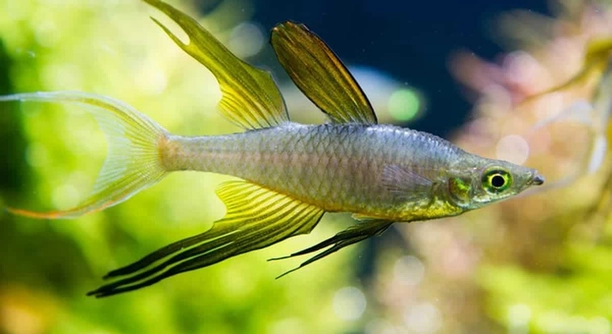
Have you ever noticed the calm behavior of threadfin rainbowfish as evening approaches? These small, colorful fish are often active during the day, yet their nighttime habits can be surprisingly consistent and predictable.
Threadfin rainbowfish generally select a preferred area within their habitat for resting each night. This behavior is influenced by factors such as shelter availability, water flow, and perceived safety, allowing them to maintain a consistent and secure sleeping location.
Observing their nightly routines can reveal interesting patterns and behaviors that are important for their overall care and well-being in captivity.
How Threadfin Rainbowfish Choose Their Sleeping Spot
Threadfin rainbowfish usually pick their sleeping spots based on safety and comfort. They prefer areas with some cover, such as plants, rocks, or aquarium decorations, where they can feel protected from potential threats. In community tanks, these fish often observe the activity of other species before settling in. Water flow and light levels also affect their choice, as calmer and slightly dimmer areas are more appealing. Over time, they tend to return to the same spots nightly, showing a clear pattern in their behavior. Observing them closely reveals that these resting locations are not random; the fish actively seek spots where they can conserve energy and reduce stress. Their natural instinct to find shelter and stay safe is strong, and it influences how they interact with the aquarium environment. This behavior also reflects their wild habits, where finding a secure resting place is essential for survival against predators.
Consistency in their sleeping spots indicates comfort and stability in their environment, which is crucial for their health.
Tracking their resting habits can help improve tank design and ensure all fish feel safe. Knowing preferred areas allows aquarists to place decorations strategically, reduce conflicts, and maintain proper water conditions. By providing multiple hiding spots and gentle water flow, you can support their natural tendencies. Regular observation helps identify changes in behavior, signaling potential stress or health issues.
Nighttime Behavior Patterns
Threadfin rainbowfish often remain still for long periods while resting.
At night, these fish exhibit calm, low-activity behavior. They may hover slightly above the substrate or within plant cover. Group dynamics influence their placement, as individuals may adjust to avoid crowding. During resting periods, subtle fin movements maintain balance, and occasional swimming occurs to reposition. This low-energy state helps conserve energy and supports digestion. Sleep-like behavior is also linked to environmental cues such as light levels and water temperature. Observing these patterns over several nights highlights their preference for consistency and safety. Changes in routine may indicate stress, illness, or unsuitable tank conditions. Recognizing these behaviors can improve care by allowing timely adjustments to lighting, hiding spaces, and tank mates, ensuring a secure and healthy environment. Proper understanding of their nighttime habits not only enhances well-being but also strengthens the connection between aquarist and fish, allowing for more informed decisions regarding tank setup and daily care routines.
Tips for Setting Up a Comfortable Sleeping Area
Providing plants or decorations gives threadfin rainbowfish a sense of security. Quiet corners with gentle water flow are ideal. Avoid placing strong currents near their resting spots, as it can disturb them. Observing where they naturally settle can guide placement of these features.
Choosing suitable materials for their sleeping areas is important. Soft plants, smooth rocks, and aquarium-safe ornaments reduce stress and prevent injuries. Multiple hiding spots allow each fish to find a personal area without competition. Proper lighting also matters—dim areas help simulate natural conditions and encourage restful behavior. Keeping water clean and stable supports their comfort and overall health, making them more likely to use the designated spots consistently.
Regularly monitoring their preferred locations helps maintain an environment they feel safe in. Adjust decorations or plants if fish avoid certain areas. Over time, small changes can improve their nightly routines. Ensuring accessibility and comfort can prevent conflicts among tank mates while supporting natural behavior. Observing how they interact with these areas provides insight into their preferences, helping optimize the tank for both security and relaxation.
Observing Nighttime Behavior Patterns
Threadfin rainbowfish usually reduce movement and stay near shelter at night. They may hover just above the substrate or cling to plants.
At night, they show subtle adjustments in position rather than full swimming bursts. They often remain in groups but maintain small distances to avoid crowding. Slight fin movements help them maintain balance while resting, and occasional repositioning occurs when one spot becomes less comfortable. Observing these patterns nightly reveals strong consistency in where each fish prefers to rest. Environmental cues such as dim lighting or calm water flow trigger these behaviors, which mimic their natural habitats. Disruptions in their routine may indicate stress or water quality issues.
Behavioral observation helps identify each fish’s comfort level and individual preferences. Some may favor open areas, while others prefer dense plant cover. Noting differences ensures all fish have access to suitable resting spots. Monitoring responses to environmental changes, such as new decorations or tank mates, can highlight potential issues early. Over time, observing their consistent patterns supports better tank management and promotes healthier, stress-free fish. Adjusting habitat elements to match these behaviors strengthens their overall well-being and natural instincts.
Common Sleeping Spots in Aquariums
Threadfin rainbowfish often rest among plants, rocks, or decorations. They choose spots that feel safe and allow them to stay out of strong currents.
Corners and areas with gentle lighting are preferred. Fish tend to return to the same locations each night, showing their need for consistency and security.
Factors Affecting Spot Selection
Several elements influence where threadfin rainbowfish sleep. Water flow, lighting, tank mates, and available shelter all play a role in their choice. Strong currents or overly bright areas may discourage resting in certain spots. Social dynamics also affect placement, as some fish avoid crowded areas. Observing their habits over time helps determine ideal conditions. Providing multiple safe areas ensures each fish has access to a comfortable spot. Consistent water quality and minimal disturbances reinforce their preference for specific locations. Understanding these factors allows aquarists to create a stable, secure environment that supports natural behavior patterns.
Adjusting the Environment
Adding plants or rearranging decorations can encourage resting in safer, calmer areas.
FAQ
Do threadfin rainbowfish always return to the same spot at night?
Threadfin rainbowfish generally show a strong preference for specific resting locations. These spots offer safety, comfort, and calm water conditions. While minor changes in the environment may temporarily shift their choice, most fish will return to their favored areas once conditions stabilize. Observing their behavior over several nights often reveals a clear pattern in preferred sleeping locations.
Can changing decorations disturb their sleeping habits?
Yes, rearranging plants, rocks, or other decorations can temporarily unsettle their routine. Threadfin rainbowfish rely on consistent environmental cues for security. Sudden changes may cause them to explore new spots or increase movement at night. Gradual adjustments, such as slowly introducing new hiding spots, reduce stress and allow the fish to adapt naturally without disrupting rest patterns.
Do they need multiple sleeping spots?
Providing multiple options benefits both single and community tanks. Fish may have personal preferences, and competition for limited areas can cause stress. Offering several locations with gentle water flow and light protection ensures all individuals have access to comfortable resting areas, reducing aggression and promoting natural behavior.
Are some spots better than others for their health?
Yes, spots with low current, soft plants, and smooth surfaces reduce stress and prevent injury. Locations with sufficient cover from light and other fish help maintain calmness. Choosing areas that mimic natural habitats encourages restful behavior, supports energy conservation, and promotes overall health.
How can I tell if my fish are stressed at night?
Signs include frequent movement, avoiding typical resting spots, or clustering tightly in one area. Some fish may hover in open areas instead of hiding, indicating discomfort. Changes in color or fin clamping can also signal stress. Monitoring nightly patterns helps identify issues early and allows timely adjustments to the tank setup.
Does water quality affect their sleeping behavior?
Absolutely. Poor water conditions, such as high nitrate levels or low oxygen, can cause restlessness and irregular sleeping patterns. Maintaining clean, stable water conditions with proper filtration and regular testing ensures that threadfin rainbowfish feel safe and comfortable in their preferred spots.
Do tank mates influence where they sleep?
Yes, the behavior and size of other fish impact resting choices. Aggressive or territorial species may force rainbowfish to relocate. Even active but non-aggressive fish can disturb preferred areas if space is limited. Providing sufficient hiding spots and considering social compatibility can reduce these conflicts.
How much light is appropriate for nighttime?
Dim lighting or darkness is best for restful behavior. Bright lights can prevent the fish from settling and increase stress. Using low-intensity night lights or turning off aquarium lights entirely encourages natural sleep patterns while still allowing occasional observation.
Should I move them if they sleep in inconvenient spots?
It’s better to adjust the environment rather than forcibly relocate the fish. Moving decorations to create calmer areas or adding cover encourages them to choose safer spots. Forcing relocation can increase stress and disrupt their natural routines, making the tank less comfortable overall.
Do they ever change sleeping spots naturally?
Yes, they may explore new areas occasionally, especially during growth or when their environment changes. However, they usually settle into a consistent location after adjustment. Observing these small changes can help aquarists understand preferences and refine tank arrangements for long-term comfort.
Is monitoring their nighttime behavior important?
Monitoring helps detect early signs of stress, illness, or environmental problems. Noticing patterns or deviations allows timely intervention, ensuring that fish remain healthy and comfortable. Observing quietly and consistently provides insight into preferences, social interactions, and overall well-being, helping maintain a stable and safe aquarium environment.
How long do they typically rest at night?
Threadfin rainbowfish usually rest for several hours during the night, reducing movement to conserve energy. The exact duration may vary depending on water temperature, light levels, and activity during the day. Providing a consistent environment encourages regular and adequate rest, supporting growth and vitality.
Can diet affect their sleeping patterns?
Yes, overfeeding or feeding late in the evening can disrupt rest. Digestive activity may keep fish more active than usual. Feeding smaller, timely meals earlier in the day supports normal nightly behavior and allows them to settle into preferred resting spots without disturbance.
Is it normal for some fish to sleep alone while others group together?
Yes, individual differences in behavior exist. Some fish prefer solitary resting spots while others cluster for safety or comfort. Observing these patterns ensures each fish has appropriate options and prevents conflict or stress in the tank.
Do stress or illness change their sleeping habits?
Yes, stressed or unwell fish may avoid usual resting areas, move frequently, or isolate themselves. Changes in nighttime behavior often signal underlying problems, making observation an essential part of maintaining a healthy aquarium. Addressing causes quickly can restore normal routines and comfort.
How can I encourage consistent resting behavior?
Maintaining stable water conditions, consistent lighting, and adequate hiding spots supports regular habits. Minimizing disturbances from tank maintenance or new introductions also helps. Gradual changes in the environment allow fish to adapt naturally, reinforcing comfort and security in their preferred locations.
Can temperature shifts affect where they sleep?
Yes, threadfin rainbowfish may move to areas with more comfortable temperatures. Sudden drops or rises can cause restlessness or relocation. Keeping temperature stable within the recommended range supports predictable resting behavior and reduces stress on the fish.
Do they interact at all while resting?
Occasionally, minimal interaction occurs, mostly for maintaining personal space or minor position adjustments. Social behavior decreases at night, with fish prioritizing energy conservation and safety. Grouped fish often hover near each other but remain largely stationary, highlighting the importance of shelter and calm conditions.
Is observation at night necessary if fish seem healthy?
Even if fish appear fine, nighttime monitoring can reveal subtle signs of stress or environmental issues. Observing patterns regularly ensures that changes in routine or habitat are noticed early, supporting proactive care and overall well-being.
Can lighting timers help maintain regular sleep patterns?
Yes, timers ensure consistent day-night cycles, which promote natural resting behavior. Predictable light schedules reduce stress, reinforce preferred sleeping locations, and encourage a stable routine. Combined with appropriate hiding spots, timers help create an environment where threadfin rainbowfish feel secure and comfortable consistently.
Final Thoughts
Threadfin rainbowfish have a natural instinct to find safe and comfortable places to rest at night. Their preference for consistent sleeping spots is not random but based on factors like shelter, water flow, and light levels. Fish that feel secure in their environment tend to settle in similar areas each night, demonstrating the importance of providing proper hiding spots in aquariums. Observing where they choose to sleep can give valuable insight into their well-being, helping aquarists ensure that tank conditions meet their needs. These habits are influenced by both environmental conditions and social interactions within the tank, making thoughtful placement of decorations, plants, and other structures important for a harmonious habitat.
Providing multiple resting areas is key, especially in community tanks. Each fish may have its own preference, and competition for limited spots can lead to stress or conflict. Soft plants, smooth rocks, and low-light corners make ideal locations, reducing the risk of injury and promoting calm behavior. Water quality also plays a significant role; clean, stable water supports overall health and encourages consistent resting patterns. Even small changes, such as adjusting light levels or moving decorations gradually, can improve comfort and reinforce natural behavior. By paying attention to these details, aquarists can create an environment that supports not only nighttime rest but overall energy conservation, growth, and vitality.
Observing the nighttime behavior of threadfin rainbowfish offers more than just insight into where they sleep. It can reveal patterns in social interactions, stress levels, and adaptability to environmental changes. Healthy fish will usually settle into their chosen spots and remain mostly still, while restless or ill fish may show irregular behavior or avoid their usual areas. Understanding these subtle cues allows aquarists to make informed decisions about tank management, including the placement of decorations, monitoring water conditions, and managing tank mates. Supporting their natural tendencies leads to healthier, more secure fish and a more stable, peaceful aquarium. By focusing on these aspects, maintaining consistent resting locations, and respecting their behavioral patterns, threadfin rainbowfish can thrive and display their natural colors and activity during the day while resting safely at night.

Hello,
If you enjoy the content that we create, please consider saying a "Thank You!" by leaving a tip.
Every little bit helps us continue crafting quality advice that supports the health, happiness, and well-being of pets around the world, for pets of all shapes, sizes, and species.
We really appreciate the kindness and support that you show us!