
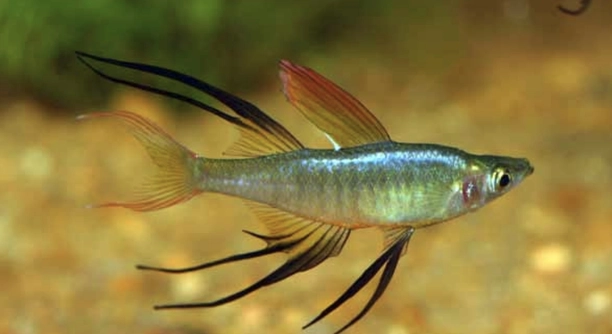
Threadfin Rainbowfish are colorful freshwater fish that brighten up any aquarium. Observing their behavior can be both fascinating and important, especially when it comes to maintaining harmony among the fish in your tank.
Threadfin Rainbowfish often show competition over territory through chasing, nipping, and displaying fin flares toward other fish. Recognizing these behaviors early can prevent injuries and reduce stress, promoting a balanced environment within the aquarium and ensuring healthier fish interactions.
Monitoring these subtle signs can help maintain a peaceful aquarium and protect your fish from unnecessary stress or conflict.
Recognizing Territorial Behavior in Threadfin Rainbowfish
Threadfin Rainbowfish often establish small territories within an aquarium, especially when the tank is densely populated or when resources like hiding spots and food are limited. Territorial behavior can appear as chasing, nipping, or fin displays aimed at other fish. Observing these behaviors consistently is important because prolonged aggression can lead to stress, loss of appetite, and even injuries. Males tend to be more dominant, especially during breeding periods, asserting control over certain areas to attract females. Physical signs, like torn fins or faded colors, often indicate ongoing disputes. Even subtle shifts in swimming patterns or sudden bursts of speed toward another fish can signal competition over space. Providing enough plants, decorations, or hiding spots helps diffuse tension. Additionally, monitoring the layout of your tank can prevent a single fish from becoming overly dominant. Understanding these behaviors improves both fish health and your enjoyment of observing them.
Territorial disputes are most noticeable during feeding times or when introducing new fish to the tank.
Creating multiple areas for hiding and swimming can reduce stress and limit confrontations among your Threadfin Rainbowfish, promoting a more balanced aquarium environment.
Factors That Increase Competition
Limited space and overcrowding often trigger territorial disputes in Threadfin Rainbowfish.
When the aquarium lacks adequate space, Threadfin Rainbowfish naturally compete for the best areas to rest, feed, and interact. Males may chase rivals from prime spots, and females can also show mild aggression to protect their preferred zones. Even minor imbalances in tank conditions, such as uneven plant coverage or poorly placed decorations, can exacerbate competition. Feeding routines play a role as well; if food is scarce or unevenly distributed, fish may compete more aggressively, leading to chasing and nipping. Seasonal changes or breeding behaviors can further intensify territorial instincts, especially when males display brighter colors and more assertive postures. Observing your fish regularly allows you to notice patterns of aggression before they escalate. Simple adjustments, like rearranging plants, adding hiding spots, or increasing feeding locations, can reduce tension. Maintaining a proper male-to-female ratio also helps, as too many males in a small space often increase competition. Consistency in tank maintenance and monitoring fish behavior ensures a healthier and calmer environment.
Signs of Aggression
Aggression in Threadfin Rainbowfish often shows through chasing, nipping, and sudden lunges at other fish. Males are usually more assertive, especially around breeding periods, and even subtle gestures like fin flaring can indicate rising tension in the tank.
Frequent chasing between fish usually signals that one is trying to establish dominance over a particular area. Nipping at fins can cause damage, which may lead to infections if left unchecked. Sudden changes in swimming patterns, such as darting or hiding more often, are also strong indicators. Even if aggression seems minor, it can escalate quickly if the aquarium setup does not allow for proper territory division. Adding decorations, plants, or hiding spots can reduce conflict, giving fish a sense of security. Observing feeding times is also key, as competition often intensifies when food is introduced. Identifying these behaviors early helps prevent stress and maintains a healthier environment for all fish.
Aggression can also be measured through color changes, as males often display brighter hues when asserting dominance or challenging rivals, making it easier to spot conflicts before they escalate.
Managing Tank Space
Overcrowding is a major factor contributing to territorial disputes in Threadfin Rainbowfish. Even a slight imbalance in fish density can lead to constant chasing and stress. Properly spacing decorations, plants, and hiding areas allows fish to establish separate zones and reduces competition.
When space is limited, dominant males may control the best areas, forcing others into less desirable spots. This can result in constant harassment and stress, weakening fish over time. Rearranging the tank layout periodically helps break established dominance patterns and gives all fish a chance to claim their own area. Providing vertical and horizontal spaces ensures that both bottom-dwelling and mid-swimming fish have options. Monitoring fish interactions allows you to notice which individuals are stressed and may need more space or hiding spots. Combining these adjustments with proper feeding routines reduces tension and promotes a calmer environment. Ensuring a balanced male-to-female ratio also limits excessive aggression, helping Threadfin Rainbowfish coexist peacefully and maintain healthier overall behavior.
Monitoring Feeding Behavior
Feeding times often reveal competition among Threadfin Rainbowfish. Fish that chase or block others from food are usually asserting dominance. Watching how each fish approaches meals helps identify which individuals are more aggressive.
Providing multiple feeding spots can reduce conflict. Spreading food across the tank ensures all fish get their share without constant chasing.
Using Tank Decorations
Strategically placed plants, rocks, and hiding spots help divide the aquarium into separate areas. Fish can claim their own space, which lowers tension and limits aggressive encounters. Proper layout allows shy fish to retreat while dominant fish patrol their preferred zones. This balance encourages healthier interactions and reduces stress overall.
Observing Swimming Patterns
Sudden bursts of speed, darting, or circling another fish often indicate territorial disputes. Keeping track of these patterns can help you intervene early and maintain harmony in the tank.
FAQ
How can I tell if my Threadfin Rainbowfish are competing for territory?
Signs of territorial competition include chasing, nipping, fin flaring, and sudden darting at other fish. Males are usually more dominant, especially during breeding. Changes in swimming patterns, hiding more often, or color intensification are strong indicators of conflict. Observing these behaviors helps prevent stress and injuries in your aquarium.
Why do male Threadfin Rainbowfish act more aggressively than females?
Males naturally establish dominance to attract females and control desirable areas in the tank. Aggression may increase during breeding periods or when the tank is crowded. Providing enough space, decorations, and hiding spots can help balance dominance and reduce conflicts between males and other fish.
Does tank size affect territorial behavior?
Yes. Smaller or overcrowded tanks often trigger disputes as fish compete for limited space. Larger tanks with multiple hiding spots and visual barriers allow fish to claim their own zones, reducing aggression. Proper layout, decorations, and spacing make a noticeable difference in calming territorial behaviors.
How do I prevent injuries from territorial fights?
Adding plenty of plants, rocks, and hiding spots gives fish room to escape. Ensuring multiple feeding areas prevents competition over food. Rearranging the tank periodically can break established dominance patterns. Keeping the male-to-female ratio balanced also reduces aggressive encounters, lowering the risk of stress-related injuries.
Can color changes indicate territorial disputes?
Yes. Male Threadfin Rainbowfish often display brighter colors when asserting dominance or challenging rivals. Observing these color shifts alongside chasing or fin flaring helps identify conflicts early. Quick intervention through environmental adjustments can prevent escalation.
How should I feed Threadfin Rainbowfish to reduce aggression?
Distribute food in multiple locations rather than a single spot. This prevents dominant fish from monopolizing meals and reduces chasing. Regular feeding schedules with proper portions keep all fish nourished and lower stress-related conflicts. Watching feeding behavior also reveals potential territorial tension.
Are certain decorations better for reducing disputes?
Dense plants, rocks, and caves create separate zones for fish to claim. Vertical and horizontal spaces allow shy fish to escape and dominant fish to patrol their preferred areas. A mix of hiding spots and open swimming areas balances activity and minimizes territorial stress in the aquarium.
Do territorial disputes affect fish health?
Yes. Constant stress from chasing or nipping can reduce appetite, weaken the immune system, and cause fin damage. Injuries may lead to infections. Early detection and environmental adjustments, such as more space or hiding areas, support healthier, calmer fish with better overall wellbeing.
Will adding more fish increase or decrease aggression?
It depends. Adding too many males can escalate disputes, while adding females or peaceful species may balance aggression. Maintaining an appropriate number of fish per tank size, along with sufficient hiding spots, ensures harmonious interactions without overcrowding or excessive competition.
How often should I monitor my fish for signs of competition?
Daily observation is ideal. Short checks during feeding and swimming periods reveal chasing, nipping, and unusual behavior. Early detection allows for adjustments in tank layout, hiding spots, or feeding routines, keeping your Threadfin Rainbowfish healthy and minimizing ongoing territorial conflicts.
Can rearranging the tank reduce aggression?
Yes. Periodically changing the placement of plants, rocks, and decorations disrupts established territories. This prevents dominant fish from monopolizing areas and encourages all fish to explore new zones. Rearranging also allows shy or stressed fish to claim space without being constantly challenged.
Is it normal for fish to chase each other occasionally?
Occasional chasing is natural as fish explore boundaries. However, repeated, aggressive chasing or fin nipping signals territory disputes. Monitoring patterns and providing environmental support can prevent stress and injuries, ensuring a healthier aquarium community.
How do breeding behaviors influence territorial disputes?
During breeding periods, males become more aggressive to attract females and defend preferred areas. This often intensifies chasing, color displays, and fin flaring. Offering extra hiding spots and visual barriers helps reduce tension and protects less dominant fish during these times.
What should I do if aggression escalates despite adjustments?
If conflicts continue, consider separating the most aggressive fish temporarily or permanently. Adding partitions or moving some fish to another tank can restore balance. Continuous monitoring, environmental changes, and proper feeding routines are key to maintaining harmony in the aquarium.
Can shy or smaller fish survive in a tank with aggressive Threadfin Rainbowfish?
Yes, with proper precautions. Providing ample hiding spots, visual barriers, and multiple swimming zones allows timid fish to avoid dominant individuals. Monitoring interactions and adjusting tank layout supports the wellbeing of all fish, ensuring both shy and assertive species coexist peacefully.
How do I know if fin damage is caused by aggression or disease?
Aggression-related damage usually appears as torn or frayed fins after chasing or nipping. Disease often shows additional symptoms like discoloration, fuzz, or spots. Observing fish behavior before and after injuries helps determine the cause and guides appropriate intervention.
Are there long-term effects of unresolved territorial disputes?
Yes. Chronic stress can lead to weakened immune systems, stunted growth, and reduced lifespan. Fish may also become more aggressive or withdrawn over time. Early identification of disputes and implementing preventive measures ensures healthier, longer-lived Threadfin Rainbowfish in the aquarium.
How can I encourage peaceful coexistence among my fish?
Maintaining proper tank size, balanced male-to-female ratios, adequate hiding spots, and multiple feeding areas promotes harmony. Monitoring interactions, adjusting the environment, and responding to early signs of conflict helps all fish coexist with minimal stress. A well-planned setup ensures a calmer, healthier aquarium community.
Final Thoughts
Threadfin Rainbowfish are lively and colorful additions to any freshwater aquarium. Their behavior can be fascinating to watch, but understanding their territorial instincts is important to keep them healthy and stress-free. These fish naturally establish areas within the tank, and recognizing signs of competition early can make a big difference in maintaining harmony. Observing behaviors like chasing, nipping, fin flaring, and sudden bursts of speed allows you to identify which fish are asserting dominance. Even subtle changes, such as a male displaying brighter colors or a fish hiding more often, indicate tension. Addressing these behaviors promptly can prevent injuries, reduce stress, and create a safer environment for all the fish. By taking the time to notice these small details, you can ensure that your aquarium remains a balanced and peaceful space where every fish can thrive.
Maintaining an appropriate tank setup plays a crucial role in limiting conflicts. Providing enough space, hiding spots, and visual barriers helps each fish claim its own territory without constant confrontation. Overcrowded tanks or poorly arranged decorations often trigger disputes, especially among males or during breeding periods. Even small adjustments, such as adding plants or rearranging rocks, can significantly reduce aggression. Feeding routines also matter, as dominant fish may compete over limited food. Offering multiple feeding spots ensures all fish have access without constant chasing. Monitoring the tank layout and making thoughtful changes over time helps maintain a calmer environment. When the space is well-organized and balanced, fish interactions tend to be less aggressive, allowing shy and timid individuals to feel secure while dominant fish can display their natural behaviors without harming others.
Understanding and managing territorial behavior is essential for long-term fish health and enjoyment. Aggressive encounters, if left unchecked, can lead to fin damage, stress, and weakened immune systems. Taking proactive steps, such as maintaining proper male-to-female ratios, observing interactions, and providing sufficient hiding and swimming areas, helps prevent problems before they escalate. Even with minor disputes, the right environment ensures all fish have space to feel safe and comfortable. With careful attention and consistent monitoring, your Threadfin Rainbowfish can coexist peacefully, showing off their vibrant colors and active personalities without constant stress or injury. A well-maintained tank not only benefits the fish but also enhances the overall experience of keeping them, making observation more enjoyable and rewarding over time.

Hello,
If you enjoy the content that we create, please consider saying a "Thank You!" by leaving a tip.
Every little bit helps us continue crafting quality advice that supports the health, happiness, and well-being of pets around the world, for pets of all shapes, sizes, and species.
We really appreciate the kindness and support that you show us!