
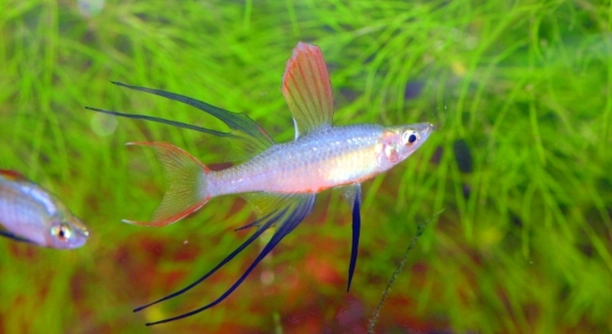
Have you ever found yourself wondering if your threadfin rainbowfish could enjoy something a little different from their usual diet?
Threadfin rainbowfish may actually enjoy a variety of unusual foods, including blanched spinach, crushed peas, mosquito larvae, and even small bits of fruit. These foods provide essential nutrients, encourage natural foraging behavior, and help maintain vibrant coloration.
From leafy greens to tiny insects, these unexpected treats can make feeding time more enriching and enjoyable for your colorful companions.
1. Blanched Spinach
Blanched spinach is one of those simple yet highly beneficial foods that threadfin rainbowfish often enjoy. The quick blanching process softens the leaves, making them easier for the fish to nibble. Spinach is rich in essential vitamins like A, C, and K, along with minerals such as iron and magnesium. These nutrients support healthy growth, boost immunity, and help maintain the fish’s natural shine. When preparing spinach, it’s best to dip it briefly in hot water and then cool it before offering small pieces. Feeding it once or twice a week is enough to add variety to their meals without upsetting their regular diet.
Adding small amounts of blanched spinach can improve digestion and provide a plant-based alternative to processed flakes or pellets, keeping your fish active and content.
Spinach can also enhance the coloration of threadfin rainbowfish over time. A balanced mix of leafy greens ensures their fins remain vivid and radiant.
2. Crushed Peas
Crushed peas are another unusual food that can benefit threadfin rainbowfish. They are easy to prepare, high in fiber, and help maintain a healthy digestive system. Fish that consume peas occasionally are less likely to experience bloating or swim bladder issues.
To prepare peas, simply boil them until soft, remove the skins, and gently crush them into small, manageable bits. This texture makes them easy for rainbowfish to consume without difficulty. Peas are an excellent supplement to their protein-based diet, providing necessary plant nutrients that contribute to overall balance. Offering peas once every week or two can refresh their feeding routine and reduce digestive discomfort caused by excess dry food. This small adjustment not only supports their health but also brings subtle improvements in activity levels and coloration. Over time, you may notice your threadfin rainbowfish showing more energy and responsiveness during feeding sessions, which is always a rewarding sight.
3. Mosquito Larvae
Mosquito larvae provide threadfin rainbowfish with a natural source of protein that promotes growth and energy. These tiny organisms mimic what fish might consume in the wild, encouraging natural hunting instincts and keeping them active during feeding.
Feeding mosquito larvae occasionally supports muscle development and boosts coloration, thanks to their high protein and fat content. They can be purchased frozen or live from trusted suppliers to ensure they are safe and parasite-free. When feeding, offer small amounts to avoid overfeeding and maintain water quality. Threadfin rainbowfish tend to respond eagerly to moving food, making larvae an exciting addition to their diet.
This food option also helps replicate a more balanced ecosystem within the aquarium. By introducing live or thawed larvae, you provide a sense of enrichment that keeps the fish curious and engaged. It’s a simple yet effective way to promote both health and stimulation.
4. Small Bits of Fruit
Tiny pieces of fruit can be a surprising yet healthy treat for threadfin rainbowfish. Fruits such as watermelon, cantaloupe, or peeled apple slices can be offered occasionally in very small amounts. They contain natural sugars, antioxidants, and vitamins that support overall vitality and immunity.
When feeding fruit, moderation is key. Too much sugar can disturb the aquarium’s water balance, so it’s best to treat it as a rare snack rather than a staple. Cut the fruit into tiny portions, and remove uneaten bits within a few minutes to keep the tank clean. Some fish may take time to accept fruit, but many enjoy the sweetness once they get used to it. This type of feeding introduces variety and makes mealtime more engaging, adding small bursts of flavor that your threadfin rainbowfish will gradually come to appreciate.
5. Daphnia
Daphnia, also known as water fleas, are an excellent live or frozen food choice for threadfin rainbowfish. They are packed with protein and fiber, aiding digestion and enhancing color vibrancy. Their movement encourages natural feeding behavior and keeps the fish mentally stimulated during meals.
Feeding daphnia once or twice a week adds variety without overloading on fat or protein. It’s important to rinse them before feeding to remove any impurities. Daphnia help flush out the digestive system, especially after a high-protein meal, making them a gentle and effective dietary supplement.
6. Brine Shrimp
Brine shrimp are a classic favorite among freshwater fish and are especially beneficial for threadfin rainbowfish. Rich in protein, vitamins, and amino acids, they promote growth and fin development. Live or frozen brine shrimp can be offered several times a week to maintain variety and boost energy levels.
7. Egg Yolk
A small portion of boiled egg yolk provides threadfin rainbowfish with essential fats and proteins. It should be finely mashed before feeding and offered sparingly, as it can cloud the water if left uneaten. This soft, nutrient-rich food supports young fish and helps maintain a healthy, balanced diet.
FAQ
What are the best unusual foods for threadfin rainbowfish?
The best unusual foods include blanched spinach, crushed peas, mosquito larvae, small fruit bits, daphnia, brine shrimp, and finely mashed egg yolk. Each of these foods provides specific nutrients that support growth, coloration, and overall health. Offering variety helps prevent boredom and encourages natural foraging behaviors.
How often should I feed unusual foods?
Unusual foods should be offered as supplements, not staples. Most can be fed once or twice a week. Overfeeding can disrupt water quality and cause digestive problems. Rotating foods ensures a balanced diet while maintaining the fish’s interest in mealtime.
Can threadfin rainbowfish eat live foods safely?
Yes, live foods such as mosquito larvae, daphnia, and brine shrimp are safe if sourced from trusted suppliers. They provide high protein and stimulate natural hunting instincts. Rinse live foods before feeding to remove debris or potential parasites. Live foods also promote activity and enhance mental stimulation.
Are fruits a healthy option for threadfin rainbowfish?
Fruits like watermelon, cantaloupe, or peeled apple slices can be offered occasionally in very small amounts. They contain natural sugars, antioxidants, and vitamins. Moderation is key because too much sugar can affect water quality. Always remove uneaten fruit promptly to prevent tank contamination.
Do peas help with digestion?
Yes, crushed peas are high in fiber and can help prevent constipation and swim bladder issues. They are especially useful after feeding protein-heavy meals. Boil, peel, and crush the peas before offering to make them easy for the fish to eat. Feeding peas once every week or two is sufficient.
Can egg yolk be part of a regular diet?
Egg yolk should only be given sparingly. A tiny, finely mashed portion provides fats and proteins beneficial for growth, especially for young fish. Overfeeding can cloud the water and cause bacterial growth. Consider egg yolk as a rare supplement rather than a routine part of the diet.
How do unusual foods affect coloration?
Many of the unusual foods, particularly live foods and colorful fruits, provide nutrients like carotenoids and vitamins that enhance natural coloration. Regularly including these foods helps keep fins vivid and scales shiny. A varied diet prevents dullness that may occur from feeding only standard flakes or pellets.
Can all threadfin rainbowfish eat these foods equally?
Most adult threadfin rainbowfish will accept these foods, but younger or newly introduced fish may need time to adjust. Introduce new foods gradually and in small amounts. Monitor how each fish responds, as individual preferences and tolerance can vary. Patience is key for successful dietary changes.
What precautions should I take when feeding unusual foods?
Always clean or rinse foods like fruits, peas, and live items to prevent water contamination. Remove any uneaten portions promptly. Avoid overfeeding to maintain water quality and prevent digestive issues. Rotate different foods to provide balanced nutrition and stimulation for your fish.
Do unusual foods replace regular flakes or pellets?
No, unusual foods are supplements. Regular flakes or pellets should remain the main diet because they are formulated to provide complete nutrition. Unusual foods add enrichment, variety, and extra nutrients, but they cannot fully replace a balanced staple diet.
How do I know if my fish enjoy these foods?
Fish that are interested will actively swim toward the food and nibble at it. Signs of enjoyment include chasing moving items, inspecting new textures, and increased activity during feeding. Some fish may take longer to accept certain foods, so repeated exposure is often necessary.
Can these foods prevent health issues?
A varied diet including these unusual foods can support digestion, enhance immunity, and promote healthy growth. Fiber-rich items like peas prevent constipation, while protein sources like larvae and shrimp support energy and muscle development. Balanced feeding helps reduce the risk of nutrient deficiencies and related health problems.
Is there a risk of overfeeding with unusual foods?
Yes, overfeeding can lead to water quality issues and digestive problems. Offer small portions and remove leftovers promptly. Unusual foods should complement the main diet and not exceed a few times per week. Observing the fish’s behavior and adjusting portion sizes ensures their health remains optimal.
Can these foods be combined in one feeding?
It is possible to combine a few items, such as a small piece of fruit with a few daphnia, but avoid overloading the tank. Keep portions tiny and balanced. Combining foods can provide enrichment and a variety of nutrients but must be done thoughtfully to maintain water quality and prevent overeating.
Do these foods affect breeding or spawning?
High-protein items like mosquito larvae and brine shrimp can support breeding by improving overall health and vitality. Balanced nutrition from a mix of unusual foods may encourage spawning behavior and increase the chances of successful fry development. Proper portioning and hygiene are essential during breeding periods.
Are frozen foods as good as live foods?
Frozen foods retain most nutrients and are convenient, safe, and easy to store. Live foods may stimulate more natural hunting behavior and movement, but frozen alternatives provide similar nutritional benefits without the risk of introducing pathogens. Both can be used effectively in a balanced diet.
How should I introduce new foods?
Introduce one new food at a time in very small portions. Monitor how the fish reacts and gradually increase amounts if accepted. Combining too many new foods at once can overwhelm them and lead to wasted food or water contamination. Gradual introduction helps build familiarity and preference.
What is the main benefit of adding unusual foods?
Adding unusual foods keeps the diet varied, encourages natural behaviors, and provides specific nutrients that enhance health, growth, and coloration. Regular rotation of these foods can prevent boredom, stimulate the fish mentally, and contribute to a more vibrant and active aquarium environment.
How do I store unusual foods safely?
Frozen foods should be kept in airtight containers in the freezer and thawed properly before feeding. Fresh fruits and vegetables must be washed, peeled if needed, and refrigerated. Live foods should be sourced from reliable suppliers and kept in clean water until used. Proper storage prevents spoilage and contamination.
Can unusual foods be offered daily?
Most unusual foods are best offered a few times per week, not daily. Daily feeding may unbalance nutrition, increase waste, and affect water quality. Stick to small, occasional servings to supplement the main diet while providing enrichment and essential nutrients.
What is the overall impact on aquarium health?
Careful inclusion of unusual foods improves fish vitality, encourages natural behaviors, and can enhance coloration. Proper feeding prevents overfeeding, maintains water quality, and supports long-term health. A varied diet with attention to portions ensures both happy fish and a stable, clean aquarium environment.
Final Thoughts
Threadfin rainbowfish benefit greatly from a diet that includes a mix of standard flakes or pellets and occasional unusual foods. Introducing items like blanched spinach, crushed peas, mosquito larvae, small fruit bits, daphnia, brine shrimp, and egg yolk can provide extra nutrients that support growth, coloration, and overall health. While the standard diet covers the basic nutritional needs, these supplements offer variety that keeps fish active and engaged during feeding. A diverse diet also encourages natural foraging behavior, which is important for both physical and mental stimulation. By rotating these foods throughout the week, you can ensure your fish receive a balanced intake of proteins, vitamins, and minerals without overfeeding or compromising water quality.
When feeding unusual foods, portion control and preparation are essential. Leafy greens should be blanched and chopped into manageable pieces, peas boiled, peeled, and crushed, and fruits offered in tiny amounts to prevent excess sugars from affecting water quality. Protein-rich options such as mosquito larvae, daphnia, and brine shrimp can be offered live or frozen, but live foods must be sourced carefully to avoid introducing pathogens. Egg yolk should be finely mashed and offered sparingly. Removing uneaten food promptly is also important to maintain a clean aquarium environment. Following these simple guidelines ensures that your threadfin rainbowfish benefit from the nutritional variety without risking digestive issues or tank contamination. The overall goal is to provide a diet that supports long-term health while keeping feeding time stimulating and enjoyable for the fish.
Regular inclusion of unusual foods can have visible effects over time. Threadfin rainbowfish may develop brighter colors, more energetic behavior, and improved fin health. The digestive system benefits from fiber-rich foods like peas, while high-protein foods contribute to muscle development and vitality. Even small amounts of fruit or leafy greens can add antioxidants and vitamins that boost immunity. Introducing these foods gradually and monitoring the fish’s response allows you to adjust portions and frequency as needed. By paying attention to both diet and feeding habits, you create an environment where threadfin rainbowfish can thrive. Overall, combining standard diets with occasional unusual foods ensures your fish remain healthy, active, and visually striking, making aquarium care more rewarding.

Hello,
If you enjoy the content that we create, please consider saying a "Thank You!" by leaving a tip.
Every little bit helps us continue crafting quality advice that supports the health, happiness, and well-being of pets around the world, for pets of all shapes, sizes, and species.
We really appreciate the kindness and support that you show us!