
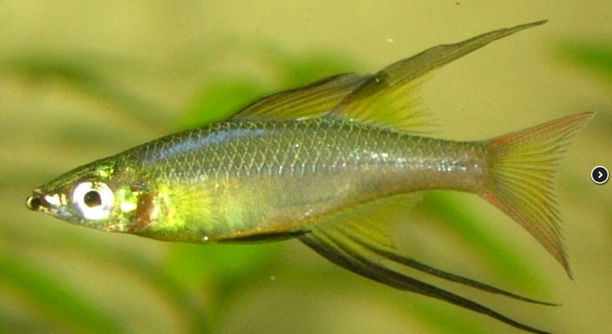
Do you ever notice your Threadfin Rainbowfish swimming actively just before the lights go out? Their behavior can make you wonder when it’s best to feed them. Understanding their natural rhythm helps maintain their health and energy levels.
Threadfin Rainbowfish should ideally be fed shortly before lights out. Feeding during this period aligns with their natural feeding patterns and ensures they consume food efficiently, reducing waste while supporting optimal digestion and overall well-being in their aquatic environment.
Knowing the right feeding time can make a noticeable difference in their vitality and long-term health. Small adjustments in routine can have lasting benefits.
Understanding Threadfin Rainbowfish Feeding Habits
Threadfin Rainbowfish are naturally active during the day and slow down as evening approaches. Observing their behavior can help determine the best feeding times. In their natural habitat, they feed near the water surface, picking at small insects, crustaceans, and plant matter. Mimicking this pattern in an aquarium setting supports their health and energy levels. Feeding them just before the lights go out ensures they have enough energy to digest their food properly overnight. It also helps prevent leftover food from decomposing in the tank, which can affect water quality. Watching their responses to feeding times can provide clues about their preferences. Over time, they develop a routine, making them easier to care for and keeping the tank environment stable. Regular observation allows adjustments to their diet and feeding schedule to maintain their vibrant colors and active behavior.
Feeding slightly before lights out helps align their eating with natural activity patterns.
Maintaining a consistent schedule is essential. Feeding at the same time daily encourages natural rhythm, prevents overeating, and keeps water conditions stable. Overfeeding or feeding at irregular times can stress the fish, leading to health issues. Monitoring portions ensures food is consumed and prevents waste, which can affect tank cleanliness and water chemistry. Proper feeding contributes to their vivid coloration and lively movements, creating a healthier and more visually appealing aquarium environment.
Adjusting Feeding for Tank Conditions
Temperature, tank size, and stocking density can influence feeding behavior.
Tank conditions affect appetite and digestion. Water temperature changes metabolic rate, while overcrowding can increase stress, reducing interest in food. Observing fish behavior under different conditions helps tailor feeding routines. Providing a stable environment supports natural feeding, reduces waste, and promotes overall well-being. Feeding small portions multiple times can also encourage activity. Ensuring the tank is clean and water parameters are stable prevents illness. Proper lighting schedules further enhance feeding efficiency. Maintaining consistent routines, adjusting for environmental factors, and observing fish responses ensures Threadfin Rainbowfish remain healthy and active, displaying their natural behavior and coloration. This approach supports long-term well-being and simplifies daily care. Monitoring and adjusting based on tank-specific needs is key to keeping these fish thriving and maintaining a balanced aquatic ecosystem.
Timing and Digestion
Feeding Threadfin Rainbowfish just before lights out allows them to digest food efficiently overnight. Their metabolism slows down in low light, making it easier for their bodies to process the nutrients. Proper timing prevents uneaten food from decaying and keeps the tank cleaner.
Scheduling meals consistently improves digestion and reduces stress. Fish fed at irregular times may not consume all the food, leading to leftovers that pollute the water. Overfeeding can also strain their digestive system, causing bloating or discomfort. By observing their natural activity patterns, you can determine the optimal feeding window. Small portions before lights out ensure they get enough nutrition without compromising water quality. Maintaining this routine supports healthy growth, active behavior, and vibrant coloration, making daily care simpler and more predictable for both you and your fish.
Monitoring fish behavior after feeding is crucial. If they seem lethargic or avoid food, adjustments may be needed. Temperature, light, and tank conditions influence digestion, and being attentive helps prevent issues. Observing how quickly food is eaten and noting any leftovers allows you to refine portion sizes. Consistency is key, but flexibility ensures their health is maintained. Over time, you’ll notice improved energy levels, brighter colors, and more active swimming patterns, reflecting proper digestion and effective feeding routines tailored to your specific aquarium environment.
Food Types and Preferences
Threadfin Rainbowfish prefer a mix of flakes, pellets, and occasional live or frozen foods to stay healthy.
Offering varied food ensures balanced nutrition. Flakes and pellets provide essential vitamins and minerals, while live or frozen foods like brine shrimp and daphnia satisfy their natural hunting instincts. Variety stimulates appetite and encourages natural behavior. Avoid overfeeding any single type, as it can lead to imbalances or selective eating habits. Regularly rotating food types helps maintain interest and provides complete nutrition. Observing which foods are consumed fastest can guide portion control. Maintaining a mix supports growth, coloration, and overall vitality, ensuring the fish thrive in the tank environment.
Portion Control
Overfeeding Threadfin Rainbowfish can harm both their health and tank environment. Small, measured portions prevent leftover food from decaying and maintain water quality.
Monitoring portions ensures each fish gets enough nutrition without waste. Adjust portions based on the number of fish and their activity level, keeping them healthy and the tank clean.
Feeding Frequency
Feeding once or twice daily is sufficient for Threadfin Rainbowfish. Consistent timing helps establish a routine and prevents overfeeding. Maintaining this frequency ensures they receive proper nutrition while reducing the risk of digestive issues. Regular, moderate feeding supports stable water conditions and encourages natural behavior.
Nighttime Feeding Tips
Feed near the tank’s light source to ensure all fish can see and access food. Even lighting improves feeding efficiency and reduces stress, ensuring balanced consumption and a healthier tank environment.
FAQ
How often should I feed Threadfin Rainbowfish before lights out?
Feeding once per day, shortly before turning off the lights, is usually sufficient. This timing aligns with their natural activity, allowing them to consume food efficiently. Overfeeding or multiple feedings late in the day can cause uneaten food to decay, impacting water quality and fish health.
Can I feed them after lights are out?
It is not recommended. Threadfin Rainbowfish rely on visual cues to find food, and feeding in the dark reduces their ability to locate it. Uneaten food can accumulate on the substrate, promoting harmful bacterial growth and affecting water chemistry. Feeding before lights out is more effective for nutrition and cleanliness.
What type of food is best for them?
A varied diet works best. Flakes or pellets provide consistent nutrition, while frozen or live foods like brine shrimp, daphnia, or bloodworms stimulate natural hunting behavior. Rotating food types prevents selective eating, encourages activity, and ensures balanced vitamins, minerals, and proteins for growth and vibrant colors.
How much food should I give each fish?
Feed only what they can consume in 2–3 minutes. Overfeeding leads to waste, poor water quality, and digestive problems. Observing their eating speed helps adjust portions. If food remains after a few minutes, reduce the next feeding. Consistent portion control promotes health and keeps the tank environment stable.
Does feeding time affect their coloration?
Yes. Fish fed at appropriate times exhibit brighter, more vibrant colors. Regular, properly timed feeding supports metabolism and overall health, enhancing natural coloration. Fish that are stressed, overfed, or fed inconsistently may appear dull or less active. Proper timing is a simple way to maintain their aesthetic appeal.
Can I give them treats at night?
Occasional treats should still be given before lights out. Small amounts of live or frozen foods as treats provide enrichment and stimulate natural foraging behaviors. Avoid excessive treats, as these can disrupt routine feeding, contribute to overfeeding, and negatively affect water quality.
What signs indicate feeding problems?
Watch for leftover food, sluggish behavior, or bloating. Uneaten food can point to overfeeding or poor timing, while lethargy may indicate stress or illness. Adjust portions, feeding times, or water conditions if you notice these signs. Maintaining observation helps prevent long-term health issues.
Does tank size affect feeding routines?
Yes. Larger tanks may require more food and careful distribution to ensure all fish eat. Overcrowded tanks can cause competition, stress, and missed meals. Smaller tanks require stricter portion control to prevent overfeeding and water quality issues. Tailoring feeding to tank conditions ensures all fish remain healthy.
How do I transition them to a new feeding schedule?
Gradually adjust feeding times by shifting them 10–15 minutes each day until the desired schedule is reached. Avoid abrupt changes, which can stress fish or cause missed meals. Monitoring their behavior during this adjustment ensures they adapt without negative effects.
Is it okay to skip a feeding occasionally?
Skipping a single feeding is generally safe. Fish can tolerate short gaps, and it may even help prevent overfeeding. However, skipping regularly can affect energy levels and metabolism. Consistency is more important for their health and routine, especially for smaller or younger fish.
How do I know if my fish are eating enough?
Healthy, active fish with vibrant colors and minimal leftover food indicate adequate feeding. Observing behavior, swimming activity, and appetite helps determine whether portions or timing need adjustment. A consistent routine ensures all fish get proper nutrition and thrive.
Can lighting affect feeding efficiency?
Yes. Fish rely on light to locate food. Feeding just before lights out with sufficient illumination ensures they see and consume all food. Dim or uneven lighting may cause missed meals, stress, or wasted food, impacting both health and water quality.
Are there any foods to avoid at night?
Avoid slow-sinking or hard-to-find foods in low light. Foods that float indefinitely or sink quickly can remain uneaten, leading to water contamination. Stick to small flakes, pellets, or easily consumed frozen items before lights go off to maintain efficiency and hygiene.
How can I make sure all fish get food equally?
Distribute food evenly across the tank. Observe feeding behavior to ensure shy or weaker fish are not left out. Rotating feeding locations and using smaller portions multiple times can help ensure all fish receive proper nutrition without overfeeding the tank.
Does feeding at night affect their sleep?
Feeding just before lights out supports natural rest patterns. Feeding after lights off can disrupt sleep, leaving fish stressed or inactive. Maintaining a schedule aligned with the light cycle promotes healthy energy levels and regular daily activity.
What’s the best way to clean up after feeding?
Remove uneaten food promptly using a siphon or net. Regular cleaning prevents waste buildup, maintains water quality, and reduces the risk of disease. Observing feeding habits helps minimize leftover food, simplifying maintenance and keeping the tank healthy for all fish.
Can overfeeding at night be harmful?
Yes. Excess food that is not consumed can decay, raising ammonia and nitrite levels. This creates a toxic environment and stresses fish. Overfeeding can also cause digestive problems, bloating, or slow growth. Proper timing and portion control prevent these risks.
How long should a feeding session last?
Feeding should take no more than 2–3 minutes. This ensures fish eat all the food efficiently. Prolonged feeding increases waste and reduces water quality. Quick, focused feeding sessions help maintain balance and keep the fish healthy.
Are frozen foods better than flakes at night?
Both have benefits. Flakes and pellets provide consistent nutrition, while frozen foods offer variety and simulate natural hunting behavior. Feeding frozen foods before lights out is effective as long as pieces are small and easy to find. Rotating food types ensures balanced nutrition.
Can I feed them live foods daily?
Daily live feeding is unnecessary. Small amounts a few times per week provide enrichment and stimulation. Overreliance on live foods may unbalance diet and increase water contamination. Combining flakes, pellets, and occasional live foods ensures proper nutrition while keeping the tank clean.
Do juvenile Threadfin Rainbowfish require different feeding times?
Juveniles benefit from slightly more frequent feedings to support growth. Feeding small portions multiple times per day before lights out ensures they consume enough nutrients without overloading the tank. Adjusting feeding frequency as they grow helps maintain health and activity.
What happens if I feed too early?
Feeding too early may reduce appetite if the fish are not active yet. Early meals can also leave uneaten food in the tank for hours, affecting water quality. Feeding closer to lights out maximizes consumption and reduces waste.
How do I handle picky eaters?
Offer small, varied portions and alternate food types. Gradually introducing new foods increases acceptance. Observing which types are eaten first helps adjust routine. Consistency in timing and portioning encourages picky fish to eat reliably while maintaining nutrition.
Are there specific lights that help feeding efficiency?
Standard aquarium lighting is sufficient if it provides even illumination. Avoid very dim or flickering lights. Feeding shortly before lights go off ensures fish see the food, promoting even consumption and reducing leftover waste. Proper lighting supports overall feeding success.
Can feeding routines reduce aggression?
Yes. Consistent feeding times and evenly distributed food reduce competition. Overcrowded or irregular feedings can increase stress and aggression. Maintaining a predictable schedule keeps all fish calmer and ensures equal access to nutrition.
How long should I observe feeding behavior?
Observe each session until all food is consumed or 2–3 minutes have passed. This helps identify portion sizes, feeding preferences, and potential issues. Regular monitoring ensures the feeding routine supports health and a clean, stable tank environment.
Is it okay to feed them during holidays or absence?
Use automatic feeders if you are away, but ensure portions are small and meals remain consistent. Overfeeding by automatic devices can harm water quality. Pre-measuring portions and scheduling feeding times helps maintain routine and health even in your absence.
Do they need supplements at night?
Supplements are usually unnecessary if a varied diet is provided. Vitamins and minerals in high-quality flakes, pellets, and occasional frozen or live foods meet nutritional needs. Extra supplements may be used only if deficiencies are observed.
How can I tell if the feeding schedule is effective?
Healthy, active fish with bright colors and minimal leftover food indicate an effective schedule. Observing behavior, appetite, and tank cleanliness confirms that feeding times and portions are appropriate. Adjustments can be made if any negative signs appear.
What adjustments should I make for seasonal changes?
Temperature and daylight changes can affect appetite. Warmer water increases metabolism, requiring slightly more food, while cooler water slows digestion. Adjust portion sizes and observe behavior to maintain consistent nutrition and health throughout the year.
Can feeding affect breeding behavior?
Proper timing and nutrition support breeding readiness. Fish fed consistently before lights out are more active, healthy, and likely to display natural courtship behaviors. Overfeeding or irregular schedules can reduce interest in breeding and increase stress.
How do I prevent food from sinking too fast?
Use small flakes, pellets, or thawed frozen foods. These are easy to access and consumed quickly, reducing waste. Even distribution and proper timing ensure fish have enough time to eat before the food reaches the substrate.
Are there benefits to feeding at the same spot each time?
Yes. Consistent feeding locations help fish anticipate meals and reduce stress. It encourages routine, ensures even consumption, and makes observing behavior and leftovers easier. Changing spots occasionally can prevent dominance by aggressive fish.
What is the ideal combination of foods before lights out?
A mix of high-quality flakes or pellets with occasional frozen foods ensures balanced nutrition. Small portions prevent waste, support digestion, and encourage natural feeding behaviors. Rotating food types maintains interest and provides all essential nutrients for growth, color, and energy.
How do I manage feeding in a community tank?
Distribute food evenly to prevent competition. Observe shy or slow-eating fish and adjust portions or locations. Maintaining a consistent schedule and balanced diet ensures all species get proper nutrition while keeping the tank clean and healthy.
Can feeding routines reduce stress?
Yes. Predictable feeding times align with natural behaviors, reduce competition, and create a stable environment. Fish feel secure knowing when and where food will appear, which improves overall activity, coloration, and health.
How often should I review feeding routines?
Observe monthly or when changes in tank conditions, fish size, or behavior occur. Adjust portions, timing, or food types as needed. Regular review ensures fish remain healthy, active, and well-nourished in a stable environment.
What is the impact of skipping nighttime feeding on metabolism?
Occasional skipped meals are tolerated, but frequent skipping may reduce energy and slow growth. Feeding consistently before lights out maintains proper metabolism, supports activity, and ensures digestive efficiency for overall health.
Can feeding habits influence water parameters?
Yes. Overfeeding increases ammonia, nitrite, and nitrate levels. Proper portioning, timing, and quick consumption help maintain stable water conditions, reducing the risk of stress, illness, and algae growth in the aquarium.
How should I introduce new foods at night?
Offer small quantities alongside familiar foods to encourage acceptance. Gradually increase portions over time while monitoring consumption. This approach ensures new foods are eaten without disrupting routine or water quality.
Do Threadfin Rainbowfish prefer sinking or floating foods at night?
Floating or slow-sinking foods are best. They remain accessible long enough for all fish to eat before lights go out. Rapidly sinking foods may get missed, leading to waste and potential water quality issues.
Can feeding schedules improve activity levels?
Yes. Feeding before lights out ensures fish are active during natural feeding times. Consistent routines encourage swimming, hunting behaviors, and exploration, keeping fish lively, healthy, and visually appealing.
What tools can help maintain consistent feeding times?
Timers, automatic feeders, or scheduled daily routines help ensure meals occur at the same time each day. Consistency promotes health, reduces stress, and keeps the aquarium environment stable. Observing fish behavior allows adjustments for optimal feeding.
Is it better to feed multiple small meals or one larger meal before lights out?
One well-portioned meal is usually sufficient for Threadfin Rainbowfish. Small, frequent meals can be used for juveniles or during growth periods. The key is consistency, proper portions, and ensuring all food is consumed efficiently before lights go out.
Can feeding frequency affect social behavior?
Yes. Consistent feeding reduces competition, aggression, and stress among tankmates. Fish know when to expect food, which promotes calmer interactions and more predictable behavior patterns, improving overall tank harmony.
Should I adjust feeding for sick or recovering fish?
Yes. Provide smaller, easily consumed meals, possibly more frequently, until they regain appetite and strength. Monitor closely to prevent overfeeding and maintain water quality. Proper feeding supports recovery and maintains overall tank health.
How do I prevent leftovers from affecting water at night?
Feed small portions, monitor consumption, and remove uneaten food promptly. Floating or slow-sinking foods help minimize waste. Consistent timing before lights out ensures efficient eating and maintains clean water conditions.
Are there any nighttime supplements that help digestion?
Supplements are rarely needed if a varied, balanced diet is provided. Probiotics or vitamins may be considered only if dietary deficiencies are observed. Proper timing and portion control usually support digestion naturally.
How can feeding routines support long-term health?
Consistent timing, proper portions, and varied diet prevent stress, overfeeding, and nutritional deficiencies. Observing behavior, adjusting for tank conditions, and maintaining clean water contribute to longevity, vibrant colors, and active behavior. A well-structured routine ensures sustainable health and well-being for Threadfin Rainbowfish.
What adjustments are needed for a newly established tank?
Introduce food gradually, monitor water parameters, and avoid overfeeding. Fish may be stressed initially, so smaller portions and consistent timing help them adapt. Early routine establishment sets the stage for healthy feeding habits as the tank matures.
How does tank lighting schedule affect feeding efficiency?
Feeding just before lights go out maximizes visibility and ensures food is eaten. Abrupt changes in lighting can disrupt feeding behavior. Consistent light and feeding schedules support digestion, reduce waste, and maintain predictable activity patterns.
Are there signs of overfeeding I should watch for?
Watch for leftover food, cloudy water, bloating, or sluggish swimming. These indicate portions are too large or feeding timing is off. Adjusting feeding practices quickly prevents stress, illness, and water quality issues.
Can feeding routines help with breeding success?
Yes. Consistent, properly timed feedings ensure fish are healthy, active, and prepared for reproductive behavior. Nutrient-rich foods before lights out stimulate energy and vitality, supporting courtship and spawning behavior naturally.
Should I vary feeding times occasionally?
Maintaining a consistent schedule is best. Occasional slight adjustments are acceptable if necessary, but frequent changes can stress fish and disrupt digestion. Predictable routines promote health, activity, and coloration.
How do I handle aggressive feeders at night?
Distribute food across multiple locations and use small portions. Observing feeding behavior helps ensure shy or weaker fish get enough nutrition. Consistent timing reduces competition and stress among tankmates.
Is it necessary to feed all fish simultaneously?
Yes, as much as possible. Synchronized feeding ensures equal access, prevents dominance by aggressive fish, and supports balanced growth. Small, evenly distributed portions help all fish receive proper nutrition before lights out.
What is the role of observation in nighttime feeding?
Monitoring behavior, leftovers, and water quality ensures feeding routines are effective. Observation allows timely adjustments to portions, food types, and schedule, supporting health, activity, and a stable tank environment for all fish.
Can feeding at the same time every day reduce illness?
Consistent feeding helps maintain digestive health, reduces stress, and supports the immune system. Predictable routines prevent overfeeding and water quality issues, lowering the risk of disease and promoting long-term vitality.
How long should I continue observing new foods at night?
Monitor at least a week to determine acceptance and consumption. Adjust portions or supplement familiar foods if needed. Observation ensures new foods are eaten efficiently without compromising nutrition or water quality.
Are there signs my feeding schedule is too late?
Signs include uneaten food, slow consumption, or increased aggression as light dims. Adjusting feeding to slightly earlier before lights out improves intake, reduces waste, and supports healthy digestion.
Can feeding habits impact growth rate?
Yes. Proper timing, portion control, and diet variety directly influence growth. Juveniles benefit from slightly more frequent meals, while adults thrive on consistent, well-timed feedings. Balanced routines ensure healthy development and prevent stunted growth.
How do I adjust feeding for seasonal water changes?
Warmer water may require slightly larger portions due to increased metabolism, while cooler water may require less. Observe activity and consumption to maintain consistent nutrition and avoid overfeeding or waste accumulation.
Are there advantages to feeding small groups separately?
Yes. Smaller groups reduce competition and ensure all fish eat sufficiently. This method is helpful in community tanks with varying sizes or temperaments. Distributing food strategically promotes even nutrition and reduces stress.
How can I tell if a fish is not getting enough food?
Look for thinner appearance, slower growth, or less vibrant colors. Lethargy and avoiding food can also indicate insufficient feeding. Adjust portions, timing, or distribution to ensure all fish receive proper nutrition consistently.
Should I change feeding times for older fish?
Older fish may eat less or digest more slowly. Feeding slightly earlier or adjusting portion sizes ensures they consume food efficiently without leftovers, maintaining energy, health, and water quality.
Can feeding habits affect tank cleanliness?
Yes. Overfeeding or poor timing leads to uneaten food, increasing ammonia, nitrites, and nitrates. Proper portion control and timing before lights out minimize waste, maintain water quality, and reduce cleaning frequency.
What is the impact of lighting intensity on nighttime feeding?
Moderate, even lighting ensures fish see food clearly. Too dim or uneven light reduces feeding efficiency and increases leftover food, which affects water quality and digestion. Proper lighting supports effective feeding routines.
How do I manage feeding when fish are sick or stressed?
Offer smaller, easily consumed portions, and monitor closely. Consistent feeding routines help maintain nutrition while minimizing stress. Adjusting timing and portion size supports recovery and reduces water contamination risk.
Can feeding too close to lights out cause issues?
Feeding immediately before lights out may reduce observation time for leftovers and digestion monitoring. Allowing a few minutes ensures food is consumed and any uneaten portions can be removed, maintaining water quality.
Are there benefits to pre-soaking dry foods before feeding at night?
Soaking flakes or pellets can make them easier to eat and digest. This reduces the risk of bloating and ensures faster consumption, preventing waste buildup in the tank.
Can feeding routines influence social hierarchy?
Yes. Predictable feeding reduces aggression, stress, and competition. All fish can anticipate meals and access food
Threadfin Rainbowfish are active and vibrant fish that thrive when their feeding routines match their natural behaviors. Feeding just before lights out allows them to consume food efficiently while minimizing waste and maintaining clean water conditions. Observing their natural activity patterns helps determine the best time and portion size for meals. By paying attention to how they respond to feeding, you can adjust routines to suit the tank environment and ensure all fish receive adequate nutrition. Consistency is key, as irregular feeding can lead to stress, poor digestion, and reduced energy levels. Over time, establishing a routine will make it easier to maintain a healthy and lively aquarium.
Providing a varied diet is also essential for Threadfin Rainbowfish. High-quality flakes or pellets deliver the necessary vitamins and minerals, while occasional live or frozen foods offer enrichment and stimulate natural hunting behaviors. Rotating food types prevents selective eating and supports balanced nutrition, which in turn promotes bright coloration and healthy growth. Feeding small, measured portions ensures that all fish get enough to eat without leaving uneaten food to decompose and affect water quality. Monitoring how quickly food is consumed can help refine portion sizes, and gradually adjusting feeding schedules based on their activity ensures their diet aligns with their energy needs. A consistent routine combined with proper nutrition supports overall health, keeps the fish active, and allows their natural colors to remain vivid.
Adjusting feeding routines according to tank conditions, fish size, and activity levels further improves their well-being. Juveniles may require slightly more frequent feedings, while adult fish benefit from one or two properly timed meals per day. Maintaining proper lighting, clean water, and evenly distributed food supports fair access for all fish and reduces stress. Observing their behavior during and after feeding helps identify potential issues like overfeeding, leftover food, or signs of illness. Proper portion control, timing, and diet variety all contribute to long-term health, energy, and vitality. By following these practices, caring for Threadfin Rainbowfish becomes manageable, creating a balanced environment that encourages natural behavior, supports growth, and maintains a vibrant, thriving aquarium.

Hello,
If you enjoy the content that we create, please consider saying a "Thank You!" by leaving a tip.
Every little bit helps us continue crafting quality advice that supports the health, happiness, and well-being of pets around the world, for pets of all shapes, sizes, and species.
We really appreciate the kindness and support that you show us!