
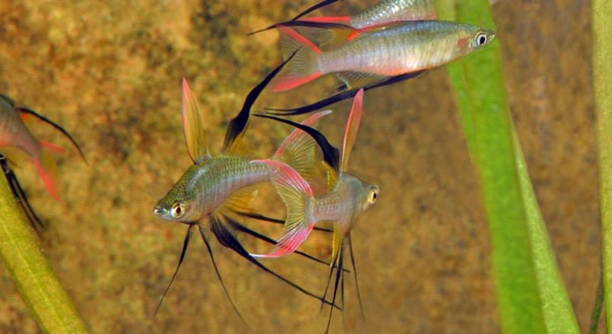
Are your Threadfin Rainbowfish swimming calmly and exploring their environment without signs of stress? These small, colorful fish can show subtle behaviors that indicate they are comfortable and well-adjusted in their aquarium. Observing them closely can reveal much.
Threadfin Rainbowfish exhibit contentment through calm swimming patterns, maintaining stable positioning in the water column, interacting peacefully with tank mates, and engaging in regular feeding behaviors. These indicators reflect a balanced environment and overall well-being in the species.
Recognizing these quiet moments helps ensure your fish remain healthy and happy while creating a more enjoyable and harmonious aquarium experience.
Calm, Steady Swimming
Threadfin Rainbowfish often show contentment through smooth, steady swimming across the tank. They glide effortlessly, rarely darting or shaking, which indicates they feel safe and unthreatened. Observing them move in coordinated patterns with their tank mates is another sign of comfort. Their fins remain relaxed and slightly spread, showing no signs of stress or aggression. When feeding time comes, content fish swim toward food with moderate speed rather than rushing or hiding. These calm motions reflect both physical health and a sense of security in their environment. Maintaining consistent water temperature, clean conditions, and adequate space allows these behaviors to appear naturally. Even subtle shifts, like exploring corners of the tank without hesitation, reflect confidence. Over time, the steady swimming patterns become predictable, allowing owners to gauge their fish’s overall mood. Watching them move calmly can be soothing, and it reinforces the importance of a stable aquarium routine for their well-being.
Smooth swimming and relaxed fin movement are strong indicators of contentment. A stable environment promotes regular movement patterns and reduces signs of stress or unease.
Steady swimming also helps maintain good health. It ensures proper oxygen circulation and keeps the fish active without overexertion. When Threadfin Rainbowfish move calmly, they tend to interact better with others, avoiding unnecessary conflicts. Observing this behavior regularly can help spot early signs of illness or discomfort. When swimming appears erratic or rushed, it often signals a need for water checks, temperature adjustments, or dietary evaluation. Conversely, a tank where fish swim smoothly reflects balanced conditions. Consistent, peaceful movement encourages natural behaviors, including feeding, exploring, and social interaction. Content fish are more likely to breed successfully and show vibrant coloration, which enhances the aesthetic of the tank. Monitoring swimming patterns is not only rewarding but also an effective way to maintain long-term fish health and satisfaction in the aquarium.
Gentle Feeding Behavior
Content Threadfin Rainbowfish approach food calmly, without aggressive competition or frantic bursts. They eat in a composed manner, showing neither hesitation nor anxiety while foraging.
During feeding, the fish demonstrate patience, often waiting their turn or swimming in small groups to the offered food. They rarely nip at each other, which shows that social harmony exists in the tank. Their movements toward the food are deliberate, not hurried, reflecting confidence in their surroundings. Observing these moments gives insight into their appetite and health, helping owners adjust feeding portions appropriately. A balanced diet, along with a calm feeding environment, ensures that the fish continue to thrive. Even minor changes, like adjusting feeding times or reducing stressors nearby, can improve their approach to food. Maintaining clean water and proper nutrition supports consistent, peaceful feeding behaviors, reinforcing their contentment. Tracking these subtle behaviors over time allows a clear understanding of when the fish feel secure and when they may need intervention. It becomes clear that feeding is more than sustenance—it is a reflection of overall well-being.
Resting Near Plants
Threadfin Rainbowfish often rest near plants, showing trust in their environment. They hover quietly, sometimes gently moving their fins, without hiding or panicking.
Plants offer a sense of security, allowing fish to feel sheltered while remaining visible. Content fish use these areas to relax between activity periods, balancing rest with exploration. This behavior also reduces stress, which supports immune function and overall health. Over time, consistent resting near plants indicates the fish are comfortable and confident in their surroundings. Watching this behavior helps monitor their well-being and ensures the tank layout meets their needs.
Resting near vegetation also encourages natural behaviors. Fish may nibble on biofilm or algae growing on leaves, providing supplemental nutrition. These spots become favored locations, where multiple fish may gather peacefully, demonstrating social tolerance. By providing varied plant coverage, owners can support both physical comfort and psychological security. Observing these resting patterns allows adjustments to plant placement or density, improving the tank’s environment. A healthy balance of open swimming space and vegetated areas promotes calm, confident behavior while reducing potential territorial disputes.
Gentle Social Interaction
Threadfin Rainbowfish interact gently with each other, avoiding chasing or aggressive displays. They swim in small groups or pairs, coordinating movements calmly.
Gentle social interaction reflects trust and stability in the tank. Fish may mirror each other’s swimming patterns or pause together, demonstrating cohesive group behavior. These interactions also reduce stress, as each fish feels supported by the presence of others. Over time, calm group dynamics signal contentment and a well-maintained environment. Fish showing these behaviors are likely healthy, well-fed, and confident in their space. Monitoring interactions ensures harmony and can indicate if changes in tank conditions affect social balance.
Healthy social behavior also encourages breeding readiness and reinforces natural instincts. Fish that engage in coordinated movements and maintain close proximity without conflict are demonstrating security in both environment and hierarchy. Observing these patterns can reveal subtle issues before they become serious, such as minor stress from overcrowding or insufficient hiding spaces. By fostering gentle social interaction, owners create an aquarium where fish feel safe and confident, promoting longer lifespans, stronger immune responses, and vibrant coloration. These dynamics make the tank more visually appealing while supporting the species’ overall well-being.
Occasional Surface Visits
Threadfin Rainbowfish may swim to the surface briefly, taking in water with calm movements. These short visits indicate comfort with the tank’s conditions and access to oxygenated water.
Surface visits are slow and controlled, showing the fish feel secure. They do not dart or struggle, reflecting a balanced environment and confidence in their surroundings.
Exploring Open Spaces
Content Threadfin Rainbowfish actively explore open areas of the tank without signs of fear. They swim through mid-water and across open regions, maintaining steady movement and relaxed fins. This behavior shows they are confident and comfortable in their environment, trusting both the water quality and the presence of tank mates. Fish that avoid corners and engage with the full tank space are likely healthy and stress-free. Providing open swimming areas alongside hiding spots ensures they can choose their level of exposure. Observing exploration patterns helps monitor comfort levels and detect early signs of stress or illness.
Slight Fin Flaring
Threadfin Rainbowfish occasionally flare their fins slightly while swimming or resting. This subtle display indicates alertness without aggression.
FAQ
How can I tell if my Threadfin Rainbowfish is happy?
Content Threadfin Rainbowfish display calm swimming, peaceful feeding, gentle social interaction, and occasional resting near plants. They move smoothly without sudden darting or frantic behavior. Their fins remain relaxed, colors appear vibrant, and they interact harmoniously with tank mates. Observing these behaviors over time gives a clear indication of comfort and well-being.
Why do my fish hover near plants?
Hovering near plants is a natural behavior that provides security. Fish feel sheltered while still monitoring their environment. Content fish often use plants for brief rest periods, nibbling lightly on biofilm or algae. This balance between hiding and exploring indicates they trust the tank and feel safe in their surroundings.
Is it normal for them to visit the surface?
Yes, occasional surface visits are typical. Fish take in oxygenated water calmly, showing they feel secure. Quick darting or frantic splashing may indicate stress, but slow, deliberate surface visits suggest comfort and good water conditions.
What does gentle social interaction look like?
Content fish swim in coordinated patterns, pause together, or maintain close proximity without aggression. They mirror each other’s movements and rarely chase or nip. Calm social behavior signals confidence and trust in both their environment and tank mates, supporting overall health and harmony.
Should I worry if fins flare slightly?
Slight fin flaring is normal and not a sign of aggression. It demonstrates alertness and natural awareness of surroundings. Consistent aggressive flaring, however, may indicate territorial disputes or stress, requiring adjustments in tank layout, space, or population density.
Do they need a large tank to be content?
While they do not require massive tanks, Threadfin Rainbowfish need enough space to swim freely. Open areas for exploration, combined with plants or decorations for shelter, create a balanced environment. Crowded or bare tanks can cause stress, reducing calm behaviors and social cohesion.
How often should I feed them?
Feeding once or twice daily with a balanced diet is sufficient. Content fish eat calmly, neither rushing nor avoiding food. Offering high-quality flakes, pellets, or live food ensures proper nutrition and encourages natural foraging behaviors, which reinforce their sense of comfort and security.
Can water quality affect their behavior?
Absolutely. Clean, well-filtered water with stable temperature and pH promotes calm swimming, steady feeding, and gentle interactions. Poor water conditions cause darting, hiding, or aggression. Regular testing and maintenance are essential to maintain their comfort and long-term health.
Do they show contentment differently as a group versus alone?
Yes, group dynamics amplify calm behaviors. Fish in groups swim cohesively, explore open spaces, and interact gently. Alone, they may still show contentment but often move more cautiously. Observing both group and individual behavior helps gauge overall satisfaction in the tank.
How can I encourage peaceful behavior in the tank?
Providing adequate space, hiding spots, balanced nutrition, and stable water conditions promotes calm behavior. Avoid sudden disturbances, overcrowding, or aggressive tank mates. Monitoring interactions and adjusting the environment ensures Threadfin Rainbowfish remain relaxed, confident, and visibly content.
What signs indicate stress or unhappiness?
Signs include rapid darting, hiding constantly, fin clamping, color dulling, or aggressive chasing. Changes in feeding behavior, lethargy, or erratic swimming are also red flags. Early detection allows adjustments to water quality, tank layout, or social dynamics to restore contentment and health.
How long does it take for fish to settle into a new tank?
Typically, Threadfin Rainbowfish settle within a week to two weeks if conditions are ideal. During this period, they may hide more frequently or explore cautiously. Observing gradual increases in calm swimming, gentle interactions, and normal feeding indicates they are adapting successfully.
Are there seasonal changes in behavior?
Minor behavioral changes can occur with seasonal shifts in temperature or light. Content fish may slightly adjust activity levels but remain generally calm. Maintaining consistent tank conditions minimizes stress and preserves predictable, peaceful behaviors.
Can enrichment affect their contentment?
Yes, providing plants, hiding spots, open swimming areas, and occasional live or frozen foods enhances well-being. Enrichment encourages natural behaviors, reduces stress, and supports both physical and mental health. Observing positive responses to environmental enhancements confirms their comfort in the aquarium.
How do I know if my fish feel secure with tank mates?
Content fish coexist peacefully, maintain moderate distances, and avoid frequent chasing or nipping. They may swim together or rest near each other without conflict. Observing consistent, gentle social behaviors indicates they trust both the environment and their companions.
Is fin condition a good indicator of contentment?
Yes, relaxed, fully extended fins reflect comfort and calmness. Clamped, torn, or discolored fins may indicate stress, poor water conditions, or illness. Regular observation of fin posture helps monitor both health and overall satisfaction in the tank.
Do they show different behaviors at night?
Threadfin Rainbowfish may become less active at night but still exhibit calm resting near plants or decorations. Sudden, frantic movement during night hours may indicate disturbances in the tank, such as poor oxygen levels or excessive light changes.
Can I tell contentment by coloration?
Bright, consistent coloration often reflects good health and comfort. Dull or faded colors may suggest stress, illness, or suboptimal water conditions. Vibrancy, combined with calm behavior, is a strong indicator of overall well-being.
How often should I monitor behavior?
Daily observation is ideal, even briefly. Watching swimming patterns, social interactions, feeding behavior, and resting habits allows early detection of stress or illness. Regular monitoring helps maintain a stable, content environment and supports the long-term health of your fish.
What adjustments help a stressed fish feel secure?
Providing more plants, rearranging decorations, adjusting water parameters, reducing overcrowding, or changing aggressive tank mates can restore calm behavior. Gradual, consistent changes are more effective than sudden interventions, allowing fish to regain confidence and comfort in their habitat.
Are there long-term benefits to recognizing contentment cues?
Yes, observing and responding to contentment indicators ensures healthy growth, vibrant coloration, reduced stress, and improved social harmony. Consistent care based on behavioral cues strengthens the fish’s trust in the environment and fosters a thriving, visually appealing aquarium.
How does feeding schedule affect behavior?
Predictable feeding schedules encourage calm and confident behavior. Fish learn when to expect food, reducing frantic or competitive behavior. Balanced portions and timing reinforce contentment and support steady growth and energy levels throughout the day.
Can water temperature fluctuations impact contentment?
Yes, sudden temperature changes cause stress, affecting swimming patterns, feeding, and social interactions. Maintaining a stable temperature within recommended ranges promotes calm, relaxed behavior and supports overall health and immune function.
Is it normal for content fish to explore cautiously?
Even content fish exhibit cautious exploration. They may inspect new objects or areas slowly before fully swimming through. This is natural and shows alertness without fear. Over time, repeated exposure fosters confidence and reinforces calm, consistent behavior throughout the tank.
How do I balance open space and hiding spots?
Providing both ensures fish can choose between exploration and shelter. Open areas encourage swimming and social behavior, while plants or decorations offer resting or hiding locations. Observing preferences allows adjustments, maintaining a harmonious, comfortable environment for all fish in the tank.
Do content fish interact with humans?
Threadfin Rainbowfish may observe movement outside the tank without showing fear. Calm curiosity, like following your hand or swimming nearby, indicates they feel secure and trust their environment, reinforcing confidence and comfort.
How can I prevent stress during tank maintenance?
Perform regular, gentle maintenance with minimal disturbance. Avoid sudden water changes, loud noises, or abrupt lighting shifts. Gradual adjustments, combined with clean, stable conditions, help maintain calm swimming, feeding, and social behavior, keeping fish content and healthy.
Are behavioral changes always linked to health issues?
Not always. Environmental changes, new tank mates, or temporary stressors can cause shifts in behavior. Persistent or severe changes, especially combined with physical signs like clamped fins or dull coloration, indicate potential health problems requiring attention.
What role does tank size play in contentment?
Adequate space allows natural swimming, exploration, and social interactions. While Threadfin Rainbowfish are not highly territorial, cramped tanks increase stress, reduce gentle social behavior, and can lead to aggression or health issues. Proper tank size supports consistent calm behavior and overall well-being.
How do I know when fish are adapting to a new tank?
Gradual increases in swimming, calm feeding, gentle social interaction, and exploring open areas signal adaptation. Temporary hiding or cautious movement is normal initially. Observing steady improvement over days or weeks confirms successful adjustment to the environment.
Can stress impact breeding behavior?
Yes, stressed fish are less likely to breed. Calm, content fish with steady social interactions and balanced conditions are more likely to engage in natural reproductive behaviors, ensuring successful spawning and healthy offspring.
Is it possible for one stressed fish to affect others?
Yes, stress can be contagious. Frantic movements, aggressive chasing, or hiding by one fish may influence group behavior. Observing tank dynamics and addressing stress promptly helps maintain harmony and overall contentment among all fish.
How important is lighting for contentment?
Consistent, moderate lighting supports natural activity and resting cycles. Sudden changes or excessive brightness can stress fish, while dim or stable light encourages calm swimming, gentle social interaction, and predictable resting behavior throughout the day.
Do content fish ever isolate themselves?
Occasionally, fish may choose a quiet spot to rest or feed alone. Brief isolation is normal and not a sign of stress, as long as swimming, feeding, and social behavior remain consistent when rejoining the group.
How do I maintain long-term contentment?
Regular water testing, consistent feeding, proper tank size, enrichment, and observation of behavior ensure long-term well-being. Adjustments based on subtle cues, like swimming, feeding, and resting patterns, maintain a safe, healthy, and content environment.
What are subtle signs of contentment to watch for?
Calm swimming, relaxed fins, gentle social interactions, routine resting near plants, occasional surface visits, bright coloration, and deliberate exploration all indicate contentment. Tracking these behaviors allows timely adjustments to support comfort and long-term health in the tank.
Can seasonal changes in light or temperature affect behavior?
Yes, gradual seasonal changes may alter activity levels slightly. Maintaining consistent tank conditions minimizes stress, allowing fish to remain calm, feed regularly, and interact gently with tank mates despite minor seasonal variations.
How do I encourage confident swimming?
Providing open swimming areas, stable water parameters, adequate space, and gentle social groups promotes confident movement. Observing steady, smooth swimming patterns helps assess environmental suitability and supports ongoing contentment in the tank.
Are there indicators that fish prefer certain areas of the tank?
Yes, frequent resting near plants, repeated surface visits, or consistent mid-water swimming patterns indicate preferred zones. Respecting these preferences by maintaining accessible shelter and open areas ensures comfort and reduces stress.
Can introducing new fish disrupt contentment?
Yes, sudden introductions can cause stress and minor aggression. Gradual acclimation, quarantine procedures, and monitoring interactions help preserve calm behavior and maintain harmony among existing and new tank mates.
How does tank decoration affect contentment?
Balanced decorations provide shelter, resting spots, and areas for exploration. Overcrowding reduces swimming space, while sparse environments limit hiding opportunities. Thoughtful arrangement promotes calm, confident behavior, supporting overall health and social interactions.
What should I do if I notice sudden behavioral changes?
Check water parameters, observe social dynamics, and assess feeding patterns. Addressing environmental or social stressors promptly prevents escalation, restores calm behavior, and protects the long-term health and well-being of your Threadfin Rainbowfish.
Are multiple indicators more reliable than one?
Yes, combining observations of swimming, feeding, social interaction, resting, fin posture, and coloration provides a more accurate assessment of contentment. Relying on a single behavior can be misleading, while multiple indicators confirm comfort and overall health in the aquarium.
Do younger fish show contentment differently than adults?
Juveniles may explore more cautiously and rest near plants more often. Adults demonstrate confident swimming, steady feeding, and harmonious social behavior. Observing both age groups helps adjust tank conditions to meet the specific needs of all fish.
Can stress be seasonal or temporary?
Yes, temporary stress may arise from water changes, temperature shifts, or brief disturbances. Content fish usually return to normal behavior quickly once conditions stabilize, demonstrating resilience and adaptability.
How important is regular observation for maintaining contentment?
Daily monitoring ensures subtle changes in swimming, feeding, social behavior, resting, and fin posture are noticed promptly. Early detection of stressors allows interventions to maintain a calm, healthy environment and preserve long-term satisfaction in the tank.
What role does diet play in behavior?
Balanced nutrition supports calm feeding, energy levels, coloration, and overall health. Inadequate or irregular feeding can cause frantic behavior, lethargy, or aggression. Consistent, appropriate meals reinforce contentment and stable daily routines for the fish.
Can contentment improve lifespan?
Yes, calm, well-adjusted fish with stable social interactions, proper nutrition, and balanced environments experience lower stress and better overall health, contributing to longer lifespans and vibrant, active behavior throughout their lives.
Is it normal for content fish to occasionally dart?
Occasional short bursts are normal, usually triggered by minor disturbances or curiosity. Persistent darting or erratic movement signals stress or discomfort, requiring investigation into water quality, tank mates, or environmental changes.
How do I ensure my fish feel safe in their tank?
Provide a mix of open swimming areas and sheltered spots, maintain stable water conditions, avoid overcrowding, and monitor social dynamics. Consistency, predictability, and minimal sudden disturbances foster confidence, calm behavior, and long-term contentment.
Do content fish display predictable routines?
Yes, they often follow consistent feeding, resting, and swimming patterns. Predictable routines indicate trust in the environment, reinforcing calm behavior and allowing owners to anticipate needs and maintain optimal conditions.
How do I balance tank maintenance with minimal stress?
Perform gradual water changes, clean decorations carefully, and avoid sudden disturbances. Regular, gentle maintenance preserves clean conditions without disrupting calm swimming, resting, or social behavior, ensuring ongoing comfort for Threadfin Rainbowfish.
Are environmental cues important for contentment?
Yes, light, water flow, temperature, and decoration placement influence behavior. Subtle adjustments can improve swimming confidence, feeding, and resting patterns. Paying attention to environmental cues allows a supportive and balanced habitat for content fish.
Can observing contentment help prevent illness?
Yes, monitoring calm swimming, feeding, social behavior, and fin posture allows early detection of stress or discomfort. Addressing issues promptly reduces the risk of disease and supports long-term health and well-being in the aquarium.
Do fish show individual personalities in contentment?
Yes, some fish explore more, others rest near plants frequently, and some approach the surface or humans more confidently. Recognizing these differences helps tailor care and ensures every fish maintains comfort and security.
How often should I adjust tank conditions?
Adjustments should be made gradually and only when necessary, such as water parameter changes, adding decorations, or introducing new fish. Sudden modifications can stress fish, while careful, planned changes support ongoing contentment and stable behavior.
Are fin and tail movement good indicators?
Yes, relaxed, fluid fin and tail movements reflect comfort. Rapid, erratic, or clamped movements may indicate stress, poor water quality, or illness. Regular observation ensures early detection of problems and supports well-being.
How do I maintain long-term social harmony?
Provide sufficient space, monitor group behavior, avoid overcrowding, and maintain stable water conditions. Gentle interactions, consistent feeding, and balanced environments prevent aggression and promote ongoing calm, confident behavior among Threadfin Rainbowfish.
Is water flow important for contentment?
Moderate, steady flow encourages natural swimming patterns without causing stress. Excessive or turbulent flow may trigger frantic movements, while stagnant water can reduce activity. Balanced flow supports calm behavior, proper oxygenation, and overall health.
Can content fish tolerate occasional disturbances?
Yes, minor disturbances like brief noise or movement outside the tank usually do not affect calm fish. Persistent or repeated disruptions can cause stress, emphasizing the importance of a predictable and stable environment.
Do content fish show routine resting spots?
Yes, they often favor certain plants, decorations, or mid-water locations for rest. These predictable spots reflect comfort, security, and trust in their surroundings, supporting both physical and mental well-being.
How do I know if the tank layout is effective?
Effective layouts provide open swimming space, sheltered resting areas, and clear pathways for social interactions. Observing calm swimming, peaceful social behavior, and deliberate exploration indicates the tank meets their environmental needs.
Can contentment be measured over time?
Yes, long-term observation of swimming patterns, feeding behavior, resting habits, social interactions, coloration, and fin posture provides a comprehensive view of comfort and well-being. Tracking these indicators ensures a healthy, thriving aquarium environment.
Is it normal for fish to change favorite areas?
Yes, fish may shift preferred resting or feeding locations as they explore or as tank conditions change. Content fish adjust without stress, demonstrating adaptability and confidence in their environment.
How do I balance tank aesthetics with fish comfort?
Provide plants, decorations, and open space in a way that supports swimming, resting, and social behavior. Prioritizing comfort ensures healthy, calm fish while maintaining a visually appealing aquarium.
Do content fish react to reflections or lights?
They may show brief interest or mild alertness without stress. Calm fish ignore reflections or lighting changes after a short period, indicating confidence and comfort in their environment.
How can I support timid fish?
Add additional plants, decorations, and hiding spots. Gradually introduce them to social groups and provide consistent, gentle care. Observing improvements in swimming, feeding, and social behavior confirms growing confidence and contentment.
Can observing contentment guide future tank improvements?
Yes, behavioral cues inform adjustments to tank size, decoration placement, water flow, or feeding routines. Responding to these observations ensures a supportive environment that maintains long-term health, calmness, and well-being for Threadfin Rainbowfish.
Do content fish interact differently with different tank mates?
Yes, interactions vary by species and temperament. Peaceful companions promote gentle social behavior, while aggressive or highly active fish may cause stress. Monitoring group dynamics allows adjustments to preserve calm, harmonious behavior.
Can observing contentment help prevent aggressive behavior?
Yes, recognizing early signs of stress or discomfort enables changes in tank layout, population, or environmental conditions. Maintaining calm, balanced surroundings reduces territorial disputes and aggressive interactions.
Are there signs of overfeeding despite content behavior?
Yes, leftover food, bloating, or reduced activity indicate overfeeding. Even content fish require portion control to maintain health, prevent water quality issues, and ensure continued calm, balanced behavior.
**Is
Final Thoughts
Observing Threadfin Rainbowfish closely can reveal a lot about their comfort and well-being. Their calm swimming, gentle social interactions, occasional surface visits, and resting near plants are all subtle signs of contentment. These behaviors show that the fish feel safe in their environment and are physically healthy. Maintaining stable water conditions, providing a mix of open swimming areas and sheltered spots, and offering a balanced diet all contribute to the appearance of these behaviors. Over time, paying attention to these cues allows owners to monitor the health of their fish more effectively and make small adjustments that improve their overall quality of life. Content fish are not just visually appealing; their calm and confident behavior reflects a well-maintained tank and an environment that meets their needs.
It is important to recognize that subtle changes in behavior can indicate shifts in comfort or stress levels. For example, sudden darting, hiding more often, or clamped fins can signal that water quality, social dynamics, or environmental factors need attention. Even slight variations in swimming patterns or resting habits can provide insight into their mood. By observing these small cues regularly, owners can prevent minor issues from becoming serious health problems. Understanding the balance between open space, plant coverage, and social interactions allows for a tank setup that supports both the physical and psychological well-being of the fish. Over time, these careful observations help ensure the fish remain calm, confident, and vibrant, contributing to a stable and enjoyable aquarium environment.
Creating a supportive environment for Threadfin Rainbowfish requires consistency and attention to detail. Regular maintenance, appropriate feeding schedules, moderate water flow, and a well-thought-out tank layout all play crucial roles in maintaining comfort and contentment. Watching their behaviors—whether it is gentle fin flaring, coordinated group swimming, or resting near favored plants—can guide ongoing care decisions. Content fish not only thrive physically but also display more natural, engaging behaviors that enhance the overall aquarium experience. By focusing on these quiet moments and subtle cues, owners can foster a calm, harmonious tank where fish feel secure and healthy. Long-term care built on observation, routine, and thoughtful adjustments ensures that Threadfin Rainbowfish live balanced, stress-free lives while showcasing their vibrant coloration and natural behaviors.

Hello,
If you enjoy the content that we create, please consider saying a "Thank You!" by leaving a tip.
Every little bit helps us continue crafting quality advice that supports the health, happiness, and well-being of pets around the world, for pets of all shapes, sizes, and species.
We really appreciate the kindness and support that you show us!