
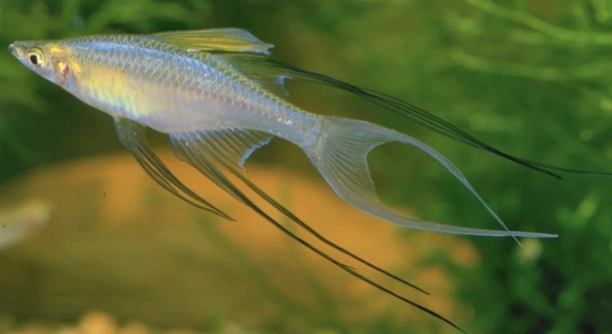
Threadfin rainbowfish are lively, colorful fish that bring energy to any tank. Sometimes, though, they start swimming frantically, which can worry even experienced aquarists. Understanding why this happens helps keep them calm and healthy in their environment.
Panic swimming in threadfin rainbowfish is typically caused by sudden changes in water conditions, presence of aggressive tank mates, insufficient hiding spaces, overfeeding, bright lighting, loud noises, or disease. Each factor triggers stress responses that increase erratic movement and agitation.
Recognizing these triggers early can help maintain a peaceful tank environment and promote the well-being of your rainbowfish. Proper care and awareness are essential for their long-term comfort and health.
Sudden Changes in Water Conditions
Threadfin rainbowfish are very sensitive to water changes. Even small fluctuations in temperature, pH, or hardness can stress them. When I first noticed my fish darting around, I checked the water and realized the heater had shifted the temperature slightly. They also react to rapid changes in ammonia or nitrate levels. Even adding new water too quickly can trigger panic swimming. It is essential to maintain stable water parameters and make gradual adjustments when necessary. Using a thermometer and testing kits regularly helps prevent sudden stress. Over time, I learned that slow water changes, careful monitoring, and consistent conditions keep the fish calm and healthy. Avoiding sudden chemical additives, like medications or fertilizers, unless necessary, also reduces unnecessary panic. Observing the fish’s behavior after changes gives clues about their comfort level. Proper preparation and patience make a significant difference in keeping them settled.
Maintaining consistent water conditions is crucial. Sudden fluctuations cause stress that leads to erratic swimming and reduces overall fish health.
Slow and careful water adjustments help prevent panic. Monitoring water temperature, pH, and chemicals ensures a safe, stable environment.
Aggressive Tank Mates
Aggressive or overly active fish can scare threadfin rainbowfish. When I introduced a new species that was more dominant, my rainbowfish spent hours hiding or swimming frantically. Their small size and delicate nature make them vulnerable to bullying. Even minor chasing can trigger long periods of panic swimming. Tank mates should be chosen carefully to avoid unnecessary stress. Peaceful species that occupy different tank levels work best. Observing interactions during feeding and movement helps identify problems early. Sometimes separating fish temporarily or permanently is needed if aggression persists. I realized that giving them enough space and creating visual barriers like plants or rocks reduces tension. A well-planned tank layout, combined with compatible companions, helps maintain calm swimming behaviors. Overcrowding should also be avoided, as competition for space and food can heighten stress. Properly pairing species and arranging the environment thoughtfully promotes a harmonious tank.
Aggressive companions increase stress, making rainbowfish swim frantically and hide more often.
Careful selection of tank mates and creating hiding spaces minimizes conflict. Observing their behavior and adjusting the environment ensures long-term calm and reduces stress-related health problems. Proper planning and monitoring are key.
Insufficient Hiding Spaces
Threadfin rainbowfish need places to feel safe. Without plants, rocks, or decorations, they swim frantically when stressed or startled. Providing enough hiding spots helps reduce panic swimming and keeps them calmer in the tank.
I noticed that when my tank had only open space, my rainbowfish darted constantly. Adding dense plants and a few rock caves changed their behavior completely. They would retreat and rest instead of swimming in panic whenever a sudden movement or noise occurred. Hiding spaces also allow them to establish personal territory, which lowers stress levels and creates a more balanced environment. Over time, their colors became brighter, and activity more predictable. The difference was noticeable in a few weeks, showing the importance of structural enrichment. Dense foliage, floating plants, and rock formations provide security and mimic natural habitats, allowing rainbowfish to feel in control and safe within the aquarium.
Decorating the tank with plants, rocks, and caves gives rainbowfish secure spaces. This reduces constant panic swimming and encourages natural, calmer behavior.
Overfeeding
Overfeeding can disturb threadfin rainbowfish, making them more active and frantic. Excess food leads to poor water quality, which triggers stress and erratic swimming. Moderation is key to maintaining calm fish.
I learned this when I tried feeding more to encourage growth. The fish became hyperactive, chasing each other, and hiding frequently. Uneaten food decomposed, raising ammonia levels and lowering oxygen, which worsened their panic swimming. Reducing portions to what they could consume in a few minutes immediately improved their behavior. Feeding small amounts multiple times a day instead of one large portion helps maintain stable water quality. I also started removing leftover food promptly and monitoring tank cleanliness. Balanced nutrition, portion control, and a consistent feeding schedule are essential for rainbowfish health. Overfeeding may seem harmless, but it has cascading effects that impact both water conditions and fish behavior. Watching them settle after controlled feeding showed me how sensitive they are to these changes.
Bright Lighting
Threadfin rainbowfish are sensitive to strong lights. Excessive brightness can make them swim frantically, trying to escape or hide. Adjusting light intensity helps them feel secure.
I noticed that dimming the tank lights slightly reduced panic swimming. Providing shaded areas with plants or decorations also allowed them to retreat when needed.
Loud Noises
Sudden or constant loud noises disturb rainbowfish. They respond with erratic swimming and hiding. Household activity, tank equipment, or tapping on glass can trigger stress.
Keeping the tank in a quieter area and avoiding sudden loud sounds helped my fish stay calmer. Over time, their movement became more predictable and relaxed.
Disease
Illness can make rainbowfish restless and cause panic swimming. Internal or external infections often trigger erratic behavior.
Monitoring water quality and observing physical changes like discoloration or fin damage is important to prevent stress-related swimming issues.
FAQ
Why do my threadfin rainbowfish swim frantically at night?
Nighttime panic swimming is often caused by sudden light changes or reflections in the tank. I noticed that when the room lights were turned off abruptly, my fish would dart around for a few minutes. Installing a dim night light or covering part of the tank gradually helps them adjust and stay calmer.
Can tank size affect panic swimming?
Yes, small or overcrowded tanks increase stress and make rainbowfish more prone to panic swimming. My first tank was too small, and the fish constantly bumped into each other. Upgrading to a larger, well-planned tank allowed them enough space to swim freely and establish territories, reducing frantic behavior.
How do I know if water quality is causing stress?
Monitoring ammonia, nitrite, nitrate, and pH levels is essential. I test my water weekly and noticed that slight spikes in ammonia caused instant panic swimming. Clean water with stable parameters prevents stress and keeps fish calm. Regular water changes and filtration maintenance are key.
Do sudden movements outside the tank trigger panic swimming?
Yes, threadfin rainbowfish are very sensitive to external movements. When I walked quickly by the tank or tapped on the glass, the fish would dart frantically. Positioning the tank in a low-traffic area and avoiding sudden disturbances helps minimize this stress.
Can overfeeding cause erratic swimming?
Absolutely. Overfeeding leads to leftover food, which degrades water quality and stresses the fish. I reduced my feeding to small portions that are consumed within minutes. This controlled approach helped stabilize their behavior and prevented frantic swimming episodes.
Are aggressive tank mates a common cause of panic swimming?
Yes. Aggressive or larger fish can intimidate rainbowfish, causing constant hiding and fast swimming. I once added a more dominant species, and the rainbowfish were frantic for weeks. Removing the aggressive fish or choosing peaceful tank mates drastically improved their comfort.
Do disease or parasites make them swim erratically?
Diseases such as fin rot, infections, or internal parasites can trigger stress and panic swimming. I noticed that sick fish often hid and darted suddenly. Observing physical signs like torn fins, discoloration, or unusual behavior helps identify problems early. Prompt treatment keeps them healthier and calmer.
Can lighting intensity impact their behavior?
Yes, bright or fluctuating lighting can cause panic swimming. My rainbowfish calmed down when I dimmed the lights slightly and added floating plants to create shaded areas. Providing consistent and moderate lighting helps them feel secure in their environment.
Does overcrowding affect stress levels?
Overcrowded tanks increase competition for space and food, which triggers panic swimming. I learned that giving them enough space to swim freely and arranging hiding spots reduces stress. Proper stocking levels are essential for maintaining calm and healthy rainbowfish.
How can I prevent panic swimming long-term?
Maintaining stable water conditions, providing hiding spaces, controlling feeding, avoiding aggressive tank mates, and monitoring lighting and noise all contribute to calmer fish. I follow a consistent care routine, observe their behavior, and adjust the environment when needed. These steps prevent frequent panic swimming and support long-term well-being.
What is the first thing I should check if my rainbowfish are panicking?
The first step is to check water quality, including temperature, pH, ammonia, and nitrate levels. I always test water first, as even minor changes can trigger erratic swimming. After confirming stable water, I look at tank mates, hiding spaces, and feeding routines to identify other stress factors.
Can adding plants help reduce panic swimming?
Yes, plants provide shelter and reduce stress. I added dense foliage and floating plants, and the rainbowfish started retreating calmly instead of darting around. Plants mimic their natural habitat, giving them a sense of security and reducing frantic behavior over time.
Final Thoughts
Threadfin rainbowfish are lively and sensitive fish that respond quickly to their environment. Keeping them calm requires careful attention to water quality, tank setup, feeding routines, and tank mates. I have learned that even small changes in temperature, pH, or lighting can trigger panic swimming. When I first started keeping them, I was surprised by how reactive they were to sudden noises or movements around the tank. Over time, observing their behavior and making small adjustments helped me understand what makes them feel safe. Providing hiding spots, moderate lighting, and stable water conditions are essential. These measures not only reduce panic swimming but also support their overall health and comfort in the aquarium. Watching them settle and swim naturally is rewarding and shows the importance of a thoughtful setup.
Maintaining a consistent care routine is key to preventing stress. Overfeeding or neglecting water quality can quickly cause problems, even for experienced aquarists. I used to feed my rainbowfish larger portions, thinking it would make them healthier, but it led to frantic swimming and poor water conditions. By switching to smaller, controlled feedings and removing uneaten food promptly, I noticed calmer behavior and brighter colors. Similarly, overcrowded tanks or aggressive companions can increase stress. Choosing compatible fish and arranging the tank with enough space for each species is crucial. Plants, rocks, and other decorations provide security and allow rainbowfish to retreat when needed. Each adjustment, no matter how small, contributes to a more balanced and peaceful environment.
Observing their behavior regularly helps identify early signs of stress or illness. Panic swimming is often a signal that something in their environment needs attention, whether it is water quality, tank mates, lighting, or nutrition. I make it a point to monitor their movements and check for changes in color, appetite, or interaction with other fish. Acting quickly prevents more serious health issues and ensures that the rainbowfish remain comfortable and happy. Creating a calm and stable environment takes effort, but the results are worth it. Over time, my rainbowfish became more predictable, less frantic, and more vibrant, showing that careful management and attention to detail make a significant difference. Proper care allows them to thrive, and addressing stress factors promptly ensures long-term well-being and a more enjoyable aquarium experience.

Hello,
If you enjoy the content that we create, please consider saying a "Thank You!" by leaving a tip.
Every little bit helps us continue crafting quality advice that supports the health, happiness, and well-being of pets around the world, for pets of all shapes, sizes, and species.
We really appreciate the kindness and support that you show us!