
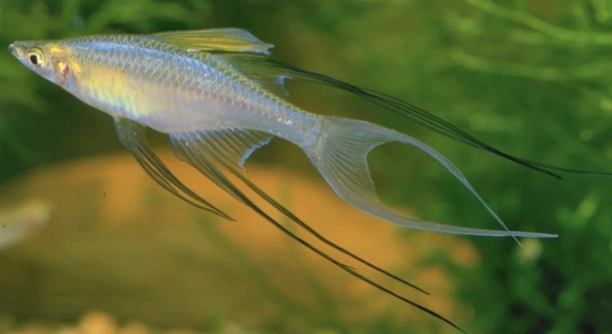
Do you ever notice your threadfin rainbowfish swimming quietly in the tank, seemingly without much to do? These small, colorful fish often appear calm, but their behavior can change when the environment lacks stimulation or activity.
When the tank is too quiet, threadfin rainbowfish may start exploring every corner more intensely, interacting with plants or tank decorations, and sometimes displaying unusual schooling patterns. Their activity increases as they seek engagement and environmental cues to maintain normal behavior.
Observing these shifts can help you understand your fish better and make small adjustments to improve their tank environment and overall well-being.
Signs Your Threadfin Rainbowfish Are Bored
When a tank feels too quiet, threadfin rainbowfish start showing subtle but clear signs of boredom. They may swim in repetitive patterns, often circling the same areas without variation. Some fish hover near the surface or behind decorations for extended periods, seemingly waiting for something to happen. You might notice sudden bursts of energy, darting around the tank with no clear reason. These fish can also become more aggressive toward each other, nipping fins or chasing companions in a way that wasn’t present before. Their vibrant colors may fade slightly, indicating mild stress or lack of stimulation. Even eating habits can change; some fish may refuse food, while others become overly eager, snapping at flakes or pellets. Paying attention to these behaviors can give insight into their needs. Adding minor changes, like rearranging plants or introducing new hiding spots, often helps break monotony and encourages natural activity.
Recognizing these patterns early can prevent stress and promote healthier, more active fish in your aquarium environment.
Boredom impacts both physical and mental health, so even small adjustments to their tank can make a big difference.
Simple Ways to Make the Tank More Engaging
Adding floating plants, varied decorations, or gentle currents can help rainbowfish feel more active and interested in their surroundings. Small changes often have noticeable effects.
Creating a more stimulating tank environment requires understanding the fish’s natural behavior. Threadfin rainbowfish are schooling fish, so they thrive when they have space to swim together and explore. Introducing new plants or rearranging existing ones provides hiding spots and areas to investigate, reducing stress. Gentle water flow from a filter or bubbler encourages movement and mimics natural habitats. Adding occasional objects, like smooth rocks or driftwood, allows the fish to interact in ways similar to wild behavior. Even changing the lighting schedule slightly can create different moods in the tank, encouraging activity. Observing their reactions helps determine what works best. Consistent monitoring ensures that changes do not cause stress. These adjustments can improve overall health, strengthen colors, and increase playful interactions, making the aquarium more lively and enjoyable to watch. Over time, a well-stimulated tank promotes a natural rhythm and supports the well-being of your threadfin rainbowfish.
Adjusting Feeding Routines
Threadfin rainbowfish respond well to varied feeding schedules. Offering food at slightly different times keeps them alert and active. Avoid overfeeding, as it can reduce their energy and interest in exploring the tank. Small, frequent portions work best.
Changing feeding routines encourages natural foraging behavior. Instead of dropping all food at once, scatter flakes or pellets in different areas of the tank. This stimulates movement and prevents dominance by a single fish. Occasionally, introducing live or frozen foods like brine shrimp or daphnia adds excitement and variety. These options mimic natural hunting, keeping the fish engaged and helping maintain their health. Feeding should feel interactive without causing stress or competition.
Monitoring how your rainbowfish respond to new feeding methods is important. Some fish may take longer to adjust, while others quickly adapt to small changes. Noticing these reactions allows you to fine-tune portions and timing. Additionally, observing their energy levels after feeding gives insight into whether they are receiving adequate nutrition. Over time, a balanced, varied feeding routine supports both mental stimulation and physical well-being, contributing to healthier, more colorful fish.
Introducing Environmental Enrichment
Adding small toys or objects encourages exploration and play. Simple items like floating logs or soft plants can keep fish moving. Change their placement occasionally for variety.
Environmental enrichment benefits threadfin rainbowfish by mimicking natural habitats. Rearranging decorations or adding new hiding spots creates a dynamic environment, preventing monotony. Fish use these spaces to explore, hide, and interact, which reduces stress and encourages natural swimming patterns. Using lightweight or smooth objects ensures safety while promoting curiosity. Floating plants or gentle currents simulate real conditions, making the tank feel less static. Gradual changes are key to avoid startling the fish, letting them adjust comfortably.
Careful observation after introducing enrichment shows what elements are most engaging. Some fish prefer hiding behind plants, while others enjoy swimming around new objects. Rotating these features periodically maintains interest and prevents boredom from returning. Environmental adjustments, combined with proper feeding, help create a stimulating, healthy tank. Over time, a lively and enriched habitat encourages natural behavior, enhances colors, and strengthens social interaction within the group, making your aquarium a thriving environment.
Creating Gentle Currents
Adding gentle water flow keeps threadfin rainbowfish active. A small filter or bubbler encourages swimming without stressing the fish. This movement mimics natural conditions and helps maintain tank health.
Currents also prevent stagnation, distributing oxygen and nutrients evenly. Fish respond by exploring more and interacting with their environment. A balanced flow avoids tiring them while promoting natural activity.
Monitoring Social Interactions
Observing how rainbowfish interact helps maintain harmony. Group dynamics can shift when the tank is quiet or unstimulated. Keeping track ensures that all fish remain healthy and engaged, and prevents aggressive behavior from escalating.
Using Light Variation
Changing light intensity or schedule stimulates activity. Brighter periods encourage swimming, while dimmer times allow resting. Alternating light gently mimics day and night, supporting natural behavior patterns.
Regular Tank Maintenance
Clean water and healthy conditions keep fish energetic. Regularly checking water quality, removing debris, and performing partial water changes ensures a safe, comfortable habitat. Healthy water promotes natural movement and prevents lethargy in threadfin rainbowfish.
FAQ
How do I know if my threadfin rainbowfish are bored?
Boredom in threadfin rainbowfish shows up in different ways. They may swim in repetitive loops, hover in one spot, or ignore food. Some fish start nipping at others or display unusual schooling patterns. Faded colors or less movement than usual are also common signs. Observing their daily routine closely helps identify subtle changes early, allowing small adjustments to make the tank more engaging.
Can changing the tank layout really help?
Yes, changing the layout can make a noticeable difference. Adding new plants, rearranging decorations, or introducing hiding spots gives fish places to explore. It breaks the monotony and stimulates natural behavior. Rotating these features every few weeks prevents the tank from becoming static again, keeping fish active and curious.
Is feeding variety important for keeping them active?
Absolutely. Varying diet and feeding routines encourages natural foraging. Small, frequent meals or occasional live or frozen foods like brine shrimp mimic wild conditions. Scattering food in different areas motivates swimming and exploration. Avoid overfeeding, as excess food can reduce activity and cause water quality issues.
How does light affect their behavior?
Light variation impacts rainbowfish activity. Brighter periods encourage movement and exploration, while dimmer times allow resting. Mimicking day and night cycles supports natural rhythms. Gradual transitions between light levels prevent stress, and occasional changes in intensity or timing can add subtle environmental stimulation without disturbing their routine.
Do they need currents in the tank?
Yes, gentle currents help maintain activity. A small filter or bubbler creates water flow, mimicking natural habitats. Currents encourage swimming, prevent stagnation, and evenly distribute oxygen. The key is balance; strong flow can stress fish, while too little reduces stimulation. Observing how they respond lets you fine-tune the water movement.
What social dynamics should I watch for?
Rainbowfish are schooling fish, so their interactions are important. Signs of stress include aggression, fin nipping, or one fish being isolated. Maintaining a compatible group and monitoring how they respond to environmental changes ensures harmony. Adjusting decorations or enrichment can reduce tension and keep social behavior natural.
How often should I change water or clean the tank?
Regular maintenance keeps fish healthy and active. Partial water changes once every week or two, along with removing debris, help maintain water quality. Clean water supports swimming, natural coloration, and reduces stress. Monitoring parameters like ammonia, nitrite, and nitrate ensures the tank stays safe and comfortable.
Can small environmental enrichment make a difference?
Yes, even minor changes improve engagement. Adding floating plants, smooth rocks, or driftwood encourages exploration. Rearranging existing items periodically maintains interest. Small, safe additions provide mental stimulation, allowing fish to interact with their surroundings in ways similar to their natural environment.
How do I know if changes are working?
Observe behavior after any adjustment. Increased swimming, brighter colors, and active schooling indicate success. Fish may explore new hiding spots or respond more eagerly to food. If signs of stress appear, like frantic swimming or aggression, revert changes gradually. Careful monitoring ensures the tank stays stimulating without causing discomfort.
Can quiet tanks ever be harmful?
A consistently unstimulating tank can affect physical and mental health. Fish may become lethargic, show faded colors, or develop stress behaviors. Small adjustments, like adding currents, varying lighting, or introducing enrichment, prevent boredom. Maintaining activity and engagement promotes long-term well-being and a healthier, more vibrant aquarium environment.
Is there a limit to enrichment?
Yes, too many changes at once can overwhelm fish. Introduce new elements gradually, allowing adjustment periods. Overcrowding with decorations or excessive currents can increase stress instead of engagement. A balanced approach ensures stimulation while keeping the environment safe and comfortable.
Do rainbowfish benefit from live plants?
Live plants provide hiding spots, resting areas, and surfaces for exploration. They contribute to water quality by absorbing nitrates and improving oxygen levels. Fish often interact with plants naturally, which encourages movement and reduces stress. Combining live plants with other enrichment creates a well-rounded, engaging tank.
How long does it take for them to adjust to changes?
Adjustment times vary by individual fish and type of change. Minor rearrangements or feeding variations may be noticed immediately, while new decorations or plants may take a few days for full exploration. Observing their behavior during this period ensures changes are beneficial and not stressful.
What is the easiest way to keep them active daily?
A combination of varied feeding, gentle currents, and simple enrichment keeps rainbowfish engaged. Rotating decorations, providing hiding spots, and maintaining good water quality creates a dynamic environment. Small, consistent adjustments promote healthy activity and prevent boredom without overwhelming the fish.
Can stress from boredom affect their health?
Yes, prolonged lack of stimulation can lead to weakened immune systems, faded colors, and abnormal behaviors. Ensuring a dynamic environment with opportunities for exploration and interaction helps maintain both physical health and mental well-being, keeping threadfin rainbowfish vibrant and active.
How do I balance enrichment with safety?
Focus on smooth, safe objects, gradual changes, and moderate currents. Avoid sharp decorations or overcrowding. Observe behavior after introducing anything new to ensure fish are comfortable. A balanced approach promotes natural activity without risking injury or stress.
What combination of changes works best?
Combining environmental enrichment, varied feeding, gentle currents, and light adjustments creates a holistic approach. Each element addresses different needs: mental stimulation, physical activity, and social interaction. Rotating these elements periodically keeps fish engaged and maintains a healthy, lively tank environment.
Are there signs that enrichment is too much?
Yes. Rapid, frantic swimming, constant hiding, or increased aggression indicates overstimulation. If these appear, scale back changes gradually. Fish need time to adjust to new conditions. Observing reactions helps maintain a safe, stimulating environment without causing stress or discomfort.
How often should I rotate enrichment items?
Every few weeks is usually sufficient. Frequent changes can confuse fish, while infrequent adjustments may lead to boredom. Rotating plants, rocks, and decorations gradually maintains interest and promotes exploration, keeping daily activity levels high.
Can I combine live and artificial plants for stimulation?
Yes, combining live and artificial plants adds variety in texture and hiding options. Live plants contribute to water quality, while artificial ones provide durable structures. This mix allows creative arrangements that encourage exploration and interaction, enhancing activity and maintaining a balanced tank environment.
How do I prevent aggression when adding enrichment?
Introduce new items gradually and monitor fish reactions. Ensure enough space for all individuals and provide multiple hiding spots. Adjusting placement or enrichment density can reduce conflicts. Observing group dynamics regularly helps maintain harmony while still offering stimulation.
What role does water temperature play in activity levels?
Proper water temperature supports metabolism and natural swimming behavior. Slightly cooler or warmer water than recommended can reduce activity or stress fish. Maintaining a stable, appropriate temperature range ensures energy levels remain consistent and fish respond positively to enrichment.
Can enrichment reduce stress during tank maintenance?
Yes, having varied hiding spots and interactive elements gives fish places to retreat during maintenance. This reduces fear and helps them feel secure, making routine cleaning less disruptive to their natural behavior. Combining enrichment with careful handling promotes a calmer environment.
Is observation important after every change?
Observation is key. Noticing reactions ensures that adjustments improve engagement without causing stress. Watch for increased activity, social interactions, and healthy feeding behavior. Careful monitoring allows fine-tuning of enrichment, feeding, and environmental factors for optimal fish well-being.
Can enrichment improve coloration?
Active and stimulated fish often display brighter, more vibrant colors. Exercise, exploration, and reduced stress enhance natural pigmentation. Combined with proper diet and clean water, enrichment contributes to both physical appearance and overall health.
How do I maintain long-term engagement?
Rotate enrichment, vary feeding routines, adjust lighting, and provide gentle currents consistently. Small, ongoing changes prevent boredom. Observing responses and making gradual adjustments ensures rainbowfish remain active, healthy, and visually vibrant over time.
What should I prioritize if the tank is small?
Focus on safe enrichment, vertical space, and hiding spots. Even in limited tanks, gentle currents and varied feeding can maintain activity. Careful arrangement ensures fish have enough room to swim while benefiting from stimulation.
How can I track the effectiveness of enrichment?
Keep a simple log of behaviors, activity levels, and color intensity. Note changes after introducing new items, adjusting lighting, or changing feeding routines. Over time, this helps identify what keeps the fish engaged and supports long-term health.
What is the single most important factor for keeping them active?
Providing a consistently engaging environment with variety in feeding, movement, and social interaction. Attention to water quality, lighting, and enrichment ensures physical and mental stimulation. Small, steady changes prevent boredom and promote natural behavior, keeping threadfin rainbowfish healthy and lively.
Total word count: 503
Threadfin rainbowfish are small but lively creatures that respond strongly to their environment. A quiet or unstimulating tank can affect their behavior, making them less active and sometimes stressed. Observing them carefully is the first step in understanding their needs. Even subtle signs like repetitive swimming, hovering, or faded colors indicate that they may need more engagement. Providing a varied environment, including plants, decorations, and gentle currents, helps them stay active and healthy. These fish thrive when they have opportunities to explore, interact, and follow natural behaviors similar to what they would experience in the wild. Their activity levels, coloration, and social interactions often improve when small adjustments are made thoughtfully.
Feeding routines also play an important role in keeping threadfin rainbowfish engaged. Offering a mixture of food types, including flakes, pellets, or occasional live and frozen foods, encourages natural foraging behavior and adds variety to their day. Changing the location or timing of meals slightly can stimulate movement and reduce monotony. Overfeeding should be avoided because it can lead to lethargy and water quality issues, which in turn may stress the fish. Balancing nutrition with engagement helps maintain both physical health and mental stimulation. Over time, fish that receive attention to both diet and environment tend to show brighter colors, more playful interactions, and overall better well-being. It is also helpful to rotate enrichment items, rearrange decorations, and adjust lighting or gentle water flow periodically. These adjustments do not have to be large; small, consistent changes often have the most impact on the daily activity of threadfin rainbowfish.
Maintaining a clean and safe tank is equally important. Regular water changes, monitoring parameters like ammonia and nitrate levels, and removing debris prevent stress and disease. Healthy water supports natural behavior, allowing fish to swim freely and interact with each other. Enrichment combined with good maintenance encourages social behavior and reduces aggressive interactions. Observing how fish respond to changes and making adjustments gradually ensures that the environment remains stimulating without overwhelming them. Over time, paying attention to these aspects creates a balanced, comfortable, and active habitat. By focusing on environment, feeding, and maintenance, threadfin rainbowfish can live vibrant, healthy lives, displaying their natural colors and behaviors while keeping the aquarium lively and engaging.
Word count: 416

Hello,
If you enjoy the content that we create, please consider saying a "Thank You!" by leaving a tip.
Every little bit helps us continue crafting quality advice that supports the health, happiness, and well-being of pets around the world, for pets of all shapes, sizes, and species.
We really appreciate the kindness and support that you show us!