
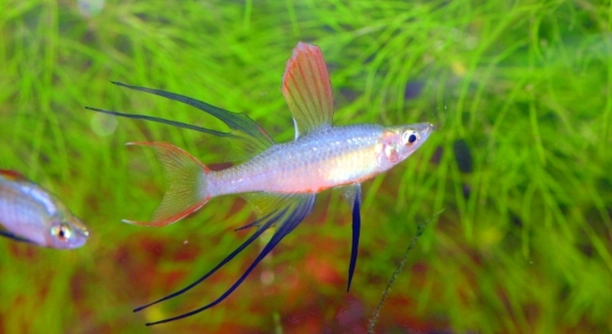
Have you ever cared for Threadfin Rainbowfish and noticed how delicate they seem, especially when using medications in their tank? These beautiful fish add a gentle sparkle to any aquarium, but their sensitivity often surprises fish keepers.
Threadfin Rainbowfish are highly sensitive to copper-based medications because copper disrupts their gill function and damages their delicate mucous membranes. Their small size and thin skin make them more vulnerable to toxic buildup, leading to stress, respiratory issues, and potential death.
Understanding how copper affects these fragile fish can help prevent unnecessary harm and keep your aquarium community thriving in a safer, healthier environment.
How Copper Affects Threadfin Rainbowfish
Copper-based medications are often used to treat parasites and infections, but for Threadfin Rainbowfish, even small amounts can be harmful. Copper affects how oxygen passes through their gills, making it difficult for them to breathe properly. Their delicate gill tissue becomes irritated and inflamed, which can quickly lead to suffocation if not addressed. Additionally, copper interferes with the fish’s natural slime coat, a protective layer that helps them resist bacteria and fungi. Without it, their immune system weakens, leaving them more vulnerable to secondary infections. Since Threadfins are smaller and have thinner skin than many other fish, the effects of copper happen faster and more severely. This sensitivity means that what may be a safe dose for one species could be dangerous for them. Understanding this helps aquarists avoid unintentional harm while keeping treatments safe and effective.
For Threadfins, copper toxicity can occur rapidly, causing stress, heavy breathing, and erratic swimming patterns.
When these symptoms appear, immediate action is necessary to save the fish. Replacing treated water with fresh, dechlorinated water helps dilute the copper concentration. Using activated carbon or specific chemical media in the filter can also remove remaining copper traces. Observation is crucial during this time, as some fish may need additional oxygen or a temporary transfer to a separate, untreated tank. Even after recovery, Threadfins can remain sensitive to future exposures, so caution with any chemical treatment is vital. Regular testing of water parameters and using alternative medications designed for delicate fish can prevent recurring issues. By understanding their vulnerability and adjusting care methods, aquarists can ensure these graceful fish thrive without facing unnecessary risks from copper exposure.
Safer Alternatives to Copper Treatments
For Threadfin Rainbowfish, non-copper medications are much safer and more suitable for treating common diseases.
Many aquarists choose natural remedies or mild treatments when caring for sensitive fish like Threadfins. Aquarium salt, when used properly, can help control mild infections without causing stress. Herbal-based medications containing ingredients such as tea tree or aloe vera can also support healing while protecting the fish’s delicate gills. Quarantining new fish before introducing them to the main tank helps prevent disease spread and reduces the need for strong chemicals. Maintaining stable water conditions and performing regular water changes are essential to boosting their immune system. If stronger medication becomes necessary, products labeled as “copper-free” or “safe for invertebrates” are often suitable. Always research dosage instructions carefully, as overdosing any medication can harm delicate species. Combining good aquarium maintenance with gentle treatment options ensures that your Threadfin Rainbowfish stay healthy, colorful, and stress-free in their aquatic home.
Preventing Copper Exposure in Your Aquarium
Preventing copper exposure starts with understanding what enters your tank. Many aquarium products, such as plant fertilizers, tap water, and certain decorations, may contain traces of copper. Testing your water regularly helps detect and control these levels before they harm your Threadfins.
Using a copper test kit is one of the easiest ways to monitor your aquarium’s safety. Always test new water before adding it to the tank, especially if you use tap water treated with copper plumbing. Installing a reverse osmosis (RO) or deionization (DI) filter system can help remove unwanted metals. When buying aquarium plants or decorations, check if they’re labeled safe for sensitive species. Avoid using any medication or supplement that lists copper as an ingredient unless absolutely necessary. These simple steps can keep your water conditions stable and safe for delicate fish.
Another useful habit is maintaining a consistent cleaning routine. Regular partial water changes help dilute any trace elements that might build up over time. Cleaning filters and substrate gently ensures harmful residues don’t remain trapped where they can affect your fish. Always quarantine new fish or plants before adding them to the main tank, as some can carry hidden contaminants. Using natural filtration aids, like driftwood or certain aquatic plants, can also support cleaner, more balanced water. Taking small preventive steps regularly creates a safer and more stable environment, helping your Threadfin Rainbowfish thrive long-term without the hidden risks of copper exposure.
Recognizing Copper Poisoning Symptoms
Copper poisoning can appear suddenly in Threadfin Rainbowfish. Early signs include rapid gill movement, loss of color, and difficulty swimming. In more severe cases, the fish may stop eating, rest near the bottom, or appear disoriented and lethargic.
If you suspect copper poisoning, the first step is to test your water immediately. Removing the source of contamination is critical. Perform a partial water change and add activated carbon or copper-removing filter media. Keep the water well-oxygenated, as affected fish often struggle to breathe. Monitor them closely over the next few days for any sign of improvement. If symptoms persist, consider moving them to a clean hospital tank for further observation. Feeding high-quality food and reducing stress during recovery can also support healing. Acting quickly not only saves your fish but also prevents long-term damage that can affect their health and lifespan.
How to Treat Copper-Exposed Threadfin Rainbowfish
When Threadfin Rainbowfish are exposed to copper, immediate action is necessary. Start by removing any copper-based medication or decoration from the tank. Replace part of the water with fresh, dechlorinated water to dilute the copper concentration and reduce further stress on the fish.
Add activated carbon or a copper-removing resin to the filter to eliminate remaining traces. Keep the water temperature stable and maintain good aeration to support recovery. Avoid feeding for the first day if the fish seem weak, then offer light, high-quality meals once they start showing improvement.
Supporting Recovery and Building Immunity
After copper exposure, fish need time and a stable environment to recover. Consistent water changes and clean conditions help prevent infections while their natural defenses rebuild. Feeding them nutrient-rich foods, like frozen daphnia or brine shrimp, can also help boost their energy and immunity. Avoid any strong chemicals during this period.
Final Thoughts on Copper Sensitivity
Threadfin Rainbowfish can live long, healthy lives when handled with care and attention. Understanding their sensitivity helps prevent avoidable problems and ensures a peaceful, thriving aquarium where these graceful fish can display their full beauty without unnecessary stress.
FAQ
Why are Threadfin Rainbowfish more sensitive to copper than other fish?
Threadfin Rainbowfish have thinner skin and delicate gills, making them more vulnerable to chemicals in the water. Copper affects oxygen transfer and irritates their gill tissue more than it does in hardier fish. Even small amounts can quickly cause stress, breathing issues, and color loss.
Can copper-free medications be used safely with Threadfins?
Yes, copper-free medications are generally safer. Products containing herbal extracts or mild anti-parasitic agents work well for delicate fish. Always follow dosage instructions and avoid overdosing, as even non-copper treatments can cause stress if not used carefully.
How do I know if my fish are exposed to copper?
Signs include rapid gill movement, pale coloration, lethargy, loss of appetite, and unusual swimming patterns. Observing your fish closely during and after any treatment or water changes helps catch exposure early. Testing water for copper levels confirms the risk.
What should I do immediately if my fish are exposed to copper?
Stop any copper-based treatment immediately. Perform a partial water change with dechlorinated water and use activated carbon or copper-removing media in the filter. Increase aeration and keep the fish in a calm environment. Monitor their breathing and behavior closely for several days.
Are there preventative measures to avoid copper exposure?
Yes. Test tap water before adding it to the tank, and consider using a reverse osmosis or deionization system. Quarantine new fish and plants to prevent hidden contamination. Avoid decorations or supplements that may contain copper, and always read labels carefully before use.
Can Threadfin Rainbowfish recover fully from copper exposure?
If addressed early, many Threadfins recover fully. Recovery depends on the severity and duration of exposure. Maintaining clean water, proper oxygen levels, and gentle handling supports their immune system and speeds up healing. Recovery may take several days to a few weeks.
Is copper present in tap water a risk for Threadfins?
It can be. Some municipal water supplies contain trace amounts of copper from pipes. Regular testing and using a water conditioner or filtration system designed to remove metals reduces this risk. Partial water changes also help dilute any copper present.
Are there safer alternatives to chemical treatments for common fish diseases?
Yes. Regular water changes, quarantining new arrivals, using aquarium salt carefully, and herbal-based medications are safer options. Maintaining stable water conditions and a balanced diet improves fish immunity and reduces the need for strong chemical treatments.
How often should I test my water for copper?
Testing depends on the tank setup. For sensitive species like Threadfins, monthly testing is recommended. Testing is especially important after adding new fish, plants, or treatments. Frequent checks help detect harmful levels before fish show symptoms.
Can copper affect other species in a community tank?
Yes, but the impact varies. Hardier fish may tolerate low copper levels, but delicate species, invertebrates, and shrimp are often harmed. Always research the tolerance of all species in your tank before using any copper-based product.
What feeding practices support recovery after copper exposure?
Provide high-quality, nutrient-rich foods like brine shrimp, daphnia, or high-protein flakes. Offer small, frequent meals rather than large portions. Avoid stressful handling and maintain clean water to maximize nutrient absorption and support immune recovery.
Are there long-term effects of mild copper exposure?
Repeated or prolonged exposure can weaken gill tissue and immunity, making fish prone to infections. Even low levels over time can cause stress, slower growth, and reduced coloration. Preventing exposure is always better than relying on treatment after the fact.
Can Threadfins live safely in a tank with copper-tolerant species?
They can, but care must be taken. Avoid using copper-based medications, monitor water parameters closely, and provide ample hiding spaces. Separation during treatment is ideal if copper-based medication is unavoidable. Maintaining a stable, clean environment reduces overall risk.
What is the safest way to treat a community tank if Threadfins are present?
Use non-copper treatments whenever possible. Quarantine affected fish in a separate tank for treatment if copper is unavoidable. Monitor all tank inhabitants closely and perform water changes to prevent accidental exposure. Keeping Threadfins safe requires careful planning and observation.
How do I choose a copper-free medication?
Read product labels carefully and look for “copper-free” or “safe for sensitive species.” Research ingredients, check reviews from aquarists who keep delicate fish, and follow the manufacturer’s dosing instructions exactly. Always start with the lowest effective dose.
Is monitoring behavior enough to detect copper toxicity?
Observing behavior is helpful but not enough. Visible signs may appear after some damage has occurred. Regular water testing for copper ensures early detection and prevents serious health problems before symptoms become severe.
Can plants or substrate release copper into the water?
Yes, some plants, fertilizers, and substrates contain copper. Check labels carefully and rinse new decorations and substrates before adding them to the tank. Using safe, tested products reduces the risk of accidental exposure to delicate Threadfins.
What are the most common mistakes leading to copper exposure?
Using copper-based medications without considering species sensitivity, ignoring tap water metal content, and adding contaminated plants or decorations are common causes. Overdosing even mild medications and skipping quarantine also increase risk. Awareness and careful planning prevent these mistakes.
How can I make my aquarium safer overall for Threadfins?
Regular water testing, avoiding harmful chemicals, quarantining new fish and plants, using copper-free treatments, and maintaining clean water conditions all help. Providing hiding spots and stable water parameters reduces stress, which supports overall health and longevity for these delicate fish.
Can Threadfin Rainbowfish tolerate short-term exposure to copper if carefully monitored?
Short-term, minimal exposure may be tolerated in some cases, but it’s risky. Their gills and skin are very sensitive, so even brief contact can cause stress or long-term damage. Avoiding copper entirely is the safest approach for their health and well-being.
What are the signs that recovery is progressing well?
Improved swimming, regained coloration, normal gill movement, and consistent feeding indicate recovery. Fish appear more alert and active over time. Monitoring these positive changes helps confirm that your interventions are effective and that the environment is safe.
How important is tank maintenance in preventing copper issues?
Extremely important. Regular water changes, cleaning filters, and removing potential copper sources prevent harmful accumulation. Consistent maintenance reduces stress, supports immunity, and ensures Threadfin Rainbowfish remain healthy without accidental exposure to toxic metals.
Can other metals also affect Threadfins?
Yes, metals like zinc, lead, and aluminum can be harmful in sufficient concentrations. Monitoring overall water quality and using tested sources for water, decorations, and supplements reduces the risk of metal-related health issues in delicate species.
Threadfin Rainbowfish are beautiful and delicate fish that require careful attention to thrive. Their sensitivity to copper-based medications highlights the importance of understanding the needs of each species in an aquarium. Many aquarists do not realize that what is safe for other fish can be harmful to Threadfins. Even small amounts of copper can irritate their gills, interfere with their breathing, and weaken their immune system. Taking precautions, such as testing water and avoiding copper-containing products, helps protect these fish from unnecessary stress and illness. Awareness of their vulnerability is the first step toward maintaining a healthy and safe environment for them.
Providing a stable, clean, and well-maintained tank is essential for the overall well-being of Threadfin Rainbowfish. Regular water changes, monitoring water parameters, and using safe filtration methods prevent the accumulation of harmful substances. Even decorations and plants can introduce metals or chemicals that affect sensitive species, so careful selection and preparation are important. In addition, quarantining new fish and plants reduces the risk of introducing hidden toxins or disease. A consistent routine and gentle handling reduce stress, which is particularly important for Threadfins because stress can make them more susceptible to illness. Maintaining a calm and balanced environment allows these fish to display their natural colors and behavior while minimizing health risks.
Recovery and prevention are both key aspects of caring for Threadfin Rainbowfish. If copper exposure occurs, prompt action such as water changes, removal of copper sources, and use of activated carbon can help reduce harm. Supporting their recovery with clean water, adequate oxygenation, and high-quality food strengthens their immune system and promotes healing. Moving forward, choosing copper-free medications and natural remedies ensures the fish remain safe while managing common health issues. Being aware of the fish’s sensitivity helps aquarists prevent mistakes that could have lasting consequences. By focusing on careful observation, preventive care, and proper maintenance, Threadfin Rainbowfish can live long, healthy lives, bringing color and activity to any aquarium. Their delicate nature should be respected, but with attention and proper care, they are resilient and rewarding to keep.

Hello,
If you enjoy the content that we create, please consider saying a "Thank You!" by leaving a tip.
Every little bit helps us continue crafting quality advice that supports the health, happiness, and well-being of pets around the world, for pets of all shapes, sizes, and species.
We really appreciate the kindness and support that you show us!