
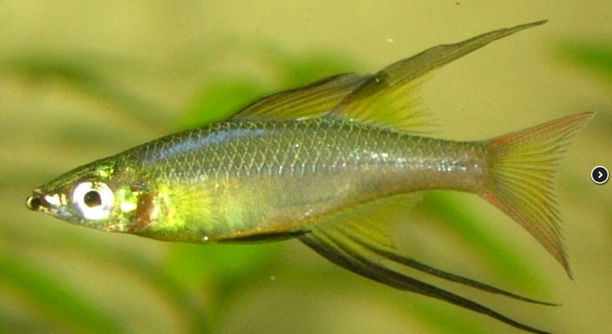
Have you ever noticed how the shape of an aquarium can subtly affect the way your fish swim and interact within their environment?
Threadfin Rainbowfish tend to prefer round tanks over square ones, as the curved design promotes smoother swimming patterns and reduces stress. The lack of corners allows for uninterrupted movement, mirroring their natural habitat and encouraging healthier social behavior among the group.
Understanding how tank shape influences your fish’s comfort can help you create a more natural and enriching environment for your Threadfin Rainbowfish.
Understanding Tank Shape and Its Effect on Behavior
Threadfin Rainbowfish are known for their graceful swimming and social nature, which makes tank design an important part of their well-being. In round tanks, they can move freely without sharp corners interrupting their flow. This continuous motion mirrors how they swim in open waters, helping them feel more secure. Square tanks, on the other hand, can restrict movement and create uneven swimming patterns. Corners often become areas of hesitation or territorial behavior, especially among males. Over time, this can lead to unnecessary stress and reduced activity. A round tank allows the group to interact more naturally and maintain consistent social behavior. Their delicate fins also benefit from smooth water circulation, which is often better in curved tanks. Paying attention to these small environmental details makes a noticeable difference in their comfort and overall health.
When your fish can swim freely without interruption, their colors appear brighter, and their movements become more synchronized and peaceful.
Round tanks also distribute light evenly, which brings out the natural shimmer of Threadfin Rainbowfish. In square tanks, light can reflect harshly off corners, causing sudden flashes that may startle them. A softer environment encourages their calm, gliding behavior.
Creating the Ideal Setup for Threadfin Rainbowfish
Choosing the right tank shape is only the first step toward maintaining a healthy environment. Threadfin Rainbowfish thrive best when their space mimics the gentle flow of their natural habitat.
To create a balanced setup, aim for a round tank with sufficient swimming space—around 20 gallons for small groups. Include plants such as Java fern or Anubias to provide shade and subtle boundaries without cluttering their space. Gentle filtration is crucial, as strong water currents can disturb their delicate fins. Keep the water temperature between 75 and 82°F with a stable pH close to neutral. Lighting should be moderate, enhancing their reflective scales without causing stress. Avoid overcrowding; Threadfins appreciate calm surroundings with plenty of space to display their elegant swimming style. Regular water changes and consistent care will help maintain clarity and oxygen levels, ensuring they remain active and vibrant. A well-designed round tank not only supports their natural instincts but also brings out their most striking and graceful appearance.
Water Flow and Oxygen Circulation
Round tanks naturally encourage smoother water flow, reducing stagnant zones where debris or waste can collect. This design supports consistent oxygen distribution, keeping Threadfin Rainbowfish active and preventing uneven water quality that could affect their swimming rhythm or stress levels.
Proper oxygenation is essential for maintaining their health, as Threadfins are sensitive to poor water conditions. In round tanks, water currents move evenly, allowing efficient gas exchange on all sides. This prevents the buildup of harmful substances and supports the fish’s delicate respiratory needs. Square tanks, in contrast, can develop still areas, particularly near corners, where water circulation is weaker. Over time, these stagnant spots can lead to algae buildup and reduced oxygen levels. Consistent flow not only keeps your tank cleaner but also enhances your fish’s vitality and behavior. Their fins will move effortlessly as they glide through evenly oxygenated water.
Maintaining this balance requires careful use of filters and air stones positioned to follow the tank’s natural circulation. In round tanks, place them near the sides to promote even flow without creating harsh currents. This setup ensures oxygen reaches every part of the tank, supporting both fish and plants. Monitoring bubbles and gentle surface movement helps confirm proper aeration.
Lighting and Environmental Comfort
Threadfin Rainbowfish thrive under soft, diffused lighting that enhances their iridescent colors without overwhelming their senses. Harsh or uneven lighting can lead to stress and dull coloration, while consistent, gentle illumination allows their natural beauty to shine through each movement.
Round tanks distribute light more evenly, eliminating the harsh reflections often seen in square designs. This even lighting creates a calming environment and highlights their shimmering fins in a natural way. For best results, use adjustable LED lighting that mimics daylight cycles, offering a balance of brightness and rest. Too much light can cause algae growth, while too little reduces activity. Keep the light on for about eight to ten hours daily, providing a sense of routine. Positioning plants strategically also helps diffuse brightness and gives Threadfins shaded areas to retreat, ensuring they feel safe and comfortable throughout the day.
Feeding Behavior and Tank Design
Threadfin Rainbowfish feed more comfortably in open, rounded spaces where food can circulate evenly. In round tanks, food spreads naturally, preventing crowding and competition. This reduces stress and ensures every fish gets proper nutrition without aggression or uneven feeding habits developing.
In square tanks, food often collects in corners, leading to leftover debris and uneven feeding patterns. Fish may become territorial around these spots, increasing tension in the group. A round tank’s balanced flow helps maintain harmony, encouraging calm and coordinated feeding among the entire shoal.
Social Interaction and Space Awareness
Threadfin Rainbowfish are peaceful and social, requiring enough space to maintain stable group dynamics. Round tanks allow them to swim in continuous loops, promoting interaction and synchronized movement. This structure supports their natural schooling instincts and prevents isolation or dominant behavior from emerging among stronger individuals.
Monitoring Stress Indicators
Watch for signs like clamped fins, dull colors, or erratic swimming, as these indicate discomfort or poor tank conditions. Threadfins quickly respond to environmental changes, so maintaining stable lighting, flow, and water parameters helps keep them vibrant, calm, and consistently active in their aquatic home.
FAQ
Do Threadfin Rainbowfish really prefer round tanks over square tanks?
Yes, they do. Round tanks allow continuous swimming without corners to interrupt their natural motion. This supports calmer behavior, better social interaction, and reduces stress. Square tanks can create corners where fish hesitate or act territorially, which may disrupt their schooling and overall comfort.
How large should a round tank be for Threadfin Rainbowfish?
A minimum of 20 gallons is recommended for a small group. More space is always better, as Threadfins are active swimmers. The tank should provide ample horizontal swimming room rather than vertical height. Larger round tanks support schooling, improve water flow, and enhance oxygen distribution.
What type of filtration works best in a round tank?
Gentle filtration is ideal. Threadfin Rainbowfish have delicate fins that can be damaged by strong currents. Use a filter that encourages smooth, even water flow around the tank. Position it so circulation reaches all areas, preventing stagnant zones and maintaining water quality consistently.
How should I arrange plants and decorations?
Plants like Java fern, Anubias, or floating species work well. Avoid overcrowding the tank, as Threadfins need open swimming space. Use decorations to create shaded areas or subtle boundaries without obstructing the flow of movement. Rounded tanks make it easier to place items without disrupting swimming paths.
What lighting setup suits Threadfin Rainbowfish best?
Soft, diffused lighting works well. Round tanks distribute light evenly, reducing reflections and stress. LED lighting on an 8–10 hour cycle mimics natural daylight. Strategically placed plants can soften the light and provide shaded areas, allowing fish to rest and feel secure throughout the day.
How often should I feed them, and what should I offer?
Feed small amounts two to three times daily. Provide a mix of high-quality flake or pellet food along with frozen or live foods like daphnia, brine shrimp, or bloodworms. Ensure food is evenly distributed to prevent competition, which is easier to manage in a round tank.
Can Threadfin Rainbowfish live peacefully with other species?
Yes, they are generally peaceful and do well with other non-aggressive species of similar size. Avoid fin-nipping fish or overly aggressive species. Their schooling nature is best supported in a calm environment, which is easier to maintain in a round tank where movement and social interactions are balanced.
How do I monitor their health effectively?
Observe fins, swimming patterns, and coloration. Healthy Threadfins display vibrant colors, smooth gliding motion, and synchronized schooling. Clamped fins, erratic swimming, or fading colors may indicate stress or poor water quality. Maintaining stable water parameters, gentle flow, and balanced lighting helps prevent these issues.
What water parameters are ideal for Threadfin Rainbowfish?
Maintain a temperature between 75–82°F and a pH close to neutral. Keep ammonia, nitrite, and nitrate levels low through regular water changes and proper filtration. Stable conditions are crucial, as Threadfins are sensitive to sudden changes in water chemistry.
Is there anything specific to avoid in tank maintenance?
Avoid overcrowding, sudden changes in temperature, or strong water currents. Round tanks help maintain natural movement and reduce stress, but regular cleaning and careful observation are still necessary. Neglecting these factors can lead to poor behavior, health problems, and dull coloration.
How do I encourage schooling behavior?
Keep a group of at least six to eight individuals. Round tanks support continuous movement, allowing fish to school naturally. Open swimming space, consistent flow, and balanced lighting help them maintain synchronized movement, which reduces stress and enhances their overall display of color and activity.
Can round tanks improve the lifespan of Threadfin Rainbowfish?
Yes, indirectly. By reducing stress, improving water flow, and supporting natural behavior, round tanks contribute to better health and vitality. Healthier fish are less prone to disease, more active, and display stronger coloration, which can positively impact longevity.
Are there any special considerations for breeding in round tanks?
Round tanks can provide an easier environment for observing courtship and protecting eggs. Ensure plants or fine-leaved species are present to give eggs and fry safe hiding spots. Maintain stable water parameters and gentle flow to prevent disturbance and improve survival rates of offspring.
How often should I perform water changes?
Weekly water changes of 20–30% are ideal. This helps maintain clarity, oxygen levels, and overall water quality. In round tanks, circulation supports even distribution of nutrients and oxygen, but regular maintenance is still necessary to prevent buildup of waste and harmful chemicals.
What is the best temperature range for Threadfin Rainbowfish?
Keep the water between 75 and 82°F. Maintaining this temperature range supports metabolism, swimming activity, and breeding behavior. Sudden drops or spikes can cause stress, weaken the immune system, and affect overall coloration, which is especially noticeable in sensitive species like Threadfin Rainbowfish.
Can I keep Threadfins in a planted tank?
Yes, they do well in planted tanks. Plants provide shade, boundaries, and security while leaving enough open space for swimming. Floating plants or hardy species like Anubias and Java fern work well, complementing the rounded design and enhancing both aesthetic and functional aspects of the aquarium.
This FAQ section covers practical care, environmental setup, and health monitoring for Threadfin Rainbowfish, emphasizing the advantages of round tanks for their natural behavior and comfort.
Would you like me to continue with the next section following the headers you’ll provide?
Round tanks are clearly beneficial for Threadfin Rainbowfish, offering an environment that closely mirrors their natural swimming habits. The continuous, unobstructed space allows them to move gracefully and interact naturally with each other. Fish in round tanks show calmer behavior, better social cohesion, and less territorial stress compared to those kept in square tanks. Corners in square tanks can create hesitation zones where fish may become stressed or aggressive, and over time, this can affect their health and coloration. By choosing a round tank, you are providing a smoother flow of water that reduces stagnant spots and evenly distributes oxygen. This simple adjustment can make a significant difference in the well-being of your fish, helping them remain active, vibrant, and comfortable in their home. It is a small but effective way to enhance both their quality of life and your ability to maintain a healthy aquarium environment.
In addition to tank shape, it is important to consider the setup and maintenance of the aquarium. Threadfin Rainbowfish thrive in spaces that provide sufficient swimming room while including plants or decorations that create natural boundaries without obstructing movement. Soft, diffused lighting works best, allowing their colors to shine without causing stress or agitation. Regular filtration and water changes maintain oxygen levels and water clarity, which are crucial for their health. Feeding should be evenly distributed to prevent competition, and the group should be of sufficient size to encourage natural schooling behavior. Attention to these factors ensures that the tank remains balanced, allowing Threadfins to display their full range of natural behavior and interact comfortably with each other. Small adjustments, like plant placement or light intensity, can have noticeable effects on the overall atmosphere, making it easier to monitor the fish and enjoy their activity.
Finally, understanding the needs of Threadfin Rainbowfish goes beyond just the tank shape. Regular observation of swimming patterns, coloration, and behavior will help identify stress or health issues early. Fish that are calm, bright, and schooling effectively indicate that the environment is suitable. Maintaining stable water parameters and providing gentle water flow support their natural tendencies while preventing unnecessary stress. Round tanks, combined with careful setup and consistent care, create an environment that promotes long-term health and activity. By focusing on these simple but critical details, you can create a home where Threadfin Rainbowfish thrive, displaying their natural beauty and behavior in a safe and supportive space. Attention to the tank design, maintenance routines, and social needs of the fish ensures a balanced, healthy, and visually pleasing aquarium.

Hello,
If you enjoy the content that we create, please consider saying a "Thank You!" by leaving a tip.
Every little bit helps us continue crafting quality advice that supports the health, happiness, and well-being of pets around the world, for pets of all shapes, sizes, and species.
We really appreciate the kindness and support that you show us!