
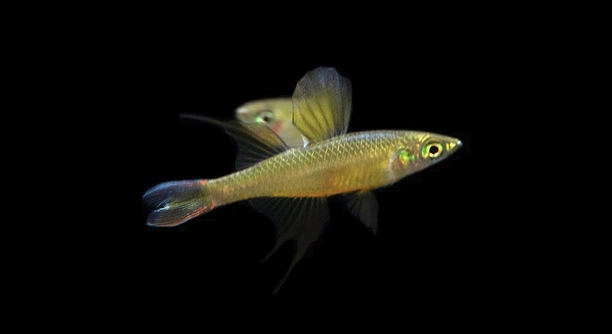
Have you ever wanted to keep Threadfin Rainbowfish but felt unsure about their care requirements? Many fishkeepers encounter conflicting advice, making it difficult to know which practices are accurate and which are misleading for these colorful freshwater fish.
Several myths surround Threadfin Rainbowfish care, often causing unnecessary concern or improper handling. Misconceptions range from dietary needs and tank conditions to social behavior. Correcting these myths ensures healthier, more vibrant fish and promotes responsible aquarium management.
Understanding these common misunderstandings will help improve your fishkeeping practices. Proper knowledge allows you to create a thriving environment for your Threadfin Rainbowfish.
Myth 1: Threadfin Rainbowfish Can Live Alone
Many people assume Threadfin Rainbowfish are fine on their own, but this is misleading. These fish are naturally schooling species, thriving in groups of six or more. Keeping a single fish can lead to stress, suppressed colors, and irregular behavior. In small groups, their social interactions are limited, and they may hide more often or show signs of anxiety. Stress can also affect their immune system, making them more susceptible to disease. When kept in proper group sizes, their natural schooling behavior appears, including synchronized swimming and more active feeding habits. Proper tank setup with hiding spots, open swimming areas, and clean water enhances their social experience. Observing them in groups also allows caretakers to notice normal versus abnormal behavior more easily. These fish display their best colors, behaviors, and overall health when in an environment that mirrors their natural social structures.
A single Threadfin Rainbowfish often appears duller and less active compared to a group, which can reduce its lifespan.
Providing at least six fish creates a lively and balanced aquarium, ensuring they interact naturally and maintain vibrant colors, promoting overall well-being.
Myth 2: Threadfin Rainbowfish Eat Anything
Threadfin Rainbowfish are often thought to accept any food, but their diet is more specific. While they will nibble on flakes or pellets, they require a variety of live or frozen foods for proper nutrition. Feeding only one type of food can lead to deficiencies, poor growth, or weaker immune systems. A balanced diet includes brine shrimp, daphnia, and high-quality flakes to meet protein and vitamin needs. Overfeeding can also be an issue, causing water quality problems and obesity. Portion control is important, providing small amounts two to three times a day. Observing feeding behavior ensures all fish receive adequate nutrition without leaving excess food in the tank, which could harm water conditions.
A varied diet keeps Threadfin Rainbowfish healthy, maintaining color vibrancy and energy levels.
Careful selection of food ensures long-term health. Rotating live, frozen, and high-quality prepared foods supports growth, prevents deficiencies, and encourages natural foraging behavior. Feeding in moderation reduces waste and keeps the aquarium clean. With proper attention, these fish remain energetic, healthy, and visually striking, demonstrating the benefits of attentive dietary management.
Myth 3: They Can Tolerate Any Water Condition
Threadfin Rainbowfish do best in stable water with moderate hardness and a pH around 6.5–7.5. Sudden changes can stress them, affecting health and color.
Maintaining consistent temperature and water quality is essential. Frequent fluctuations in pH or hardness can weaken their immune system and make them prone to disease. Filtration and regular water changes help preserve stability. While they are adaptable, extreme conditions should be avoided. Proper testing ensures levels remain within the safe range, preventing long-term issues. A well-established tank with plants, gentle flow, and suitable substrate provides a comfortable environment for these fish. Observing fish behavior can indicate water quality problems before severe effects occur.
Even minor deviations from optimal water parameters can impact their activity, appetite, and coloration. Monitoring water chemistry, temperature, and cleanliness supports health. Avoid overstocking and sudden chemical additions, which disrupt stability. Patience in acclimating them to new tanks reduces stress, encouraging normal behavior and vibrant displays over time.
Myth 4: They Don’t Need Space to Swim
Threadfin Rainbowfish need ample swimming room despite their small size. Crowded tanks limit natural behavior and can lead to stress.
Providing open areas allows them to school freely. Small, cluttered tanks restrict movement, reducing activity and affecting growth. Proper space encourages healthy interaction and displays of color.
A tank of at least 30 gallons is recommended for a small group. Adding plants and decorations is beneficial, but ensure swimming lanes remain. Limited space can result in aggressive behavior and hiding, even in peaceful species. Observing schooling behavior is easier in a well-planned tank. Regularly monitoring tank layout allows adjustments as the group grows or changes. Sufficient swimming space also helps maintain water quality, as overstocked tanks experience more waste buildup, increasing filtration demands. A balanced environment promotes health, color, and natural activity, making care more straightforward.
Myth 5: They Are Always Hardy
Threadfin Rainbowfish are often considered extremely hardy, but they are sensitive to poor water quality and sudden changes. Proper care and monitoring are required to prevent stress and illness.
Even minor neglect, such as skipped water changes or overfeeding, can quickly impact their health. Stress lowers immunity and makes them prone to disease, so attention to daily care is necessary.
Myth 6: They Can Thrive Without Filtration
Filtration is essential for maintaining clean water and stable conditions. Without it, waste accumulates quickly, creating a harmful environment for Threadfin Rainbowfish.
A good filter ensures oxygenation, reduces toxins, and supports beneficial bacteria. Even with regular water changes, filtration stabilizes the tank, preventing sudden spikes in ammonia or nitrite. Consistent maintenance keeps fish active and vibrant.
Myth 7: They Don’t Require Social Interaction
These fish are social and show stress if isolated. Group living is necessary for natural behavior.
Threadfin Rainbowfish display schooling patterns, which are absent when kept alone, leading to reduced activity and color vibrancy.
FAQ
How many Threadfin Rainbowfish should I keep together?
Threadfin Rainbowfish are schooling fish and need at least six individuals to display natural behavior. Smaller groups often result in stress, hiding, and dull coloration. A larger group enhances social interaction, improves activity levels, and allows their vibrant colors to appear consistently.
What type of tank setup is best for them?
A tank of at least 30 gallons is recommended for a small group. Include open swimming areas, planted sections, and gentle water flow. Substrate can be fine gravel or sand, and hiding spots like rocks or decorations provide security. Proper filtration and heating maintain stable water conditions.
What water parameters are ideal?
Threadfin Rainbowfish thrive in moderately hard water with a pH between 6.5 and 7.5 and temperature around 24–28°C (75–82°F). Regular testing helps prevent sudden fluctuations. Stability is more important than exact numbers, and acclimating new fish slowly avoids stress.
What should I feed them?
A varied diet is essential. Feed high-quality flakes or pellets supplemented with live or frozen foods like brine shrimp, daphnia, or bloodworms. Offer small portions two to three times daily to prevent overfeeding and maintain water quality. Variety supports growth, health, and vibrant coloration.
Can they live with other fish?
Threadfin Rainbowfish are peaceful and can be kept with other non-aggressive species of similar size. Avoid larger, predatory fish that may see them as food. Suitable tankmates include other rainbowfish species, small tetras, or peaceful barbs, ensuring harmony and reduced stress.
How often should I perform water changes?
Weekly water changes of 20–30% help maintain stable water quality. Overfeeding and crowded tanks increase the need for frequent water maintenance. Regular changes prevent toxin buildup, support health, and reduce the risk of disease.
How long do they live?
With proper care, Threadfin Rainbowfish can live five to eight years. Consistent diet, stable water conditions, and social interaction contribute to longevity. Stress, poor nutrition, or inadequate tank setup may shorten their lifespan.
Do they require special lighting?
Moderate lighting is sufficient. Plants benefit from proper lighting, and it helps fish display their colors naturally. Excessive light may promote algae growth, while very dim lighting can dull coloration. A regular day-night cycle is recommended.
How can I tell if my fish is stressed?
Signs include hiding frequently, loss of appetite, faded colors, or erratic swimming. Stress often results from poor water quality, improper social grouping, or sudden environmental changes. Addressing these issues quickly can restore health and normal behavior.
Is breeding them difficult?
Breeding is possible with proper tank setup and healthy adults. Provide slightly acidic water, live plants for egg attachment, and a stable environment. Remove adults after spawning to prevent predation of eggs. Fry require fine live or powdered foods until large enough for regular feeding.
Are they sensitive to temperature changes?
Yes, sudden drops or spikes in temperature can cause stress or illness. Keep the tank within 24–28°C (75–82°F) and acclimate new fish slowly. Using a heater with a thermostat ensures stable conditions, reducing the risk of temperature-related problems.
Can I keep them in a small tank?
A very small tank is not recommended, even for a few fish. Limited space reduces swimming ability, increases stress, and can impact health. A minimum of 30 gallons allows room for schooling behavior, decorations, and stable water conditions.
What maintenance tasks are most important?
Regular water testing, weekly water changes, filter cleaning, and monitoring feeding habits are crucial. Observing behavior daily helps catch early signs of illness. Consistent care ensures vibrant, active, and healthy fish in the long term.
How do I prevent disease?
Maintain stable water quality, avoid overfeeding, and quarantine new fish before introducing them. A balanced diet and stress-free environment strengthen immunity. Promptly isolate any sick fish and treat appropriately to prevent outbreaks in the tank.
Can they adapt to tap water?
Threadfin Rainbowfish can adapt if water parameters are properly adjusted. Use a dechlorinator, monitor hardness and pH, and acclimate fish gradually. Sudden exposure to untreated or highly different water can cause stress or shock.
Are Threadfin Rainbowfish aggressive?
They are generally peaceful, though mild chasing may occur in large groups. Aggression is rare but can happen if the tank is overcrowded or stressed. Keeping sufficient space and proper social numbers minimizes conflict.
Do they require a cover for the tank?
Yes, they are active swimmers and may jump. A secure lid prevents accidents and maintains stable water conditions, protecting the fish and ensuring a safe environment.
How often should I feed them?
Two to three small feedings per day are ideal. Overfeeding can cause water pollution and obesity, while underfeeding reduces energy and color intensity. Observe behavior to adjust feeding amounts appropriately.
Can they live without plants?
Plants are not required but highly recommended. They provide hiding spots, improve water quality, and support natural behavior. Without plants, the tank should still include open swimming areas and decorations to reduce stress.
Are they suitable for beginners?
Yes, with basic knowledge of water parameters, diet, and social needs, Threadfin Rainbowfish can be cared for successfully. Consistent maintenance, a suitable tank setup, and attention to group dynamics ensure a healthy, active, and colorful aquarium population.
Final Thoughts
Caring for Threadfin Rainbowfish can be very rewarding when their basic needs are met. These fish are peaceful, colorful, and display fascinating schooling behavior that adds life to any tank. Understanding their natural tendencies is important. They thrive in groups, need stable water conditions, and require a balanced diet. By providing an environment that mimics their natural habitat, including open swimming areas, plants, and gentle water flow, you allow them to behave normally. Observing them in a properly maintained tank can be both relaxing and educational, as they demonstrate social interactions and vibrant displays of color. Careful attention to tank size, water quality, and group dynamics makes a significant difference in their overall health and longevity.
It is important to avoid common myths when caring for these fish. Assuming they can live alone, eat anything, or tolerate poor water conditions can lead to stress, illness, or shorter lifespans. Threadfin Rainbowfish are social creatures and require regular interaction with others of their species to remain active and healthy. They also need a varied diet that includes live, frozen, and prepared foods. Overfeeding or neglecting water changes can create problems quickly, so consistent maintenance is essential. Paying attention to temperature, pH, and hardness ensures they stay comfortable and reduces the risk of disease. Even small details, like providing hiding spots or maintaining sufficient swimming space, contribute to their well-being. These simple steps can prevent many common issues and allow the fish to thrive in captivity.
Successful care is about observation and consistency. Regularly monitoring behavior, appetite, and coloration helps identify potential problems before they become serious. Quarantining new fish, adjusting tank conditions gradually, and feeding a balanced diet all contribute to long-term health. While Threadfin Rainbowfish are adaptable to a degree, they are healthiest when their social and environmental needs are met. Maintaining a clean, well-planned tank promotes vibrant colors and natural behavior. By understanding these requirements and avoiding myths, you create an aquarium that supports their health, encourages natural interactions, and provides a visually appealing display. Proper care may take effort, but it results in a thriving, lively, and rewarding aquatic environment that makes watching these fish both enjoyable and satisfying.

Hello,
If you enjoy the content that we create, please consider saying a "Thank You!" by leaving a tip.
Every little bit helps us continue crafting quality advice that supports the health, happiness, and well-being of pets around the world, for pets of all shapes, sizes, and species.
We really appreciate the kindness and support that you show us!