
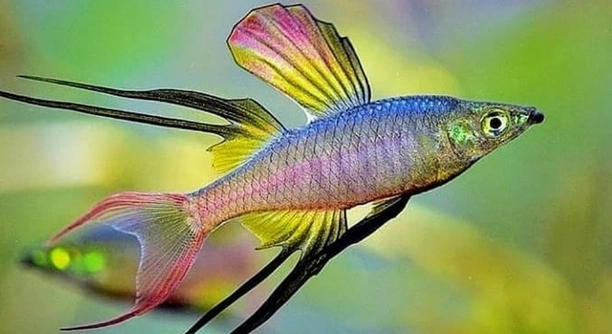
Do you enjoy keeping Threadfin Rainbowfish but worry when one falls ill? Caring for these colorful freshwater fish requires attention, patience, and careful observation. Knowing the signs of recovery ensures they regain health safely and steadily.
A Threadfin Rainbowfish shows recovery through consistent swimming behavior, normal appetite, vibrant coloration, and regular interaction with tank mates. Monitoring gill movement, fin condition, and overall activity levels provides objective indicators of improving health and effective treatment outcomes.
Observing these signs closely can help maintain a healthy aquarium environment while supporting your fish’s full recovery journey.
Signs of Physical Improvement
When a Threadfin Rainbowfish starts to recover, physical changes are usually the first noticeable indicators. Healthy fish regain their natural coloration, which may have dulled during illness. Fins become more rigid and fully spread instead of clamped or torn. The fish swims smoothly, without erratic or lethargic movements. Appetite returns gradually, and the fish begins accepting regular food portions. Gill movement normalizes, showing steady breathing without rapid or labored patterns. Eyes clear and bright, reflecting general health. Observing these changes consistently over days or weeks helps gauge whether treatment or environmental adjustments are working. It is also helpful to check the tank water quality, as optimal conditions support faster recovery. Minor improvements in behavior often precede visible physical recovery, so paying attention to subtle cues can prevent setbacks. Regular monitoring and careful adjustments provide the best environment for healing.
Tracking these physical signs closely gives you clear insight into your fish’s health status.
Some changes might appear slow, but consistent improvement indicates recovery. Noticing small adjustments in swimming and eating helps ensure ongoing well-being, allowing you to intervene early if needed.
Behavioral Indicators of Recovery
A recovering Threadfin Rainbowfish gradually resumes its usual activity and interaction with tank mates.
Behavioral changes are critical for confirming recovery. As the fish regains energy, it starts exploring the tank again and swimming in regular patterns. Aggression or hiding decreases, showing comfort with its environment. Feeding behavior improves, with the fish eagerly consuming food and responding to feeding times. Social behavior returns, and it may interact more with other fish, signaling restored confidence. Stress-related behaviors, such as rubbing against surfaces or frantic swimming, should decline. Observing interactions helps identify lingering discomfort or issues that may need attention. Recovery also involves adapting to normal daily routines and environmental stimuli. A calm, active, and responsive fish indicates that both physical and mental health are improving, supporting long-term stability in the aquarium.
Tracking behavior alongside physical signs ensures a complete view of recovery, helping maintain a balanced and healthy tank. Monitoring responses over several days provides reliable confirmation of improvement. Adjustments to diet, water conditions, and tank enrichment further support positive behavioral changes. Consistency in observation is key, as sudden shifts in behavior could indicate setbacks or hidden stress factors. Supporting the fish through gradual recovery ensures sustained health and reduces the likelihood of relapse. By understanding these behavioral cues, you can provide appropriate care and maintain a thriving environment for your Threadfin Rainbowfish.
Tank Conditions and Recovery
Maintaining optimal tank conditions is essential for a Threadfin Rainbowfish to recover. Clean, well-oxygenated water and stable temperature reduce stress. Regular monitoring of ammonia, nitrite, and nitrate levels ensures a safe environment, while proper filtration supports overall health and prevents recurring issues.
Water parameters directly affect the fish’s healing process. Ideal temperature ranges between 24–28°C (75–82°F), and pH should stay around 6.5–7.5. Frequent partial water changes help maintain low toxin levels, while avoiding sudden fluctuations prevents additional stress. Ensuring enough space for swimming reduces territorial disputes and encourages normal behavior. Light cycles should mimic natural patterns to support recovery, and hiding spots allow the fish to rest securely. Proper aeration maintains oxygen levels, supporting metabolic functions. Tank decorations should not obstruct movement, and regular cleaning prevents buildup of harmful substances. Observing these conditions alongside feeding and behavior offers a complete understanding of recovery progress.
A recovering fish benefits from a calm and stable environment. Avoid overcrowding, aggressive tank mates, and rapid water changes. Monitoring temperature, filtration, and cleanliness ensures minimal stress. These conditions complement proper feeding and care, giving the fish the best chance to regain full health and return to normal activity.
Diet and Nutrition
A proper diet significantly supports recovery in Threadfin Rainbowfish. High-quality, protein-rich food helps rebuild strength, while occasional live or frozen foods stimulate appetite. Feeding smaller, frequent portions prevents overeating and reduces stress on digestion.
Providing balanced nutrition directly impacts recovery speed. Include high-quality flakes or pellets formulated for rainbowfish, supplemented with brine shrimp, daphnia, or bloodworms. Avoid overfeeding, as excess food can foul water and introduce bacteria. Observing the fish’s interest in food helps gauge appetite and health. Vitamins and minerals are essential for restoring energy and promoting fin and scale regeneration. Rotating food types prevents nutritional deficiencies and encourages natural foraging behaviors. Adjust portion sizes according to activity level, giving enough to eat without leaving leftovers. Consistent feeding schedules support routine and reduce stress, while occasional fasting days can aid digestion. A well-planned diet complements clean tank conditions, ensuring physical and behavioral recovery progresses steadily.
Dietary management also involves watching for signs of digestive issues or refusal to eat. If the fish shows reduced appetite, offering softer foods or soaking dry food may help. Hydration and water quality remain crucial to support nutrient absorption. Observing how the fish responds to different foods provides insight into recovery, allowing adjustments to promote energy, growth, and vibrant coloration. Proper nutrition, combined with stable tank conditions, ensures that the Threadfin Rainbowfish returns to full health efficiently and safely.
Monitoring Stress Levels
Stress can slow recovery in Threadfin Rainbowfish. Watch for hiding, clamped fins, or rapid gill movement, which may indicate discomfort. Minimizing sudden changes and avoiding aggressive tank mates helps reduce stress effectively.
Consistent observation is key. Even minor signs of restlessness or unusual swimming patterns can signal stress. Providing shaded areas and gentle water flow encourages calm behavior. Regular tank checks and maintaining stable conditions support recovery and help the fish regain confidence.
Medication and Treatment
Administer medications carefully following instructions for dosage and duration. Overuse or incorrect treatment can worsen health. Monitor the fish closely during treatment, noting improvements or any adverse reactions. Water quality should be maintained to complement the effectiveness of medication, ensuring recovery progresses smoothly.
Social Behavior Changes
Recovery often reflects in social interactions. A fish regaining health will gradually rejoin swimming groups, respond to tank mates, and participate in normal group patterns without isolation or aggression.
FAQ
How long does it take for a Threadfin Rainbowfish to recover?
Recovery time varies depending on the severity of illness, water quality, and care provided. Minor issues may resolve in a few days, while more serious infections or stress-related conditions can take several weeks. Consistent monitoring of physical and behavioral signs helps track progress and adjust care.
What are the first signs of recovery to look for?
Early indicators include brighter coloration, more active swimming, and a return of appetite. Fins begin to spread normally, gill movement steadies, and the fish interacts more with its environment. Even small improvements in behavior are positive signs.
Can I speed up recovery with diet changes?
Yes. Providing high-quality, protein-rich foods like flakes, pellets, or frozen live foods supports energy restoration and tissue repair. Offering small, frequent meals prevents overfeeding and helps maintain water quality. Rotating food types ensures balanced nutrition and encourages natural feeding behavior.
Is water quality really that important for recovery?
Absolutely. Poor water conditions can stress fish and prolong illness. Maintaining proper temperature, pH, and low levels of ammonia, nitrites, and nitrates is essential. Frequent partial water changes and proper filtration help the fish heal faster and reduce the risk of relapse.
How do I know if my fish is still stressed?
Signs of stress include hiding excessively, clamped fins, rapid gill movement, or erratic swimming. Even subtle changes, such as reduced appetite or reluctance to interact, can indicate discomfort. Addressing these issues with stable conditions and gentle handling promotes recovery.
Should I isolate a sick fish from the rest of the tank?
Isolation can help prevent the spread of disease and reduce stress from tank mates. However, it should be done carefully, ensuring the new environment is clean, properly heated, and oxygenated. Monitor the fish’s behavior to confirm it is adapting well.
How often should I check on a recovering fish?
Daily observation is ideal. Watch for changes in swimming patterns, appetite, fin condition, and color. Keeping a simple log of behavior and physical signs can help identify trends and alert you to potential problems early.
Are there natural ways to support recovery without medication?
Yes. Maintaining excellent tank conditions, providing a balanced diet, reducing stress, and ensuring enough space for swimming all support natural healing. Adding plants or decorations for hiding spots also encourages calm behavior, which contributes to overall recovery.
What should I do if there’s no improvement after a week?
If there’s no noticeable progress, reevaluate water conditions, diet, and tank mates. Consider consulting an aquatic veterinarian for further guidance. Persistent issues may indicate underlying disease or environmental stressors that need more targeted intervention.
Can recovered fish relapse easily?
Yes. If water quality declines, diet is poor, or stress increases, a fish can relapse. Continuing proper care, monitoring behavior, and maintaining stable conditions are critical for long-term health and preventing setbacks.
How can I tell if fin or scale damage is healing?
Look for edges of fins and scales filling in, reduced tearing, and smoother surfaces. Gradual regrowth and improved symmetry indicate healing. Keep observing for any new damage, as this could signal ongoing stress or environmental issues.
Is it normal for a recovering fish to be less active at times?
Yes. Recovering fish may rest more than usual as their energy is redirected toward healing. Temporary inactivity is expected, but prolonged lethargy combined with other signs like loss of appetite or color changes may indicate complications.
How do tank mates affect recovery?
Aggressive or overly active tank mates can stress a recovering fish, slowing recovery. Choosing peaceful companions and providing hiding spots reduces confrontation and promotes calmer behavior, supporting a safer healing environment.
Can temperature fluctuations hinder recovery?
Absolutely. Threadfin Rainbowfish are sensitive to sudden temperature changes. Maintaining a stable, ideal range ensures metabolism and immune functions operate efficiently. Use a reliable heater and thermometer to prevent sudden shifts that could disrupt healing.
How important is lighting for a recovering fish?
Moderate lighting that follows a regular day-night cycle supports normal behavior and reduces stress. Avoid harsh or constant bright light, as this can cause agitation or disrupt rest, slowing recovery progress.
Are there signs that indicate full recovery?
Full recovery is indicated by vibrant color, consistent appetite, active swimming, social interaction with tank mates, normal fin condition, and steady gill movement. Observing these signs together confirms both physical and behavioral health has returned.
Can stress from handling affect recovery?
Yes. Handling should be minimal. Use gentle techniques for tank maintenance or feeding, and avoid chasing or netting the fish unless necessary. Reducing human-induced stress helps maintain immune function and promotes faster healing.
Should I continue supplements after recovery?
Supplements can support long-term health but are usually not necessary once the fish is fully healthy and eating a balanced diet. Occasional vitamins can be used to maintain vibrant coloration and immune strength.
How do I prevent future illnesses after recovery?
Maintain stable water conditions, provide a balanced diet, avoid overcrowding, monitor behavior regularly, and quarantine new fish before adding them to the tank. Consistent care reduces stress and supports ongoing health.
What’s the best way to track recovery progress?
Keep a daily log of color, behavior, appetite, and fin condition. Note water parameters and feeding patterns. This record helps identify improvements, detect issues early, and informs adjustments to care routines.
This FAQ addresses common concerns and provides practical guidance for ensuring Threadfin Rainbowfish recover fully and maintain long-term health in the aquarium.
Final Thoughts
Caring for a recovering Threadfin Rainbowfish requires patience, careful observation, and consistent attention to tank conditions. Recovery is not immediate and often takes several days or weeks, depending on the severity of illness and the quality of care provided. It is important to monitor both physical and behavioral signs to ensure the fish is improving. Brightening colors, steady gill movement, proper swimming patterns, and a returning appetite are all positive indicators that the fish is regaining health. Similarly, observing social behavior and interactions with tank mates can provide insight into mental well-being. Stress, even minor, can slow healing, so it is essential to maintain a calm environment. Proper water parameters, including temperature, pH, and low toxin levels, play a key role in supporting recovery. Regular partial water changes, reliable filtration, and adequate oxygenation help prevent setbacks and promote faster healing.
Nutrition also plays a significant role in recovery. Providing high-quality foods rich in protein and essential nutrients helps restore energy and support tissue repair. Offering small, frequent meals is more effective than large portions, as it reduces the risk of overfeeding and maintains water quality. Rotating food types, including flakes, pellets, and frozen or live options, ensures balanced nutrition and encourages natural feeding behavior. Paying attention to appetite allows you to detect lingering issues early and adjust feeding strategies accordingly. Supplements or vitamins can also aid in regaining strength, but they should be used carefully and in moderation. Alongside proper feeding, minimizing stress through a stable environment, hiding spaces, and gentle handling improves both physical and behavioral recovery. Observing these factors consistently ensures the fish has the support it needs to regain full health.
Finally, prevention is as important as recovery. Maintaining optimal tank conditions, providing a balanced diet, monitoring behavior regularly, and avoiding overcrowding help reduce the risk of future illnesses. Quarantining new fish before adding them to the tank can prevent the introduction of disease, protecting both healthy and recovering fish. Tracking recovery progress, keeping logs of water parameters, feeding habits, and behavior, offers valuable insight for ongoing care. While recovery may take time and careful effort, these steps help ensure that Threadfin Rainbowfish return to full health and remain vibrant and active in their environment. Patience, consistency, and observation are the key components of successful care, supporting long-term well-being and helping the fish thrive safely in the aquarium.

Hello,
If you enjoy the content that we create, please consider saying a "Thank You!" by leaving a tip.
Every little bit helps us continue crafting quality advice that supports the health, happiness, and well-being of pets around the world, for pets of all shapes, sizes, and species.
We really appreciate the kindness and support that you show us!