
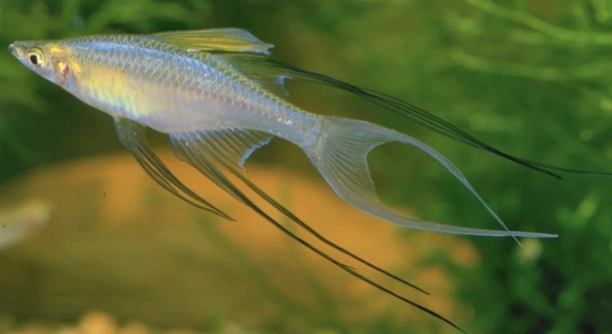
Are your Threadfin Rainbowfish tank decorations leaving the aquarium looking artificial and flat? Many fish enthusiasts face this challenge while trying to create a balanced and visually appealing aquatic environment that feels lively and natural.
Creating a natural-looking Threadfin Rainbowfish tank requires careful selection of substrate, plants, and decorations that mimic their native habitat. Proper arrangement and inclusion of hiding spaces, varying textures, and appropriate lighting help achieve a realistic and comfortable environment.
With the right combination of elements, your aquarium can transform into a vibrant, natural scene where your rainbowfish thrive and display their full colors. Observing their behavior will become even more enjoyable.
Choose the Right Substrate
Selecting the proper substrate is essential for a natural-looking Threadfin Rainbowfish tank. Fine gravel or sand works best, as it closely resembles the riverbeds these fish inhabit in the wild. Lighter colors often enhance the fish’s vivid hues, while darker shades create a sense of depth and contrast. Substrate depth should allow for plant roots to anchor securely, and adding small pebbles or natural stones helps break up uniformity. Avoid overly bright or artificial-colored substrates, as they can clash with the fish and plants, reducing the overall realism of the tank. Combining a mix of textures and sizes creates a more dynamic environment. Additionally, substrates influence water chemistry; certain sands can help buffer pH levels, which benefits the health of rainbowfish. Placement should also consider swimming areas, ensuring open spaces for the fish while leaving areas for plants and decorations to create visual interest. This careful planning provides a natural and comfortable habitat for your fish.
The right substrate enhances both the fish’s colors and the tank’s natural appearance, making it a key element in tank design.
Proper substrate selection ensures healthier plants and fish while maintaining a visually balanced, natural-looking tank environment. It supports root growth and mimics the fish’s natural riverbed habitat effectively.
Add Live Plants
Live plants bring movement and life to the aquarium, helping it appear more natural. They offer hiding spots and reduce stress for rainbowfish while improving water quality by absorbing excess nutrients.
Choosing the right species is important. Fast-growing stem plants like Ludwigia or Hygrophila provide height and depth, while low-growing options such as Java Fern or Anubias create coverage near the substrate. Floating plants like Frogbit can diffuse light and offer shaded areas, mimicking river conditions. Plant placement should balance open swimming spaces with densely planted zones, allowing fish to explore while feeling secure. Regular trimming keeps plants healthy and prevents overgrowth, which can overwhelm the tank. Using natural decorations such as driftwood or rocks alongside plants further enhances realism. Driftwood provides surfaces for biofilm growth, which fish can nibble on, and rocks create shelter areas and texture. Combining different plant types, colors, and heights ensures a layered, natural appearance that supports both fish activity and aesthetic appeal. Over time, the tank evolves, with plants filling gaps and creating a lush, vibrant aquatic habitat.
Live plants also contribute to water quality, providing filtration and oxygenation benefits while fostering a healthier, more stable tank environment for rainbowfish.
Use Driftwood and Rocks
Driftwood and rocks provide structure and mimic natural riverbeds. They create hiding spots, break up open spaces, and add texture, making the tank feel less artificial.
When arranging driftwood, place larger pieces first, anchoring them securely in the substrate. Rocks should be stacked or grouped to create caves and ledges. Avoid sharp edges to prevent injuries. Mixing smooth stones with textured wood adds contrast while maintaining a natural appearance. Position elements so fish have swimming space and shaded areas. Over time, algae growth on driftwood and rocks contributes to a realistic environment. These natural decorations also support beneficial bacteria that aid in maintaining water quality, making them both aesthetic and functional additions. Careful placement can create focal points that highlight the fish’s vibrant colors. This combination of driftwood and rocks gives depth and visual interest, encouraging fish to explore and interact with their surroundings while maintaining a stable, natural habitat.
Using driftwood and rocks enhances realism while providing functional benefits for both plants and fish.
Natural decorations like driftwood can also anchor plants, giving them stability and helping create layered planting zones within the aquarium.
Maintain Proper Lighting
Proper lighting brings out fish colors and supports plant growth. Soft, diffused light creates a natural appearance and prevents algae overgrowth.
LED or fluorescent lights with adjustable intensity work best. Aim for 8–10 hours of light per day to mimic natural day-night cycles. Position lighting to avoid harsh shadows and overexposure. Plants and decorations should be arranged to create shaded and bright areas, simulating rivers and streams. Consistent lighting encourages natural fish behavior, such as schooling and feeding activity. Over time, adjusting light intensity can enhance plant health and prevent stress. Using a timer ensures a stable routine, which benefits both fish and plants. Subtle lighting changes during the day can also highlight different tank features, giving a dynamic, lively feel without overwhelming the environment. The right light balance contributes to overall tank aesthetics, making colors vivid while maintaining a calm, natural atmosphere.
Maintaining consistent, natural lighting supports both the visual appeal and the health of plants and rainbowfish, enhancing tank realism.
Create Hiding Spots
Hiding spots reduce stress and make the tank feel natural. Use caves, dense plant areas, or rock formations to provide shelter.
Small decorations like clay pots or hollow logs work well. Ensure each fish has access to a retreat, creating a safe and balanced environment.
Layer Plants and Decorations
Layering plants and decorations creates depth and visual interest. Place taller plants at the back, medium-height plants in the middle, and low-growing plants near the front. Combine rocks, driftwood, and plants to form natural-looking zones. This arrangement mimics riverbanks, giving fish areas to swim, hide, and explore freely. Vary textures, colors, and shapes to avoid monotony. Adjust layers over time as plants grow to maintain balance and openness. Thoughtful layering enhances both aesthetics and fish comfort, encouraging natural behaviors like schooling and exploring while maintaining an organized, natural appearance throughout the tank.
Use Subtle Water Movement
Gentle currents simulate natural habitats, helping fish feel secure and plants thrive. Use a low-flow filter or adjustable pump to create subtle movement.
FAQ
How often should I clean my Threadfin Rainbowfish tank?
Regular cleaning is essential to maintain a healthy and natural-looking tank. Perform partial water changes of 20–25% weekly, removing debris from the substrate and wiping down glass surfaces. Clean filter media monthly without using tap water that could kill beneficial bacteria. Avoid full tank cleaning unless necessary, as it can disrupt established biological balance. Monitoring water parameters during cleaning helps ensure stable conditions. Cleaning plants and decorations as needed prevents algae buildup, keeping the tank visually appealing. Maintaining a consistent cleaning schedule supports fish health, plant growth, and the natural appearance of the aquarium over time.
What is the best temperature for Threadfin Rainbowfish?
Threadfin Rainbowfish thrive in water temperatures between 74°F and 82°F (23°C–28°C). Maintaining a stable temperature is crucial, as sudden fluctuations can stress the fish and affect their color and behavior. Use an adjustable aquarium heater with a thermostat to ensure consistency. Avoid placing the tank near windows or vents that could cause rapid temperature changes. Monitoring temperature daily or using a digital thermometer provides reassurance that conditions remain optimal. Stable temperatures also support plant growth and encourage natural fish activity, contributing to the overall realism and balance of the aquarium environment.
How many Threadfin Rainbowfish should I keep together?
Rainbowfish are schooling fish and feel most secure in groups. Keeping at least six individuals together helps reduce stress and encourages natural behaviors like schooling and exploring. Smaller groups may result in shyness or hiding, which can make the tank appear less lively. Ensure the tank is large enough to accommodate the group with open swimming areas and hiding spaces. Overcrowding should be avoided, as it can lead to aggression, poor water quality, and stunted growth. Proper group size promotes healthy social interaction while enhancing the visual dynamics of the aquarium, making it more natural.
Can I keep Threadfin Rainbowfish with other species?
Yes, but choose tank mates carefully. Select peaceful, similarly sized fish that thrive in the same temperature and water conditions. Avoid aggressive or overly large species, as they may stress or injure rainbowfish. Compatible options include small tetras, rasboras, or Corydoras catfish. Introduce all species gradually and monitor behavior closely during the first few weeks. Ensure the tank provides enough swimming space, plants, and hiding spots to reduce territorial disputes. Proper planning and observation allow multiple species to coexist naturally, enhancing the overall ecosystem while maintaining a calm, balanced environment for rainbowfish.
How do I prevent algae from taking over the tank?
Algae growth is natural, but excessive amounts can disrupt the tank’s appearance and water quality. Limit light exposure to 8–10 hours daily and avoid direct sunlight. Maintain a balance of nutrients through proper feeding and plant growth. Introduce algae-eating species like snails or shrimp to help control buildup. Regular water changes remove excess nutrients, while manual removal of algae from surfaces keeps the tank clean. Avoid overfeeding, as leftover food accelerates algae growth. Maintaining a controlled environment with live plants, balanced light, and proper maintenance helps keep algae under control while supporting a natural, healthy aquarium.
Do I need to trim my plants regularly?
Yes, regular trimming keeps plants healthy and prevents overgrowth. Remove dead or decaying leaves to avoid water quality issues. Trimming also encourages new growth and maintains the intended layout. Overgrown plants can block swimming areas and reduce light penetration, affecting other plants. Monitor plant growth weekly and trim selectively, focusing on shaping rather than removing too much. Some plants, like fast-growing stem varieties, may need more frequent attention, while slower-growing plants require less. Proper trimming ensures a balanced, natural look, supports fish activity, and keeps the tank visually appealing over time.
How do I acclimate new Threadfin Rainbowfish to my tank?
Acclimating new fish properly reduces stress and prevents shock. Float the sealed bag in the tank for 15–20 minutes to equalize temperature. Gradually add small amounts of tank water to the bag over 30–45 minutes, allowing fish to adjust to pH and hardness differences. After acclimation, gently release the fish using a net, avoiding water from the bag. Observe their behavior closely for the first few hours and days. Proper acclimation helps fish settle quickly, reducing stress-related illness and encouraging natural swimming and feeding behaviors. A smooth introduction supports a healthy, natural-looking aquarium.
How often should I feed Threadfin Rainbowfish?
Feed adult rainbowfish once or twice daily in small amounts they can consume within 2–3 minutes. Overfeeding leads to water quality issues and algae growth. Include a varied diet of high-quality flakes, frozen, and live foods to ensure proper nutrition. Juvenile fish may require more frequent feedings for healthy growth. Monitor their feeding behavior and adjust portions to prevent leftovers from accumulating on the substrate. A balanced feeding routine supports vibrant coloration, active swimming, and natural behaviors while maintaining the overall health and cleanliness of the tank environment.
What water parameters are ideal for Threadfin Rainbowfish?
Maintain a pH between 6.5 and 7.5 and moderate hardness (50–150 ppm). Stable parameters are crucial for fish health, color, and activity. Frequent water testing helps identify issues early. Adjust pH gradually if needed, using safe methods. Avoid sudden changes in water chemistry, as rainbowfish are sensitive to fluctuations. Temperature consistency, combined with proper filtration and regular maintenance, ensures a stable environment. Meeting these parameters supports natural behavior, plant growth, and overall tank aesthetics. Keeping conditions within the optimal range allows rainbowfish to thrive in a realistic, comfortable habitat.
Can I use artificial plants instead of live ones?
Artificial plants are an option, but they lack the benefits of live plants, such as oxygen production and nutrient absorption. Use high-quality silk or soft plastic plants to prevent injury. Combine with natural decorations to improve realism. Artificial plants require less maintenance but may not support natural fish behavior as effectively. Proper placement, color choice, and texture are key to making the tank appear natural. While they offer convenience, live plants better replicate a natural habitat and support overall tank health. Balancing artificial and live elements can achieve both practicality and visual appeal.
How do I keep the tank looking natural over time?
Regular maintenance, careful decoration placement, and consistent water conditions are essential. Trim plants, clean substrates, and adjust decorations as plants grow. Monitor fish behavior to ensure comfort and reduce stress. Gradually adapt layouts to accommodate growth, maintaining a balance between open swimming areas and hiding spots. Avoid overstocking and overfeeding, as these disrupt natural aesthetics and water quality. Rotating or adding new elements subtly can refresh the tank without appearing artificial. Maintaining proper lighting, gentle water movement, and plant care ensures a vibrant, evolving habitat. This approach keeps the aquarium realistic, functional, and visually engaging over months and years.
Final Thoughts
Creating a natural-looking Threadfin Rainbowfish tank takes planning, patience, and attention to detail. Each element in the tank contributes to the overall appearance and the health of the fish. The choice of substrate sets the foundation, providing both aesthetic appeal and functional benefits for plants and fish. A mix of textures and colors, such as sand, fine gravel, and small pebbles, helps replicate the riverbeds where these fish are naturally found. Driftwood and rocks further enhance realism while creating hiding spots and visual interest. Combining these elements carefully ensures the tank feels balanced and natural, giving the fish areas to swim freely while also offering secure retreats.
Plants play a critical role in maintaining a realistic environment. Live plants provide oxygen, absorb excess nutrients, and offer shelter for fish. Selecting a variety of plant types, heights, and textures creates layers that mimic riverbank habitats. Fast-growing stem plants, low-lying ground cover, and floating species all have specific roles in establishing a natural aesthetic. Proper placement and regular trimming prevent overgrowth and maintain open swimming areas, which is important for rainbowfish activity. When combined with natural decorations and a suitable substrate, plants help the aquarium feel alive and dynamic. Consistent lighting and gentle water movement also contribute to the overall realism. Balanced lighting highlights the fish’s colors while supporting plant health, and subtle currents simulate natural water flow, encouraging normal fish behaviors like schooling and exploration.
Maintaining water quality and monitoring environmental conditions are just as important as aesthetic choices. Regular water changes, proper filtration, and careful feeding keep the tank stable and healthy. Acclimating new fish properly and maintaining appropriate temperatures, pH, and hardness levels help ensure that the rainbowfish thrive. Over time, regular maintenance such as cleaning algae, adjusting decorations, and monitoring plant growth keeps the tank looking fresh and natural. By combining careful decoration, plant management, proper water care, and attention to fish behavior, the aquarium becomes more than just a display. It becomes a realistic, vibrant habitat where Threadfin Rainbowfish can thrive. Observing them in a well-balanced, natural environment not only enhances their health but also makes the experience of maintaining the tank more rewarding. With consistent care and thoughtful design, the aquarium will continue to grow into a visually appealing and functional habitat that reflects the natural beauty of these colorful fish.

Hello,
If you enjoy the content that we create, please consider saying a "Thank You!" by leaving a tip.
Every little bit helps us continue crafting quality advice that supports the health, happiness, and well-being of pets around the world, for pets of all shapes, sizes, and species.
We really appreciate the kindness and support that you show us!