
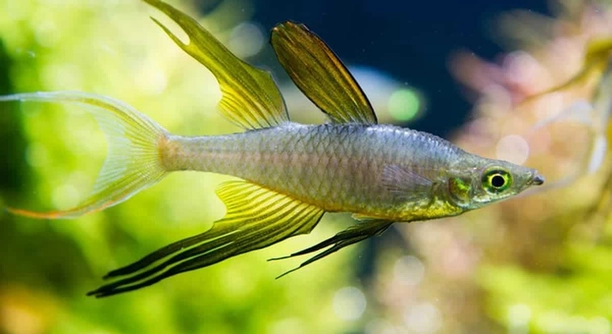
Threadfin fish often communicate through subtle movements that may go unnoticed by casual observers. These behaviors play an important role in their social interactions, helping establish hierarchy and maintain group cohesion in their environment.
Seven key movements indicate threadfin disagreement: rapid fin flicks, sudden tail slaps, abrupt changes in swimming direction, gill flaring, head shaking, body jerks, and lateral displays. Each movement signals agitation, asserting dominance, or signaling conflict to nearby fish in the group.
Recognizing these movements can improve understanding of threadfin behavior and help manage interactions within their habitat effectively.
Rapid Fin Flicks
Threadfins often flick their fins quickly when they feel threatened or challenged by other fish nearby. This sudden movement catches attention and communicates irritation without direct contact. It can occur in various directions, sometimes upward or sideways, and often happens when two fish approach the same space at the same time. Observing the speed and frequency of fin flicks can give insight into tension within the group. In some cases, multiple fish may flick their fins simultaneously, indicating that a disagreement is escalating. These movements are generally short but intense, serving as a warning signal before more aggressive actions occur. It’s important to note that fin flicking is context-dependent and may also appear during feeding or sudden environmental changes. Understanding these patterns can help caretakers or observers anticipate conflicts before they intensify, maintaining balance in the tank or natural habitat.
Rapid fin flicks usually signal agitation or a potential conflict among threadfins, reflecting immediate disagreement or assertion of space within the group.
Paying attention to these flicks allows you to spot tension early and respond before conflicts worsen.
Sudden Tail Slaps
Tail slaps are one of the most noticeable signs of threadfin disagreement. These sharp, forceful movements can be directed toward nearby fish or objects and often indicate strong displeasure. When a threadfin slaps its tail, it may be asserting dominance, warding off another fish, or reacting to perceived intrusion. Repeated tail slaps can disrupt group dynamics, prompting other fish to move away or change their behavior temporarily. This behavior often coincides with other signals, like rapid fin flicks or gill flaring, creating a combination of warnings that clearly communicate unrest. Observing tail slap patterns can provide valuable insight into social hierarchies and help manage tank space to reduce conflict. While the slaps themselves are brief, they carry a lot of information about the fish’s mood and intentions. Careful observation over time reveals which individuals are more prone to these movements and how the group responds.
Threadfins use tail slaps to clearly express irritation, ensuring other fish understand their boundaries.
Consistently monitoring tail slaps allows for a better understanding of individual personalities within a group. Over time, these observations reveal patterns of dominance and submission that are critical for maintaining harmony. Fish exhibiting frequent tail slaps may need more space or environmental adjustments to reduce stress. Additionally, tail slaps often serve as an early warning of disputes over food, territory, or mates, allowing caretakers to intervene if necessary. By recognizing these signals, it becomes easier to predict potential conflicts and create conditions that support peaceful coexistence. Keeping track of tail slaps alongside fin flicks, gill flaring, and other behaviors forms a comprehensive view of social interactions, making it possible to maintain a healthier and more stable environment for threadfins.
Abrupt Changes in Swimming Direction
Abrupt swimming changes often indicate that a threadfin is uncomfortable or trying to avoid another fish. Quick turns, sudden stops, or darting movements signal disagreement and create space between individuals. Observing these shifts helps identify tension before it escalates into more aggressive behavior.
Sudden directional changes occur when a fish reacts to threats, competition, or overcrowding. These movements are deliberate, not random, and often coordinated with tail slaps or fin flicks. A threadfin may dart sideways or reverse quickly to establish boundaries without engaging in direct conflict. These patterns reveal which fish are dominant, which are submissive, and which areas of the tank or habitat are most contested. Careful monitoring can help in managing space and preventing stress-related issues among the group.
Watching for abrupt swimming shifts provides insight into social hierarchies. Over time, repeated patterns show which fish consistently avoid conflicts and which tend to provoke them, offering a clear view of group dynamics and individual temperaments. This understanding allows better management of the environment and more predictable interactions.
Gill Flaring
Gill flaring is a strong visual signal used by threadfins to show irritation or dominance. Flared gills make the fish appear larger and more intimidating to others nearby. This movement often coincides with other signs of disagreement, such as tail slaps.
Gill flaring occurs when a fish feels its personal space is threatened or when asserting dominance over rivals. By expanding the gill covers, threadfins communicate displeasure without physical contact. This behavior can escalate if ignored, sometimes leading to chasing or more aggressive postures. Observing gill flaring frequency and triggers helps in identifying which fish are most reactive and which individuals may provoke conflicts. It is particularly noticeable when multiple fish are feeding or competing for limited space. Tracking these behaviors gives a clear picture of group interactions, showing where tension exists and which individuals consistently assert authority over others.
Repeated gill flaring provides valuable insight into stress levels and social standing within a group. Fish that flare their gills often require space adjustments or environmental modifications to reduce conflict. Combining observations of gill flaring with tail slaps, fin flicks, and swimming changes creates a complete understanding of threadfin disagreement patterns. These insights allow for proactive measures, such as rearranging tank decorations or redistributing food sources, to minimize conflict and maintain group stability. Recognizing triggers and patterns ensures healthier interactions and helps prevent injuries caused by prolonged stress or aggressive encounters.
Head Shaking
Head shaking is a clear signal that a threadfin is frustrated or resisting another fish’s advances. The movement is usually quick and repeated, showing the fish’s intent to assert its boundaries.
This action often accompanies tail slaps or fin flicks. Shaking the head can communicate displeasure without direct aggression, helping to prevent physical confrontation.
Body Jerks
Body jerks are sudden, forceful movements used to express irritation or dominance. These jerks can occur in place or while swimming, startling nearby fish. Threadfins use this behavior to create distance or reinforce social hierarchy. Observing the frequency and context of body jerks helps identify tension points within the group.
This movement is most common during feeding times or when new fish are introduced. Jerks may be accompanied by gill flaring or rapid fin flicks, signaling multiple layers of disagreement. Careful monitoring ensures conflicts are addressed early, maintaining a calmer environment. Recognizing body jerks as a social signal allows for better management of space, reducing stress, and preventing escalation among threadfins.
Lateral Displays
Lateral displays involve a fish turning its body sideways to appear larger and more imposing. This posture signals dominance or challenges nearby fish, making clear its position within the group.
FAQ
What do rapid fin flicks indicate in threadfins?
Rapid fin flicks are a sign of agitation or disagreement. They usually occur when a fish feels its personal space is being invaded or during competition for food. Observing the frequency and intensity of these flicks can help determine which fish are stressed or dominant.
Why do threadfins perform sudden tail slaps?
Tail slaps are a clear signal of displeasure or dominance. When a threadfin slaps its tail, it is warning nearby fish to keep distance. Multiple tail slaps can indicate escalating tension, especially during feeding or territorial disputes. Recognizing this behavior allows for better management of tank or habitat space.
How can abrupt swimming changes be interpreted?
Abrupt changes in direction or sudden stops often reflect discomfort or avoidance. These movements help a threadfin create space between itself and other fish. When combined with fin flicks or tail slaps, they indicate a clear disagreement. Monitoring these changes helps in understanding social hierarchies.
What does gill flaring signify?
Gill flaring is a visual display used to appear larger and intimidate others. It signals irritation or dominance without direct physical contact. This behavior often occurs when fish compete for territory, mates, or resources. Repeated gill flaring can indicate high stress levels within the group and should be noted.
Why do threadfins shake their heads?
Head shaking communicates frustration or resistance. It is a subtle way to set boundaries without escalating to aggression. Often paired with tail slaps or fin flicks, this behavior helps prevent conflicts by clearly signaling discomfort or disagreement.
When do body jerks usually happen?
Body jerks are sudden, forceful movements that indicate agitation. They can occur while stationary or swimming and often signal dominance or irritation. These jerks are common during feeding times or when new fish enter a space. Observing body jerks can help anticipate disputes before they escalate.
What is the purpose of lateral displays?
Lateral displays involve turning the body sideways to appear larger and more threatening. This is a strategy to assert dominance or challenge rivals without engaging physically. Paired with other movements like gill flaring, lateral displays create a layered warning system that communicates social rank within the group.
How can these behaviors help manage a group of threadfins?
Understanding these movements allows for better tank or habitat management. Recognizing tension early through fin flicks, tail slaps, or gill flaring helps prevent injuries and reduces stress. Adjusting space, food distribution, or environmental enrichment based on observed behaviors promotes a calmer and healthier social environment.
Are these behaviors only signs of aggression?
Not always. Many movements, such as abrupt swimming changes or head shaking, can also reflect stress, avoidance, or discomfort rather than direct aggression. It’s important to consider the context and combination of behaviors to accurately assess the social state of the fish.
Can observing these signals prevent conflicts?
Yes. Careful observation allows for early intervention. Noticing repeated fin flicks, tail slaps, or gill flaring can indicate rising tension, giving the opportunity to rearrange the environment or adjust group composition before fights occur. Consistent monitoring leads to a more stable and peaceful group.
Do individual fish show unique patterns?
Absolutely. Some threadfins are more prone to tail slaps or gill flaring, while others avoid confrontation entirely. Tracking individual patterns helps understand personality differences, which is key to managing group dynamics effectively and ensuring the well-being of all fish.
How can I tell if a behavior is serious?
Frequency, intensity, and context are critical. Single flicks or occasional tail slaps may be minor, but repeated, high-intensity movements during feeding or territorial disputes usually indicate serious disagreement. Monitoring these cues helps prioritize interventions and reduce stress.
What environmental factors influence these behaviors?
Crowding, limited hiding spots, or uneven food distribution can trigger disagreement behaviors. Adjusting tank size, adding barriers, or spreading food can reduce tension. Environmental enrichment also encourages natural movement patterns, reducing stress and conflict among threadfins.
Is it necessary to intervene in every disagreement?
Not always. Many minor displays are resolved naturally. Intervening is necessary when aggressive behaviors escalate or when repeated signs indicate chronic stress. Understanding which movements signal early warning allows for targeted interventions rather than unnecessary disruption.
How can consistent observation improve fish care?
Regular monitoring of fin flicks, tail slaps, gill flaring, head shakes, body jerks, and lateral displays provides insight into social dynamics. Over time, this builds a detailed understanding of individual and group behavior, enabling proactive management to maintain harmony and reduce stress for all fish.
Final Thoughts
Observing threadfins closely can reveal a lot about their social dynamics and overall well-being. The seven movements discussed—rapid fin flicks, tail slaps, abrupt swimming changes, gill flaring, head shaking, body jerks, and lateral displays—are all clear signals of disagreement within the group. Each movement carries meaning and helps the fish communicate with one another without resorting to full aggression. Understanding these behaviors is essential for anyone managing threadfins in a tank or natural habitat. When noticed early, these signals can prevent conflicts from escalating, reduce stress, and promote a calmer environment for all the fish. While some behaviors may seem subtle, paying attention to frequency, intensity, and context provides insight into the social hierarchy and individual personalities.
Managing threadfins effectively requires careful observation and practical adjustments. Providing sufficient space, hiding spots, and evenly distributed food can minimize competition and reduce tension. Recognizing which fish are more dominant or reactive allows for better planning of tank layout and group composition. Some fish may be more prone to tail slaps or gill flaring, while others may respond with avoidance or abrupt swimming changes. Observing patterns over time reveals which individuals consistently provoke or defuse conflicts. This knowledge helps create an environment where each fish has space to establish its boundaries safely. Adjusting environmental factors such as water flow, decor placement, and feeding routines can have a significant impact on reducing the frequency of disagreement behaviors.
Ultimately, understanding threadfin behavior requires patience and attention to detail. Each movement serves a purpose and contributes to the balance within the group. By carefully observing fin flicks, tail slaps, head shakes, gill flaring, body jerks, and lateral displays, it becomes possible to anticipate conflicts before they escalate. This awareness supports better management decisions and enhances the overall health of the group. Over time, recognizing these behaviors allows caretakers to respond appropriately and maintain a stable, harmonious environment for threadfins. With consistent observation and small adjustments to their habitat, the social interactions of these fish can be managed effectively, ensuring they remain healthy, active, and comfortable in their surroundings.

Hello,
If you enjoy the content that we create, please consider saying a "Thank You!" by leaving a tip.
Every little bit helps us continue crafting quality advice that supports the health, happiness, and well-being of pets around the world, for pets of all shapes, sizes, and species.
We really appreciate the kindness and support that you show us!