
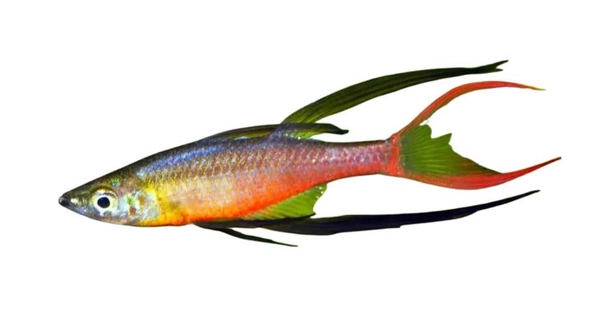
Do you ever find yourself worrying about how your threadfins might react when something goes wrong with their tank setup, like a heater malfunction? Maintaining their comfort and stability is important, especially when unexpected changes occur.
When a heater malfunctions, threadfins may become stressed due to sudden temperature fluctuations, leading to lethargy, erratic swimming, or weakened immune responses. Prolonged exposure to unstable water conditions can significantly impact their health, behavior, and overall well-being.
Learning how threadfins respond to these shifts will help you better care for them and create a safer environment during equipment failures.
How Temperature Shifts Affect Threadfins
Threadfins are delicate fish that thrive in stable, warm water conditions. When the heater in their tank malfunctions, even a small shift in temperature can cause noticeable stress. These fish rely on consistent warmth to regulate their energy and maintain proper immune function. If the water becomes too cold, they may slow down, eat less, and display weaker swimming patterns. Warmer water, on the other hand, speeds up their metabolism, leaving them restless or gasping for air if oxygen levels drop. Long-term exposure to unstable conditions can lead to illness, poor coloration, and an overall decline in their health.
When threadfins face temperature swings, their bodies immediately react, often leaving them disoriented or unsettled. You may notice them moving less, hovering at the bottom, or seeking spots in the tank where the water feels less stressful to them.
Recognizing these behaviors is the first step to preventing serious problems. By learning to identify signs early, you can quickly restore stability and protect your fish from lasting harm. Paying close attention during unexpected heater issues can make all the difference in keeping threadfins strong and resilient.
How to Support Your Fish During Heater Issues
Quick action is essential when heater malfunctions occur, as threadfins are not naturally equipped to handle sudden environmental changes in captivity.
Start by monitoring the water temperature closely with a reliable thermometer. If the water is dropping too low, wrap the tank in a towel to preserve heat, or place a safe temporary heater until a permanent replacement is available. Avoid placing the tank near drafts or direct sunlight, as these external factors can worsen fluctuations. If the water becomes too warm, gently cool it with partial water changes using slightly cooler, conditioned water. Maintain steady aeration, since oxygen levels shift with temperature changes. While addressing the issue, keep feeding light and watch for changes in behavior. Overfeeding during stressful conditions can place extra strain on their bodies. By acting carefully and consistently, you can stabilize your threadfins’ environment, reduce stress, and guide them back to comfort.
Common Signs of Stress in Threadfins
Threadfins under stress from heater issues may display clamped fins, reduced activity, or a refusal to eat. Their colors can fade, and they may appear restless, often swimming in unusual patterns or lingering near the surface or bottom.
Another common sign is weakened immunity, which makes them more vulnerable to infections like ich or fin rot. Sudden jerky movements, hiding more often, or gasping for air are also indicators that they are struggling with their environment. Observing these behaviors early allows quicker intervention and reduces the risk of long-term harm caused by temperature fluctuations.
Threadfins may also stop interacting with their tank mates. Instead of swimming in groups, they become isolated, showing visible discomfort. Over time, prolonged exposure to stress not only affects their immediate health but can also shorten their lifespan. Identifying these signs is critical in making changes before serious issues develop.
Preventing Future Heater Malfunctions
Regular maintenance plays a key role in avoiding heater problems. Check your heater often for consistent operation, and use a secondary thermometer to ensure accuracy. A backup heater or controller can provide extra security if your main unit fails unexpectedly.
It is also helpful to choose heaters designed for the size of your tank, as underpowered models may struggle to maintain stability. Avoid placing heaters in areas with poor water circulation, since this can create uneven temperatures that stress threadfins. Cleaning the heater regularly prevents buildup that could interfere with performance. When replacing equipment, opt for reliable brands with strong reviews. Combining these practices helps maintain a safe and steady environment. By being proactive, you not only prevent stress but also give your threadfins a healthier and more stable home where they can thrive comfortably without sudden disruptions.
Immediate Actions During Heater Failure
When a heater fails, act quickly to stabilize the water. Use a temporary heater or adjust room temperature to prevent sudden drops or spikes. Small, controlled changes are safer than drastic measures.
Monitor your threadfins closely. Look for signs of distress like rapid gill movement, clamped fins, or unusual hiding patterns. Intervene early to reduce stress and prevent health problems.
Adjusting Tank Conditions
Improving water circulation helps maintain a more consistent temperature throughout the tank. Adding an air stone or adjusting the filter flow can minimize cold or hot spots. Avoid crowding the tank during this time, as more fish generate extra heat and can stress stressed threadfins further. Keeping the environment calm allows them to recover faster and reduces erratic behavior caused by temperature fluctuations.
Feeding Considerations
During heater issues, reduce feeding amounts to prevent digestive strain. Threadfins may eat less when stressed, and overfeeding can worsen water quality and stress levels.
FAQ
How can I tell if my threadfins are stressed from heater problems?
Signs of stress include clamped fins, faded colors, lethargy, unusual hiding, or rapid gill movement. They may swim erratically or linger near the surface or bottom. Reduced appetite is common, and in prolonged cases, immunity weakens, making them more prone to infections like fin rot or ich. Observing your threadfins daily helps detect problems early.
What should I do immediately if the heater stops working?
Act quickly by using a temporary heater or raising the room temperature slightly. Monitor the tank temperature closely with a reliable thermometer. Avoid sudden extreme changes, as gradual adjustments reduce stress. Ensure good aeration to maintain oxygen levels. Keeping a calm environment helps threadfins adjust more easily until the main heater is repaired or replaced.
Can I use more than one heater at a time?
Yes, using a backup heater or multiple heaters for large tanks can improve stability. Ensure each heater is rated for your tank size. Place them in areas with good water circulation to prevent cold or hot spots. Multiple heaters also provide security if one fails, reducing the risk of temperature swings that stress the fish.
How often should I check my heater?
Regular checks are essential. Inspect the heater weekly for proper function and any signs of wear or buildup. Use a secondary thermometer to confirm the temperature is consistent. Cleaning the heater occasionally prevents deposits that could interfere with performance. A well-maintained heater is the easiest way to avoid sudden problems that affect your threadfins.
Do threadfins recover quickly from temperature stress?
Recovery depends on the severity and duration of stress. Minor, short-term temperature changes are usually reversible if the tank stabilizes quickly. Prolonged or extreme fluctuations can weaken the immune system and slow recovery. Providing stable conditions, good water quality, and reduced feeding helps threadfins regain energy and normal behavior.
Should I reduce feeding during heater malfunctions?
Yes, it’s best to feed smaller portions. Stress reduces appetite, and uneaten food can worsen water quality. Overfeeding can increase ammonia levels, adding further stress. Offer easily digestible foods and monitor whether your threadfins are eating. Adjust feeding as they recover and water conditions stabilize.
Can I prevent heater malfunctions entirely?
While no system is foolproof, proper maintenance reduces risk. Use reliable heaters suitable for your tank size, check them regularly, and clean them when necessary. Installing a backup heater or temperature controller adds extra protection. Avoid placing heaters in poorly circulated areas, as uneven temperatures increase stress on threadfins.
Are there long-term effects if heater problems aren’t fixed quickly?
Yes, prolonged exposure to fluctuating temperatures can lead to chronic stress, weakened immunity, poor growth, faded coloration, and susceptibility to disease. In extreme cases, it can shorten lifespan. Acting quickly and maintaining stable conditions is crucial for their long-term health.
What other equipment helps during heater issues?
Air stones, proper filtration, and good circulation help maintain consistent conditions. Thermometers placed in multiple areas ensure accurate readings. In emergencies, insulated tank covers or room heaters can help prevent sudden temperature drops. Combining these measures creates a more stable environment while you resolve heater problems.
How can I make my tank more resilient to future heater failures?
Use a backup heater or temperature controller, choose high-quality equipment, and regularly check for wear. Avoid overstocking the tank, as crowded conditions make temperature swings more stressful. Maintain consistent cleaning and monitoring routines to ensure water quality remains stable, giving threadfins the best chance to stay healthy even if equipment fails.
This FAQ addresses common concerns and practical steps for keeping threadfins safe and comfortable during heater malfunctions, emphasizing proactive care and careful observation.
Final Thoughts
Maintaining a stable environment is essential for the health and well-being of threadfins. These fish are highly sensitive to changes in water temperature, and even short-term fluctuations can cause noticeable stress. A malfunctioning heater can lead to sudden cold or warm patches in the tank, which affects their behavior, appetite, and energy levels. Lethargy, clamped fins, unusual hiding, and erratic swimming are all common signs that the fish are uncomfortable. Observing your threadfins regularly allows you to notice these changes early, which is important for preventing long-term health issues. Providing a consistent temperature helps them maintain proper metabolic function and strengthens their immune system, reducing the likelihood of disease.
Quick and thoughtful action is necessary when a heater fails. Temporary solutions like a backup heater, adjusting the room temperature slightly, or insulating the tank can help stabilize conditions until the main heater is repaired or replaced. Good water circulation and adequate aeration are also crucial during these times. Threadfins are less likely to panic when their environment remains calm and steady. Overfeeding during heater malfunctions can worsen water quality and add to their stress, so it’s best to feed small amounts sparingly until normal conditions return. By taking immediate steps and monitoring the fish closely, you can minimize the impact of a heater problem and help your threadfins recover more quickly.
Prevention and preparation are just as important as quick response. Choosing a reliable heater appropriate for the size of your tank, performing regular maintenance, and having a backup or secondary temperature monitor can prevent many issues before they occur. Understanding the signs of stress and knowing how to respond ensures that your threadfins stay safe and comfortable. Even minor temperature fluctuations can have consequences over time, so maintaining consistent care routines is key. By paying close attention to both equipment and fish behavior, you can create a stable, secure environment that supports long-term health and well-being for your threadfins. Consistency, careful observation, and proactive measures are the best ways to protect them from the challenges of heater malfunctions.

Hello,
If you enjoy the content that we create, please consider saying a "Thank You!" by leaving a tip.
Every little bit helps us continue crafting quality advice that supports the health, happiness, and well-being of pets around the world, for pets of all shapes, sizes, and species.
We really appreciate the kindness and support that you show us!