
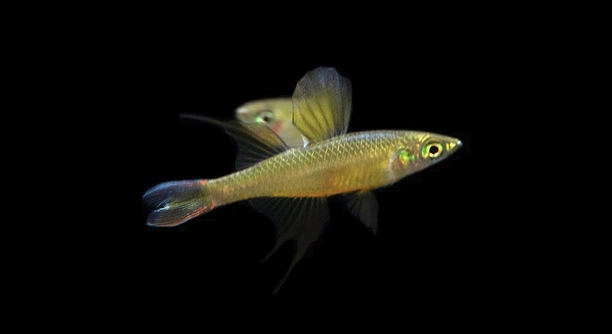
Do you enjoy keeping threadfins in your aquarium but sometimes notice they suddenly stop eating? Many fish owners encounter this issue, which can be frustrating and confusing. Threadfins may refuse food for several reasons, affecting their health.
Threadfins might refuse to eat due to stress, water quality issues, temperature changes, illness, poor diet, inappropriate tank mates, or sudden environmental changes. Each factor can disrupt normal feeding behavior and requires careful observation to address.
Understanding these common causes can help you maintain healthier fish and a more balanced aquarium environment, ensuring your threadfins thrive and remain active over time.
Stress and Overcrowding
Threadfins are sensitive to their environment, and overcrowded tanks can cause significant stress. When too many fish share the same space, they compete for food and territory. Constant chasing or dominance behavior may occur, leaving weaker fish anxious. Stress lowers their appetite, making them refuse even familiar foods. Additionally, sudden changes, such as moving decorations or adding new fish, can heighten anxiety levels. These changes disrupt their daily routine and feeding habits. Observing your tank for aggressive behavior or overcrowding can provide clues about why your threadfins are avoiding food. Providing ample space, hiding spots, and reducing sudden disturbances can help create a calmer environment. Stress-related feeding issues are common, but consistent care and monitoring often restore normal eating behavior, ensuring the fish regain their health and vitality.
Maintaining proper space and minimizing disturbances can quickly reduce stress, encouraging threadfins to resume feeding naturally.
Creating a balanced tank involves more than just adding fish. Proper filtration, careful stocking limits, and organized decorations all contribute to a stress-free environment. Each addition or removal of fish should be gradual, allowing threadfins to adjust without anxiety. Observing behavior daily helps catch early signs of stress, such as hiding, erratic swimming, or refusal to eat. Calm waters, regular maintenance, and attention to water chemistry ensure that fish feel secure, which directly influences appetite. Addressing stress proactively not only improves feeding habits but also enhances overall health and lifespan. Overcrowding is often overlooked, yet it has a major impact on daily fish activity. By carefully managing tank conditions, threadfins can thrive, eat properly, and display natural behaviors, giving you a healthier, more stable aquarium.
Water Quality and Temperature
Poor water quality or sudden temperature shifts can cause threadfins to stop eating. Dirty or improperly conditioned water stresses fish and impacts appetite.
Monitoring water parameters like pH, ammonia, nitrite, and nitrate levels is crucial. Temperature fluctuations can shock their system, reducing feeding activity. Consistent water conditions support digestion and immunity, making fish more willing to eat. Filtration, regular water changes, and stable heating help maintain an environment where threadfins feel safe and healthy.
Water quality and temperature are often underestimated factors affecting appetite. Ammonia and nitrite spikes are particularly harmful, causing irritation, gill stress, and fatigue. Even small daily changes in temperature can disrupt metabolism, making threadfins lethargic and uninterested in food. Testing water parameters regularly allows early detection of harmful changes. Using heaters, thermometers, and proper filtration ensures a stable environment, reducing the likelihood of appetite loss. Additionally, removing uneaten food and debris prevents bacterial buildup, which can worsen water conditions. By maintaining consistent water quality, you support natural feeding patterns, health, and resilience against disease. Healthy water encourages fish to feed regularly, sustain growth, and display natural energy. Proper management of these environmental factors is essential for keeping threadfins active and thriving in the long term.
Illness and Parasites
Illness or parasites can quickly reduce a threadfin’s appetite. Symptoms may include lethargy, discoloration, or unusual swimming patterns. Prompt diagnosis is essential to prevent further health decline and restore normal feeding habits.
Internal parasites, bacterial infections, or fungal growths can disrupt digestion, causing threadfins to avoid food. Fish may appear bloated, have clamped fins, or display rapid gill movement. Early detection through careful observation is critical, as untreated infections can worsen, spreading to other tank inhabitants. Treating waterborne diseases with appropriate medication, isolating affected fish, and maintaining clean conditions can significantly improve feeding behavior. Regular health checks help identify subtle signs before serious issues develop, ensuring fish regain strength and appetite.
Providing a stable environment, maintaining water quality, and offering high-quality food supports recovery from illness. Nutrient-rich diets, supplemented with vitamins if needed, strengthen immunity. Quarantining new fish and avoiding sudden changes minimize exposure to pathogens. Observation and intervention are key. Recovery may take time, but consistent care, proper medication, and gentle handling encourage threadfins to resume eating and restore their overall well-being.
Poor Diet and Feeding Practices
Feeding low-quality food or inconsistent portions can make threadfins lose interest in meals. Variety and nutrient content are essential for healthy appetite.
A diet lacking essential proteins, fats, and vitamins often leads to disinterest in food. Threadfins may ignore meals if they are offered the same type of food repeatedly or if the food is stale. Rotating between frozen, live, and high-quality pellet options encourages regular feeding and supports growth. Overfeeding or underfeeding can also impact appetite, causing digestive stress or nutrient deficiencies. Proper portion control ensures fish consume food efficiently without polluting the tank.
Inconsistent feeding schedules can confuse threadfins, disrupting natural hunger cues. Providing meals at regular times helps them develop predictable routines, making them more likely to eat when offered food. Additionally, supplementing with occasional live or fresh food mimics natural behavior, stimulating interest. Observing how each fish responds to different types of food can help adjust feeding practices for optimal nutrition. Balanced diets combined with stable feeding routines promote healthy metabolism, reduce stress, and improve overall vitality. Adjusting feeding strategies carefully ensures threadfins remain healthy, active, and consistently willing to eat, enhancing their long-term well-being.
Inappropriate Tank Mates
Aggressive or overly active tank mates can intimidate threadfins, reducing their willingness to eat. Constant chasing or nipping creates stress and makes feeding times difficult.
Peaceful, compatible fish allow threadfins to eat without fear. Choosing the right companions ensures a calmer environment and encourages regular feeding behavior.
Sudden Environmental Changes
Abrupt changes in lighting, decorations, or water flow can make threadfins hesitant to feed. Fish rely on familiar surroundings, and disruptions may trigger stress responses that suppress appetite. Consistent tank conditions are essential to maintain natural feeding patterns and reduce anxiety.
Seasonal or Biological Cycles
Threadfins may naturally eat less during certain seasonal or biological phases. Changes in metabolism, growth, or reproductive cycles can temporarily decrease appetite, which is normal and often resolves without intervention.
Overfeeding
Overfeeding can make threadfins ignore food, leaving uneaten leftovers in the tank. Limiting portions and spacing meals helps restore normal appetite and prevents water quality issues that discourage feeding.
FAQ
Why is my threadfin not eating even though the tank looks fine?
Even when a tank appears clean, hidden factors like subtle water parameter shifts, minor stress, or early signs of illness can reduce appetite. Threadfins are sensitive to changes in pH, temperature, and nitrate levels. Checking water chemistry and observing fish behavior closely often reveals the issue.
Can stress alone make threadfins stop eating?
Yes. Threadfins respond strongly to stress from overcrowding, aggressive tank mates, or frequent disturbances. Stress affects metabolism and can cause them to hide or refuse food. Reducing stress through proper spacing, hiding spots, and calm handling usually restores normal feeding habits.
How do I know if illness is affecting my threadfin’s appetite?
Signs include lethargy, unusual swimming patterns, clamped fins, or changes in color. Internal parasites, bacterial infections, and fungal growths often cause reduced feeding. Quarantining affected fish and consulting proper treatment options helps recovery while protecting other tank inhabitants.
Can water temperature affect feeding behavior?
Absolutely. Threadfins are temperature-sensitive, and sudden shifts can slow metabolism, causing them to eat less. Maintaining stable temperatures with a reliable heater and thermometer supports normal feeding and overall health. Avoid rapid changes during water changes or seasonal fluctuations.
Will overfeeding cause appetite loss in threadfins?
Yes, overfeeding can lead to uneaten food, water quality issues, and digestive stress, all of which reduce appetite. Proper portioning and spacing meals encourage fish to eat consistently while keeping the tank clean. Observing how quickly fish finish meals helps determine correct amounts.
How important is diet variety for threadfins?
Very important. A monotonous diet can make threadfins disinterested in food. Offering a mix of high-quality pellets, frozen or live foods ensures balanced nutrition, stimulates feeding, and supports growth and immunity. Rotating food types encourages natural hunting behavior and appetite.
Can seasonal changes affect threadfin feeding habits?
Yes. Threadfins may eat less during natural growth or reproductive cycles, or when environmental cues like light and temperature shift slightly. This temporary decrease is often normal, and adjusting feeding schedules or offering small portions helps maintain health.
Are tank mates sometimes the reason my threadfins won’t eat?
Aggressive or fast-moving fish can intimidate threadfins, preventing them from accessing food. Ensuring peaceful, compatible species allows all fish to feed without stress. Rearranging feeding areas or providing hiding spots can help threadfins eat more comfortably.
How can I encourage a picky threadfin to eat again?
Gradually reintroducing variety, improving water quality, and minimizing stress helps. Offering favorite foods, slightly warming frozen options, or hand-feeding carefully can trigger interest. Monitoring behavior and adjusting slowly ensures fish regain normal appetite without overwhelming them.
What should I do if my threadfin refuses to eat for several days?
Extended fasting can indicate illness, parasites, or serious stress. Testing water, observing for signs of disease, and isolating affected fish if needed are crucial. Consulting a fish care guide or veterinarian ensures appropriate treatment and prevents further complications in the tank.
Does tank lighting influence feeding behavior?
Yes, inadequate or overly bright lighting can affect feeding. Threadfins prefer moderate lighting with consistent day-night cycles. Adjusting light intensity and duration encourages natural activity, reduces stress, and promotes regular eating habits.
Can sudden changes in water flow impact feeding?
Strong or uneven currents can discourage threadfins from eating by making food difficult to reach or creating stress. Adjusting flow to mimic natural conditions helps fish feel secure and eat normally. Positioning feeding areas in calmer zones often increases success.
How long can threadfins safely go without eating?
Healthy adult threadfins can sometimes go several days without food, but prolonged fasting increases stress and vulnerability to disease. Monitoring closely, offering small portions, and maintaining ideal tank conditions minimizes risks and encourages recovery of appetite.
Is it normal for younger threadfins to refuse food sometimes?
Yes, juveniles may be more sensitive to environmental changes or competition. Frequent observation, providing small frequent meals, and maintaining stable conditions helps young threadfins develop consistent feeding habits and growth.
Can adding supplements improve appetite in threadfins?
Occasionally, vitamin or mineral supplements can stimulate appetite, especially after illness or during growth phases. Supplements should be used carefully and sparingly, ensuring balanced nutrition without overloading the tank or upsetting water quality.
How can I prevent my threadfins from refusing food in the future?
Consistent water quality, proper tank mates, stress management, balanced diet, and regular monitoring are key. Gradual changes, attentive observation, and proactive care maintain healthy appetite and overall fish well-being, reducing the likelihood of feeding issues over time.
This FAQ covers common reasons threadfins stop eating and practical steps to address each situation, helping maintain healthy, active fish in your aquarium.
Final Thoughts
Threadfins are sensitive and careful eaters, and their feeding habits often reflect their environment and overall health. Maintaining stable water conditions is one of the most important steps in ensuring they eat consistently. Small changes in temperature, pH, or chemical levels can quickly affect their appetite, even if the tank appears clean. Observing the fish closely helps identify early signs of stress or discomfort. Stress from overcrowding, aggressive tank mates, or sudden changes in decorations can also make threadfins reluctant to eat. Providing adequate space, hiding spots, and gentle handling reduces stress and encourages natural feeding behavior. By keeping the environment calm and predictable, you support their overall well-being and help them remain active and healthy.
Diet plays a major role in feeding consistency. Threadfins require balanced nutrition, including high-quality pellets, frozen, or live food. Offering the same food repeatedly may lead to disinterest, so rotating options is beneficial. Overfeeding or underfeeding can also affect appetite, leading to digestive problems or uneaten food that degrades water quality. Feeding small portions at consistent times creates a routine, making it easier for fish to know when and how to eat. During illness or recovery, nutrient-rich foods can support immune function and help restore strength. Paying attention to each fish’s preferences and adjusting feeding practices gradually can prevent frustration and ensure that threadfins remain interested in their meals.
Finally, prevention and observation are key. Regularly monitoring water quality, observing behavior, and addressing minor issues before they become serious ensures long-term health. Quarantining new fish, managing tank mates carefully, and avoiding sudden environmental changes can prevent stress-related appetite loss. Even temporary fasting can signal a deeper problem, so quick action and consistent care are important. Maintaining a balanced environment, combined with appropriate diet and attention to individual needs, creates conditions where threadfins feel secure and confident while eating. By following these practices, you can minimize feeding problems, help your fish thrive, and enjoy a healthier, more stable aquarium over time.

Hello,
If you enjoy the content that we create, please consider saying a "Thank You!" by leaving a tip.
Every little bit helps us continue crafting quality advice that supports the health, happiness, and well-being of pets around the world, for pets of all shapes, sizes, and species.
We really appreciate the kindness and support that you show us!