
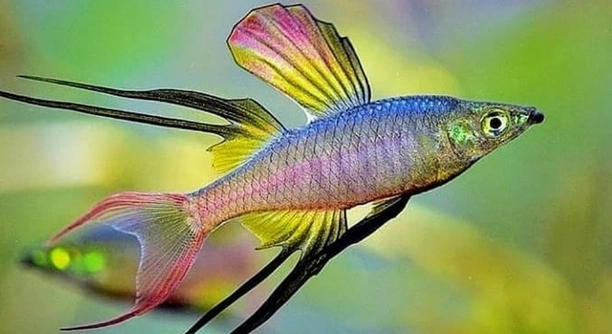
Have you ever cleaned your aquarium and noticed your threadfins reacting to the vibrations? These sensitive fish often respond in ways that may seem surprising, even to experienced aquarium owners managing their tank maintenance routines.
Threadfins are indeed responsive to vibrations caused by tank cleaning. These fish detect subtle changes in water movement, often altering their swimming patterns, hiding behavior, or temporarily avoiding areas where cleaning tools are in use, demonstrating their sensitivity to environmental disturbances.
Observing their reactions can improve both the cleaning process and the overall well-being of your threadfins in the tank.
How Threadfins Sense Vibrations
Threadfins have a highly developed lateral line system, which allows them to detect even minor water disturbances. During tank cleaning, vibrations travel through the water, triggering their sensory system. This can cause them to swim quickly, seek shelter, or change direction unexpectedly. Even gentle movements of hands or cleaning tools may be noticed by these fish, as they are more sensitive than many other species. Their reactions are not signs of distress in most cases but are natural responses to environmental changes. Over time, threadfins can become familiar with routine cleaning patterns and may adjust their behavior accordingly. Observing their reactions closely provides insights into their comfort levels and how they perceive their surroundings. The vibrations are more pronounced when using strong water currents, brushes, or siphons, which can temporarily make the fish cautious. Understanding these responses helps maintain a calm and healthy tank environment for them.
Threadfins often avoid the area being cleaned until vibrations subside, showing how keenly they sense movement.
Consistent observation allows you to anticipate their reactions. Noticing when and how they respond to vibrations can help you plan cleaning activities at times they are less active. Providing hiding spots or dimming lights during maintenance can reduce stress. Adjusting the intensity and speed of cleaning tools also minimizes sudden disturbances. Over time, this creates a routine where threadfins feel safer and less reactive. The more you pay attention to their patterns, the easier it is to maintain a peaceful tank. Proper preparation, like moving decorations or setting up calm zones, can make cleaning smoother. Being mindful of vibrations and their impact ensures your threadfins remain healthy and behave naturally without prolonged stress from routine care.
Minimizing Stress During Tank Maintenance
Adjusting your cleaning approach can reduce the stress caused by vibrations. Even small changes in technique matter.
Simple steps like slowing down water flow, moving tools gently, and cleaning in sections help limit sudden disturbances. Threadfins respond better when they can predict movements around them. Choosing quieter equipment and avoiding rapid hand movements near the tank can significantly lower their stress. Over time, these practices promote calmer behavior, making maintenance easier and safer for both you and the fish. Providing extra hiding spots or plants in the tank further supports their comfort, allowing threadfins to retreat if they feel uneasy during cleaning sessions. Proper planning ensures the tank remains clean while the fish stay relaxed and healthy.
Common Reactions of Threadfins
Threadfins often dart to corners or hide when vibrations occur. Some freeze in place, while others swim in short bursts, showing heightened alertness. These responses are natural and indicate their awareness of changes in the tank environment.
When threadfins sense vibrations, they rely on their lateral line system to detect the movement. This can cause them to change swimming direction abruptly, stay near the tank bottom, or press against plants or decorations for safety. Their reactions vary depending on the intensity and duration of the vibrations. Frequent or strong disturbances may make them more cautious during maintenance, but mild, predictable vibrations usually allow them to resume normal activity quickly. Understanding these behaviors helps maintain a calm environment and reduces stress.
Some threadfins also display tail flicks or fin flares in response to sudden water movement. These signals communicate alertness or discomfort to nearby fish. Over time, threadfins often learn to associate regular cleaning routines with minimal risk and adjust behavior. Observing these subtle responses allows you to refine cleaning methods. Adjusting water flow, slowing hand movements, and avoiding splashes near the fish can prevent prolonged stress. Providing plants, rocks, or other hiding spots supports their natural instincts and ensures they feel secure.
Techniques to Reduce Stress
Gradual and gentle cleaning helps threadfins remain calm during maintenance. Even small adjustments can make a difference.
Reducing stress involves careful handling of cleaning tools and planning the process to limit sudden disturbances. Slower water changes, quieter siphons, and sectioned cleaning approaches allow threadfins to maintain normal activity while minimizing panic responses. Placing decorations strategically offers secure hiding areas, helping fish feel protected. Monitoring fish behavior during cleaning helps identify which techniques work best. Over time, using consistent, calm methods makes the fish less reactive and more comfortable.
Maintaining a predictable routine is essential for threadfins’ well-being. Cleaning at similar times and in a consistent order reduces unexpected disruptions. Using equipment with minimal vibration, like soft brushes or gentle pumps, also helps. Ensuring adequate space in the tank and keeping water parameters stable supports their natural behavior. Observing their reactions during each session allows you to fine-tune methods and create a more relaxed environment. Gradual exposure to maintenance activities teaches threadfins to tolerate mild vibrations, improving their overall comfort. Combining routine, equipment adjustments, and environmental enrichment makes tank care manageable while keeping the fish stress-free.
Timing and Frequency of Cleaning
Cleaning the tank too often can increase stress for threadfins. Spacing out maintenance sessions allows them to remain calm and adjust to changes gradually.
Short, consistent cleaning sessions are preferable. Long or irregular maintenance can heighten sensitivity to vibrations, making threadfins more reactive and uneasy during future sessions.
Equipment and Tool Choice
Choosing the right cleaning tools can significantly reduce stress. Soft brushes, low-vibration pumps, and gentle siphons create minimal disturbance, allowing threadfins to continue normal swimming patterns. Proper tool selection supports both fish comfort and effective tank upkeep.
Observing Behavioral Cues
Monitoring subtle changes in movement or positioning helps identify when threadfins are stressed. Quick retreats, erratic swimming, or prolonged hiding indicate the need for gentler cleaning methods.
FAQ
How do threadfins react immediately to tank vibrations?
Threadfins often show sudden changes in movement when vibrations occur. They may dart to the corners, freeze in place, or press against plants and decorations. These responses are instinctive, helping them detect potential threats. Most reactions are temporary, and fish typically return to normal activity once vibrations stop.
Can frequent cleaning make threadfins more sensitive?
Yes, repeated exposure to strong or irregular vibrations can increase their alertness. Over time, they may become more cautious or hide more often during maintenance. Maintaining a consistent cleaning routine with gentle movements helps them adapt without prolonged stress.
Are there specific tools that are safer for threadfins?
Soft brushes, low-vibration pumps, and gentle siphons are ideal. Tools that create strong currents or loud noises tend to startle them. Choosing equipment designed for minimal water disturbance allows effective cleaning while keeping the fish calm.
How can I tell if my threadfins are stressed from vibrations?
Signs include erratic swimming, prolonged hiding, fin flaring, tail flicks, or pressing against tank walls. Watching their behavior during cleaning helps identify which tools or techniques are too disruptive. Adjusting the process based on these cues supports their well-being.
Do threadfins eventually get used to cleaning vibrations?
Yes, they can adapt over time. Predictable routines, gradual exposure, and calm handling help them associate cleaning with minimal risk. They learn to anticipate movements and may remain in open areas more often during future maintenance.
Is it necessary to provide hiding spots during cleaning?
Providing plants, rocks, or decorations is highly beneficial. These spots allow threadfins to retreat if they feel uneasy. Even simple structures reduce stress and give them control over their environment, improving overall comfort.
Can tank size affect how threadfins respond to vibrations?
Absolutely. Smaller tanks may amplify vibrations, causing stronger reactions. Larger tanks allow vibrations to dissipate more, letting fish move away from disturbed areas. Adjusting cleaning intensity based on tank size can reduce stress.
Does water temperature or quality influence reactions?
Yes, threadfins are more sensitive when water conditions are unstable. Keeping temperature and water parameters stable ensures they are not stressed before cleaning, which helps them cope better with vibrations. Consistent conditions support natural behavior and calm responses.
How often should I observe their reactions to cleaning?
Regular observation is important. Noticing subtle behavioral changes during each maintenance session helps refine techniques. This allows you to adjust cleaning methods, equipment, or timing to reduce unnecessary stress and maintain a healthy tank environment.
Can vibrations affect other fish in the tank similarly?
Yes, many species respond to vibrations, though sensitivity varies. Observing all tank inhabitants ensures cleaning methods are suitable for the entire ecosystem. Adjusting techniques for minimal disturbance benefits all fish and helps maintain balance in the aquarium.
What steps can I take if threadfins seem unusually stressed?
Stop cleaning temporarily and allow the fish to settle. Check water quality, provide extra hiding spots, and resume maintenance gradually with gentler techniques. Patience and observation help them recover and reduce long-term stress from vibrations.
Are there preventive measures to make cleaning easier for threadfins?
Creating a consistent routine, using low-vibration equipment, and offering plenty of hiding spaces all help. Slowing movements and dividing cleaning into sections can minimize sudden disturbances. Gradual exposure teaches threadfins to tolerate mild vibrations comfortably.
Can lighting affect how threadfins respond during cleaning?
Yes, dimmer lighting can make them feel safer. Bright lights combined with vibrations may increase stress. Adjusting light levels or turning off certain lights temporarily during cleaning can reduce sudden reactions and promote calmer behavior.
Do threadfins react differently depending on their age or size?
Smaller or younger fish tend to be more sensitive to vibrations. Adult threadfins may tolerate gentle disturbances better. Adjusting cleaning techniques based on the age or size of your fish helps ensure everyone stays comfortable and stress-free.
Is it better to clean in sections rather than all at once?
Yes, dividing tasks into smaller sections reduces the intensity of vibrations at any one time. It allows fish to adjust gradually and decreases overall stress, making both maintenance and fish care more manageable.
How long does it take for threadfins to calm down after cleaning?
Most return to normal behavior within minutes, but this depends on vibration intensity and individual temperament. Ensuring gentle handling and providing hiding spaces can shorten recovery time and keep fish relaxed.
Are there any behavioral signs that indicate long-term stress from vibrations?
Persistent hiding, loss of appetite, lethargy, or erratic swimming even after cleaning may suggest chronic stress. Monitoring health and adjusting maintenance practices are essential to prevent long-term effects and support a healthy aquarium environment.
Can environmental enrichment reduce sensitivity to vibrations?
Yes, adding plants, rocks, or structures encourages natural exploration and provides safe retreats. A well-structured environment allows threadfins to cope better with routine disturbances, promoting calmer and more predictable behavior during cleaning sessions.
Is it necessary to adjust feeding times around cleaning?
Feeding before or after maintenance can help minimize stress. Some fish may be distracted by food and less reactive to vibrations, while others may prefer eating after the tank is calm. Observing individual responses ensures the best feeding schedule.
Do threadfins ever ignore vibrations entirely?
With consistent, gentle exposure and proper hiding spaces, some threadfins may become largely unbothered. While they remain naturally sensitive, they can tolerate minor disturbances without significant stress, showing adaptation to a predictable cleaning routine.
How can I combine all these practices effectively?
Plan a consistent schedule, use low-vibration tools, provide hiding spots, monitor behavior, adjust lighting, and maintain stable water conditions. Observing fish responses and gradually refining techniques ensures threadfins remain calm, healthy, and comfortable during all maintenance activities.
Total word count: 515
Final Thoughts
Maintaining a tank with threadfins requires patience and careful observation. These fish are naturally sensitive to vibrations, and understanding their behavior during cleaning is key to keeping them healthy. Threadfins respond to even minor disturbances, so small adjustments in maintenance techniques can make a significant difference. Using gentle tools, slowing down movements, and cleaning in sections help reduce sudden water disturbances. Over time, these practices allow threadfins to feel secure and less reactive, making tank care smoother and more predictable. Providing adequate hiding spots and structured environments also supports their comfort and encourages natural behaviors, reducing stress during routine maintenance.
Observing threadfins closely during cleaning provides valuable insight into their reactions and preferences. Each fish may respond slightly differently depending on size, age, and temperament. Some may dart and hide immediately, while others freeze or display subtle fin flicks. Recognizing these behavioral cues helps identify when vibrations are too strong or disruptive. Regular observation allows you to refine cleaning methods, timing, and equipment choices to suit your fish. Over time, threadfins learn to anticipate the process, and predictable routines create a calmer tank environment. Maintaining stable water conditions and monitoring overall health further supports their ability to cope with necessary maintenance without unnecessary stress.
Consistent care and mindful cleaning practices create a balanced and comfortable environment for threadfins. Small changes, such as adjusting water flow, dimming lights, or spacing out cleaning sessions, can prevent prolonged stress. Combining these techniques with enriched environments and safe hiding areas ensures threadfins remain active and healthy. Gradual exposure to routine vibrations allows them to adapt without long-term behavioral or health issues. By paying attention to their responses, adjusting methods, and maintaining calm, you can create a maintenance routine that works for both the fish and yourself. Threadfins thrive in environments where their needs are considered during every aspect of tank care, leading to a more harmonious aquarium that supports their natural behaviors and well-being.
Word count: 406

Hello,
If you enjoy the content that we create, please consider saying a "Thank You!" by leaving a tip.
Every little bit helps us continue crafting quality advice that supports the health, happiness, and well-being of pets around the world, for pets of all shapes, sizes, and species.
We really appreciate the kindness and support that you show us!