
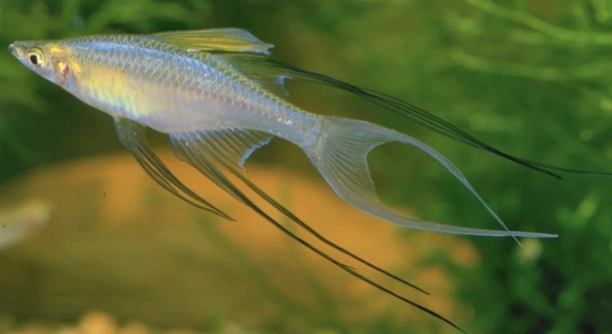
Are your Threadfin Rainbowfish showing signs of boredom or inactivity in their tank? These small, colorful fish thrive when their environment is engaging, offering both mental stimulation and physical activity to maintain their health and vitality.
Providing enrichment for Threadfin Rainbowfish can be achieved through simple, cost-effective methods. Introducing varied decorations, floating plants, and gentle water currents encourages natural behaviors, while periodic rearrangement and interactive feeding strategies promote activity, reduce stress, and enhance overall well-being in captivity.
These easy enrichment ideas will help keep your Threadfin Rainbowfish active, healthy, and visually vibrant, ensuring their environment remains stimulating and enjoyable.
Floating Plants for Natural Shelter
Adding floating plants to your Threadfin Rainbowfish tank creates natural shelter and reduces stress. These plants provide shade and cover, mimicking their natural habitat, while also breaking the water surface. Fish often use floating plants as resting spots and as areas to explore, which encourages natural behaviors. Plants such as duckweed, water lettuce, or Amazon frogbit are easy to maintain and allow fish to swim around and underneath freely. Floating plants can also help control algae by limiting light penetration and absorbing excess nutrients, improving water quality. Regular trimming prevents overcrowding while maintaining an appealing environment. Over time, fish will interact with these plants, darting between them or hiding briefly, which promotes activity. The added greenery not only benefits your fish but also enhances the visual appeal of your tank, creating a lively and balanced aquatic environment. Ensuring the plants remain healthy will support your fish’s mental and physical stimulation consistently.
Floating plants offer both shelter and enrichment, keeping Threadfin Rainbowfish active while improving tank aesthetics.
Including floating plants is a low-maintenance method that encourages natural behaviors. Fish use these plants for hiding, exploring, and resting. They also contribute to water quality and balance in the tank.
Rearranging Decorations
Rearranging tank decorations periodically prevents your fish from becoming bored and encourages exploration. Changing the positions of rocks, driftwood, or artificial structures creates new swimming routes and hiding spots. This practice stimulates curiosity and movement, reducing inactivity and stress.
Regularly moving decorations keeps the tank dynamic and engaging for your fish.
When you shift decorations, fish are prompted to investigate new layouts. Rocks and driftwood can be repositioned to form small caves or tunnels, promoting natural behaviors. Some Threadfin Rainbowfish may choose new territories or swimming patterns based on the altered environment. Avoid overcrowding to maintain sufficient swimming space. Decorations with varying textures and heights allow for diverse interactions and exercise. Rotating items every few weeks maintains novelty without causing stress. Observing your fish after rearranging provides insights into their preferences and activity levels. By thoughtfully modifying the tank, you create a stimulating habitat that supports mental and physical enrichment. Consistent attention to decoration placement helps maintain a balanced, healthy environment where Threadfin Rainbowfish can thrive naturally.
Live or Frozen Foods
Live or frozen foods like brine shrimp, daphnia, and bloodworms add variety to a Threadfin Rainbowfish diet. These foods stimulate natural hunting behaviors and keep the fish engaged during feeding.
Feeding live or frozen foods encourages movement and interaction with the environment. Fish actively chase or pick at the food, promoting exercise and reducing boredom. Rotating food types ensures balanced nutrition while keeping feeding time interesting. Overfeeding should be avoided to maintain water quality, and leftovers should be removed promptly. By offering these foods, you support both mental stimulation and physical health, helping your Threadfin Rainbowfish remain active, alert, and vibrant in their tank habitat.
In addition to stimulating natural behaviors, live and frozen foods enhance the color and overall condition of the fish. Nutrient-rich foods contribute to brighter scales and healthier fins, while encouraging fish to explore the tank during feeding. Carefully selecting high-quality options ensures your Threadfin Rainbowfish get the maximum benefits from this enrichment method.
Gentle Water Currents
Threadfin Rainbowfish benefit from gentle water currents that mimic natural river or stream conditions. Currents encourage swimming and exploration while preventing stagnant areas.
Creating gentle currents promotes exercise and keeps the fish engaged in their environment. Adjustable filters or small powerheads can produce consistent movement without stressing the fish.
Currents also help distribute oxygen evenly and improve water quality, benefiting overall tank health. Fish often swim against or along the flow, using the current for navigation and physical activity. This stimulation reduces lethargy and encourages natural schooling behavior. By maintaining a moderate flow, you can provide an enriching environment that supports fitness, alertness, and social interactions among Threadfin Rainbowfish. Gentle currents work best when combined with other enrichment strategies, creating a dynamic and healthy habitat.
Varied Hiding Spots
Providing varied hiding spots helps Threadfin Rainbowfish feel secure and encourages exploration. Rocks, caves, and small ornaments create areas for resting or briefly retreating from activity.
Rotating or adding new hiding spots keeps the tank interesting. Fish will investigate these areas, promoting movement and reducing stress while maintaining a sense of safety in their environment.
Interactive Feeding
Interactive feeding methods, such as using feeding rings or scattering food in different areas, encourage natural foraging behaviors. This prevents boredom and keeps the fish active during meal times.
Gentle Lighting Changes
Adjusting lighting gradually simulates natural day-night cycles. Slight variations in light intensity can encourage movement and exploration, while helping Threadfin Rainbowfish maintain a healthy rhythm in their environment.
Mirror or Reflection Play
Introducing a mirror briefly can stimulate curiosity and social interaction. Fish may respond to their reflection, promoting activity without causing prolonged stress when used carefully.
FAQ
How often should I change the layout of my tank decorations?
Changing the tank layout every few weeks is ideal. Threadfin Rainbowfish respond well to new hiding spots and altered swimming paths, which stimulates activity and reduces boredom. Avoid drastic changes all at once to prevent stress. Small, gradual adjustments work best.
Can I use artificial plants instead of live plants?
Yes, artificial plants can provide hiding spots and visual interest. While they don’t contribute to water quality or nutrient absorption like live plants, they are easier to maintain and still encourage exploration and activity among your fish.
What types of live foods are best for enrichment?
Brine shrimp, daphnia, and bloodworms are excellent options. These foods encourage natural hunting behaviors, increase physical activity, and add variety to the diet. Rotating between different types ensures balanced nutrition and keeps feeding times engaging.
Is it safe to use a mirror for enrichment?
A mirror can be used briefly to stimulate curiosity and social interaction, but it should not remain in the tank for long periods. Prolonged exposure may cause stress or aggressive behavior, so limit sessions to a few minutes and observe reactions.
How strong should water currents be in the tank?
Currents should be gentle and consistent. Adjustable filters or small powerheads can create movement without overwhelming the fish. Strong currents can cause stress and inhibit natural swimming, while mild flow encourages exploration and promotes physical activity.
Do Threadfin Rainbowfish need different types of hiding spots?
Yes, offering a mix of rocks, caves, and floating plants is beneficial. Diverse hiding spots allow fish to choose where they feel safe, promoting natural behaviors, reducing stress, and encouraging active exploration in different areas of the tank.
How often should I feed live or frozen foods?
Supplementing the regular diet with live or frozen foods two to three times a week is sufficient. Overfeeding can impact water quality, so remove uneaten food promptly. These feedings provide enrichment and stimulate hunting instincts without disrupting routine nutrition.
Can lighting changes affect fish behavior?
Yes, gradually adjusting light intensity can simulate natural day-night cycles and encourage movement. Subtle changes in lighting promote exploration and reduce inactivity while supporting a healthy circadian rhythm, benefiting both behavior and overall health.
Is it necessary to combine multiple enrichment methods?
Combining enrichment methods is most effective. Floating plants, varied decorations, gentle currents, and interactive feeding together create a stimulating and balanced environment. This approach addresses both mental and physical needs, ensuring your Threadfin Rainbowfish remain active, healthy, and engaged consistently.
How do I know if my enrichment strategies are working?
Observe your fish for increased activity, curiosity, and interaction with their environment. Healthy coloration, regular swimming patterns, and reduced hiding indicate that enrichment is effective. Adjust methods if fish show signs of stress or disinterest, ensuring the tank remains engaging and safe.
Can too much enrichment be harmful?
Yes, overloading the tank with decorations, plants, or intense currents can stress Threadfin Rainbowfish. Balance is key—provide stimulating features without overcrowding the space. Monitor behavior to maintain a healthy, active environment that encourages natural behaviors without causing anxiety or aggression.
Are there enrichment methods that also improve water quality?
Live plants and gentle water currents help maintain water quality. Plants absorb excess nutrients and limit algae growth, while currents promote oxygen distribution and circulation. These methods support both fish health and tank cleanliness, making enrichment beneficial for the environment as well.
How long should enrichment features stay in the tank?
Some features, like floating plants and decorations, can remain indefinitely with proper care. Temporary enrichment tools, such as mirrors or feeding rings, should be used briefly to stimulate activity without causing stress. Rotate or adjust features to maintain novelty and engagement over time.
Can enrichment help reduce aggression in Threadfin Rainbowfish?
Yes, providing multiple hiding spots, ample swimming space, and interactive feeding reduces competition and stress. Enrichment encourages natural behaviors and keeps fish engaged, lowering the risk of territorial disputes or aggressive interactions in the tank.
What is the most important factor in effective enrichment?
The key is variety and balance. Combining physical structures, live foods, water movement, and occasional lighting changes addresses both mental and physical needs. Monitoring fish behavior ensures the environment remains stimulating without causing stress, supporting overall health and activity levels.
Providing enrichment for Threadfin Rainbowfish is essential for maintaining their health, activity, and overall well-being. These fish are naturally active and social, so a static environment can lead to boredom, stress, and reduced vitality. Incorporating simple methods such as floating plants, varied decorations, and gentle water currents can create a more dynamic tank. Floating plants offer cover and resting spots while breaking the water surface, encouraging natural behaviors. Rearranging decorations periodically keeps the environment interesting and encourages exploration, while hiding spots like rocks and caves provide security. These small adjustments help replicate aspects of their natural habitat and stimulate both mental and physical activity, which is crucial for their long-term health.
Feeding practices also play an important role in enrichment. Supplementing the regular diet with live or frozen foods, such as brine shrimp, daphnia, or bloodworms, encourages natural hunting behaviors and adds variety. Using interactive feeding methods, like scattering food or using feeding rings, further promotes activity and engagement during mealtime. Gentle lighting changes and brief mirror sessions can also provide subtle stimulation, encouraging movement and curiosity without causing stress. Even small features like varied textures or different swimming areas can make a noticeable difference in the behavior of your fish. The goal is to create a balanced environment that supports both physical exercise and mental engagement, ensuring that Threadfin Rainbowfish remain alert, healthy, and visually vibrant.
Consistency and observation are key to effective enrichment. It is important to monitor how the fish respond to new elements and adjust methods if any signs of stress or disinterest appear. Overloading the tank with too many features, strong currents, or prolonged mirror exposure can be counterproductive, so moderation is essential. Enrichment is most effective when it combines multiple approaches—structural changes, feeding variation, gentle currents, and visual stimuli—while maintaining sufficient swimming space and water quality. By thoughtfully incorporating these strategies, you create a habitat that supports natural behaviors, reduces boredom, and enhances the overall quality of life for Threadfin Rainbowfish. Regular attention to their environment, combined with a varied and stimulating approach, ensures that these fish remain active, healthy, and thriving for years to come.

Hello,
If you enjoy the content that we create, please consider saying a "Thank You!" by leaving a tip.
Every little bit helps us continue crafting quality advice that supports the health, happiness, and well-being of pets around the world, for pets of all shapes, sizes, and species.
We really appreciate the kindness and support that you show us!