
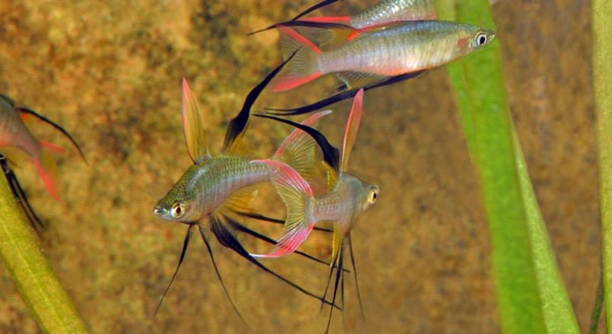
Do you ever find yourself watching your threadfins and noticing how still they become when the usual movement and sounds in their tank fade away?
When a tank goes quiet, threadfins often reduce their activity, conserving energy while remaining alert to environmental changes. This response is linked to their sensitivity to external cues, as silence may signal altered conditions or potential disturbances in their surroundings.
Learning how silence influences threadfins helps you better understand their subtle behaviors and recognize what keeps them feeling secure in their aquatic space.
How Threadfins React to Silence
When the tank becomes unusually quiet, threadfins may appear less active, almost as though they are conserving energy. This reaction is not unusual, as fish rely on environmental cues to feel secure. Sudden silence can signal that something in their surroundings has changed. For threadfins, stillness can be a way to monitor what is happening without drawing attention to themselves. They might hover closer to cover, swim with slower movements, or remain near plants and decorations for comfort. This response shows how sensitive they are to sound and activity levels, which both play a role in their daily rhythm. Understanding this behavior helps you see that silence is not always a bad sign. It can be part of their instinctive need to protect themselves and adapt. Observing these moments closely can reveal when they are simply resting or when they feel uncertain about their environment.
Noticing these subtle behaviors allows you to respond better to your threadfins’ needs while ensuring they remain comfortable in their tank.
Silence does not always create stress for threadfins, but it can highlight how much they depend on consistency. Recognizing this helps you create a stable environment where they feel safe, secure, and supported in their natural behaviors.
Creating a Comfortable Environment
When a tank goes quiet, the environment becomes the strongest signal for your threadfins. A stable setup ensures they feel secure and less reactive to sudden changes.
To create comfort, focus on maintaining consistency in water conditions, lighting, and tank structure. Threadfins thrive when their surroundings remain predictable. Adding live plants, hiding spaces, and soft water movement can reduce the impact of silence, giving them areas to rest or retreat when needed. Feeding at consistent times also supports their routine, reinforcing a sense of stability. Monitoring water quality closely is equally important, as even minor shifts can make them more sensitive to silence or stillness. If you notice their behavior changing, check for any environmental disruptions. Sometimes what seems like a reaction to quietness can actually be linked to fluctuating conditions in the tank. By addressing these details, you create a balanced space where your threadfins feel calm even when external activity slows.
Signs of Stress in Threadfins
Stress in threadfins can show in small but noticeable ways. They may swim erratically, lose interest in food, or hide more often. These behaviors usually appear when they feel unsafe or uncertain about their environment.
Loss of appetite is one of the first signals of stress. A threadfin that suddenly ignores food may be unsettled by environmental changes or silence in the tank. Erratic swimming, such as darting or pacing, is another clear indicator. Prolonged stress can also lead to faded colors, which shows how their health connects directly to their surroundings. Paying attention to these signs early helps you react quickly.
Hiding is another common behavior that shows unease. When threadfins spend more time pressed against plants, decorations, or tank corners, it can mean they are uncomfortable. Creating a stable and quiet space reduces these reactions. Recognizing these stress signals ensures you respond in time to support their well-being.
Encouraging Natural Behavior
Encouraging natural behavior starts with making the tank feel safe. Adding plants, gentle water flow, and shaded areas helps threadfins relax and interact with their surroundings. Stability allows them to swim gracefully without signs of stress or hesitation.
Threadfins flourish when their environment mirrors their natural needs. Balanced water conditions, stable lighting, and consistent feeding times help them stay active and responsive. Providing hiding spots encourages exploration, while gentle currents mimic their natural habitats, making them more comfortable. Observing them thrive in this type of setup shows how small adjustments can create big changes. By creating a balanced environment, you give them the confidence to display their full range of natural behaviors. This not only improves their quality of life but also gives you a chance to enjoy their unique movements, colors, and interactions in a more authentic way.
Subtle Shifts in Behavior
Threadfins may become quieter when the tank falls silent, often hovering near plants or slowing their swimming. These shifts can look small, but they show how strongly threadfins respond to changes in their surroundings.
Sometimes threadfins gather closer together when quietness takes over. This grouping gives them comfort and security, allowing them to feel less exposed. Observing these small changes helps you understand how much silence shapes their natural behavior inside the tank.
The Role of Tankmates
Tankmates influence how threadfins respond to silence. Peaceful companions provide a sense of balance, while aggressive or overly active species can increase their stress. When noise or activity suddenly stops, threadfins are more alert to how their tankmates behave. If those around them seem unsettled, threadfins often mirror that behavior. Keeping compatible fish reduces tension during quiet times, allowing threadfins to stay calm. Selecting tankmates with similar needs and temperaments ensures that silence does not become a trigger for stress. This balance helps them maintain steady routines even when the environment feels unusually still.
When Quiet is Beneficial
Stillness can sometimes work in threadfins’ favor. Quiet moments give them time to conserve energy and rest. These pauses let them restore balance, showing that silence is not always a source of discomfort for them.
FAQ
Why do threadfins become so still when the tank is quiet?
Threadfins are highly sensitive to changes in their environment. When the usual movement or sounds in the tank stop, they may slow down to conserve energy and stay alert. This stillness is a natural behavior that helps them monitor their surroundings for safety.
Is this behavior a sign of stress?
Not always. Temporary stillness can be normal and shows their instinct to observe. However, prolonged inactivity combined with hiding, loss of appetite, or faded colors can indicate stress. Paying attention to these additional signs helps determine whether intervention is needed.
How can I tell if my threadfins are healthy despite being quiet?
Healthy threadfins will maintain regular feeding patterns and show smooth, controlled swimming at times. Their coloration remains vibrant, and they interact with tankmates naturally. Quiet moments alone do not mean they are unwell. Observing overall behavior over days is key.
Should I try to make the tank noisy to stimulate them?
Adding noise or constant activity is not necessary. Threadfins respond best to stable, calm environments. Sudden disturbances can increase stress. Gentle movement from water filters or soft currents is sufficient to maintain a healthy rhythm without forcing activity.
Do all threadfins react the same way to silence?
Individual temperament matters. Some threadfins are naturally more active and curious, while others are cautious. While most reduce movement when the tank is quiet, the degree varies depending on personality, age, and tank conditions. Observing your specific fish helps you understand their behavior patterns.
Can quiet tanks affect their social behavior?
Yes. Threadfins often rely on tankmates for social cues. In silence, they may cluster or mirror the behavior of other fish. When tankmates are calm, threadfins feel safer. Aggressive or overly active companions can make quiet moments more stressful and trigger defensive behaviors.
How long should a quiet period last before I intervene?
Short periods of stillness are normal and beneficial for rest. Intervention is only needed if unusual behaviors persist for several hours or days. Consistent hiding, refusal to eat, or changes in swimming patterns indicate it is time to check water quality, tankmates, and feeding routines.
Does lighting affect their response to quiet?
Yes. Threadfins are sensitive to both light and sound. Sudden changes in lighting can intensify reactions to quiet. Gradual light adjustments and maintaining a regular day-night cycle help them feel secure and reduce stress during silent periods.
Can I encourage them to be more active without stressing them?
Yes. Providing live plants, gentle water flow, and enrichment areas encourages exploration. Feeding at consistent times also promotes movement without creating unnecessary stress. Avoid forcing interaction or introducing sudden activity, as this can trigger fear responses instead.
Are there signs that quietness is improving their behavior?
When threadfins rest calmly, swim naturally afterward, and maintain healthy coloration, quiet periods are beneficial. They may also show curiosity when the tank environment returns to normal activity levels. Observing these positive responses helps confirm that silence supports their overall well-being.
What environmental factors should I check if quiet seems to cause problems?
Water quality is crucial. Temperature, pH, and ammonia levels can all affect threadfins’ responses. Tank structure, such as hiding spaces and current strength, also matters. Ensuring these factors are stable minimizes negative reactions to quiet and supports healthy behavior consistently.
Is it normal for threadfins to cluster together when quiet?
Yes. Grouping provides security and comfort. It is an instinctive behavior that helps them feel less exposed during periods of low activity. Providing adequate space and hiding spots ensures clustering does not become a sign of stress or overcrowding.
How often should I observe them during quiet periods?
Regular observation is important, but avoid constant interference. Short, daily checks allow you to notice changes in behavior without disturbing their environment. Tracking patterns over time helps distinguish normal quiet behavior from signs of potential issues.
Do younger threadfins react differently to quiet than adults?
Juveniles are often more active and may explore more despite quiet conditions. Adults tend to conserve energy and remain still. Understanding these age-related differences helps tailor tank setups and enrichment strategies for both age groups.
Can diet influence how they respond to quiet periods?
Yes. Proper nutrition supports energy levels and overall resilience. Well-fed threadfins tolerate stillness better, remain alert without stress, and recover more quickly when interacting with tankmates. Feeding schedules aligned with natural rhythms also reinforce calm, stable behavior.
What should I do if quiet seems to cause ongoing stress?
Check water quality, adjust tankmates if needed, and ensure hiding spaces and plants are sufficient. Gradually reintroducing gentle activity can help them regain confidence. Consistency in routine and environment is the most effective approach to reducing stress caused by quiet.
How can I tell if silence benefits their natural behavior?
Look for controlled swimming, regular feeding, healthy coloration, and calm interactions with tankmates. When quiet periods are followed by normal activity without signs of stress, it indicates that these moments are supporting natural behavior patterns effectively.
Are there long-term advantages to allowing quiet periods?
Yes. Quiet allows threadfins to conserve energy, reduce stress, and maintain stable health. These periods support natural instincts, helping them respond appropriately to changes and stay balanced within their tank environment over time.
Can quiet periods help with aggression in the tank?
Yes. Calm environments reduce triggers for aggressive behavior. Threadfins and tankmates are less likely to compete or show dominance when the tank is peaceful, creating a more harmonious community overall.
How do I balance quiet and activity in the tank?
Maintain a stable environment with gentle currents, consistent feeding, and adequate hiding spaces. Encourage exploration gradually, without sudden noise or disturbances. This balance ensures threadfins remain alert and healthy without stress, benefiting their long-term behavior and well-being.
Is observing quiet periods useful for monitoring health?
Absolutely. How threadfins respond to silence can indicate their comfort, stress levels, and overall health. Regular observation during these times provides insights into behavior, feeding, and interaction patterns, helping you maintain optimal tank conditions consistently.
Final Thoughts
Threadfins are fascinating fish that respond strongly to changes in their environment. When the tank goes quiet, their behavior shifts in ways that may seem subtle at first but are important to notice. They may swim less, hover near plants, or group together for comfort. These behaviors are not necessarily signs of distress. In fact, stillness can be a natural part of their rhythm, allowing them to rest, conserve energy, and remain alert to their surroundings. Understanding these natural responses helps you better appreciate the nuances of threadfin behavior and ensures you can provide a supportive environment. Observing their reactions over time makes it easier to distinguish between normal quiet behavior and signs that may indicate stress or discomfort.
Creating a stable tank environment is essential for supporting threadfins. Consistent water conditions, gentle currents, and predictable feeding times help them feel secure. Providing hiding spaces, plants, and shaded areas allows them to move or rest as needed without feeling exposed. Tankmates also play a significant role in how threadfins respond to quiet. Peaceful companions encourage calm, while overly active or aggressive fish can increase stress. Quiet periods allow threadfins to regain balance and display natural behaviors, while maintaining these environmental factors ensures that they do so safely. Paying attention to their subtle cues, such as swimming patterns, clustering, and feeding habits, provides insight into their overall well-being. This careful observation allows you to make adjustments that support their comfort and health without unnecessary interference.
It is important to remember that quiet in the tank is not inherently negative. Threadfins can use these moments to rest, recover, and conserve energy for future activity. Observing their behavior during quiet periods offers an opportunity to understand them more deeply, including their interactions with tankmates and their response to changes in lighting, water movement, and overall tank conditions. By respecting these periods and maintaining a stable environment, you allow threadfins to thrive naturally. Small adjustments in the tank can make a significant difference in their comfort and overall behavior. Recognizing the value of quiet helps create a balanced space where threadfins feel safe, secure, and free to display their natural instincts, ultimately promoting long-term health and a peaceful tank environment.

Hello,
If you enjoy the content that we create, please consider saying a "Thank You!" by leaving a tip.
Every little bit helps us continue crafting quality advice that supports the health, happiness, and well-being of pets around the world, for pets of all shapes, sizes, and species.
We really appreciate the kindness and support that you show us!