
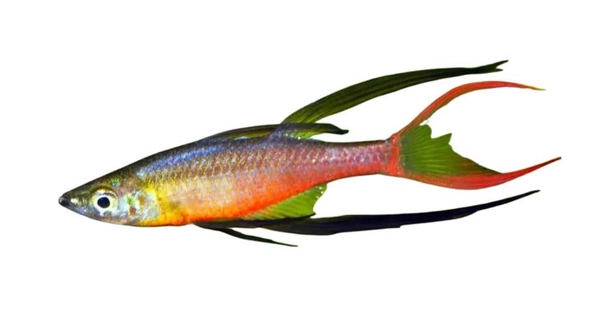
Do you ever notice your threadfin rainbowfish acting more timid than others in the tank? Many aquarists observe subtle behaviors that hint at submission, which can affect social dynamics in community tanks and overall fish wellbeing.
Submissive threadfin rainbowfish often exhibit reduced aggression, maintain lower body posture, avoid dominant individuals, and show slower swimming patterns. Recognizing these behaviors early helps maintain balanced tank interactions and ensures the social hierarchy does not stress weaker fish.
Observing these traits can improve tank harmony and make caring for your rainbowfish easier. Small adjustments in environment and monitoring behavior go a long way.
Identifying Lower Body Posture
Submissive threadfin rainbowfish often swim with a lower body posture, keeping close to the bottom or mid-level of the tank. This behavior is subtle, but it signals that the fish is avoiding confrontation with more dominant tank mates. Unlike active or dominant rainbowfish, submissive ones tend to reduce their movements and remain in calmer areas. Observing this over several days can reveal patterns in social hierarchy and help aquarists understand which fish are under stress. Maintaining hiding spots, plants, and gentle water flow encourages submissive fish to feel safe and reduces unnecessary stress. Over time, submissive fish may display brighter colors when relaxed or increase activity when dominant fish are distracted. Recording behaviors and tank conditions can help you track progress and identify changes early, making the tank environment healthier for all species. Awareness of body posture is key to preventing bullying and ensuring each fish thrives in a balanced ecosystem within the aquarium.
Lower body posture in rainbowfish often indicates submission and the need for protective spaces to feel secure in the tank.
Providing plants, rocks, and gentle currents allows submissive fish to swim safely without constant stress. These adjustments help them integrate into the tank naturally.
Avoiding Direct Confrontation
Submissive rainbowfish often steer clear of direct confrontations with dominant fish. They swim around or pause when approached, avoiding aggressive displays or chasing. This behavior prevents fights and keeps the tank atmosphere calm, but it also shows which fish may need more observation. Understanding these interactions can help prevent injuries, fin nipping, and stress-related illness. By monitoring how submissive fish respond to others, aquarists can adjust feeding routines, decorations, and swimming space to encourage natural behavior without forcing dominance. In some cases, tank rearrangement or temporary separation allows weaker fish to regain confidence. Providing multiple feeding stations reduces competition and ensures submissive fish receive adequate nutrition. Observing these patterns over time helps aquarists predict conflicts before they escalate. Careful attention to confrontation avoidance promotes a healthier, more balanced tank where all rainbowfish can thrive, and it allows owners to enjoy a peaceful and visually appealing aquarium environment.
Reduced Feeding Aggression
Submissive threadfin rainbowfish often eat last during feeding and avoid competing for food. They may linger near the edges or wait until more dominant fish finish before approaching. This behavior ensures they get some nutrition without provoking conflict in the tank.
Because submissive fish avoid confrontation, they can miss out on food if dominant fish are aggressive. Providing multiple feeding spots and spreading food across the tank ensures all fish, including submissive ones, have access to nutrition. Observing feeding behavior helps identify which fish are struggling to eat, allowing you to adjust feeding techniques. Over time, these minor changes can improve the health and growth of submissive rainbowfish. A consistent routine and quiet feeding environment reduce stress, encouraging timid fish to feed more confidently. Tracking their eating patterns can also reveal shifts in hierarchy or health issues that might otherwise go unnoticed.
Another method to support submissive fish during feeding is using slow-sinking pellets or small portions to prevent dominant fish from eating all the food at once. This allows weaker fish to approach safely and consume what they need without fear. Providing hiding spaces near feeding areas can also encourage timid fish to eat without exposure to more aggressive tank mates. Adjusting feeding times or frequency may further help them thrive and maintain proper growth. Observing interactions during feeding can improve your tank management and ensure that every fish receives adequate nutrition and remains healthy.
Frequent Hiding Behavior
Submissive threadfin rainbowfish spend a significant amount of time in hiding, often behind plants, rocks, or decorations. This behavior protects them from dominant fish and reduces stress, promoting a calmer environment within the tank.
Frequent hiding can indicate that a fish feels unsafe or overwhelmed by more aggressive tank mates. Providing ample cover and varying decorations allows submissive fish to retreat without feeling trapped. Watching these patterns over time can help identify which fish are stressed and in need of support. Adjusting tank layout or social groupings ensures submissive fish have safe zones, reducing the risk of injury and encouraging natural behavior. Proper hiding opportunities not only improve wellbeing but also let fish explore at their own pace.
Hiding behavior may vary depending on tank conditions, water quality, and the number of dominant fish present. Submissive rainbowfish often return to open swimming areas only when they feel secure or when dominant fish are distracted. Observing the frequency and duration of hiding can help determine if adjustments are needed in tank environment or group dynamics. Incorporating taller plants, caves, or tunnels provides reliable refuges and reduces stress. Over time, fish may become more confident, exploring more of the tank without compromising safety. Proper management of hiding opportunities is essential for maintaining a balanced and harmonious aquarium where all rainbowfish coexist peacefully.
Limited Social Interaction
Submissive threadfin rainbowfish often avoid group activities or schooling with dominant tank mates. They may swim alone or stick to quieter corners, minimizing potential conflicts and maintaining personal space within the tank.
These fish are more comfortable observing from a distance rather than engaging in active social behavior. They may respond only when approached gently or when dominant fish are distracted, which helps reduce stress and potential aggression in the aquarium.
Faded or Muted Coloration
Submissive rainbowfish may display duller colors compared to their dominant counterparts. This reduced vibrancy signals lower social status and less confidence, serving as a non-confrontational way to avoid aggression in the tank. Observing these color changes can help monitor social dynamics.
Slow or Hesitant Swimming
Submissive rainbowfish tend to swim more slowly and hesitate before moving through open areas. This cautious behavior reduces exposure to dominant fish and prevents accidental confrontations while maintaining safety within the tank.
Tail Clamping
Tail clamping is a common sign of submission in threadfin rainbowfish. The fish keeps its tail close to the body to appear smaller and less threatening, signaling other fish to avoid conflict and promoting safer interactions in the aquarium.
FAQ
How can I tell if my threadfin rainbowfish is submissive?
A submissive threadfin rainbowfish shows lower body posture, slower swimming, and frequent hiding. It avoids dominant fish, rarely competes for food, and may display muted coloration. Observing these behaviors consistently over time confirms submission rather than temporary stress or illness.
Do submissive fish need special care?
Yes, they benefit from extra hiding spaces, gentle water flow, and multiple feeding points. These adjustments reduce stress, prevent injury, and ensure they receive proper nutrition. Maintaining stable water conditions and avoiding sudden changes in tank setup also helps them thrive.
Can a submissive rainbowfish become dominant?
While rare, changes in group dynamics or removal of dominant fish can sometimes allow a previously submissive fish to gain confidence. However, natural temperament and hierarchy tendencies usually keep submissive fish in lower-ranking roles. Patience and observation are key if you attempt to encourage behavioral change.
Will submissive behavior affect health?
Prolonged stress from bullying or lack of food can negatively affect health. Submissive fish are more prone to weakened immune systems, slower growth, and susceptibility to disease. Providing proper nutrition, hiding spots, and a calm environment mitigates these risks effectively.
Is tail clamping normal?
Tail clamping is a common sign of submission. The fish keeps its tail close to its body to appear smaller and avoid confrontation. While occasional tail clamping is normal, constant clamping may indicate chronic stress or an unsafe tank environment.
How do I encourage a submissive fish to eat?
Use multiple feeding locations, slow-sinking pellets, or small portions. Feeding near safe hiding spots allows submissive fish to eat without being intimidated by dominant tank mates. Observe feeding behavior and adjust timing or portions to ensure all fish get adequate nutrition.
Are muted colors always a sign of submission?
Muted coloration often signals submission or stress, but it can also result from illness, poor water quality, or diet deficiencies. Monitoring overall behavior, interactions with other fish, and environmental conditions helps distinguish between stress-related color changes and other issues.
Should submissive fish be separated?
Separation is not always necessary but can help in extreme cases of bullying or severe stress. If dominant fish prevent feeding or cause injuries, using a temporary divider or creating separate areas allows submissive fish to regain confidence and health.
Can tank layout affect submissive behavior?
Yes, providing plants, rocks, and tunnels encourages safe spaces and reduces aggression from dominant fish. Proper hiding spots and varied terrain let submissive fish retreat safely and explore the tank without constant intimidation. Adjusting layout gradually is best to avoid causing stress.
How do I know if my fish is stressed?
Signs include frequent hiding, clamped tails, reduced eating, dull coloration, and slow swimming. Observing behavior patterns over time, along with monitoring water quality and social interactions, helps identify stress early. Addressing these factors promptly supports a healthier, more balanced aquarium environment.
Can social hierarchy be changed without harming submissive fish?
Yes, subtle interventions like rearranging decorations, adding hiding spots, or temporarily isolating aggressive fish can shift dynamics safely. Avoid sudden changes or overcrowding, as these can increase stress and worsen submission. Careful observation ensures interventions benefit all fish.
Do submissive fish interact differently with humans?
Submissive fish often avoid direct contact and may retreat when approached. Gentle movements and predictable routines encourage them to explore safely, but they rarely display the confident behavior of dominant fish. Patience and consistent care help build trust gradually.
How long does it take for submissive behavior to stabilize?
Behavior stabilizes over weeks to months depending on tank composition, environment, and individual temperament. Consistent observation, proper feeding, and adequate hiding spots allow submissive fish to adjust, feel safe, and exhibit natural behavior without constant stress.
Can diet affect submissive fish behavior?
Yes, proper nutrition improves energy, coloration, and confidence. Feeding high-quality pellets, supplemented occasionally with live or frozen food, supports growth and overall health. Well-nourished fish are more likely to explore and interact safely, even if naturally submissive.
Is it normal for submissive fish to avoid the center of the tank?
Yes, avoiding open areas is a protective strategy. Submissive fish often stay near the bottom or edges where cover is available. This behavior minimizes risk of confrontation and allows them to observe surroundings safely. Gradual exposure and tank adjustments can help them explore more confidently over time.
How can I tell if submissive behavior is harmful?
Look for prolonged hiding, consistent tail clamping, refusal to eat, or physical signs of injury. Chronic stress may also appear as weight loss or faded colors. Monitoring behavior daily and adjusting tank conditions ensures submissive fish remain healthy and safe.
Are some fish naturally more submissive than others?
Yes, temperament varies between individuals. Genetics, early experiences, and social group composition influence behavior. Recognizing natural tendencies helps in arranging compatible groups and providing adequate support for more timid fish.
What is the best way to maintain harmony in a mixed rainbowfish tank?
Provide multiple hiding spots, evenly distributed food, and monitor interactions carefully. Keep the tank well-maintained, avoid overcrowding, and observe each fish’s behavior. Subtle adjustments to layout and social groupings maintain a balanced environment where submissive and dominant fish coexist peacefully.
Can submissive fish recover from stress?
Yes, with proper care, they can regain confidence, improve coloration, and resume normal feeding. Consistent environment, hiding opportunities, gentle feeding routines, and reduced exposure to aggression are key to recovery. Patience and observation ensure their long-term wellbeing.
How do I monitor submissive behavior over time?
Record observations of swimming patterns, feeding order, hiding frequency, coloration, and social interactions. Keeping notes helps identify trends, early signs of stress, and responses to environmental changes. Consistent monitoring allows informed adjustments to improve tank harmony and fish health.
Are submissive fish less likely to breed?
Submissive fish may avoid courtship displays or breeding areas due to stress or intimidation. Providing safe spaces, low-stress environments, and adequate nutrition can encourage natural breeding behavior, though dominant individuals often lead in reproductive activities.
Does water quality affect submissive behavior?
Poor water quality increases stress and enhances submissive traits. Maintaining proper parameters, regular water changes, and stable conditions reduce tension, improve health, and allow submissive fish to exhibit more natural behaviors. Clean, stable water is essential for maintaining hierarchy balance and overall wellbeing.
Can multiple submissive fish cohabitate safely?
Yes, groups of submissive fish often stick together, minimizing stress from dominant tank mates. Providing sufficient hiding spaces and feeding areas ensures all timid fish receive nutrition and protection, creating a calmer micro-environment within the tank for these individuals.
How do I prevent submissive fish from being bullied?
Ensure tank size is appropriate, provide multiple hiding spots, and avoid overcrowding. Monitoring dominant fish behavior and adjusting group composition prevents bullying. Slow introduction of new fish and careful observation maintain a safe environment for submissive individuals.
Are there signs that submissive behavior is normal versus problematic?
Normal submissive behavior includes occasional hiding, slow swimming, or waiting during feeding. Problematic behavior is prolonged hiding, refusal to eat, constant tail clamping, or injuries from aggression. Differentiating the two allows timely intervention to protect fish health and tank harmony.
Can environmental enrichment help submissive fish?
Yes, adding plants, rocks, caves, and varied substrate encourages exploration while providing safe zones. Enrichment reduces stress, promotes natural behaviors, and allows submissive fish to gain confidence without provoking dominant individuals. Regular adjustments prevent boredom and maintain a stimulating habitat.
Do submissive fish have unique personality traits?
Yes, they are often cautious, observant, and more sensitive to changes in the tank. Recognizing these traits helps in creating compatible groups, designing tank layouts, and providing appropriate care to meet their specific needs.
How often should I observe submissive fish?
Daily observation is ideal to monitor feeding, swimming, and interactions. Noting subtle changes helps catch stress or aggression early. Regular checks allow adjustments to environment, feeding, or group composition before issues escalate.
Can stress from submission be reversed quickly?
Improvements can be gradual. Proper hiding spots, gentle feeding, stable water, and reduced exposure to aggression support recovery over weeks. Immediate interventions, like temporarily separating aggressive fish, can help speed up the process safely.
Are submissive fish more prone to illness?
Yes, chronic stress weakens immunity, making them more susceptible to disease. Ensuring proper nutrition, clean water, and a calm environment reduces risks and promotes long-term health.
Is it normal for submissive fish to be quieter in the tank?
Yes, submissive fish often stay near cover, avoid active swimming, and remain less visible. This behavior reduces confrontation and stress. Over time, they may become more active once confident and secure in their environment.
How do I balance dominant and submissive fish in one tank?
Provide hiding spots, multiple feeding areas, and monitor interactions carefully. Adjust group composition if needed, rearrange decorations, and maintain stable water parameters. Careful management prevents stress and ensures a harmonious community where both dominant and submissive fish coexist.
Can behavioral enrichment improve submissive fish confidence?
Yes, gradually adding new decorations, varying food placement, and providing low-risk exploration opportunities encourages timid fish to venture out, interact, and develop confidence without provoking aggression from dominant tank mates.
Are there signs that a submissive fish is becoming more confident?
Signs include exploring open areas, approaching food more quickly, displaying brighter coloration, and interacting more with tank mates. Gradual changes indicate comfort and adaptation to the tank environment.
How long should I allow submissive fish to acclimate to new tank mates?
Several weeks are often needed for them to adjust. Observing interactions, feeding behavior, and hiding patterns helps determine when they feel secure and capable of engaging safely with other fish.
Can diet or supplements enhance confidence in submissive fish?
Balanced nutrition supports energy, coloration, and overall health. While diet alone won’t change social rank, well-nourished fish are more active and able to explore safely, indirectly boosting confidence in a low-risk environment.
Is it normal for submissive fish to stick to specific tank areas?
Yes, they prefer corners, near plants, or under decorations where they feel safe. This behavior reduces stress and exposure to dominant fish while allowing them to observe the tank environment securely.
Do submissive fish show different sleeping habits?
They often rest in covered areas and stay motionless for longer periods, reducing visibility to dominant fish. Choosing quiet spots supports restful behavior and reduces stress in the tank.
Can water flow adjustments help submissive fish?
Yes, gentle currents reduce stress and allow them to navigate safely. Strong flows may increase anxiety or limit access to hiding spots, so moderate adjustments are ideal.
Should I track submissive fish behavior over time?
Yes, recording swimming patterns, hiding frequency, feeding order, and coloration helps detect stress, hierarchy changes, or health issues. Consistent tracking informs care decisions and tank management strategies.
Do submissive fish have specific tank size requirements?
A slightly larger tank with plenty of hiding spots and open swimming areas reduces conflict, provides safe zones, and allows submissive fish to establish comfort without constant interference from dominant individuals.
Can stress from submission affect lifespan?
Chronic stress can shorten lifespan due to weakened immunity and increased vulnerability to disease. Proper care, adequate hiding spaces, and balanced social groupings support healthier, longer lives for submissive rainbowfish.
Is it helpful to rearrange decorations periodically?
Yes, changing layout can reduce territorial dominance, give submissive fish new hiding spots, and encourage exploration. Gradual adjustments minimize stress while promoting natural behavior.
Do submissive fish interact differently with other species?
Yes, they often avoid aggression-prone or fast-moving species and may prefer slower, calmer tank mates. Observing interactions helps create a compatible, low-stress community.
Are there visual cues that indicate submission?
Lower body posture, muted colors, tail clamping, and frequent hiding are key indicators. Recognizing these cues early allows timely interventions to reduce stress and prevent injuries.
Can behavioral monitoring prevent tank aggression?
Yes, tracking interactions, feeding order, and hiding patterns allows proactive adjustments to tank layout, group composition, or feeding methods, reducing stress and promoting harmonious living conditions.
Do submissive fish ever assert themselves?
Occasionally, changes in hierarchy, reduced numbers of dominant fish, or temporary separation can give timid fish opportunities to explore more confidently or claim safer feeding areas, though this rarely results in full dominance.
Can enrichment tools like floating plants improve confidence?
Yes, they provide cover, reduce open space exposure, and allow safe movement. Enrichment encourages natural exploration, giving submissive fish more control over interactions and environment navigation.
How do I ensure all fish eat well with submissive individuals present?
Provide multiple feeding spots, slow-sinking pellets, and distribute food across the tank. Observing feeding behavior helps adjust placement and portions so submissive fish receive adequate nutrition without competition.
Are submissive fish good indicators of tank harmony?
Yes, their behavior reflects social dynamics, environmental stress, and feeding distribution. Consistently observing submissive fish helps identify problems before they escalate, ensuring a balanced and healthy aquarium environment.
What should I do if submissive behavior becomes extreme?
Increase hiding spots, reduce dominant aggression, adjust tank layout, and ensure adequate feeding. Temporary separation may be necessary. Monitoring closely allows gradual improvement in behavior and reduces stress-related health issues.
Can lighting affect submissive behavior?
Bright or sudden lighting can increase stress, causing more hiding and tail clamping. Moderate lighting with natural day-night cycles helps submissive fish feel secure and encourages normal activity.
Do submissive fish respond to gentle interaction?
Yes, slow movements, predictable feeding routines, and quiet observation encourage timid fish to explore safely. Over time, they may become more active without being forced.
Is it normal for submissive fish to avoid surface swimming?
Yes, they often stay lower in the tank where cover is available. Avoiding the surface reduces exposure to dominant fish and minimizes stress while maintaining access to food and oxygen.
Can tank mates influence submissive behavior?
Yes, aggressive or fast-moving species can increase stress, while calm, similar-sized fish reduce intimidation. Choosing compatible tank mates helps maintain a peaceful environment for submissive rainbowfish.
Are there environmental cues that encourage confidence?
Safe hiding spots, consistent feeding, gentle currents, and stable water conditions help timid fish explore more confidently. Gradual exposure to open areas reduces fear and promotes natural behavior.
How do I balance care for both submissive and dominant fish?
Provide multiple hiding spaces, evenly distributed food, and monitor social interactions. Adjust tank layout, group composition, and feeding techniques to ensure all fish have safe access to resources and reduce stress for submissive individuals.
Can frequent observation stress submissive fish?
Observing from a distance is best. Too much proximity or sudden movements may increase anxiety. Quiet, consistent monitoring supports wellbeing while allowing accurate assessment of behavior.
Do submissive fish recover faster in smaller groups?
Yes, fewer dominant fish reduce intimidation, allowing timid individuals to feed, explore, and gain confidence more quickly. Smaller groups make hierarchy easier to manage and reduce stress for submissive fish.
Can temperature changes affect submissive behavior?
Yes, sudden fluctuations can increase stress and hiding. Maintaining stable, species-appropriate temperatures helps submissive fish remain active and reduces vulnerability to aggression or illness.
Are submissive fish more sensitive to water quality issues?
Yes, poor water quality amplifies stress and submission signs. Regular testing, proper filtration, and timely water changes are essential to keep submissive fish healthy and reduce stress-related behaviors.
Do submissive fish respond to visual barriers?
Yes, barriers like plants, rocks, or decorative structures allow safe navigation, reduce exposure to aggression, and give timid fish confidence to explore the tank gradually.
Can adding additional submissive fish help balance behavior?
Yes, similar-tempered fish often stick together, reducing stress from dominant individuals. Providing hiding spaces and multiple feeding spots ensures all timid fish thrive without constant competition or intimidation.
How do I know if my fish is too stressed?
Persistent hiding, clamped tails, refusal to eat, dull coloration, and slowed swimming indicate stress. Observing these behaviors and adjusting the tank environment promptly prevents long-term health issues and promotes wellbeing.
Is it normal for submissive fish to follow dominant fish cautiously?
Yes, they often trail at a safe distance, monitoring dominant fish movements while avoiding direct confrontation. This cautious behavior helps them navigate the tank safely.
Can diet diversity influence behavior confidence?
Providing a mix of high-quality pellets, live, or frozen food supports energy, growth, and coloration. Well-nourished fish are more likely to explore safely and participate in normal activities despite being submissive.
How often should tank layout be adjusted for submissive fish?
Periodic minor adjustments provide new hiding spots and exploration opportunities without causing stress. Gradual changes maintain a safe environment while promoting natural behavior and confidence.
Do submissive fish ever compete for food?
They rarely initiate competition but may eat opportunistically once dominant fish are distracted. Careful feeding strategies ensure all fish get adequate nutrition without provoking conflicts.
Can social observation help submissive fish learn behaviors?
Yes, watching interactions with dominant fish can teach them safe navigation, feeding timing, and territory awareness. This learning reduces risk while maintaining natural submission patterns.
Are submissive fish more prone to environmental stressors?
Yes, sudden noise, lighting changes, overcrowding, or aggressive tank mates can increase hiding, tail clamping, and reduced feeding. Managing the environment carefully minimizes stress.
Can enrichment toys or feeding devices benefit submissive fish?
Yes, slow-release feeders, floating plants, or tunnels encourage exploration and safe access to food. Enrichment provides stimulation and reduces monotony while supporting confident, low-risk behavior.
Do submissive fish interact differently at night?
They may stay hidden longer and move less. Ensuring dim lighting or nighttime hiding spots allows restful sleep and reduces exposure to potential threats in the tank.
Are submissive fish indicators of tank stress?
Yes, increased hiding, tail clamping, or dull coloration often reflects overall tank stress. Monitoring submissive fish provides insight into social dynamics, water quality, or environmental issues needing attention.
Can habitat complexity reduce submissive behavior?
Yes, providing plants, rocks, caves, and varied terrain gives fish choice, reduces stress, and allows timid individuals to navigate confidently while avoiding aggressive encounters.
Should I separate aggressive fish to protect submissive ones?
Temporarily separating or rearranging dominant fish can prevent injuries, reduce stress, and allow submissive fish to eat and explore safely. Observing interactions informs future tank management.
Do submissive fish show signs of recovery after stress?
Yes, brighter coloration, increased activity, and reduced hiding indicate recovery. Consistent care, safe spaces
Submissive threadfin rainbowfish are an important part of a balanced aquarium community. They often exhibit quiet, cautious behavior, avoiding conflict with more dominant fish and spending time in hiding or near the bottom of the tank. These behaviors are natural and help maintain social balance within the tank. Observing submissive fish carefully allows aquarists to understand how each fish interacts with others and whether any adjustments are needed to create a safer, calmer environment. By recognizing subtle signs like muted coloration, tail clamping, or reduced feeding aggression, you can support their health and prevent stress-related problems. Creating a tank environment that allows them to thrive requires attention to detail, but it also rewards you with a peaceful and stable aquarium.
Providing adequate hiding spots, gentle water flow, and multiple feeding locations is key to helping submissive fish feel secure. Plants, rocks, and tunnels not only give them places to retreat but also encourage natural exploration without exposing them to danger from dominant tank mates. Feeding adjustments, such as distributing food across the tank or using slow-sinking pellets, ensure submissive fish receive enough nutrition without competing aggressively. Monitoring their behavior over time helps track changes in social hierarchy or detect early signs of stress or illness. Regular observation combined with careful tank management can create a supportive environment where submissive fish feel safe, remain healthy, and maintain natural behaviors without unnecessary interference or intimidation from stronger fish.
Patience and consistency are essential when caring for submissive rainbowfish. Changes in the tank should be gradual, and interventions like temporary separation of aggressive fish or minor layout adjustments should be done carefully to avoid adding stress. Even small improvements in environment or routine can have a significant impact on their confidence and wellbeing. By respecting their natural tendencies and providing a secure, stable habitat, submissive fish can lead a comfortable and healthy life. Maintaining a balanced tank benefits all fish, not just the submissive ones, and encourages harmony among species. Paying attention to social dynamics, proper nutrition, hiding opportunities, and environmental enrichment allows submissive threadfin rainbowfish to thrive while helping the overall community function smoothly.

Hello,
If you enjoy the content that we create, please consider saying a "Thank You!" by leaving a tip.
Every little bit helps us continue crafting quality advice that supports the health, happiness, and well-being of pets around the world, for pets of all shapes, sizes, and species.
We really appreciate the kindness and support that you show us!