
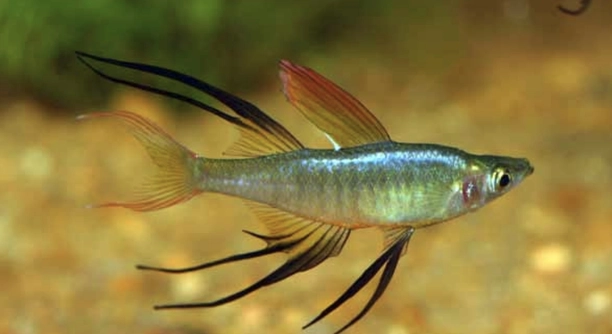
Do your Threadfin Rainbowfish sometimes appear sluggish or stressed after sudden changes in their environment? Shock can strike quickly, leaving these colorful fish vulnerable and requiring immediate attention to restore their health and vitality.
Helping a Threadfin Rainbowfish recover from shock involves stabilizing water conditions, maintaining optimal temperature and pH, providing a quiet environment, and offering gentle feeding. Monitoring behavior closely ensures early intervention and supports the fish’s recovery process efficiently.
Understanding how to respond quickly to shock will improve your fish’s well-being and enhance your confidence in maintaining a healthy aquarium environment.
Identifying Signs of Shock in Threadfin Rainbowfish
Threadfin Rainbowfish often show subtle signs when they experience shock. Common indicators include rapid gill movement, clamped fins, or sudden hiding in corners of the tank. They may also stop eating or swim erratically, which signals that something in their environment is stressing them. Changes in water quality, temperature swings, or sudden introduction of new fish can trigger this reaction. Observing these signs early is crucial for timely intervention. Paying close attention to behavior during water changes, feeding times, and after adding decorations can prevent prolonged stress. Fish that experience shock repeatedly may develop weakened immune systems, making them more susceptible to disease. By monitoring both physical signs and behavior, you can quickly address the underlying causes. Using a small quarantine tank for new fish or temporarily isolating stressed individuals also helps. Ensuring the tank remains calm, with stable water conditions, gives Threadfin Rainbowfish the best chance to recover fully and regain their normal activity levels.
Early detection allows you to act quickly and reduce long-term stress in your fish.
Providing consistent care and gentle monitoring can prevent shock episodes and keep Threadfin Rainbowfish healthy, active, and displaying vibrant colors in their environment.
Stabilizing the Aquarium Environment
Maintaining steady water conditions is essential when a Threadfin Rainbowfish is recovering from shock.
To stabilize your aquarium, start by checking the temperature and pH daily. Sudden fluctuations can worsen stress, so adjust changes gradually. Avoid strong currents and reduce lighting temporarily to create a calm environment. Remove any aggressive tankmates, as even minor harassment can trigger more shock. Regular water testing ensures ammonia, nitrite, and nitrate levels remain safe. Using a gentle filter or reducing flow helps prevent fatigue in weakened fish. Providing hiding spots, like plants or small decorations, gives fish a sense of security and reduces anxiety. Feeding should be minimal and easy to digest, allowing the fish to regain strength without overloading their system. Keep observation frequent, noting any behavioral or physical changes. If the fish shows no improvement within a few days, consider consulting a professional for additional guidance. Maintaining patience and consistency during this period is crucial for full recovery and long-term health.
By implementing these strategies, you provide a stable environment that supports recovery and prevents further stress. Gradual adjustments and careful monitoring are key to restoring balance and promoting the fish’s overall well-being. This approach ensures your Threadfin Rainbowfish can regain energy, resume normal swimming patterns, and maintain vibrant coloration. Long-term, consistent care reduces future risks of shock and strengthens resilience. Creating a calm, predictable environment not only benefits the recovering fish but also enhances the overall stability and harmony of your aquarium. Properly observing, adjusting, and maintaining these conditions ensures that Threadfin Rainbowfish thrive even after stressful episodes, giving you confidence in your ability to manage their care effectively.
Adjusting Diet and Feeding
Offering easily digestible foods helps Threadfin Rainbowfish regain strength after shock. Avoid overfeeding, as this can worsen stress and water quality. Small, frequent meals of high-quality flakes or micro pellets are best.
During recovery, nutrition should be simple and consistent. Feed small portions two to three times a day, observing how much the fish consumes. Avoid introducing new or unfamiliar foods that may cause additional stress. Soft, protein-rich foods like brine shrimp or finely chopped daphnia can support energy and healing. Remove any uneaten food promptly to prevent ammonia spikes. Proper feeding during this period ensures the fish gets enough energy without overwhelming its system. Consistency in feeding routines reinforces stability, helping the fish regain normal appetite and behavior. Monitoring how the fish responds to food is also a key part of recovery, allowing adjustments if appetite is low or stress persists.
A balanced diet during this period encourages quick recovery, strengthens immunity, and maintains vibrant coloration, giving Threadfin Rainbowfish the best chance to fully regain normal activity and energy levels. Maintaining routine feeding, while keeping water quality high, creates a supportive environment for healing.
Reducing Stressors in the Tank
Minimizing disturbances in the aquarium is essential for recovery. Keep noise, sudden movements, and aggressive tankmates to a minimum to protect stressed fish.
Stress can accumulate quickly, even from small environmental changes. Limit external activity near the tank, avoid tapping on the glass, and reduce bright or fluctuating lighting. Removing territorial or aggressive fish reduces harassment and allows the affected Threadfin Rainbowfish to rest. Rearranging decorations or plants during recovery should also be avoided, as familiar surroundings provide comfort. Keeping filtration and aeration gentle prevents fatigue while maintaining water quality. Observing the fish quietly during feeding and activity ensures any ongoing stressors are addressed immediately. This calm approach allows the fish to stabilize behavior and regain strength. Maintaining consistency in daily routines, such as feeding and light cycles, further reduces anxiety and supports overall health, ensuring recovery progresses smoothly and efficiently.
Quarantine and Isolation
Separating a stressed Threadfin Rainbowfish from other tankmates helps reduce further shock. Use a small quarantine tank with stable water conditions for recovery.
Isolation prevents bullying, reduces stress, and allows closer monitoring of health. The fish can regain energy without competition for food or space.
Using Water Conditioners
Adding water conditioners can neutralize harmful chemicals and reduce stress. Dechlorinators and stress-reducing additives help create a safer environment for the recovering fish.
Regular use of conditioners ensures ammonia, nitrite, and chlorine remain at safe levels. This reduces irritation to gills and skin, supporting overall healing. Monitor water parameters closely to maintain stability and prevent setbacks.
Gentle Observation
Observe your Threadfin Rainbowfish calmly, noting any changes in behavior or appetite.
Consistent monitoring allows you to adjust care routines promptly, supporting a smooth recovery process.
FAQ
What are the first signs that my Threadfin Rainbowfish is in shock?
Early signs include rapid gill movement, clamped fins, hiding, or erratic swimming. Loss of appetite and sudden color fading are also common. Observing behavior during feeding and tank maintenance can help catch shock before it worsens. Quick detection allows timely intervention.
How long does it take for a Threadfin Rainbowfish to recover from shock?
Recovery time varies depending on the severity of the shock and the fish’s environment. Minor stress may improve within a few days, while severe shock can take one to two weeks. Consistent care, stable water conditions, and gentle feeding accelerate recovery. Avoid sudden changes during this period.
Should I move my fish to a quarantine tank?
Yes, isolating the fish reduces stress from tankmates and allows closer monitoring. Use a small tank with stable temperature, gentle filtration, and hiding spots. This controlled environment minimizes risks and helps the fish regain strength without competition or harassment.
What water conditions are best for recovery?
Maintain a stable temperature between 24–28°C (75–82°F) and a pH of 6.5–7.5. Keep ammonia, nitrite, and nitrate levels at safe ranges. Gentle filtration and minimal water flow prevent fatigue, while partial water changes help maintain cleanliness without causing sudden stress.
How should I feed a fish recovering from shock?
Offer small, easily digestible meals two to three times daily. High-quality flakes, micro pellets, or soft protein-rich foods like brine shrimp or finely chopped daphnia work well. Remove uneaten food to prevent water contamination. Avoid introducing new foods that might stress the fish further.
Can other fish cause setbacks during recovery?
Yes, aggressive or territorial tankmates can stress a recovering Threadfin Rainbowfish. Temporarily separating the stressed fish or moving aggressive fish reduces harassment. Providing hiding spots and plant cover also gives the recovering fish a sense of security.
Are stress-reducing water conditioners necessary?
While not always required, conditioners can neutralize chlorine, chloramine, and heavy metals. Stress-reducing additives may calm the fish and support gill and skin health. Using these products along with stable water conditions creates a safer environment for recovery.
How often should I monitor the recovering fish?
Observe the fish daily for changes in behavior, appetite, and swimming patterns. Note any lingering signs of stress, such as clamped fins or erratic movement. Prompt adjustments in care can prevent setbacks and ensure a smooth recovery process.
Can shock cause long-term health issues?
Repeated or severe shock can weaken the immune system, making fish more susceptible to disease. Long-term stress may also affect growth, color vibrancy, and overall activity. Preventing shock and maintaining consistent care reduces these risks significantly.
When should I consult a professional?
If the fish shows no improvement after several days, develops visible sores, or experiences continuous erratic behavior, seek professional advice. Expert guidance can help address underlying health issues and ensure proper recovery techniques are followed.
How can I prevent future shock episodes?
Maintain stable water parameters, avoid sudden temperature changes, introduce new fish gradually, and minimize aggressive tankmates. Consistent feeding routines, gentle handling, and a calm environment reduce the likelihood of shock recurring. Proper tank setup is key to long-term health.
Is partial water change necessary during recovery?
Yes, small, frequent water changes help maintain water quality without causing stress. Avoid large, abrupt changes in temperature or chemistry. Use a water conditioner to neutralize chemicals and keep the environment stable. Consistency is more important than frequency during recovery.
How important is tank decoration for recovery?
Plants, rocks, and hiding spots provide security, reducing stress and giving the fish places to rest. Avoid frequent rearrangements during recovery. Familiar surroundings help the fish feel safe and regain normal behavior more quickly.
Can feeding live food help in recovery?
Live food like brine shrimp or daphnia encourages natural foraging and provides nutrition. However, ensure the food is clean and free from parasites. Live food is best used in small amounts to avoid water contamination while giving energy to a stressed fish.
How do I know when my fish is fully recovered?
Normal swimming patterns, restored appetite, vibrant coloration, and relaxed fins indicate recovery. The fish should interact normally with tankmates and explore the tank. Continued observation ensures the fish maintains these behaviors and prevents relapse.
This FAQ provides practical guidance to address immediate needs, stabilize the environment, and prevent future episodes of shock. Following these steps ensures Threadfin Rainbowfish regain strength safely while maintaining long-term health and activity.
Final Thoughts
Helping a Threadfin Rainbowfish recover from shock requires careful attention and consistent care. These fish are sensitive to changes in their environment, and even minor fluctuations in temperature, water quality, or tank activity can cause stress. Early detection is essential. Observing behavior closely, such as swimming patterns, gill movement, and appetite, can reveal signs of shock before it becomes severe. Acting quickly to stabilize the tank environment and isolate the fish when necessary gives it the best chance of recovery. Paying attention to both physical and behavioral cues helps prevent long-term health issues that may arise from repeated stress.
Maintaining stable water conditions is one of the most important steps in supporting recovery. Temperature, pH, and chemical levels should remain consistent, avoiding sudden shifts that could increase stress. Gentle filtration and reduced water flow help prevent fatigue while still keeping the environment clean. Providing hiding spots or plants gives the fish a sense of security and reduces anxiety. During recovery, food should be easy to digest and offered in small amounts to avoid overfeeding and water contamination. Careful observation of how the fish responds to feeding and its surroundings allows adjustments that promote healing. Stress-reducing water conditioners can be used if needed, further supporting gill and skin health.
Long-term care is equally important in preventing future shock episodes. Gradual introductions of new fish, consistent feeding routines, and minimizing aggressive tankmates help maintain a calm and stable environment. Avoiding sudden changes in lighting, tank decorations, or water chemistry reduces unnecessary stress. Monitoring the fish daily ensures that any new issues are addressed promptly. Recovery may take several days to weeks, depending on the severity of the shock, but patience and consistency are key. By providing a stable, supportive environment and observing behavioral and physical changes, Threadfin Rainbowfish can regain their vibrant colors, normal activity levels, and overall health. Consistently following these care practices ensures a safe, stress-free habitat and strengthens the resilience of your fish over time.

Hello,
If you enjoy the content that we create, please consider saying a "Thank You!" by leaving a tip.
Every little bit helps us continue crafting quality advice that supports the health, happiness, and well-being of pets around the world, for pets of all shapes, sizes, and species.
We really appreciate the kindness and support that you show us!