
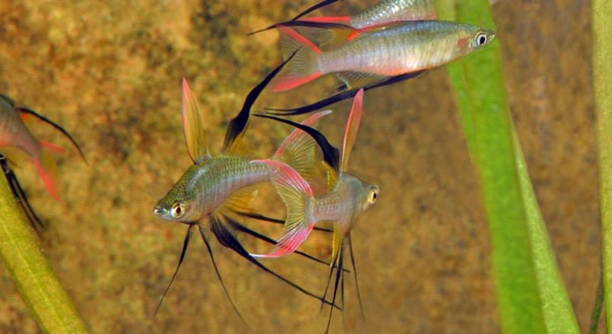
Have you ever watched your threadfins gliding across the tank and wondered how aware they are of their surroundings? These delicate fish move gracefully, yet they may sense much more than what meets the eye. Their subtle responses hint at hidden abilities.
Threadfins are capable of detecting small vibrations in the water. Their lateral line system allows them to sense changes in pressure and movement, providing crucial information about nearby objects, potential food sources, and environmental disturbances within their tank.
Understanding how threadfins perceive these vibrations can improve tank care and enrichment. Learning about their sensitivity helps create a more comfortable and responsive environment for these fish.
How Threadfins Sense Vibrations
Threadfins rely heavily on their lateral line system, a series of sensory organs running along their bodies. These organs detect minute changes in water pressure, helping them respond quickly to movement around them. Even subtle ripples from a finger tapping the glass can trigger a reaction. In the tank, this sensitivity allows threadfins to avoid potential threats, locate food, and navigate tight spaces. Observing them, I noticed how they pause or shift direction when water disturbances occur. Their reactions are not random but precise and deliberate. It’s fascinating to see how small vibrations influence their swimming patterns and interactions with other fish. Over time, you can learn to recognize which behaviors indicate curiosity and which are stress responses. Providing a calm environment with minimal sudden vibrations helps them feel secure. Their natural instincts are constantly at work, responding to signals humans might not even notice.
Threadfins’ sensitivity to vibrations is essential for their safety and comfort. It shapes their daily behavior in the tank.
Maintaining a tank that respects these sensory needs involves careful placement of decorations, gentle feeding routines, and avoiding abrupt water movements. Even routine maintenance can be adjusted to minimize unnecessary disturbances, allowing threadfins to explore naturally. Understanding how they perceive vibrations provides insight into their comfort levels and overall well-being. It’s important to create an environment that mirrors their natural habitat, where water movement is subtle and predictable. Observing these responses not only strengthens the connection between keeper and fish but also helps identify stress signals early. Over time, small adjustments in tank setup, filtration, and handling can significantly improve their quality of life, promoting calmer, healthier behavior patterns.
Practical Tips to Enhance Their Environment
Small adjustments in tank care can reduce unnecessary stress for threadfins.
Adding soft substrate, gentle filtration, and quiet tank equipment minimizes harsh vibrations that disturb them. Placing plants or decorations strategically provides shelter while allowing open swimming areas. Feeding routines can be adapted to reduce splashes or sudden water movement. Monitoring water changes and handling them slowly prevents startling the fish. These practices support their natural sensory responses while maintaining a healthy environment. Over time, these small considerations can enhance comfort, reduce stress behaviors, and allow threadfins to thrive with confidence. Observing their reactions becomes easier, giving clear feedback on whether the tank setup suits their needs. Maintaining consistent care, avoiding abrupt disturbances, and respecting their sensitivity fosters a more balanced and peaceful aquarium, benefiting both fish and keeper alike.
Signs Threadfins Respond to Vibrations
Threadfins often pause, dart, or change direction when sensing subtle water movements. These small reactions indicate their acute awareness of the environment and show how sensitive their lateral line system truly is.
Noticing these reactions in my own tank, I saw how quickly threadfins respond to minor disturbances. Even a soft tap on the glass or a ripple from moving decorations made them adjust their swimming. Some would slowly approach the source, while others would retreat slightly. Their responses were consistent, showing that vibration detection is an important part of their daily behavior. Understanding these signs helped me anticipate their reactions and maintain a calmer, more comfortable tank environment. Over time, observing these cues became a reliable way to gauge their comfort and stress levels.
Threadfins’ reactions to vibrations are subtle but consistent. They may move closer to investigate or slightly shift away, depending on the stimulus. These behaviors highlight their natural instincts and show how sensitive they are to changes in their surroundings. Paying attention to these cues allows for a more responsive care routine, helping them thrive. Watching them interact with small water disturbances makes me appreciate the precision of their sensory system.
Adjusting Tank Conditions for Sensitivity
Soft water movements and gentle equipment reduce unnecessary stress for threadfins. Their sensitivity requires careful planning of tank layout and routines.
In my experience, arranging plants, rocks, and decorations to buffer sudden currents helps threadfins feel safe. Filters and pumps should run quietly, and water changes need to be gradual to prevent startling them. Even routine cleaning can be adapted to minimize vibrations. By controlling the intensity and frequency of disturbances, their natural responses become easier to observe without inducing stress. Regular monitoring of behavior during feeding, cleaning, or interaction helps maintain a calm environment, showing clearly when adjustments are needed. Thoughtful planning of tank conditions ensures a healthier, more responsive setting for these delicate fish.
Common Sources of Vibrations
Daily activities near the tank can create small vibrations that threadfins notice. Footsteps, tapping the glass, or moving objects nearby all generate subtle water movements that affect their behavior.
Equipment like filters, air pumps, and heaters also produce consistent vibrations. These sources may seem minor but can influence how threadfins swim and explore the tank, sometimes causing them to pause or adjust their movements repeatedly.
Feeding and Vibration Sensitivity
Threadfins often react to food dropping into the water by quickly approaching the source. Their lateral line system detects the slightest ripple, helping them locate food efficiently. Feeding routines that minimize splashing support calmer behavior. Gentle placement of food allows them to feed naturally without stress or unnecessary movement in the tank.
Observing Behavior Patterns
Watching threadfins’ responses reveals their sensitivity. Subtle changes in swimming speed or direction often indicate awareness of vibrations and environmental cues, helping monitor their comfort.
FAQ
How sensitive are threadfins to vibrations in the tank?
Threadfins are very sensitive to vibrations because of their lateral line system. Even small water movements from equipment, tapping the glass, or moving decorations can trigger noticeable changes in their behavior. Over time, I noticed that they often pause, dart, or adjust their swimming patterns in response to even subtle ripples.
Can sudden vibrations stress threadfins?
Yes, sudden or repeated vibrations can stress threadfins. Stress may appear as rapid swimming, hiding, or clinging to corners. In my experience, maintaining calm movements around the tank and avoiding abrupt changes in water conditions helps reduce these stress reactions significantly.
How do I know if my threadfins are reacting to vibrations?
Observation is key. Threadfins may shift positions, stop mid-swim, or approach the source of disturbance cautiously. Watching them closely during feeding or when cleaning the tank reveals their sensitivity. I noticed that even small splashes or water drips could cause momentary pauses in movement.
Do all threadfins react the same way?
Individual differences exist. Some threadfins are more cautious, retreating quickly, while others may investigate the source of vibration. Over time, I realized that understanding each fish’s unique response helps in adjusting the tank environment to reduce stress and promote natural behavior.
Can vibrations affect feeding behavior?
Yes, vibrations can influence how threadfins eat. Sudden movements or ripples may make them hesitant to approach food or cause them to swim erratically. I found that placing food gently and minimizing splashes encourages calmer, more consistent feeding habits.
Are vibrations from tank equipment harmful?
Not usually harmful, but constant, strong vibrations can be stressful. Filters, pumps, or air stones should run quietly and steadily. Adjusting placement and flow reduces unnecessary water movement and creates a more comfortable environment. I found that small changes in equipment setup noticeably improved their behavior.
How can I reduce vibration stress in the tank?
Softening substrate, adding plants, and buffering decorations help absorb some vibrations. Gentle handling, slow water changes, and careful placement of equipment also minimize disturbances. From my experience, these steps make threadfins feel more secure, allowing them to explore and swim naturally without frequent startle responses.
Do vibrations affect social interactions among threadfins?
Yes, they can. Sudden ripples may cause temporary hiding or avoidance, affecting how fish interact. I observed that calmer water conditions promote smoother social behavior, with fish swimming together more confidently and showing natural schooling or resting patterns.
Can vibrations indicate health issues?
Persistent overreaction to minor vibrations could signal stress or illness. I learned to watch for excessive hiding, reduced feeding, or erratic swimming, as these may indicate a need to check water quality, tank conditions, or the fish’s health. Early detection helps prevent bigger problems.
Is it possible to train threadfins to ignore minor vibrations?
While they cannot be trained in a traditional sense, gradual acclimation to consistent, gentle disturbances can reduce overreaction. Over time, I noticed my threadfins became calmer around predictable water movements or routine care activities, responding only to sudden or unusual changes.
Do temperature changes count as vibrations?
Indirectly, yes. Rapid temperature shifts can cause water movement, creating subtle vibrations. I make sure to adjust water temperature slowly during changes to prevent unnecessary stress, allowing threadfins to remain comfortable and responsive without overreacting.
Are threadfins more sensitive than other fish?
Threadfins are particularly alert to water movement due to their habitat preferences and sensory system. In my experience, they react more noticeably to minor disturbances than some other species, making attention to vibrations an important part of tank management.
Can I use vibration sensitivity to enrich their tank?
Yes, controlled water movement can stimulate natural behavior. Gentle currents, food dispersion, or interactive toys allow threadfins to explore and respond to stimuli. I found that thoughtful enrichment, respecting their sensitivity, keeps them active and engaged without causing stress.
Do vibrations affect breeding behavior?
Excessive or sudden vibrations may disrupt courtship or nesting behavior. In my observations, calmer water encourages more consistent mating displays and egg-laying. Providing a stable, low-disturbance environment supports their natural reproductive instincts and overall well-being.
How often should I monitor their response to vibrations?
Daily observation is ideal. Checking behavior during feeding, cleaning, or equipment operation gives insight into how comfortable they feel. I track small changes in swimming, hiding, or curiosity levels to ensure the tank setup continues to meet their needs effectively.
Can vibrations trigger aggression?
Yes, particularly in confined spaces or when fish feel threatened. I noticed that sudden water disturbances occasionally lead to short bursts of chasing or nipping. Reducing abrupt movements and providing ample space helps minimize aggressive interactions while maintaining healthy social dynamics.
Are threadfins more sensitive at certain times of day?
Threadfins may be more reactive during feeding or high-activity periods. In my tank, they respond strongly when anticipating food or when other fish move suddenly. Understanding these patterns helps plan care routines to reduce unnecessary stress and encourage natural behavior.
Can vibrations from outside the room affect them?
Yes, strong external vibrations like heavy footsteps, construction, or nearby machinery can transmit through floors or walls. I noticed subtle changes in swimming patterns during these events, reminding me that even environmental factors beyond the tank can influence their comfort.
Do threadfins eventually ignore constant vibrations?
They can become habituated to steady, predictable disturbances, responding less over time. I observed that consistent background water movement from filters or pumps eventually elicited minimal reaction, though sudden, irregular vibrations still trigger responses. Regular monitoring ensures they remain comfortable.
Is vibration sensitivity important for their survival instincts?
Absolutely. Their ability to detect small movements helps them avoid danger, locate food, and interact with other fish safely. In observing threadfins, I realized that this sensitivity is a key part of their natural behavior, shaping how they explore and respond to their environment.
Does tank size affect vibration sensitivity?
Smaller tanks amplify vibrations, making threadfins more reactive. I noticed that larger, well-planned tanks allow ripples to disperse, reducing constant startle responses and enabling calmer exploration. Thoughtful tank design directly impacts how they experience and respond to vibrations.
Can vibration detection vary by age or size?
Yes, younger or smaller threadfins may be more cautious, while adults often show more controlled responses. I observed that as fish grow, their reactions become more measured, likely due to experience and increased familiarity with their environment.
Are threadfins more sensitive than other schooling fish?
Their lateral line system is highly developed, making them particularly attuned to subtle water movements. Compared with some schooling species, threadfins display quicker, more noticeable adjustments, highlighting the importance of gentle tank care and minimal unnecessary disturbances.
Do vibrations influence resting or sleeping behavior?
Yes, sudden ripples can interrupt resting periods, causing fish to move or hide. I learned to maintain quiet, stable conditions during low-activity hours to support natural resting cycles and reduce stress-related behavior during downtime.
Can vibrations impact water chemistry indirectly?
Strong or repeated water disturbances can affect sediment or substrate, temporarily altering water clarity or minor chemical balance. I noticed that careful handling and gentle cleaning prevent these fluctuations, maintaining a stable, healthy environment for threadfins.
Are some threadfins naturally bolder than others regarding vibrations?
Yes, individual temperament plays a role. Some explore and investigate disturbances, while others prefer retreating or avoiding. I found that recognizing these differences helps tailor care routines, offering secure areas for shy fish and gentle interaction for more confident ones.
How do I balance enrichment with vibration sensitivity?
Controlled water currents, gentle feeding methods, and interactive objects provide stimulation without causing stress. In my experience, observing reactions closely ensures enrichment activities remain beneficial, keeping threadfins active and comfortable while respecting their sensitivity.
Can vibrations affect water temperature perception?
Indirectly, yes. Rapid movement can mix water layers, creating minor temperature shifts. I learned to minimize sudden disturbances during heating or cooling, ensuring threadfins experience consistent conditions and reducing stress from unexpected changes.
Is vibration sensitivity consistent across species of threadfins?
While most threadfins share a sensitive lateral line system, slight differences exist between species. I noticed that some species react more noticeably to minor water movements, highlighting the need to adjust care practices depending on the specific type kept in a tank.
Do vibrations impact territorial behavior?
Yes, especially in smaller tanks or among males. Sudden ripples may provoke short bursts of chasing or defensive behavior. I found that providing ample space and buffer zones reduces conflict, allowing natural territorial instincts without constant stress or confrontation.
How can I test their sensitivity safely?
Gentle, controlled disturbances, like lightly tapping the water surface or moving a small object nearby, reveal their reactions without causing stress. I used this method carefully to observe behavior, helping fine-tune tank setup and routines to suit their needs effectively.
Can vibrations affect breeding timing?
Yes, unpredictable disturbances can delay courtship or egg-laying. I noticed that maintaining calm, consistent conditions encouraged more regular reproductive behavior, helping threadfins breed naturally without interruptions caused by sudden water movements.
Do vibrations affect interaction with other tank species?
Yes, vibrations can influence schooling, chasing, or avoidance behaviors. In my mixed-species tank, I saw that calm water conditions allowed smoother interaction, while sudden ripples caused temporary scattering or hesitation among all fish, highlighting the importance of stable conditions for peaceful coexistence.
Are threadfins more sensitive in smaller tanks?
Yes, confined spaces amplify ripples and water movements. I observed that they react more frequently to minor disturbances in smaller tanks, emphasizing the need for careful placement of equipment and gentle handling to reduce stress in limited environments.
Can vibrations be used to enrich their hunting instincts?
Yes, controlled water movements mimic natural prey activity. I noticed that gentle, irregular ripples during feeding encouraged natural hunting behaviors, keeping threadfins active and engaged without causing anxiety or excessive stress.
Do threadfins communicate through vibrations?
Indirectly, yes. Movement patterns and ripple responses may signal location, dominance, or interest in food. Observing subtle interactions in my tank showed that vibrations help threadfins coordinate behavior and respond to each other’s presence effectively.
How do I know if equipment vibrations are too strong?
If threadfins consistently hide, dart, or show stress behaviors near equipment, vibrations may be excessive. I adjusted filter flow, pump placement, and air stone intensity, noting immediate improvement in calmness and normal swimming behavior.
Can vibrations affect long-term health?
Chronic stress from excessive disturbances may reduce immunity and increase susceptibility to illness. I learned that minimizing unnecessary vibrations supports long-term health, encouraging stable feeding, resting, and social behaviors essential for their well-being.
Are threadfins more sensitive to vibrations than nocturnal disturbances?
Yes, sudden movements during active periods trigger stronger responses than minor nighttime disturbances. I found that maintaining calm conditions during daytime care is crucial, while consistent low-level activity at night is less disruptive.
Do threadfins respond differently to vertical versus horizontal vibrations?
Yes, the direction of water movement can elicit varied reactions. Vertical ripples may trigger upward or downward adjustments, while horizontal ripples influence lateral movement. I observed these directional responses, which helped me better predict and manage their behavior in the tank.
Can vibrations interfere with sleep cycles?
Yes, repeated disturbances can interrupt resting periods. I ensure minimal movement during low-activity times to allow threadfins to rest naturally, supporting their overall health and reducing stress-related behaviors that can arise from interrupted sleep.
How do I monitor reactions without causing stress?
Observation from a distance, slow movements, and minimal handling allow assessment of responses safely. I track swimming, hiding, and feeding behaviors, noting subtle reactions to water movement, which informs adjustments to tank setup and daily routines.
Are threadfins’ vibration responses innate or learned?
Mostly innate, as their lateral line system is biologically tuned to detect water movement. However, they can become accustomed to predictable, gentle disturbances over time. I noticed that routine, consistent care reduces overreaction while still allowing natural instinctive responses.
Can vibration sensitivity change with age?
Yes, younger fish may startle more easily, while adults often show measured responses. Observing changes as threadfins mature helps tailor tank conditions and care practices to support comfort and natural behavior at each life stage.
Do vibrations affect their swimming patterns?
Absolutely. Threadfins adjust speed, direction, and proximity to objects based on water movement. I noticed that even minor ripples influence their exploration, feeding, and social interactions, making sensitivity to vibrations a key factor in their overall behavior.
Can vibrations influence group cohesion?
Yes, sudden disturbances may cause scattering, while calm conditions allow coordinated swimming. I observed that maintaining steady water movement helps threadfins stay together, promoting natural schooling patterns and reducing stress-related separation.
Are vibrations more noticeable in shallow tanks?
Yes, ripples propagate more strongly in shallow water, making fish more reactive. I found that deeper tanks or buffered areas help disperse vibrations, creating calmer zones where threadfins can swim and interact comfortably without constant disruption.
Do threadfins ever ignore vibrations completely?
They may habituate to consistent, gentle disturbances but rarely ignore sudden, irregular ones. I observed that predictable, low-level vibrations become background stimuli, while unexpected ripples still trigger instinctive responses, highlighting the balance between comfort and natural alertness.
Can vibrations affect oxygen distribution?
Indirectly, yes. Strong water movement can alter surface agitation and circulation, which may slightly impact oxygen levels. I ensure gentle, consistent currents to maintain optimal oxygen without overstimulating threadfins or creating excessive stress from constant ripples.
Are threadfins’ reactions to vibrations instantaneous?
Yes, their responses are typically immediate. Even subtle pressure changes can cause a pause, turn, or dart. I noticed that their lateral line system allows rapid detection and reaction, demonstrating how crucial vibration sensitivity is for daily behavior and safety.
Can I use vibrations to gauge their health?
Observation of their responses provides insight into stress, comfort, and overall health. I track reaction strength, hesitation, and curiosity, using these cues alongside feeding and activity levels to ensure they remain healthy and well-adjusted in the tank.
Do vibrations affect breeding pairs differently than single fish?
Yes, breeding pairs may show heightened sensitivity, as disturbances can disrupt courtship or nesting behavior. I maintained calmer conditions and consistent routines to support successful mating and egg-laying without interruptions from sudden water movement.
Are threadfins more responsive to vibrations during feeding?
Yes, their attention and movement are heightened during feeding. I observed that even minor ripples influence how quickly they approach food or compete for it. Gentle placement of feed reduces stress and encourages natural foraging behavior, keeping them active and engaged.
Do environmental vibrations affect their color or display?
Indirectly, stress from repeated disturbances can dull coloration temporarily. I noticed that calmer, stable tanks helped threadfins maintain brighter hues, while frequent vibrations sometimes led to subtle fading during high-stress periods.
Can vibrations cause long-term behavioral changes?
Chronic exposure to strong or frequent vibrations may lead to skittishness, reduced exploration, or feeding hesitation. I mitigated these risks by creating a calm environment and monitoring reactions, which helped maintain natural behavior patterns over time.
Do threadfins use vibrations to avoid collisions?
Yes, they detect nearby objects or other fish using pressure changes, adjusting movement to prevent contact. Observing my tank, I saw precise adjustments that minimize collisions, showing the practical importance of vibration sensitivity for safe navigation.
How often should I check for vibration-related stress?
Daily observation during feeding, cleaning, or interaction is best. Tracking behavior changes over time allows prompt adjustments to tank setup or routines, ensuring threadfins remain comfortable and stress-free in their environment.
Can vibrations help with enrichment games?
Yes, gentle ripples or moving objects can stimulate curiosity and exploration. I used controlled water movements to encourage natural hunting or investigating behavior, keeping threadfins active while respecting their sensitivity to avoid stress.
Are vibrations more noticeable with certain substrates?
Yes, hard or reflective substrates amplify ripples, while soft or planted substrates absorb them. I found that adding sand or soft gravel reduces excessive startle responses, creating a calmer environment for threadfins to explore naturally.
Do vibrations affect sleeping patterns differently for adults and juveniles?
Juveniles are often more easily disturbed and wake quickly, while adults tolerate low-level vibrations better. I observed that providing quiet areas and minimizing sudden water movements helps both age groups rest properly, supporting health and reducing stress.
Can vibrations influence schooling behavior long-term?
Yes, persistent disturbances can fragment groups or reduce coordinated movement. I maintained calm, consistent water conditions to promote stable schooling behavior, encouraging natural interaction and reducing stress-induced separation in the tank.
Are threadfins’ responses to vibrations reversible?
Yes, with gradual acclimation and reduced disturbances, they can regain calmer, natural behavior. I noticed that careful adjustments in tank setup and handling gradually helped overreactive fish respond more appropriately without losing their instinctive alertness.
Do vibrations play a role in predator avoidance?
Yes, detecting subtle water movement allows threadfins to evade potential threats. Observing them in my tank, I saw how even minor ripples prompted careful adjustment of swimming paths, demonstrating the importance of vibration sensitivity for survival instincts.
Can vibrations affect energy levels?
Excessive or frequent disturbances may increase stress and energy expenditure. I noticed calmer conditions allowed threadfins to conserve energy, swim efficiently, and maintain healthy activity patterns without unnecessary startle responses.
Are threadfins more sensitive during certain seasons?
Seasonal changes in light, temperature, or tank activity can heighten reactivity to vibrations. I observed that adjustments to care routines during these periods helped maintain comfort and minimized stress responses related to subtle water movement.
Do vibrations affect curiosity in threadfins?
Yes, minor ripples can either pique interest or cause hesitation. I noticed that predictable, gentle disturbances encouraged exploration, while abrupt, strong vibrations often led to temporary withdrawal, highlighting the balance needed for safe enrichment and stimulation.
Can vibrations influence social hierarchy?
Yes, sudden movements may temporarily alter interactions, with dominant fish asserting control and others yielding. I maintained calm water conditions to support stable hierarchies, allowing natural behavior without frequent disruptions caused by strong or unpredictable ripples.
Are threadfins’ vibration responses consistent across tanks?
Responses vary based on tank size, setup, and equipment. I observed that similar fish in different tanks reacted differently to the same disturbance, emphasizing the importance of adjusting conditions to each specific environment for optimal comfort and behavior.
Can vibrations affect feeding efficiency?
Yes, strong or unexpected water movements may cause hesitation or competition at food sources. I found that minimizing disturbances during feeding ensured threadfins ate efficiently, maintained healthy growth, and avoided unnecessary stress during mealtime.
Do vibrations interact with lighting effects?
Indirectly, yes. Reflections
Final Thoughts
Threadfins are fascinating fish because they are highly sensitive to vibrations in their environment. Their lateral line system allows them to detect even the smallest water movements, helping them respond to changes quickly. This sensitivity affects their daily behavior, including swimming, feeding, and interacting with other fish. From my experience, observing threadfins closely shows just how important subtle water cues are. Even minor disturbances, like tapping on the glass or moving decorations, can make them pause, dart, or shift direction. Understanding this aspect of their behavior helps create a tank environment that supports their natural instincts while reducing stress. By paying attention to how they react to vibrations, you can adjust tank conditions to make them feel safer and more comfortable.
Providing a calm and stable environment is crucial for threadfins’ well-being. Gentle filtration, quiet pumps, and careful placement of decorations reduce unnecessary vibrations. I found that adding plants or soft substrate helps absorb small ripples, giving the fish areas to explore or hide when they feel uncertain. Feeding routines can also be adjusted to minimize splashing, ensuring that threadfins can eat without being startled by sudden water movement. Over time, small adjustments in tank setup and handling can make a big difference. Threadfins become calmer, more confident, and more likely to display natural behaviors. Observing their reactions also becomes easier, as you can distinguish between normal curiosity and stress. Supporting their sensory needs is not just about comfort; it directly affects their health, energy levels, and overall happiness in the tank.
Awareness of threadfins’ vibration sensitivity helps improve care in both practical and meaningful ways. Maintaining a consistent environment and minimizing sudden disturbances allows them to explore, feed, and interact naturally. In my experience, watching their reactions closely offers insight into their comfort and stress levels, which helps in making small but important adjustments to the tank. Over time, understanding how vibrations influence behavior creates a more harmonious setting for threadfins, where they can thrive and feel secure. Care routines that respect their sensitivity contribute to healthier, more active fish. The more attention you give to these details, the better you can provide an environment that balances safety, enrichment, and natural behavior. Ultimately, small considerations in how vibrations are managed can make a significant impact on the overall quality of life for threadfins in a home aquarium, ensuring they remain lively, responsive, and comfortable.

Hello,
If you enjoy the content that we create, please consider saying a "Thank You!" by leaving a tip.
Every little bit helps us continue crafting quality advice that supports the health, happiness, and well-being of pets around the world, for pets of all shapes, sizes, and species.
We really appreciate the kindness and support that you show us!