
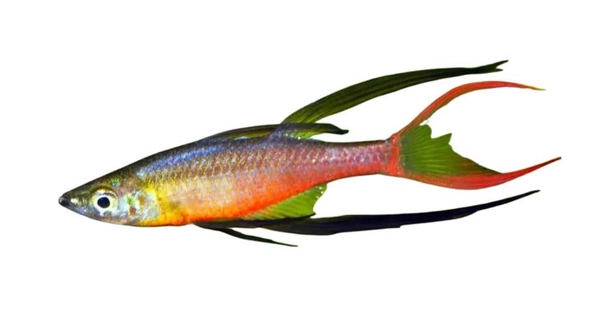
Have you ever noticed your threadfin looking dull or faded despite regular care? Maintaining vibrant coloration can be tricky, even when feeding routines and tank conditions seem correct. Small water changes can make a noticeable difference.
Slight adjustments in water parameters, including temperature, pH, hardness, and mineral balance, can significantly influence threadfin coloration. Consistent monitoring and gradual modifications help enhance pigment expression while minimizing stress and supporting overall fish health in freshwater aquariums.
Even minor shifts can have a lasting impact on your threadfin’s appearance. Understanding these factors ensures a more vibrant and healthy aquatic environment for your fish.
Temperature Adjustments
Threadfins are sensitive to water temperature, and even small shifts can influence their coloration. Maintaining a stable temperature within the recommended range of 75–82°F helps preserve bright pigments. Sudden fluctuations can cause stress, which often results in faded or dull colors. Using a reliable heater and thermometer ensures consistency. Seasonal changes in room temperature can also impact tank conditions, so monitoring daily is important. Slight increases in temperature may intensify red and orange hues, while cooler water can make colors appear muted. Temperature changes should always be gradual to prevent shock, which could harm the fish’s immune system. Observing how your threadfin reacts over a week or two can guide you in finding the optimal temperature. Even small adjustments, such as raising the water by 1–2°F over several days, can create a noticeable difference without stressing the fish. Regular maintenance and careful observation make these changes effective and safe for long-term health.
Stable temperature encourages healthy metabolism and consistent coloration in threadfins, reducing the risk of stress-related fading or illness in the tank environment.
Monitoring temperature changes over time also allows you to detect patterns that affect color intensity. Adjusting slowly while observing your fish’s behavior ensures minimal disruption and maximizes visual vibrancy. Keeping a log of water readings and color changes can help you refine your approach. In addition, pairing temperature adjustments with proper diet and water quality further enhances pigment expression. Over time, these small, consistent tweaks support a naturally brighter, more vibrant threadfin, making daily observation rewarding and informative.
pH Level Tweaks
Maintaining the correct pH is critical for threadfin health and color retention. Slight shifts can enhance pigmentation and support general well-being.
Threadfins thrive in slightly acidic to neutral water, around pH 6.5–7.5. Sudden changes in pH can stress the fish, causing colors to fade. Testing water regularly with a reliable kit allows for gradual adjustments. Adding pH stabilizers or using natural methods, like driftwood or peat, can help maintain a steady level. Even minor modifications over several days can boost the vibrancy of red, orange, and yellow hues. Monitoring pH in combination with water hardness ensures the fish remain comfortable, active, and visually healthy. Consistency is key, as frequent swings are more harmful than a slightly off pH. When changes are made slowly, you’ll notice improved coloration without compromising health, creating a more visually appealing tank and a stable environment for your threadfin to thrive in.
Hardness Adjustments
Water hardness directly affects mineral availability, which can influence threadfin coloration. Slightly softer water often enhances reds and yellows, while very hard water may dull pigments. Monitoring both general hardness (GH) and carbonate hardness (KH) ensures a balanced environment without sudden changes.
Gradual adjustments in hardness can be done using mineral supplements or partial water changes with appropriately softened or conditioned water. Sudden shifts may stress fish, affecting not only color but overall health. Keeping GH within 4–8 dGH and KH around 3–5 dKH creates a stable mineral balance, supporting vibrant pigment expression. Observing the fish after each adjustment helps determine optimal levels, and combining hardness management with stable pH reinforces consistent coloration. This approach allows for small changes that enhance the natural beauty of your threadfin without compromising its well-being.
Hardness also interacts with other water parameters, like pH and temperature, so it’s important to consider the full chemical profile when making adjustments. Consistent monitoring and gradual corrections allow threadfins to acclimate naturally, enhancing their coloration over time. Using high-quality water sources or adding mineral supplements selectively prevents deficiencies or excesses that can dull their appearance. By tracking changes and results carefully, you can fine-tune hardness levels for the most visually appealing outcome while keeping your fish healthy and active.
Mineral Additions
Certain minerals, like calcium and magnesium, support vibrant pigment expression in threadfins. Small, consistent additions improve color without shocking the fish. Avoid large doses that could alter water chemistry too quickly.
Using high-purity mineral supplements or remineralized water ensures trace elements are provided safely. Even minor deficiencies can reduce vibrancy, so careful monitoring is essential. Introducing minerals slowly over several days helps fish adjust, maintaining normal behavior and health. Observing for subtle improvements in red and orange tones confirms effectiveness. Minerals work best when combined with proper diet and stable water conditions, creating a holistic approach to color enhancement. Regular testing prevents overcorrection, keeping water chemistry balanced while promoting bright, consistent coloration.
Mineral management should be paired with routine tank maintenance, including partial water changes and substrate care. Over time, a well-mineralized tank supports natural pigment development and improves resilience to stressors. Using a log to track mineral additions alongside visual changes in coloration helps identify which elements have the most impact. Balancing mineral levels also aids in maintaining skeletal and overall health, making threadfins more robust and visually striking. Gradual, consistent supplementation is key, ensuring safe, long-term benefits without compromising water stability.
Lighting Adjustments
Proper lighting can enhance threadfin coloration without causing stress. Adjusting the intensity and duration subtly influences pigment visibility. Too bright or too dim light can make colors appear washed out or muted.
Using a timer ensures consistent light cycles, ideally 8–10 hours daily. Full-spectrum lighting mimics natural sunlight, bringing out reds and yellows. Avoid sudden changes, as abrupt shifts can stress the fish. Gradual adjustments help the threadfin acclimate while enhancing visual appeal. Observing the fish under different lighting conditions shows which settings best highlight its natural coloration. Consistency in lighting supports long-term vibrancy.
Diet Modifications
Adding natural color enhancers, such as carotenoid-rich foods, strengthens pigment expression in threadfins. Feeding a variety of high-quality flakes, pellets, and frozen options ensures balanced nutrition. Regularly incorporating foods like shrimp, krill, and spirulina encourages reds, oranges, and yellows to appear more vivid. Avoid overfeeding, which can affect water quality and reduce color intensity. Monitoring the fish’s response allows you to see gradual improvements in brightness, while consistent feeding supports overall health. Pairing dietary adjustments with proper water parameters creates the best conditions for natural, sustainable color enhancement in your threadfin.
Water Flow Adjustments
Moderate water flow keeps oxygen levels stable and encourages healthy activity. Adjusting the current slightly can improve overall fish health and appearance.
What is the easiest water adjustment to improve threadfin color?
The easiest adjustment is usually temperature. A small, gradual increase of 1–2°F can make reds and oranges more vibrant without stressing the fish. Using a reliable heater and thermometer ensures the water stays stable. Sudden changes can cause stress, so gradual adjustments are always safer. Observing the fish for a week after minor changes helps confirm the right temperature range. Even a subtle difference can make colors appear richer, especially when paired with proper diet and clean water. Temperature control is simple but effective, making it a common first step for improving coloration in a home aquarium.
How often should I test my water for color-related adjustments?
Testing once or twice a week is generally enough. Regular monitoring of pH, hardness, and temperature helps catch small fluctuations before they affect color. Using a digital or high-quality test kit ensures accuracy. Keeping a log of readings alongside observed color changes allows you to identify patterns. For example, a slight drop in pH over a few days might dull pigments, while maintaining stable levels enhances vibrancy. Weekly testing is sufficient if water parameters are stable, but more frequent checks may be necessary after adding minerals or changing water chemistry. Consistent monitoring creates a safer, more colorful environment.
Can diet alone improve threadfin color?
Diet plays a major role, but it works best with stable water parameters. Feeding carotenoid-rich foods like shrimp, krill, and spirulina can intensify reds, oranges, and yellows. Supplements can also be used if needed, but moderation is key. Overfeeding can reduce water quality, which may counteract color improvements. Offering a mix of high-quality flakes, pellets, and frozen foods ensures balanced nutrition. Changes in color usually appear gradually over several weeks. Tracking which foods produce the most noticeable effect helps refine the diet. Proper nutrition combined with temperature, pH, and hardness adjustments produces the best long-term results for vibrant threadfin coloration.
Will sudden water changes harm my threadfin’s color?
Yes, sudden changes can stress fish and dull colors. Rapid shifts in temperature, pH, or hardness are more harmful than slightly off parameters. Gradual modifications over several days or weeks allow the fish to acclimate and maintain pigmentation. Partial water changes are safer than full swaps, as they prevent abrupt chemical fluctuations. Monitoring behavior and coloration after each adjustment helps ensure the changes are beneficial. Slow, consistent care protects both health and visual vibrancy. Even small daily adjustments can yield better results than drastic alterations, keeping your threadfin active, healthy, and brightly colored.
How does lighting affect threadfin color?
Lighting highlights natural pigments without changing them directly. Full-spectrum lights mimic sunlight, making reds, oranges, and yellows more visible. Consistent light cycles, around 8–10 hours daily, prevent stress and encourage normal behavior. Too bright or too dim lighting can wash out colors or make them look muted. Gradual adjustments to intensity help the fish acclimate. Observing the tank at different times shows how lighting affects appearance. Pairing proper lighting with diet and water quality ensures that the fish’s colors are both healthy and vibrant. Consistency is key to avoiding stress-related fading.
Do minerals really make a difference in coloration?
Yes, minerals like calcium and magnesium support pigment development. Trace elements contribute to overall health, which indirectly improves color. Gradual supplementation prevents overcorrection, which could harm water chemistry. Using high-quality sources and tracking additions ensures balance. Minerals are most effective when combined with proper diet, temperature, and hardness adjustments. Consistent, minor additions over time enhance reds, oranges, and yellows. Careful observation helps identify which elements impact color most noticeably. Maintaining balanced mineral levels keeps fish healthy and visually vibrant, making this an important aspect of long-term care.
Can water flow influence threadfin color?
Indirectly, yes. Moderate water flow ensures oxygenation and reduces stress, both of which support vibrant pigmentation. Too strong or weak currents can affect activity levels and overall health. Adjusting flow gradually creates a comfortable environment where colors appear naturally brighter. Observing fish behavior under different currents shows the optimal balance. Stable flow combined with proper temperature, pH, hardness, and diet enhances natural coloration. Consistency prevents stress-related fading and promotes long-term vibrancy. Minor tweaks in flow are easy to implement and can improve both appearance and overall well-being of threadfins in the tank.
How long does it take to see color changes after adjustments?
Color changes appear gradually, usually over several weeks. Temperature and diet adjustments often show visible differences in 2–4 weeks. Mineral and hardness modifications may take longer, as fish need time to acclimate. Consistent observation and logging results help track progress. Gradual changes are safer and more effective than abrupt shifts. Minor adjustments over time allow pigmentation to improve naturally without stressing the fish. Patience is important, as sudden changes rarely produce lasting results. Maintaining all factors—diet, water parameters, lighting, and flow—together ensures steady, noticeable improvements in threadfin coloration.
What combination of adjustments works best for vibrant color?
A combination of stable temperature, balanced pH and hardness, proper minerals, high-quality diet, and consistent lighting produces the most vibrant colors. Gradual modifications in all areas allow threadfins to acclimate safely. Observing the fish and recording changes helps fine-tune each parameter. No single factor works in isolation; color enhancement is a result of multiple, consistent adjustments. Diet provides pigments, water stability supports health, and lighting highlights the colors naturally. Flow and oxygenation further reinforce vitality, ensuring that improvements are both visible and sustainable. This holistic approach produces long-term vibrancy without compromising fish welfare.
Threadfins are beautiful fish, and their coloration can make a big difference in how they look in your tank. Small adjustments in water parameters, diet, and lighting can have a noticeable effect on their colors over time. It is important to remember that these changes work best when done gradually and consistently. Sudden shifts in temperature, pH, hardness, or flow can stress the fish and may even cause their colors to fade temporarily. Observing the fish carefully while making adjustments is a practical way to understand what works best for your specific tank environment. Even minor tweaks, like raising the temperature by a degree or adding a small amount of minerals, can enhance the reds, oranges, and yellows naturally present in threadfins.
Keeping a regular schedule of testing water parameters and tracking results helps maintain stability. Testing pH, hardness, and temperature at least once a week ensures that no unexpected changes occur that could affect color. Adjustments should always be made slowly, giving the fish time to acclimate. Feeding high-quality, nutrient-rich foods that support pigment expression also plays an important role. Carotenoid-rich foods, such as shrimp, krill, and spirulina, can make colors more vivid over time. Combining proper diet with consistent water care and stable lighting produces the best results. Lighting should be bright enough to highlight the colors without stressing the fish, and timers can help maintain a predictable light schedule.
Patience is key when working to enhance threadfin coloration. Colors often improve gradually over several weeks rather than appearing immediately. A consistent routine that balances diet, water quality, minerals, temperature, flow, and lighting creates a healthy environment in which the fish can thrive. Logging observations about color changes and tank conditions can provide useful guidance for future adjustments. While results take time, the long-term benefit is a vibrant, healthy threadfin that is less prone to stress and illness. Focusing on small, careful adjustments rather than drastic changes ensures the fish remain comfortable while achieving their best natural colors. Over time, this approach makes the tank more visually appealing and helps maintain overall fish health.

Hello,
If you enjoy the content that we create, please consider saying a "Thank You!" by leaving a tip.
Every little bit helps us continue crafting quality advice that supports the health, happiness, and well-being of pets around the world, for pets of all shapes, sizes, and species.
We really appreciate the kindness and support that you show us!