
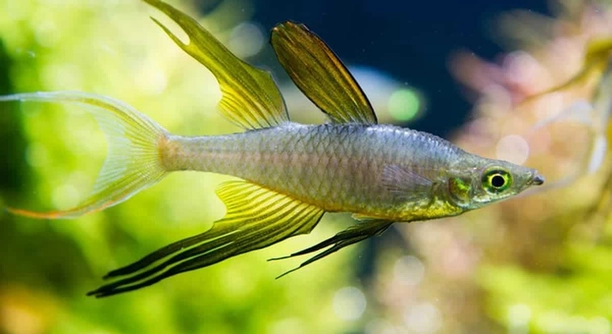
Have you ever rearranged the decorations in your aquarium and wondered if your threadfin rainbowfish notice the difference in their surroundings? These delicate fish often respond to even the smallest changes, making aquascaping an interesting factor in their behavior.
Threadfin rainbowfish do respond to rearranged aquascaping because environmental adjustments directly influence their sense of security, swimming patterns, and social interactions. The placement of plants, rocks, and hiding spaces affects how these fish explore, feed, and establish territories within the aquarium.
Understanding these subtle responses helps you create a stable environment where your threadfins can flourish while also keeping your aquarium visually balanced and healthy.
How Aquascaping Affects Threadfin Behavior
Rearranging aquascaping can change how threadfin rainbowfish behave. These small, peaceful fish are highly sensitive to their surroundings. When plants, rocks, or driftwood are moved, the new layout can disrupt established swimming routes or territories. Threadfins often respond with cautious movements at first, exploring new hiding places and adjusting to the altered environment. While some may appear slightly stressed during these changes, others quickly begin using the new spaces for shelter and play. The balance between open swimming areas and secure hiding spots is especially important, as it directly impacts their comfort and activity level in the tank.
Smaller adjustments, like moving a single rock or trimming plants, may only cause brief hesitation. Larger rearrangements, however, can lead to more noticeable changes in how they interact and position themselves in the aquarium.
For threadfins, aquascaping influences not only their physical space but also how they establish a sense of stability and calmness.
The Importance of Stability in Aquascaping
Threadfins thrive in environments that feel consistent and safe. While they can adapt to changes, frequent rearranging of aquascaping may increase stress and reduce their natural activity in the tank.
Providing a balanced setup with a mix of dense planting, open swimming areas, and shaded resting spots creates a comfortable habitat for threadfins. Tall plants or moss-covered wood offer shelter, while open stretches of water give them room to display their graceful movements. When aquascaping is designed with stability in mind, threadfins develop predictable swimming routes, show more vibrant coloration, and engage in natural schooling behavior. Sudden, repeated changes can interrupt these patterns, leaving them hesitant to explore or eat. Careful planning ensures that when you do rearrange, it benefits both the appearance of the aquarium and the well-being of the fish. A stable design ultimately supports healthier, more confident threadfins that flourish in your care.
Signs of Stress in Threadfins
Threadfins often show stress through rapid swimming, fading colors, or hiding more than usual. These signs appear when their surroundings feel unsafe or unfamiliar, which commonly happens after major aquascaping changes in the aquarium environment.
Color changes are one of the first things you may notice. Threadfins that normally show shimmering hues may appear dull or washed out when unsettled. They might also spend more time near the bottom of the tank or avoid open swimming areas. Reduced appetite is another subtle sign. Recognizing these changes early allows you to adjust aquascaping choices or provide more stable conditions.
Stress can also cause threadfins to become less social. These fish usually thrive in groups, moving gracefully together. When stressed, they might isolate themselves or swim erratically away from others. Watching for these behaviors helps ensure you catch problems early and restore balance to their environment.
How to Rearrange Aquascaping Safely
When rearranging aquascaping, making gradual adjustments can help threadfins adapt more smoothly. Moving one section at a time and keeping familiar plants or decorations in place reduces the risk of overwhelming the fish with too many sudden changes.
It also helps to leave some of their favorite hiding areas untouched. Familiar objects act as anchors, giving them a sense of security while they explore new areas. After making changes, watch their behavior closely for signs of stress, and adjust the setup if needed. A calm, stable environment encourages threadfins to remain active and confident.
Taking time to plan your aquascaping can make a big difference. Think about their need for both open swimming space and safe cover. Balancing these elements while minimizing major disruptions will keep your tank beautiful and your threadfins at ease. A thoughtful approach ensures long-term stability and healthier, happier fish.
Creating a Balanced Environment
A balanced environment gives threadfins comfort and stability. Using a mix of tall plants, open areas, and shaded spaces allows them to swim freely while still feeling secure within their surroundings, reducing the chances of stress-related behavior.
Lighting also plays an important role. Bright lights should be softened with floating plants or tall greenery. This prevents overstimulation and creates natural shaded zones. A well-balanced layout encourages threadfins to display their natural colors, explore calmly, and interact with each other in a healthy, active manner.
Observing Threadfin Reactions
Observing how threadfins respond after rearranging is essential. Watch their swimming patterns, appetite, and social interactions over several days. Positive signs include vibrant colors, steady swimming routes, and active schooling. Negative signs, like hiding or dull coloration, may suggest further adjustments are needed.
Long-Term Benefits of Careful Aquascaping
Careful aquascaping provides long-term stability for threadfins. Once they adapt to a safe and consistent environment, they display stronger colors, more active schooling, and healthier feeding habits. These positive outcomes make the aquarium both visually appealing and supportive of their natural well-being.
FAQ
Do threadfin rainbowfish get stressed when aquascaping is changed?
Yes, threadfins can become stressed when their environment changes suddenly. They rely on consistent surroundings to feel secure, so a major rearrangement may cause them to hide, lose color, or swim erratically. Stress usually decreases once they adjust, but minimizing drastic changes helps reduce negative effects.
How long does it take for threadfins to adjust after aquascaping?
Adjustment time can vary depending on the scale of changes. Small rearrangements often take just a few hours for them to adapt, while larger changes may require several days. During this time, threadfins may appear shy or hesitant, but stable conditions usually encourage quicker recovery.
Should I move everything in the tank at once?
It is best not to move everything at once. Rearranging in smaller stages allows threadfins to adapt without feeling overwhelmed. Keeping some familiar plants or decorations in their original positions gives them a sense of stability while they explore the newly arranged areas.
What signs show my threadfins are comfortable after changes?
Comfortable threadfins will swim calmly in open areas, explore new spaces, and interact with each other in groups. Bright, consistent coloration is another good sign. If they resume eating normally and stop hiding, it shows they are adapting well to the rearranged aquascaping.
Can rearranging aquascaping improve their health?
Yes, thoughtful rearranging can improve health. Adding more plants or hiding places reduces stress and provides better shelter. Creating open swimming space encourages natural movement. When aquascaping balances cover with freedom, threadfins benefit both physically and behaviorally, supporting stronger colors, activity, and overall vitality.
Is frequent aquascaping harmful?
Frequent, large changes can be harmful. Constant disruption prevents threadfins from developing consistent swimming patterns or feeling secure. While occasional adjustments are fine, too many changes can increase stress, lower activity, and cause them to spend more time hiding instead of exploring.
What is the best way to reduce stress after rearranging?
The best way is to keep lighting soft, provide stable water conditions, and leave familiar hiding places intact. Feeding them shortly after changes can also reassure them. Giving the fish quiet time to adjust without additional disturbances helps reduce their stress more quickly.
Do threadfins respond differently to plant trimming compared to rock moving?
Yes, plant trimming often causes only minor hesitation, since the overall layout remains familiar. Moving rocks or large decorations creates more noticeable disruption, as these items define territory and hiding spaces. Threadfins usually react more strongly to changes involving rocks or driftwood compared to plant trimming.
How does aquascaping affect threadfin social behavior?
Aquascaping directly shapes social behavior. Open swimming areas encourage schooling, while dense planting provides hiding spots for shy individuals. If the layout lacks balance, threadfins may become more isolated. A well-arranged tank promotes both group interaction and individual comfort at the same time.
Can rearranging aquascaping encourage breeding?
Yes, rearranging can sometimes encourage breeding if it creates safe and shaded areas. Threadfins often spawn among fine-leaved plants or moss. By adjusting aquascaping to include more cover and resting areas, you increase the chances of breeding and protecting eggs from other fish.
Do threadfins need hiding spots even if the tank is peaceful?
Yes, hiding spots are always important. Even in peaceful community tanks, threadfins rely on cover to feel secure. Hiding areas reduce stress, give them places to rest, and allow them to retreat when they feel uncertain, especially during aquascaping changes or maintenance.
What should I avoid when rearranging?
Avoid removing all decorations at once or leaving the tank bare. Sudden emptiness makes threadfins feel exposed and vulnerable. Also, avoid rearranging too often, as constant changes create ongoing stress. Planning layouts carefully helps reduce the need for frequent adjustments later.
Do lighting changes during aquascaping matter?
Yes, lighting changes can affect threadfin behavior. Bright lights during rearranging may increase stress, causing them to dart around or hide. Keeping lighting dim or using floating plants to filter brightness helps them feel calmer and adjust more easily to the new layout.
Can aquascaping affect feeding habits?
Aquascaping can influence feeding habits. Threadfins that feel secure in their environment are more likely to eat regularly. If changes make them nervous, they may skip meals temporarily. Restoring balance and keeping familiar areas helps them regain their normal feeding behavior quickly.
Is it okay to rearrange before adding new fish?
Yes, rearranging before adding new fish can be helpful. It resets territories and prevents established threadfins from becoming territorial toward newcomers. Creating fresh layouts gives all fish an equal chance to explore and settle into the environment without conflict or stress.
Do threadfins prefer more plants or more open space?
Threadfins need a balance of both. Dense planting provides safety and resting areas, while open space allows for active swimming and schooling. Too many plants may limit movement, and too much open space may cause stress. Balanced aquascaping supports both needs effectively.
What role does consistency play in aquascaping?
Consistency is vital for threadfins. While small changes are manageable, consistent layouts help them establish routines and feel comfortable. A stable environment encourages natural behavior, vibrant coloration, and healthy feeding habits. Rearranging should focus on improvement, not constant change, to maintain long-term stability.
Can aquascaping changes improve tank aesthetics without stressing fish?
Yes, thoughtful aquascaping can enhance both aesthetics and fish well-being. Choosing gradual adjustments, keeping familiar elements, and balancing open space with hiding spots allows you to refresh the tank design while keeping threadfins comfortable, secure, and active in their environment.
Final Thoughts
Threadfin rainbowfish are gentle and sensitive, which makes their care both rewarding and delicate. Aquascaping plays an important role in their overall health and comfort. Every plant, rock, and piece of driftwood creates an environment that directly affects how they swim, interact, and display their colors. While these fish are adaptable, they rely on consistency to feel secure. Sudden and frequent rearranging can cause stress, while thoughtful planning supports their natural behavior. By taking time to understand their needs, aquarists can create tanks that not only look beautiful but also encourage thriving, healthy threadfins. Their peaceful presence is enhanced when they are given stability and balance in their surroundings.
Caring for threadfins is not only about maintaining water quality but also about shaping their physical environment in ways that suit them. Rearranging aquascaping should always be approached with care. A few small adjustments are usually enough to refresh the tank’s look without disturbing the fish too much. For example, trimming plants or shifting a single decoration often encourages them to explore without overwhelming them. Larger changes should be done gradually and with attention to their behavior afterward. Watching how they react provides important clues about whether they are comfortable or stressed. When aquascaping is carried out thoughtfully, it supports not just the beauty of the aquarium but also the confidence of the fish that live in it.
Threadfin rainbowfish remind us that stability is as important as design. While it is enjoyable to experiment with different layouts and creative aquascapes, their well-being should always come first. A balanced setup with both open space and secure hiding areas creates a safe environment where they can show off their colors and natural schooling behavior. Over time, careful aquascaping provides long-term benefits that go beyond aesthetics. It promotes healthier, calmer fish that are more active, more social, and more resilient to stress. In the end, aquascaping is not only about arranging objects in a tank but about shaping a space where living creatures can flourish. By prioritizing stability, consistency, and thoughtful design, aquarists can enjoy both a visually pleasing aquarium and the rewarding experience of watching their threadfins thrive in an environment that truly suits them.

Hello,
If you enjoy the content that we create, please consider saying a "Thank You!" by leaving a tip.
Every little bit helps us continue crafting quality advice that supports the health, happiness, and well-being of pets around the world, for pets of all shapes, sizes, and species.
We really appreciate the kindness and support that you show us!