
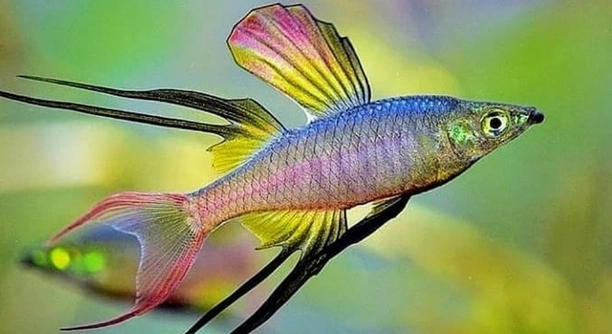
Is your threadfin rainbowfish spending more time at the bottom of the tank than swimming around? Observing this behavior can be concerning for any aquarist. These small, vibrant fish are usually active, making unusual inactivity noticeable.
The primary reasons a threadfin rainbowfish rests at the bottom include stress, illness, poor water quality, low oxygen levels, or inappropriate tank conditions. Prompt assessment of environmental and health factors is crucial to prevent further decline in wellbeing.
Understanding these causes can help maintain a healthy, thriving aquarium. Monitoring water conditions and fish behavior ensures your rainbowfish remains active and vibrant in its habitat.
Common Causes of Bottom-Dwelling Behavior
Threadfin rainbowfish may rest at the bottom due to a variety of environmental and health-related reasons. Poor water quality is often the most significant factor. High levels of ammonia, nitrites, or nitrates can quickly stress fish, causing them to seek refuge near the substrate. Low oxygen levels also force fish to the bottom where water movement is minimal. Temperature fluctuations can add to stress, as these fish prefer stable, moderate temperatures. Illnesses such as parasites, bacterial infections, or swim bladder problems may also result in this behavior. Overcrowding or aggressive tank mates can drive a rainbowfish to the bottom to avoid conflict. Even diet plays a role; insufficient or unbalanced nutrition may reduce energy levels, causing lethargy. Observing swimming patterns, appetite, and overall appearance can help identify the issue. Corrective measures, such as partial water changes, adjusting tank temperature, and isolating sick fish, often restore normal activity levels.
Monitoring your fish daily can prevent minor problems from escalating. Consistent observation is key to maintaining healthy behavior.
Preventing bottom-dwelling behavior relies on maintaining proper water parameters and a balanced diet. Regular water testing, filtration checks, and tank maintenance reduce stress and disease risk. Feeding a variety of high-quality foods ensures energy and vitality, promoting active swimming. Keeping compatible tank mates and avoiding overcrowding allows fish to occupy all levels of the tank freely. Treating illnesses early minimizes long-term health issues. Providing hiding spots and moderate plant cover can also reduce stress without isolating the fish completely. Through proactive care and careful observation, most causes of bottom-dwelling behavior can be addressed efficiently, supporting the fish’s natural activity and vibrant coloration. Consistency in tank upkeep and attentive feeding habits are essential to maintain a stable and comfortable environment for threadfin rainbowfish, encouraging them to swim actively and enjoy their full habitat.
Health Issues Affecting Activity
Illness is a common factor when rainbowfish linger at the tank bottom. Parasites, bacterial infections, and swim bladder problems often result in lethargy, loss of appetite, and unusual swimming.
Treating these issues requires accurate diagnosis and prompt action. Observe any signs of physical damage, bloating, or discoloration. Quarantining affected fish and administering appropriate medication can prevent the spread of disease. Environmental factors often worsen these conditions, so correcting water quality and temperature is essential. Diet also plays a role in recovery; offering nutrient-rich foods aids the immune system. Consistent monitoring over several days ensures the treatment is effective and the fish returns to normal behavior. With careful attention, most health issues can be managed successfully, allowing rainbowfish to regain energy and swim actively throughout the tank once again.
Water Quality and Tank Conditions
Maintaining clean, stable water is critical for threadfin rainbowfish. Poor filtration, high ammonia or nitrate levels, and sudden temperature changes can stress fish, causing them to linger at the bottom of the tank. Regular monitoring prevents these issues.
Regular water testing and partial water changes are essential for stable conditions. Filtration must be sufficient to remove waste and maintain oxygen levels. Temperature should remain consistent, ideally between 24–28°C (75–82°F). Overcrowding and lack of hiding spots increase stress, so tank size and decor must be appropriate. Plants and gentle water flow help fish feel secure. Correcting these factors often restores normal activity.
Proper maintenance includes checking pH and hardness, cleaning substrates, and ensuring aeration. Even small fluctuations can lead to lethargy. Avoid overfeeding, as decaying food worsens water quality. Observing fish behavior daily helps detect problems early. Adjusting tank conditions gradually reduces stress and encourages rainbowfish to explore the full aquarium, returning to their usual lively behavior and vibrant colors.
Diet and Nutrition
A balanced diet supports energy and overall health in threadfin rainbowfish. Poor nutrition can result in lethargy, causing the fish to rest at the tank bottom more frequently.
High-quality flake, frozen, or live foods provide essential proteins, vitamins, and minerals. Feeding small amounts multiple times daily prevents overeating and maintains water quality. Including occasional vegetable matter or specialized supplements enhances immunity and supports color development. Consistency in feeding ensures fish receive adequate nutrients for energy and vitality.
Dietary adjustments can improve swimming activity and overall wellbeing. Monitor appetite, as sudden refusal to eat may indicate illness or stress. Rotating food types prevents nutrient deficiencies. Avoid prolonged fasting, which weakens the immune system and reduces energy levels. Ensuring proper nutrition alongside clean water and stable tank conditions significantly reduces bottom-dwelling behavior, helping rainbowfish stay active, healthy, and visually vibrant in their environment.
Stress and Tank Environment
Stress is a major factor causing threadfin rainbowfish to stay at the bottom. Aggressive tank mates, sudden changes in environment, or overcrowding can make them feel unsafe and withdrawn.
Providing hiding spots and maintaining compatible tank mates helps reduce stress. Gentle water flow and stable lighting also contribute to a calmer environment.
Signs of Illness
Physical signs like clamped fins, faded color, or bloating often accompany bottom-dwelling behavior. Lethargy combined with loss of appetite usually indicates health issues that require attention. Observing these indicators early allows for timely treatment and recovery.
Temperature Fluctuations
Sudden changes in water temperature can shock rainbowfish, leading them to remain inactive at the bottom. Maintaining consistent, moderate temperatures prevents stress and supports normal activity levels.
Oxygen Levels
Low oxygen levels make it difficult for fish to swim actively. Ensuring proper aeration and water movement keeps oxygen levels adequate, helping rainbowfish stay healthy and energetic.
FAQ
Why is my threadfin rainbowfish staying at the bottom of the tank?
Bottom-dwelling behavior is usually linked to stress, poor water quality, illness, or low oxygen levels. Sudden environmental changes, aggressive tank mates, or overcrowding can also cause your fish to retreat to the bottom. Regular observation and proper tank maintenance help identify the cause quickly.
How can I tell if my rainbowfish is sick?
Signs of illness include clamped fins, faded or unusual coloration, bloating, rapid gill movement, and loss of appetite. Lethargy or unusual swimming patterns often accompany these symptoms. Monitoring behavior daily allows early detection and treatment of potential health issues.
Can water quality affect my rainbowfish’s behavior?
Yes. High ammonia, nitrite, or nitrate levels, as well as sudden pH or temperature changes, can stress fish and force them to stay near the bottom. Regular water testing, partial water changes, and proper filtration are essential to maintain a healthy environment.
What diet supports active rainbowfish?
A varied diet of high-quality flake, frozen, or live foods provides essential proteins, vitamins, and minerals. Small, frequent feedings prevent overeating and maintain water quality. Occasional vegetable matter or supplements supports immune health and enhances coloration. Consistent nutrition keeps rainbowfish energetic.
How does tank setup impact behavior?
Overcrowding, lack of hiding spots, and incompatible tank mates increase stress. Providing plants, gentle water flow, and secure hiding areas helps rainbowfish feel safe. Adequate space and proper tank conditions encourage active swimming throughout the aquarium.
Could temperature changes cause bottom-dwelling behavior?
Yes. Threadfin rainbowfish are sensitive to sudden shifts in temperature. Maintaining a stable range, ideally 24–28°C (75–82°F), prevents stress and lethargy. Avoid placing the tank near drafts or heat sources that may cause rapid fluctuations.
Is oxygen a factor in inactivity?
Low dissolved oxygen levels reduce energy and make swimming difficult. Using aeration devices, proper water circulation, and avoiding overcrowding ensures sufficient oxygen, keeping rainbowfish active and healthy.
When should I isolate a fish?
Isolate fish showing severe illness, unusual behavior, or injuries to prevent disease spread and allow focused treatment. Quarantine tanks should mimic the main tank’s temperature, water parameters, and lighting to reduce additional stress.
Can stress be reduced without changing tank mates?
Yes. Stress can be mitigated by providing hiding places, moderate lighting, and a calm environment. Consistent feeding routines and minimal sudden disturbances also support calmer behavior.
How often should I monitor my fish?
Daily observation is recommended. Checking for signs of illness, behavior changes, and water quality issues ensures quick corrective action. Early detection prevents minor issues from becoming serious problems, maintaining the overall health and activity of rainbowfish.
Can diet alone fix bottom-dwelling behavior?
Diet helps but cannot fully correct behavior caused by environmental stress, illness, or poor water quality. A combined approach addressing nutrition, water parameters, and tank conditions is necessary to restore active swimming.
What immediate actions can I take if my fish stays at the bottom?
Test water quality, check temperature and oxygen levels, inspect for signs of disease, and observe tank dynamics. Adjust conditions gradually, improve diet, and isolate sick fish if needed. Quick, careful action often prevents long-term health problems.
Are some rainbowfish more prone to this behavior than others?
Individual temperament, age, and health history influence activity levels. Younger fish may explore less initially, while older or weakened fish may rest at the bottom. Proper care tailored to their needs encourages consistent activity and reduces stress-related behavior.
How long should recovery take after changes?
Recovery varies depending on the cause. Environmental adjustments often produce results within a few days. Treating illness or nutritional deficiencies may take one to two weeks, with gradual improvements in activity and coloration expected over time.
Can I prevent bottom-dwelling behavior entirely?
Complete prevention is unlikely, but consistent care, stable water conditions, balanced diet, proper tank setup, and attentive monitoring significantly reduce the risk. Early intervention at the first sign of stress or illness keeps rainbowfish healthy and active.
Final Thoughts
Threadfin rainbowfish are active, vibrant fish that bring life to any aquarium, but seeing them linger at the bottom can be concerning. This behavior is often a sign that something in their environment or health is off. Stress, poor water quality, illness, low oxygen levels, and improper tank conditions are the most common causes. Observing your fish daily and monitoring their behavior can help you notice changes early. Early detection allows for prompt intervention, which can prevent more serious issues and ensure your rainbowfish remain healthy. Even small adjustments in tank care can make a significant difference in restoring normal activity.
Maintaining stable water parameters is essential for your fish’s wellbeing. Regular testing of ammonia, nitrites, nitrates, pH, and temperature ensures the environment remains suitable. Partial water changes and proper filtration prevent toxic buildup and maintain clean water. Temperature stability is also critical, as sudden changes can stress your fish. Low oxygen levels may reduce energy, so aeration and water circulation are important. Overcrowding and aggressive tank mates can also contribute to stress. Providing adequate space, hiding spots, and a calm environment encourages natural swimming behavior and reduces anxiety. A stable, well-maintained tank is the foundation for healthy, active rainbowfish.
Diet and overall health cannot be overlooked. A balanced diet with high-quality flake, frozen, or live foods provides essential nutrients for energy, immunity, and vibrant coloration. Feeding small amounts multiple times a day helps prevent overfeeding and maintains water quality. Observing appetite and behavior can also indicate potential health issues. Illnesses such as parasites, bacterial infections, or swim bladder problems can lead to bottom-dwelling behavior, so prompt treatment is necessary. Consistent care, careful observation, and attention to diet and water quality all work together to keep threadfin rainbowfish active and healthy. With the right approach, most causes of bottom-dwelling behavior can be corrected, allowing your fish to thrive and fully enjoy their environment.

Hello,
If you enjoy the content that we create, please consider saying a "Thank You!" by leaving a tip.
Every little bit helps us continue crafting quality advice that supports the health, happiness, and well-being of pets around the world, for pets of all shapes, sizes, and species.
We really appreciate the kindness and support that you show us!