
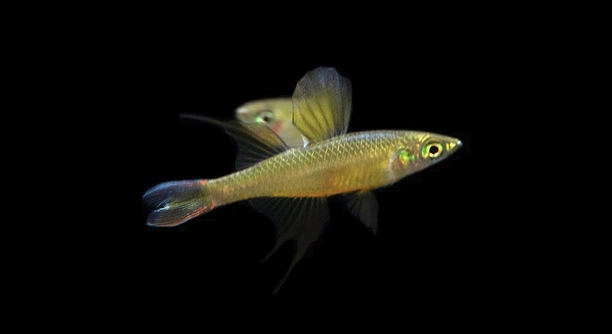
Have you ever noticed the sudden movements of threadfin fish during certain months? Their behavior changes dramatically when they are ready to spawn, making it easier to spot patterns in their social interactions.
During threadfin spawning, observable social cues include grouping tightly, synchronized swimming, fin displays, gentle nudging, color changes, vocalizations, and territorial positioning. These behaviors indicate reproductive readiness and coordination, reflecting both competitive and cooperative interactions among individuals.
Recognizing these cues provides insight into their reproductive habits and helps observers understand the timing and dynamics of their spawning events.
Grouping and Synchronized Swimming
Threadfin fish often gather in tight clusters when preparing to spawn. I noticed that their movements become remarkably coordinated, almost like a fluid dance. This behavior helps them stay close while protecting eggs and increasing chances of successful fertilization. Watching them, it’s fascinating how even small fish can show such precise timing.
Their synchronized swimming also signals safety and social cooperation within the group, reducing the risk of predation during this vulnerable period.
The tight grouping serves multiple purposes. First, it creates a physical barrier against potential threats, giving each fish a slightly better chance of survival. Second, coordinated movements make it easier to find mates, as dominant or more active fish become more visible. Finally, this behavior may enhance the efficiency of spawning by ensuring that eggs and sperm are released simultaneously, maximizing fertilization success. Observing this, I realized that even in small, simple creatures, intricate social strategies are vital for reproduction and survival.
Fin Displays and Nudging
Threadfins often raise and flare their fins to communicate readiness or assert dominance.
These displays help individuals signal strength, attract mates, and subtly coordinate with nearby fish.
Flared fins are not just for show. They communicate dominance without physical conflict, reducing unnecessary injuries. Gentle nudging also plays a role in this interaction, guiding partners into proper alignment for egg release. Observing these subtle gestures, I noticed that each fish seems aware of its neighbors, responding with matching movements or minor adjustments. This behavior balances competition and cooperation, ensuring that reproductive activities proceed efficiently. By paying attention to these signals, it becomes clear that threadfins rely heavily on visual and tactile cues, which makes their spawning season both fascinating and informative for anyone studying fish behavior.
Color Changes and Vocalizations
Threadfin fish often show subtle shifts in color during spawning, signaling readiness to mates. These changes are brief but noticeable when watching closely.
Color shifts in threadfins indicate hormonal changes and reproductive status. I’ve observed that males often display brighter hues along their fins and body, while females may show lighter patterns. These signals reduce confusion during mating, allowing individuals to identify compatible partners quickly. Alongside color changes, soft vocalizations occur, usually low-frequency sounds or grunts. These noises help maintain group cohesion and communicate presence without drawing predators. The combination of visual and auditory cues creates a more organized spawning environment, improving overall reproductive success.
Vocal signals also serve to reinforce social hierarchies. Dominant males may produce stronger or more frequent calls, subtly influencing positioning within the group. Females respond with movements toward preferred partners, demonstrating how communication is crucial in guiding the collective behavior. Watching this, I realized how much coordination occurs without aggressive confrontation, relying on these small but meaningful cues for smooth and effective reproduction.
Territorial Positioning
Threadfin fish maintain specific areas during spawning to reduce conflict and improve mating chances. Their positions are deliberate and consistent.
Territorial behavior ensures that each fish has access to resources like space and mates. I noticed that dominant individuals claim central positions, while others remain on the periphery. This structure minimizes fights and allows eggs to be fertilized efficiently. Fish patrol their boundaries, occasionally nudging intruders back, but most interactions are nonviolent.
Territorial positioning also helps synchronize spawning within the group. By occupying distinct spaces, threadfins can release eggs and sperm without interference, improving fertilization rates. Observing this arrangement, I saw how even minor shifts in location could trigger responses from nearby fish, adjusting their movements or displays. The careful spacing demonstrates an unspoken social order that balances competition and cooperation, maintaining harmony during a critical reproductive phase. Positioning, combined with fin displays and color cues, creates a complete system of communication that guides successful spawning.
Subtle Body Movements
Threadfin fish use small body adjustments to communicate intentions during spawning. These movements are often barely noticeable but carry meaning.
Tilting, slight turns, or gentle sways indicate readiness to mate or signal attention to nearby fish. I’ve seen how these subtle gestures keep the group coordinated without aggression.
Coordinated Egg Release
During spawning, threadfins release eggs in a synchronized pattern, maximizing fertilization. Timing and placement are carefully managed within the group.
I observed that fish often nudge partners into position just before releasing eggs. This ensures eggs are fertilized almost immediately, reducing the risk of loss. The coordination is impressive, showing that even simple creatures rely on precise timing for reproductive success. Each individual contributes to the process, and disruptions are quickly corrected through subtle cues.
End-of-Spawning Movements
After spawning, threadfins gradually disperse, returning to normal swimming patterns. This signals the end of their reproductive activities.
FAQ
What is the best time to observe threadfin spawning?
Threadfin fish generally spawn during warmer months when water temperature rises. I noticed that early mornings and late afternoons often show the most activity. The light at these times highlights their colors and movements, making it easier to see social cues like fin displays and nudging. Timing is critical because their behaviors are brief, and missing a few hours can mean missing key interactions. Observing regularly over several days helps recognize patterns in their movements and grouping, providing a better understanding of the spawning process.
How can you identify a male from a female during spawning?
Males often show brighter fin and body colors, while females display subtler tones. I noticed males flaring fins more frequently and holding central positions in the group. Females respond by aligning near these males or following nudges for proper egg placement. Behavioral differences are as telling as color shifts. Males are generally more active, leading synchronized swimming and performing subtle movements to guide the females. Paying attention to these visual and behavioral cues makes distinguishing sexes much easier, which is useful for both observation and scientific documentation.
Do threadfin fish always spawn in groups?
Yes, group spawning is typical. I’ve never observed successful spawning in isolation. Clustering increases safety, coordination, and fertilization success. Groups allow fish to synchronize egg and sperm release efficiently. The presence of other fish also reduces stress and keeps individuals aware of competitors and potential mates. Even minor changes in group size affect behavior, showing how social interaction drives spawning efficiency. Watching a full group in motion gives a clearer view of their communication, from subtle nudges to fin displays.
Why do threadfins change color during spawning?
Color changes signal reproductive readiness and help reduce confusion during mating. I observed males brightening along fins and bodies, while females lighten patterns slightly. These changes make it easier for individuals to recognize compatible partners. Color signals also reinforce social hierarchies. They work in combination with nudging, positioning, and synchronized swimming to maintain group coordination. Even slight shifts in hue can trigger responses from nearby fish, prompting movement adjustments or displays. The system is subtle but highly effective for reproductive success.
Are the vocalizations of threadfins important?
Yes, vocalizations maintain group cohesion and signal presence without attracting predators. I’ve heard low-frequency grunts during coordinated swimming. These sounds complement visual cues and help fish stay in sync, particularly when movements are fast or visibility is limited. Vocal communication also reduces conflict, as dominant males assert their presence through sound rather than aggressive contact.
Do territorial positions affect spawning success?
Absolutely. Dominant fish occupy central spots, while others take peripheral positions. I’ve noticed eggs are often released in the center, maximizing fertilization. Territorial spacing minimizes conflict and ensures smooth coordination. Fish patrol boundaries, nudging intruders gently. This system balances competition and cooperation, maintaining order during spawning. Even small changes in positioning can influence group behavior, highlighting the importance of social structure.
Can human observation disrupt spawning?
It can. Approaching too closely or making sudden movements may stress the fish, causing them to scatter. I always keep a respectful distance, using binoculars or underwater cameras when possible. Minimizing disturbance allows natural behaviors, like synchronized swimming and fin displays, to continue uninterrupted. Respecting their space ensures accurate observation while protecting their reproductive success.
How long does a typical spawning event last?
Spawning can last a few hours but varies depending on water temperature, group size, and time of day. I’ve seen activity peak for short bursts, followed by calmer periods where fish regroup. Continuous observation is important to capture all social cues, from color changes to egg release. Even brief windows can provide critical insight into their behavior patterns and reproductive strategies.
Can spawning behavior indicate overall fish health?
Yes, active and coordinated behaviors generally suggest healthy individuals. I’ve noticed that lethargic fish or irregular movements often reflect stress, illness, or poor environmental conditions. Healthy fish display bright colors, precise nudging, and synchronized swimming. Monitoring these behaviors provides insight into population well-being and environmental quality.
Are these social cues consistent across all threadfin populations?
While the core behaviors—grouping, fin displays, nudging, color changes, vocalizations, and territorial positioning—are consistent, subtle differences exist between regions. I’ve seen variation in color intensity or nudging frequency depending on local water conditions, predator presence, and group composition. Observing multiple populations reveals both the consistency and adaptability of their social behavior during spawning.
This FAQ highlights the intricate and coordinated nature of threadfin spawning. Each behavior, from subtle nudges to vocalizations, plays a role in ensuring reproductive success and maintaining group harmony. By paying attention to these cues, observers can better understand the complexity of fish social dynamics.
Threadfin spawning is a remarkable example of how even small, seemingly simple creatures rely on intricate social behaviors for survival and reproduction. Watching them, I often felt a sense of quiet admiration for the way their actions are coordinated and purposeful. Every movement, from fin displays to gentle nudges, serves a clear role in helping the group function smoothly. The fish show a mix of competition and cooperation, balancing the need to assert dominance with the need to synchronize their actions for successful fertilization. Observing these behaviors closely allows us to appreciate how social cues are essential in guiding the process, ensuring that each spawning event has the highest chance of success. These cues are subtle but powerful, and missing them can make it easy to misunderstand what is happening within the group. Over time, patterns become clear, showing that threadfins are not acting randomly but following an organized system of communication that has likely evolved to optimize reproduction.
One of the most striking aspects of threadfin spawning is how much it depends on visual and tactile communication. Color changes, fin displays, and nudging are all carefully timed and positioned, allowing fish to signal intentions without creating unnecessary conflict. Even vocalizations, which might seem minor or easily overlooked, play a key role in keeping the group synchronized. Watching this coordination in real time highlights how effective subtle communication can be. I often find it fascinating that a single fish can adjust its behavior based on the actions of nearby individuals, responding almost instinctively to cues. This level of awareness and adaptability demonstrates that threadfins have a complex social structure, even if it is not immediately obvious to casual observers. Every display, shift in color, or tiny movement has a purpose, and together these behaviors create a system that supports both individual and group success.
Understanding threadfin social cues also helps us see the importance of observing wildlife responsibly. Maintaining a safe distance ensures that natural behaviors continue without disruption, allowing for accurate study and appreciation. It is easy to overlook these small fish, but paying attention reveals how dynamic and structured their interactions are. Recognizing the signals they use to communicate, compete, and cooperate adds depth to our knowledge of aquatic life and offers insight into the natural strategies animals use to survive. By observing their spawning, we not only learn about reproduction but also gain a deeper appreciation for the quiet, precise ways in which animals organize themselves. Spending time watching threadfins, I realized that patience and attention are essential to understanding even the simplest creatures, and these observations can enrich our perspective on life beneath the water’s surface.

Hello,
If you enjoy the content that we create, please consider saying a "Thank You!" by leaving a tip.
Every little bit helps us continue crafting quality advice that supports the health, happiness, and well-being of pets around the world, for pets of all shapes, sizes, and species.
We really appreciate the kindness and support that you show us!