
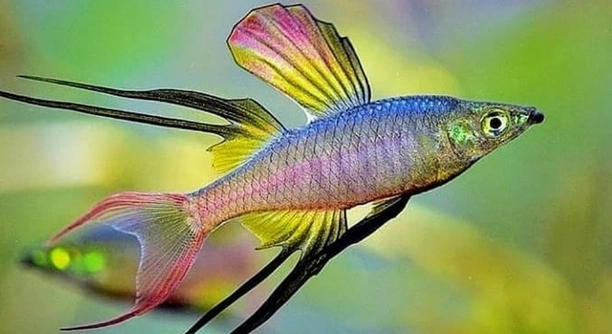
Threadfins are often seen lingering near the bottom of rivers, lakes, or coastal waters. Their calm presence and slow movements make them appear less active, blending effortlessly with the surrounding environment and other bottom-dwelling species.
Threadfins primarily remain near the bottom due to their feeding habits and habitat preferences. They consume benthic invertebrates and detritus, relying on low-light conditions and stable water temperatures to conserve energy and avoid predators, which encourages prolonged bottom-dwelling behavior.
Observing their behavior provides insight into their diet, energy conservation, and how they interact with their environment daily. Understanding these patterns can enhance knowledge of freshwater and coastal ecosystems.
Feeding Habits and Diet
Threadfins spend much of their day near the bottom because this is where their preferred food sources are located. They feed primarily on small invertebrates, insect larvae, and detritus that settle on the substrate. This slow and steady approach allows them to conserve energy while accessing a consistent supply of nutrients. The soft sediment of riverbeds or coastal floors provides both food and camouflage. By staying close to the bottom, they reduce exposure to larger predators and can remain mostly undisturbed. Over time, this behavior becomes routine, and many threadfins will rarely move into open water unless necessary. Their feeding style is not aggressive; it is methodical and efficient, allowing them to maintain health without expending unnecessary energy. Observing them, it is easy to see how their diet and environment are connected, showing that their choice to linger at the bottom is both practical and instinctive, shaped by evolution.
This consistent feeding method ensures threadfins get enough energy while avoiding unnecessary movement or risk in the water column.
Remaining near the bottom also aids in their growth and reproduction. By limiting movement to areas where food is abundant, they can invest energy into developing strong bodies and maintaining healthy physiological functions. Additionally, staying low in the water provides a stable temperature range, which is important for metabolic efficiency. Young threadfins often mimic this behavior, learning from their environment how to feed and avoid threats. Over time, this creates a pattern seen across ages and populations. Threadfins’ preference for the substrate is an adaptive trait, one that supports survival and reduces stress. Even when currents or seasonal changes alter water conditions, their bottom-dwelling habit persists because it balances safety, nutrition, and energy conservation. Understanding this behavior can help observers and researchers interpret movement patterns and habitat preferences effectively.
Environmental Influence
The type of water and substrate greatly affects threadfin behavior. Sandy or muddy bottoms with gentle currents are ideal.
Environmental factors such as water depth, clarity, and temperature influence how long threadfins remain near the bottom. In murky or nutrient-rich areas, they can feed efficiently without much movement, whereas in clear waters, they may need more frequent adjustments to avoid predators. Vegetation also provides cover and stabilizes food sources, encouraging prolonged bottom-dwelling activity. Human activity, such as pollution or sediment disruption, can disturb these patterns, forcing threadfins to adapt or relocate. Studying these environmental influences offers insight into their daily routines and ecological role. Threadfins are not simply passive creatures; their location choices are responses to their surroundings, balancing safety and access to food. Observing how environmental changes impact them can reveal important details about habitat health and ecosystem balance. By understanding these conditions, one can better predict their presence in certain areas and the reasons behind their consistent bottom-oriented behavior. These factors together shape not just feeding efficiency but overall survival strategies for threadfins in diverse aquatic habitats.
Predation and Safety
Threadfins stay near the bottom to reduce exposure to predators. Larger fish and birds often patrol open water, so staying low provides cover and a safer feeding environment.
Remaining close to the substrate allows threadfins to blend in with their surroundings, using shadows, sediment, and small plants as natural camouflage. They can detect movements above them and react quickly without having to swim far. This cautious behavior is especially important during early morning and late afternoon, when predatory activity tends to peak. By limiting open-water exposure, threadfins conserve energy and minimize risk, maintaining steady growth and overall health.
Even in areas with fewer predators, threadfins maintain this habit. It has become a consistent survival strategy, shaped by instinct and experience. By staying near the bottom, they can feed, rest, and reproduce with minimal disturbance. This behavior also helps them maintain stable social interactions with other threadfins, ensuring cohesion within groups. It shows how instinct and environment combine to guide daily routines, reinforcing the value of substrate-oriented living.
Seasonal Behavior
Seasonal changes affect threadfin movement and activity patterns. Temperature, water level, and food availability all influence how long they remain near the bottom.
In warmer months, threadfins may stay slightly higher in the water to access increased food sources, yet they rarely leave the bottom for long periods. Cooler seasons encourage them to remain deeper, conserving energy while maintaining proximity to stable food supplies. Currents and rainfall can also alter sediment composition, affecting feeding efficiency and safety. Threadfins adapt to these conditions gradually, adjusting positions and activity levels to balance energy needs with risk avoidance.
Seasonal shifts also impact breeding and growth cycles. During spawning periods, threadfins may move to slightly different areas but still rely on bottom proximity for shelter and feeding. Young fish follow adults’ cues, learning when and where it is safest to feed. These adaptations show the careful balance threadfins maintain between environmental conditions and survival, demonstrating that their bottom-dwelling habits are flexible yet consistent, shaped by both instinct and seasonal necessities.
Energy Conservation
Threadfins remain near the bottom to conserve energy. Swimming in open water requires more effort, while staying low allows them to move slowly and feed efficiently.
Minimal movement also reduces exposure to predators. By keeping a low profile, they maintain energy reserves for growth, reproduction, and essential daily functions.
Interaction with Other Species
Threadfins coexist with other bottom-dwelling fish, invertebrates, and small aquatic animals. This proximity allows them to share feeding areas without direct competition.
Their presence contributes to sediment turnover and nutrient distribution. By moving carefully along the bottom, they help stir detritus and small organisms, indirectly supporting the ecosystem while securing their own food sources.
Impact of Water Conditions
Changes in water clarity, temperature, and current strength affect how threadfins behave near the bottom.
Lower light levels and stable temperatures encourage prolonged bottom activity. Clear or turbulent waters may force slight adjustments in depth or location, but they rarely abandon the substrate completely.
FAQ
Why do threadfins stay near the bottom all day?
Threadfins remain near the bottom mainly to feed on benthic organisms like small invertebrates, insect larvae, and detritus. The substrate provides both nutrition and protection. Staying low reduces exposure to predators while conserving energy, allowing them to grow steadily and maintain health over time.
Do threadfins ever swim in open water?
Yes, but only occasionally. Threadfins generally prefer the safety of the bottom, only venturing into open water when necessary, such as chasing larger prey or during specific seasonal changes. Even then, their movements are brief and calculated to minimize risk.
How does temperature affect their behavior?
Temperature plays a key role. Warmer waters may encourage slightly higher swimming to access food, but in cooler seasons, threadfins remain closer to the bottom to conserve energy and maintain a stable metabolic rate.
Are young threadfins different from adults in behavior?
Young threadfins largely mimic adults. They learn feeding and safety habits by following older fish. Staying near the bottom is an instinctive and learned behavior that begins early, ensuring survival and gradual growth.
Do threadfins prefer certain types of substrate?
Yes, sandy or muddy bottoms with gentle currents are ideal. These conditions make it easier to find food and hide from predators. Vegetation and small plants provide extra cover, improving feeding efficiency while offering protection.
Can human activity affect their bottom-dwelling habits?
Human activity, including pollution, sediment disruption, or construction near waterways, can disturb threadfins. They may shift location, adjust depth, or temporarily reduce feeding activity to cope with changes in their environment.
How do threadfins interact with other species?
Threadfins coexist with other bottom-dwelling fish and invertebrates. They share feeding areas without direct competition, and their careful movements help redistribute sediment and nutrients, indirectly supporting the ecosystem while maintaining their food supply.
Do predators influence how long they stay near the bottom?
Absolutely. Predators like larger fish or birds are more active in open water. Threadfins remain near the bottom to avoid detection, blending with shadows, sediment, and vegetation to reduce risk. This cautious approach is essential for survival.
Does water clarity matter for their behavior?
Yes, water clarity affects visibility and predator detection. In murky or low-light conditions, threadfins feel safer staying low and moving slowly. Clear water may require small adjustments in location, but they generally maintain bottom-dwelling habits for protection.
How do seasonal changes affect threadfins?
Seasonal changes impact food availability, water temperature, and depth. Warmer months may encourage minor vertical movement, while cooler seasons reinforce bottom-dwelling behavior. Currents and rainfall can also alter sediment composition, influencing feeding efficiency and safety, but the substrate remains their preferred area.
Is staying near the bottom energy-efficient?
Yes, it reduces the need for constant swimming and allows threadfins to feed steadily. This energy-saving behavior supports growth, reproduction, and overall health while minimizing exposure to threats in the water column.
Do threadfins show social behavior at the bottom?
They maintain loose social structures. Groups often feed in proximity, providing safety in numbers and enabling young fish to learn from adults. This behavior ensures cohesion and enhances survival without causing overcrowding.
Can environmental changes force threadfins to leave the bottom?
Significant changes, such as sudden pollution, rapid water flow, or drastic temperature shifts, may force threadfins to move temporarily. However, they generally return to the substrate once conditions stabilize, indicating a strong preference for bottom-dwelling.
How does their bottom-dwelling affect the ecosystem?
Threadfins help stir sediment, redistribute nutrients, and support small invertebrates. Their careful movements create microhabitats and maintain balance, contributing to overall ecosystem health while securing their own food resources.
Do all threadfin species behave the same way?
Most species share similar bottom-oriented habits, though specific preferences may vary slightly depending on habitat type, food availability, and predator presence. The general pattern of remaining near the substrate is consistent across environments.
Are threadfins active at specific times of the day?
They tend to be most active during early morning and late afternoon, coinciding with lower light levels and reduced predator activity. These times allow efficient feeding while maintaining safety and energy conservation.
How do threadfins adapt to new environments?
Threadfins quickly assess substrate, food availability, and predator presence. They adjust positions, movement patterns, and feeding strategies while maintaining a bottom-oriented approach, showing both instinctive and learned adaptability.
Does staying near the bottom influence reproduction?
Yes, proximity to the substrate provides shelter during spawning and protects eggs or juveniles. The stable environment allows adults to feed while maintaining safety for offspring, reinforcing the advantage of bottom-dwelling behavior.
Can observing threadfins help with research?
Absolutely. Their behavior reveals patterns in feeding, predator avoidance, and environmental health. Studying their movements provides insight into ecosystem dynamics, habitat quality, and population health, making them valuable indicators in aquatic research.
Do threadfins ever leave the bottom permanently?
Rarely. While minor vertical adjustments occur, threadfins almost always return to the substrate. Bottom-dwelling is a central part of their survival strategy, combining feeding efficiency, predator avoidance, and energy conservation.
Are there threats specific to bottom-dwelling fish like threadfins?
Yes, sediment pollution, habitat destruction, and invasive species can impact them. Maintaining substrate quality and monitoring environmental changes is crucial for their continued survival and the balance of their ecosystem.
How long can threadfins stay at the bottom without moving?
They can remain relatively still for extended periods while feeding or resting. Slow movements help conserve energy and reduce detection by predators, making prolonged bottom presence an effective survival tactic.
Do threadfins communicate while at the bottom?
Communication is subtle, mostly through body movement and spacing. Positioning near each other signals safety, feeding areas, and social hierarchy, supporting group cohesion without drawing attention from predators.
Can bottom-dwelling habits affect fishing success?
Yes, knowing threadfins prefer the substrate helps anglers target them effectively. Using bait near the bottom and observing their behavior increases the chances of a successful catch without unnecessarily disturbing their environment.
Do threadfins migrate or stay in one area?
They generally remain in areas with stable substrate, food, and safety. Minor seasonal shifts occur, but permanent migration is rare. Their attachment to the bottom ensures consistent feeding and protection over time.
How do currents influence bottom-dwelling behavior?
Gentle currents support feeding by moving nutrients and small organisms. Strong currents may force slight repositioning, but threadfins typically remain near the bottom, adjusting posture and movement to maintain stability and access to food.
Are threadfins more active in certain seasons?
Yes, warmer months often increase feeding activity slightly, but bottom-dwelling remains consistent. Seasonal shifts in water temperature, light, and food availability cause only minor adjustments to their behavior.
Do threadfins face competition at the bottom?
Competition exists but is minimal. Many species share feeding zones without direct conflict. Threadfins’ slow, careful feeding style allows them to coexist with other bottom-dwelling animals while maintaining access to necessary nutrients.
How does bottom-dwelling help them avoid predators?
Remaining low provides camouflage, reducing visibility to larger fish and birds. Sediment, shadows, and vegetation help them blend in, allowing quick reaction to threats and increasing overall survival rates.
Do human-made structures affect threadfins?
Structures like piers, docks, or submerged debris can change flow patterns and sediment distribution. Threadfins may adjust positions but continue to rely on the bottom for feeding and protection, showing adaptability while maintaining core behavior.
Are threadfins bottom-dwelling in all water types?
Yes, whether in rivers, lakes, or coastal waters, threadfins generally prefer the substrate. The depth, clarity, and type of bottom may vary, but the behavior of staying near the bottom is consistent across habitats.
Can studying threadfins indicate ecosystem health?
Absolutely. Their behavior, abundance, and movement patterns reveal information about substrate quality, predator presence, and water conditions. Bottom-dwelling habits provide valuable data for assessing aquatic environments and conservation needs.
Do threadfins ever leave the bottom to spawn?
They may move slightly during spawning, but eggs and juveniles remain near the substrate. This ensures protection and access to food, reinforcing the benefit of staying close to the bottom throughout their life cycle.
How does water depth impact bottom-dwelling?
Threadfins adapt to varying depths, staying close to the substrate at all times. Shallow waters may require minor adjustments in position, but the preference for bottom proximity remains unchanged to maintain safety and access to food.
Are threadfins affected by seasonal predators?
Yes, seasonal changes in predator populations influence their positioning. Threadfins may stay lower or move slightly along the bottom to avoid areas with high predation risk, showing flexibility within their consistent bottom-oriented behavior.
Do environmental disruptions affect their feeding?
Disturbances like sediment runoff or pollution can temporarily reduce feeding efficiency. Threadfins adapt by adjusting position and movement, but they continue to rely on the substrate to access food and maintain energy balance.
Can threadfins survive without bottom-dwelling behavior?
It would be challenging. Bottom-dwelling is central to their survival strategy, providing food, protection, and energy conservation. Leaving the substrate permanently would increase exposure to predators and reduce feeding efficiency, impacting overall health.
How does bottom-dwelling behavior influence lifespan?
By minimizing energy use and reducing predator risk, bottom-dwelling supports steady growth and reproduction. This behavior contributes to longevity and stable population dynamics across various habitats.
Do threadfins show preferences for certain sediment types?
Yes, they favor sandy or muddy bottoms. These provide easier access to food, stable footing, and better camouflage. Vegetation and small structures enhance these benefits, supporting prolonged bottom-dwelling.
Is their behavior instinctive or learned?
Both. Instinct drives initial bottom preference, while observation of adults teaches young threadfins feeding and safety habits. This combination ensures survival and consistency across generations.
Do bottom-dwelling habits influence community interactions?
Yes, they affect how threadfins coexist with other species, support ecosystem functions, and distribute nutrients. Their slow, careful movements minimize conflicts and maintain balance while securing food.
Are there exceptions to their bottom-dwelling habits?
Minor exceptions occur during short-term environmental changes or feeding events. However, threadfins almost always return to the bottom, showing strong adherence to this survival strategy.
How does human interference like fishing affect them?
Fishing can temporarily disrupt behavior, causing stress or movement to alternative areas. However, bottom-dwelling provides some protection, and threadfins often resume normal patterns once disturbances lessen.
Can bottom-dwelling be observed in captivity?
Yes, in aquariums or controlled environments, threadfins continue to stay near the substrate, feeding on available food while maintaining low activity to conserve energy, showing that this behavior is consistent regardless of setting.
How important is camouflage for bottom-dwelling?
Camouflage is essential. Shadows, sediment, and vegetation help threadfins remain hidden from predators. It allows slow feeding without interruption, highlighting the importance of the substrate in their daily behavior.
Do threadfins respond to light changes?
Yes, they are sensitive to light levels. Low-light conditions encourage extended bottom activity, while bright conditions may prompt minor depth adjustments to avoid exposure.
How do currents and water flow influence their position?
Gentle currents aid feeding by moving small prey. Strong currents may require slight repositioning, but threadfins remain near the bottom, adjusting body posture to conserve energy and maintain stability.
Are all threadfins equally bottom-oriented?
Most species display consistent bottom-dwelling habits, though habitat variations and predator presence may influence minor adjustments. Overall, the behavior is universal and vital for survival.
Do threadfins interact with plants or algae at the bottom?
Yes, vegetation provides shelter and supports invertebrates they feed on. Threadfins use plants to hide and as markers for safe feeding areas, reinforcing the importance of the substrate in their daily routine.
Can studying threadfins inform conservation efforts?
Absolutely. Monitoring their bottom-dwelling behavior indicates habitat quality, predator impact, and ecosystem health. This information guides conservation strategies and supports long-term species sustainability.
Do threadfins leave the bottom when stressed?
Stress may prompt minor movement but rarely causes permanent departure from the substrate. Their instinct and survival strategy keep them anchored to the bottom even in challenging conditions.
How does water quality affect their behavior?
Poor water quality can reduce feeding efficiency and increase stress. Threadfins adjust by changing positions slightly, but they continue to rely on the bottom to access food and maintain energy reserves.
Are there specific times of day they prefer the bottom?
They are most active near the bottom during early morning and late afternoon, balancing feeding efficiency with safety from predators and environmental conditions.
Does substrate type affect reproduction?
Yes, eggs and juveniles are safer on sandy or muddy bottoms. Stable sediment ensures protection while allowing adults to feed efficiently, reinforcing the connection between bottom-dwelling and reproductive success.
Do threadfins ever leave the bottom to escape predators?
Only briefly. Quick upward movement may occur if threatened, but they generally return to the substrate once danger passes, showing reliance on the bottom for safety and feeding.
How do threadfins adapt to varying water clarity?
They adjust slightly in depth or location to maintain camouflage and feeding efficiency. Murky waters support longer bottom activity, while clear waters may require cautious positioning to avoid detection.
Does bottom-dwelling behavior impact growth rates?
Yes, conserving energy and feeding steadily supports consistent growth. Reduced risk from predators allows more energy allocation toward development, resulting in healthier, stronger fish.
Are threadfins territorial on the bottom?
They are minimally territorial. Positioning is flexible, allowing multiple individuals to coexist without conflict. Social spacing and careful movements reduce competition while maintaining access to food.
Do threadfins benefit from sediment turnover?
Yes, their slow movements help stir detritus and nutrients, indirectly supporting food availability for themselves and other bottom-dwelling organisms, showing how behavior impacts ecosystem dynamics.
How resilient are threadfins to environmental changes?
They are adaptable. While sudden disturbances may temporarily alter behavior, their instinct to stay near the bottom, combined with learned adjustments, ensures survival across varying conditions.
Can observing threadfins improve habitat management?
Yes, tracking bottom-dwelling patterns reveals habitat quality, predator influence, and food distribution. This information informs waterway management and conservation planning.
Do threadfins interact with other species for protection?
Indirectly. Coexisting with other fish and invertebrates provides safety through shared awareness and collective feeding zones, allowing them to maintain low-risk positions along the substrate.
Does prolonged bottom-dwelling affect health?
Positively. Staying low conserves energy, reduces stress, and supports regular feeding, contributing to overall health, growth, and reproductive success.
Are there differences between juvenile and adult bottom-dwelling behavior?
Juveniles closely follow adults, learning feeding techniques and predator avoidance. Adults maintain consistent behavior, providing guidance for younger fish to establish similar patterns.
Do threadfins prefer certain depths along the bottom?
Yes, they select depths that balance safety, food access, and energy efficiency. Shallow areas may be used briefly, but most activity occurs where sediment, cover, and water conditions are optimal.
Can threadfins adapt to artificial habitats?
Yes, aquariums or man-made ponds support bottom-dwelling habits if substrate and food availability mimic natural conditions. Their behavior remains consistent, emphasizing instinctive and learned preferences.
Does their bottom-dwelling influence predator-prey dynamics?
Yes, by remaining low, threadfins affect predator movement and prey distribution. Their feeding and camouflage strategies shape interactions within the ecosystem, contributing to stability and resource allocation.
Are there differences in behavior between freshwater and coastal threadfins?
Minor differences exist due to habitat conditions, but bottom-dwelling remains a core trait. Feeding strategies, predator avoidance, and energy conservation are consistently linked to substrate proximity.
Do threadfins adjust feeding times based on bottom conditions?
Yes, they feed most efficiently when sediment is stable, currents are gentle, and predators are less active, showing careful adaptation to environmental factors while maintaining energy balance.
How does social learning affect bottom-dwelling?
Young fish learn optimal feeding spots and predator avoidance by observing adults. This ensures consistent behavior across generations and reinforces survival strategies tied to staying near the substrate.
Can threadfins detect changes in substrate quality?
Yes, they adjust movement and feeding based on sediment type, stability, and presence of detritus or vegetation. This sensitivity ensures effective foraging and protection while staying near the bottom.
Do threadfins influence sediment composition?
Their movement stirs sediment, redistributes nutrients, and aids small organisms. This subtle influence contributes to a balanced benthic environment, supporting both their survival and that of other species.
Are there risks to prolonged bottom-dwelling?
Minimal, as long as substrate quality and water conditions are stable. Risks increase with pollution, sediment disruption, or sudden predator presence, requiring temporary adjustments.
How consistent is bottom-dwelling across populations?
Very consistent. Across habitats and species, threadfins maintain strong preference for the substrate, highlighting its importance in feeding, safety, and energy conservation.
Do threadfins ever compete for space on the bottom?
Competition is limited. They maintain spacing to reduce conflict while feeding, allowing multiple individuals to coexist efficiently within the same area.
Are there seasonal adjustments in bottom-dwelling?
Yes, minor adjustments occur with temperature, currents, and food availability, but threadfins consistently rely on the bottom to meet feeding, safety, and energy needs.
Can bottom-dwelling habits be influenced by artificial lighting?
Yes, strong artificial light may prompt slight changes in position, but threadfins generally continue feeding and resting near the substrate, showing resilience and preference for low-light conditions.
Does staying near the bottom affect swimming skills?
It encourages slow, controlled movements rather than constant swimming. Threadfins develop precise, energy-efficient locomotion suitable for foraging and avoiding predators along the substrate.
Do threadfins ever form schools near the bottom?
They may loosely group, especially juveniles learning from adults. These small gatherings enhance safety and feeding efficiency without overcrowding, maintaining harmony within shared substrate zones.
Are threadfins indicators of habitat health?
Yes, their behavior reflects substrate quality, food availability, and predator presence. Healthy populations indicate stable ecosystems, while behavioral changes can signal environmental stress or degradation.
**
Final Thoughts
Threadfins’ preference for staying near the bottom is a consistent and practical behavior. It is shaped by a combination of instinct, environmental conditions, and learned experiences. From feeding to avoiding predators, the bottom provides a stable and secure area where threadfins can carry out essential daily functions. By moving slowly and staying close to the substrate, they conserve energy while maintaining access to food sources such as small invertebrates, insect larvae, and detritus. This behavior also allows them to blend with the environment, using shadows, sediment, and vegetation as natural camouflage. Even minor environmental changes, like variations in water clarity or temperature, do not easily disrupt this pattern. Their attachment to the bottom is evident across habitats, whether in rivers, lakes, or coastal waters, showing the importance of substrate for survival. Over time, this consistent behavior ensures steady growth, proper energy management, and increased safety for both adult and juvenile fish. Observing threadfins in their natural environment provides valuable insight into how species adapt to their surroundings while maintaining routines that support health and reproduction.
Energy conservation is a key factor in their behavior. Swimming in open water requires significant effort, which increases vulnerability to predators and reduces available energy for feeding or reproduction. Staying near the bottom reduces the need for constant movement and allows threadfins to focus on feeding efficiently and maintaining steady metabolic rates. Seasonal changes may influence minor adjustments, such as slight movements higher in the water column to access new food sources, but the bottom remains the central location for activity. Young threadfins learn these habits from adults, showing that bottom-dwelling is both instinctive and taught. This learning ensures that new generations adopt effective survival strategies from an early age. In addition, the interaction with other bottom-dwelling species is largely peaceful, with minimal competition for space and food. The presence of threadfins can even support ecosystem balance by redistributing nutrients and stirring sediment, demonstrating how their behavior contributes to broader environmental stability. Understanding these patterns helps illustrate how threadfins maximize efficiency and safety while interacting with their habitat.
The bottom-dwelling behavior of threadfins is also influenced by environmental and seasonal factors. Substrate type, water clarity, current strength, and temperature all affect how threadfins position themselves and feed. Gentle currents and stable sediment allow easier access to food, while clear water or turbulent conditions may require small adjustments in depth or location. Even during spawning or minor environmental disruptions, threadfins continue to rely on the substrate for safety and feeding efficiency. Their preference for sandy or muddy bottoms provides both nourishment and protection, reinforcing the adaptive value of bottom-dwelling. Studying this behavior offers insight into aquatic ecosystems, showing how species adapt to optimize energy use, avoid predators, and maintain social cohesion. Threadfins demonstrate that even seemingly simple behaviors are carefully tuned strategies for survival. Observing these patterns can improve understanding of fish behavior, habitat health, and ecosystem dynamics. Overall, their consistent attachment to the bottom highlights the balance between instinct, learning, and environmental adaptation that allows threadfins to thrive across diverse aquatic habitats.

Hello,
If you enjoy the content that we create, please consider saying a "Thank You!" by leaving a tip.
Every little bit helps us continue crafting quality advice that supports the health, happiness, and well-being of pets around the world, for pets of all shapes, sizes, and species.
We really appreciate the kindness and support that you show us!