
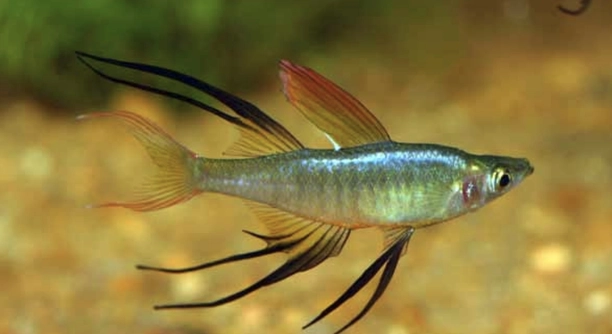
Do your threadfins seem restless whenever you rearrange your aquarium? Observing their behavior can be both fascinating and puzzling. These delicate fish react subtly to changes in their environment, offering insight into their adaptability.
Threadfins exhibit a moderate ability to adapt to changes in tank decor. They adjust swimming patterns and territory preferences gradually, often relying on familiar hiding spots while exploring new structures to maintain comfort and security in their habitat.
Understanding how threadfins respond to new decorations can help create a more harmonious aquarium environment. Their subtle adjustments reveal the balance between curiosity and caution in fish behavior.
How Threadfins Explore New Decorations
When I first rearranged my tank, I noticed my threadfins approaching new decor with caution. They would swim around unfamiliar rocks or plants, pausing at a safe distance before investigating further. Their fins fluttered lightly, signaling both curiosity and hesitation. Over a few days, I saw them gradually incorporate these new items into their usual swimming patterns. Threadfins often return to familiar spots to feel secure, but they also test new hiding places and perches. Observing this behavior showed me that their exploration is a careful balance of safety and curiosity. Their subtle movements, changes in speed, and occasional hovering near new objects indicate thoughtful assessment. Adjustments to tank decor can stimulate activity, encouraging threadfins to explore while maintaining comfort. This method of adaptation is natural and gradual, revealing how sensitive these fish are to environmental changes. Watching them adapt felt rewarding and highlighted the importance of careful placement in maintaining a healthy habitat.
Over time, their confidence grows, and new decorations become part of their routine without stress or aggression.
Each addition to the tank should be monitored. Threadfins’ cautious approach means sudden changes can cause stress. Introduce new elements gradually, and ensure familiar hiding spots remain accessible. Adjust decorations in stages, allowing the fish to familiarize themselves. Observing their behavior helps identify which placements encourage activity and which may cause anxiety. Noticing subtle shifts in swimming patterns and positioning provides insight into comfort levels. Creating a balance between old and new decor maintains stability while promoting natural exploration. Over weeks, threadfins integrate these changes into their environment seamlessly. Consistent observation ensures adjustments support their well-being.
Signs of Stress and Adjustment
Threadfins show clear indicators when stressed by changes in decor. Rapid swimming, hiding excessively, or avoiding certain areas can signal discomfort.
Monitoring their behavior closely is crucial when rearranging tanks. Stress signs include erratic movement, loss of appetite, or prolonged inactivity. Adjustments should be made slowly, keeping some familiar structures in place. Threadfins require time to assess new environments, and forcing interaction with unfamiliar objects can exacerbate stress. Using decorations that mimic natural habitats encourages exploration without overwhelming the fish. Repeated observation allows gradual adaptation, helping the fish feel secure. During this period, maintaining stable water conditions and consistent feeding schedules supports comfort. Over several weeks, most threadfins begin interacting confidently with new decor, reducing stress behaviors. The process highlights the importance of patience and thoughtful placement. Ensuring that decor changes do not block swimming paths or access to hiding spots is essential. By combining careful monitoring, gradual introduction, and environmental consistency, threadfins can adjust effectively to new tank setups. Observing these stages provides valuable insight into their behavior and needs, ultimately promoting a balanced, healthy aquarium environment.
Favorite Hiding Spots
Threadfins quickly find favorite hiding spots in a tank, often returning to the same areas after exploring. Rocks, plants, and shaded corners become reliable places where they feel safe and can observe their surroundings without stress.
Once my threadfins discovered a small cave-like structure, it became their most frequented spot. They lingered there during feeding times and after rearranging decorations. These favorite spots give them a sense of security, especially when new objects are added to the tank. Watching them retreat and then cautiously emerge shows how they balance curiosity with safety. Maintaining multiple hiding options throughout the tank encourages natural behavior while preventing overcrowding in one area. Observing their choices helped me understand which decorations truly support their comfort and which are less effective. By offering varied structures, the threadfins can rotate between preferred spots, keeping their environment stimulating yet secure.
Providing stable hiding places also helps reduce aggression and stress in a community tank. Threadfins often avoid confrontation by using these safe zones.
Interaction with Tank Mates
Threadfins adjust their behavior around tank mates based on the location of new decorations. They may temporarily avoid areas occupied by more dominant fish or choose alternative routes to navigate the tank.
In my experience, when I added tall plants, threadfins began weaving between them to avoid more assertive species. This behavior demonstrates their adaptability and awareness of both environment and companions. Over time, they gradually explore closer to dominant fish, using the new decorations as shields and visual breaks. Their cautious approach allows them to engage socially without risking conflict. Placement of structures can influence territorial boundaries, movement patterns, and feeding access. I noticed that rearranging decor sometimes encouraged shy individuals to be more active while maintaining personal space. Observing interactions showed how threadfins integrate environmental changes with social dynamics. Carefully considering tank layout can support harmony and reduce stress among all species.
Strategic decor placement improves confidence, safety, and overall activity levels, benefiting both threadfins and their tank mates.
Adjusting to Light and Shade
Threadfins respond quickly to changes in light levels caused by new decorations. Shaded areas under plants or taller structures become preferred resting spots during brighter periods.
Overhead lighting or reflective surfaces can make them cautious. They often linger in dimmer corners until they feel comfortable exploring open areas again.
Influence of Plant Density
Increasing plant density affects threadfins’ movement patterns. Dense areas provide shelter and security, encouraging exploration but also limiting swimming space. They navigate carefully through thick foliage, often pausing to assess surroundings before advancing. Gradually, they integrate these denser regions into their daily routines, balancing protection and activity. Placement of plants should allow clear paths for swimming while offering multiple cover options. Observing how they maneuver through different densities reveals their comfort levels and adaptability. Adjusting plant arrangements slowly helps threadfins acclimate without stress, promoting natural behavior. Well-planned plant layouts can reduce aggression, create visual interest, and enhance overall tank harmony.
Effects of Tank Rearrangement
Frequent rearrangement can cause initial hesitation, but threadfins typically adapt within a few days, resuming normal swimming and feeding behavior.
FAQ
How long does it take for threadfins to adapt to new tank decor?
Threadfins usually take a few days to a week to adjust, depending on the size and complexity of the changes. Smaller rearrangements, such as moving a plant or rock, often result in quicker adaptation. Larger changes, like adding new structures or rearranging hiding spots, may require more time. I noticed that when I added a cave and a tall plant cluster, my threadfins were cautious for three days, exploring slowly while frequently returning to familiar areas. Over time, they started incorporating these new spots into their swimming patterns and resting areas. Patience is key, and observing their behavior helps ensure they feel comfortable throughout the adjustment period. Gradual changes tend to reduce stress, while sudden, large modifications can cause prolonged hesitation or hiding.
Do threadfins prefer natural or artificial decorations?
Threadfins respond well to both, but they tend to favor decorations that mimic natural environments. Live plants, smooth rocks, and driftwood provide familiar textures and hiding spots. Artificial plants and ornaments can work if they offer shade or cover, but some threadfins may be cautious around bright or unfamiliar colors. I found that adding a mix of natural-looking artificial decor helped them feel secure while keeping maintenance easier. Texture and placement matter more than material; they prefer areas where they can retreat and observe the tank without feeling exposed. Observing how they interact with different types of decorations allowed me to adjust layouts to suit their preferences while keeping the tank visually appealing.
Can threadfins become stressed from too many decorations?
Yes, overdecorating a tank can create stress by limiting swimming space and causing confusion. Threadfins need a balance between open areas for swimming and hiding spots for security. I once added multiple tall plants and ornaments at once, and my threadfins spent most of the first day hiding. Gradually removing or rearranging some items restored their usual activity. Stress signs include rapid darting, staying in one corner, or avoiding feeding. Providing clear swimming paths and a mix of covered and open spaces helps them feel safe while encouraging exploration. Maintaining a thoughtful layout supports their natural behavior and overall health.
How can I tell if a threadfin is comfortable with a new decoration?
Comfortable threadfins explore new decor slowly and return to their usual routines. They hover near objects, swim around them without hesitation, and occasionally rest in shaded areas. I observed that once my threadfins consistently visited new hiding spots without prolonged pauses or retreating to familiar areas, they had adapted successfully. Signs of comfort include normal feeding, regular swimming, and occasional interaction with tank mates near the new structures. Patience and careful observation are essential to gauge adaptation. Adjustments can be made if they show hesitation or stress, but most threadfins will integrate new decorations over time.
Do threadfins interact differently with other fish when the tank is rearranged?
Yes, rearrangement can temporarily change social dynamics. Threadfins may avoid dominant fish or alter their swimming routes. I noticed that when I added a tall plant cluster, my threadfins used it as a shield to navigate near more assertive tank mates. Over days, they incorporated these new areas into their social behavior. Rearranging decor can encourage shy fish to become more active while providing escape routes during interactions. Monitoring these adjustments helps maintain harmony and ensures that all species in the tank feel secure. Thoughtful placement of decorations can support both activity and safety.
Should I rearrange decorations often or keep the tank stable?
Frequent changes are not necessary. Threadfins adapt best with occasional, gradual adjustments. I usually move one or two items at a time, allowing several days in between. This approach prevents stress while keeping the environment engaging. Stability in main hiding spots is important, while small, incremental changes can stimulate activity. Regular observation ensures the fish are comfortable and allows modifications if stress behaviors appear. Over time, careful rearrangement supports natural exploration without overwhelming them.
Can new decorations affect feeding behavior?
Yes, adding large or obstructive decorations can temporarily alter feeding patterns. Threadfins may avoid areas near unfamiliar objects until they feel secure. I observed that after adding a decorative rock cluster, my fish waited a few days before confidently swimming to feed near it. To maintain proper nutrition, ensure that feeding areas remain accessible and partially open. Gradual introduction of new decor allows threadfins to continue normal feeding routines while exploring changes safely. Proper placement ensures both security and access, minimizing disruption to their diet.
Are there decorations that should be avoided for threadfins?
Sharp or rough objects should be avoided, as they can injure delicate fins. Small decorations that can be easily overturned or swallowed are also unsafe. I replaced jagged ornaments with smooth rocks and driftwood, which allowed my threadfins to explore without risk. Decorations that block essential swimming paths or dominate the tank visually can cause stress. Selecting items that provide both shelter and open space ensures a balanced, safe, and stimulating environment. Thoughtful choices support health, comfort, and natural behavior.
How do threadfins respond to lighting changes with new decor?
New decorations can create shaded areas or reflect light differently, influencing behavior. Threadfins often use these shaded zones to rest and feel secure. I noticed that after adding tall plants and driftwood, my fish spent more time in dimmer spots until they felt confident exploring fully lit areas. Gradual lighting adjustments and maintaining familiar resting zones help them adapt without stress. Observing their movement patterns indicates comfort levels and allows fine-tuning of tank setup for optimal conditions.
Is there a best way to introduce new decorations?
Introducing decor gradually is most effective. Start with one or two items, monitor behavior, and add more over several days. I usually place new plants or rocks at the edges of the tank, allowing threadfins to investigate safely. Keeping familiar hiding spots accessible and maintaining water conditions helps reduce stress. Watching their interactions with new items guides future placement. Gradual introduction encourages exploration, supports comfort, and prevents abrupt changes that could overwhelm them. Consistent observation and patience ensure a smooth transition and a harmonious environment.
Final Thoughts
Observing threadfins adapt to changes in tank decor provides valuable insight into their behavior and needs. These fish are naturally cautious, yet curious, which shapes how they interact with new elements in their environment. Small adjustments in decorations can create noticeable changes in their movement patterns, hiding habits, and social interactions. When I first rearranged my tank, I noticed that threadfins spent more time near familiar spots, pausing frequently before approaching new areas. Over several days, they gradually incorporated the new objects into their routine, demonstrating a careful balance between exploration and safety. This pattern is common among threadfins and highlights their need for both secure hiding places and open swimming areas. By understanding these behaviors, aquarists can make thoughtful decisions about tank layout, ensuring that each change supports the fish’s comfort rather than causing unnecessary stress.
Threadfins respond well to gradual modifications. Large, sudden changes in decor can temporarily disrupt their normal activities, including feeding, swimming, and interaction with tank mates. I found that moving one or two items at a time allowed my fish to acclimate smoothly. They explore cautiously at first, using shaded or covered areas as temporary retreats while they assess new objects. Once they feel secure, they return to regular routines, incorporating new decorations into their daily patterns. Maintaining a combination of familiar and new elements encourages activity while preserving a sense of security. Careful attention to plant density, hiding spots, and swimming space supports natural behavior and reduces signs of stress. Observation is key; paying attention to how threadfins respond allows for adjustments to layout, placement, or lighting to improve overall well-being.
Consistency and patience are essential when managing a tank with threadfins. Providing varied yet stable decorations ensures that they have safe spaces to retreat while allowing for exploration and social interaction. Threadfins thrive in environments that balance security with stimulation, and their subtle responses to changes in decor can serve as a guide for aquarists. Observing their behavior over time helps identify preferences for hiding spots, favorite swimming routes, and interactions with tank mates. Small adjustments, gradual introductions, and careful monitoring support both comfort and engagement, creating a harmonious aquarium. Ultimately, understanding how threadfins adapt to their surroundings improves their quality of life and enhances the overall dynamics of the tank, allowing them to exhibit natural, healthy behaviors consistently.

Hello,
If you enjoy the content that we create, please consider saying a "Thank You!" by leaving a tip.
Every little bit helps us continue crafting quality advice that supports the health, happiness, and well-being of pets around the world, for pets of all shapes, sizes, and species.
We really appreciate the kindness and support that you show us!