
Have you ever found yourself imagining how certain fish might behave if placed in an environment with no sound at all?
Threadfins in a silent room would likely respond by heightening their sensitivity to movement and subtle vibrations. Since these fish naturally rely on detecting environmental cues, the absence of sound would encourage them to adapt by focusing more strongly on water displacement and body language within the space.
There is more to understand about how silence could shape their reactions, from communication to adaptation, creating a unique perspective on their behavior.
Threadfins and Their Sensitivity to Silence
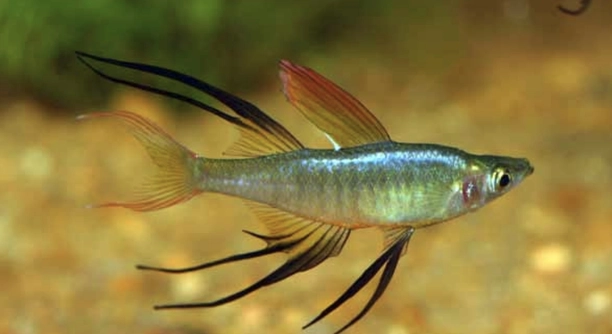
Threadfins are naturally perceptive fish, known for their delicate fins and graceful swimming. When placed in silence, their reactions become centered on heightened awareness. Without the presence of background sounds, they begin to lean more heavily on subtle vibrations and shifts in the surrounding water. This adaptation demonstrates how resilient they are, as they find ways to maintain balance and security. Silence may not feel natural to them, but it highlights how deeply their senses guide their behavior. For these fish, every movement in water becomes a message, showing that sound is only one part of their communication.
Their actions reveal how silence can be more than absence; it becomes another way of shaping awareness in aquatic life.
This perspective gives us a closer look at how adaptable threadfins can be, reminding us that even the absence of sound can create meaningful patterns in their daily behavior.
Behavioral Adaptations in Quiet Environments
Threadfins thrive by adapting, and silence does not hinder them but encourages deeper reliance on their finely tuned senses.
In quiet environments, threadfins show their resilience by adjusting how they interact with the water and one another. Their elongated fins play an important role here, as they are sensitive enough to pick up on the smallest displacements. This allows them to recognize when another fish is nearby, even without the aid of sound. They can interpret changes in flow, temperature, or direction, giving them a broader understanding of their space. Silence amplifies these traits, showing how instinct drives survival. Instead of remaining passive, they become more observant and cautious, ensuring that they maintain harmony. This adaptation reflects an underlying truth about aquatic life: silence does not mean inactivity. It can instead highlight the depth of their abilities, creating a setting where communication happens in more subtle yet equally important ways.
Communication Without Sound
Threadfins rely on visual signals and body language when sound is absent. Subtle movements of their fins and shifts in position allow them to maintain awareness and connection with each other in the silent environment.
Their long, delicate fins act as a form of silent communication. A quick flick or a slow sway conveys messages to nearby fish, letting them understand intent without sound. This reliance on body signals shows how effective non-verbal communication can be, even in aquatic life. Silence sharpens these signals, making them more noticeable and meaningful.
Observing them in silence reveals how carefully they coordinate movement. Instead of chaotic swimming, their paths seem measured and responsive. Each action is shaped by the reactions of others, forming a natural rhythm. This silent coordination allows them to avoid conflict, remain cohesive, and display remarkable sensitivity to each other’s presence.
Environmental Impact on Behavior
Silence can heighten sensitivity in threadfins, but environmental factors still play a strong role in shaping their actions. Water temperature, clarity, and space affect how they react and communicate, even in a soundless setting.
When threadfins are kept in clear, calm water, silence amplifies their ability to notice even the smallest movements. Their fins detect displacements that may otherwise go unnoticed, keeping them alert to changes in their environment. However, when water is crowded or murky, silence makes their task harder. Without sound, their reliance on vision and fin detection becomes limited, forcing them to adapt further. This balance shows that silence alone does not define their behavior. Instead, it works alongside other elements to shape responses. Their adaptability highlights how closely their survival is tied to their surroundings, proving that threadfins are not only sensitive but also remarkably flexible in their reactions.
Silent Adaptation in Groups
Threadfins in groups adjust quickly when sound is removed. They rely on synchronized swimming, using fin movements to guide one another. This shared rhythm helps them remain connected and secure, even without sound.
Their collective awareness strengthens in silence. Each fish becomes more responsive, ensuring group stability. This adaptation keeps them balanced, reduces stress, and allows smoother communication. Silent conditions transform their behavior into a cooperative display of harmony and attentiveness.
Stress Levels in Quiet Spaces
Silence can reduce overstimulation for threadfins, but it may also introduce stress if other environmental needs are unmet. Without sound, their focus narrows to vibrations and movements. If water quality or space is poor, this increased sensitivity heightens discomfort. Observing their responses reveals how silence interacts with stress.
Natural Rhythm of Silence
Threadfins show that silence does not strip away communication but reshapes it. Their natural rhythm becomes clearer, guided by movement and sensitivity rather than sound. This ability reflects adaptability, showing how even silence becomes an active part of their behavior.
FAQ
How do threadfins communicate without sound?
Threadfins communicate through visual cues and fin movements. Each flick or sway of their long fins conveys subtle messages to nearby fish. They interpret these signals to coordinate movement, maintain social bonds, and avoid conflict. Silence enhances the clarity of these gestures, making them more noticeable and meaningful.
Do threadfins become stressed in silent environments?
Stress levels can vary. Silence itself does not automatically cause stress, but heightened sensitivity to movement may increase anxiety if water conditions are poor. Clear, calm water and sufficient space help threadfins feel secure. They adapt by relying on vibration detection and visual cues, balancing alertness with comfort.
Can threadfins detect predators without sound?
Yes. Their fins and lateral lines pick up changes in water movement. Sudden shifts or vibrations alert them to potential threats. In silence, this ability becomes more important because they cannot rely on auditory cues. It allows them to react quickly and maintain safety in unfamiliar or quiet spaces.
How do threadfins behave differently in groups when it is silent?
Groups of threadfins synchronize their swimming patterns more carefully without sound. Each fish watches the movements of others, responding to fin signals and body shifts. This coordination prevents collisions, reduces confusion, and maintains cohesion, showing how silence encourages collective attentiveness and precise, cooperative behavior.
Will threadfins stop moving if there is complete silence?
No, silence does not stop their activity. Instead, they become more attentive to environmental cues like water flow, vibrations, and visual signals. Movement continues, but it is often more measured and deliberate, reflecting careful observation and reliance on non-auditory senses.
How long does it take for threadfins to adapt to a silent room?
Adaptation can occur within hours to days. Initially, they may appear cautious or hesitant. Over time, they increase reliance on visual cues and vibration detection. Gradually, normal patterns of swimming, foraging, and interaction resume, showing their flexibility and resilience in adjusting to new conditions.
Are threadfins more alert in silence than in normal environments?
Yes, silence often heightens alertness. With fewer auditory distractions, threadfins focus more on subtle water movements and body language. This increased attentiveness helps them detect both opportunities, like food, and potential threats. It is a natural adjustment that enhances their awareness and responsiveness.
Do environmental factors change the way threadfins respond to silence?
Absolutely. Water clarity, temperature, space, and current all influence reactions. Clean, calm, and spacious water allows them to use fin and visual cues effectively. Crowded or murky conditions can increase stress, limit movement, and reduce the effectiveness of silent communication, showing that their adaptation depends on more than just sound.
Can silence improve threadfins’ social interactions?
In many cases, yes. Without competing noises, their visual and vibrational signals become clearer. Fish can respond more accurately to one another’s movements, reducing conflict and improving coordination. Group swimming becomes more harmonious, and interactions appear more intentional and precise, highlighting the role of silence in enhancing social behavior.
Do threadfins rely on other senses more in silence?
Definitely. They rely heavily on sight, fin sensitivity, and lateral line detection. These senses allow them to interpret movements and vibrations around them. In a silent room, these abilities take center stage, ensuring survival, communication, and adaptation remain effective despite the absence of sound.
Can threadfins’ feeding behavior change in silence?
Yes. Feeding may become slower or more cautious initially, as they rely on movement and vibrations to locate food. Over time, they adjust, coordinating approaches and detecting food without relying on auditory cues. This demonstrates their capacity to maintain essential behaviors in changing environments.
Is silence harmful to threadfins over time?
Generally, silence alone is not harmful if other environmental conditions are met. Proper water quality, adequate space, and normal care ensure their health. Long-term effects are minimal, as they adapt to rely on non-auditory senses, showing resilience and the ability to thrive even in quiet conditions.
Do threadfins interact differently with other species in silence?
Interactions with other species may become more cautious. They rely on visual recognition and water movement to assess unfamiliar fish. Silence emphasizes these cues, allowing threadfins to make informed decisions about approaching or avoiding other species. Their behavior is careful but adaptive, maintaining balance in mixed environments.
How can owners support threadfins in a silent setup?
Owners should provide clear, calm water, sufficient space, and environmental enrichment. Observing movements closely can ensure fish are adapting well. Monitoring stress indicators, such as erratic swimming or isolation, helps maintain health. A quiet room can enhance their natural abilities, provided other care factors are addressed properly.
Do threadfins prefer silent environments over normal ones?
Preference varies. Some may appear calmer in silence, while others initially respond cautiously. Their adaptability allows them to thrive in both settings. Over time, most adjust comfortably, demonstrating flexibility and the ability to use alternative senses effectively in the absence of sound.
How can observation of threadfins in silence inform research?
Observing behavior in silence highlights reliance on non-auditory senses, coordination, and social dynamics. It provides insight into adaptability, sensory prioritization, and environmental interaction. Researchers can learn how threadfins adjust communication, stress responses, and movement patterns, offering broader understanding of aquatic behavior and survival strategies.
Do silent environments affect breeding in threadfins?
Silence can influence courtship and spawning behaviors, primarily through visual cues and body movement. They continue normal breeding patterns if other conditions, like water quality and nutrition, are suitable. Reduced auditory distraction may allow more precise interactions during mating displays, showing that reproduction adapts alongside communication changes.
Can threadfins teach us about sensory adaptation?
Yes. Their ability to adjust to silent conditions demonstrates the importance of alternative senses in survival. By studying their responses, we learn how animals prioritize sensory information, maintain social cohesion, and adapt to environmental changes, highlighting the versatility and intelligence present in aquatic species.
Are threadfins’ nighttime behaviors different in silence?
Nighttime activity may be more subtle. They rely on low-light vision and fin sensitivity rather than sound. Movements tend to be slower and deliberate, ensuring safety and coordination. Silence at night emphasizes these adaptations, showing their continuous awareness and reliance on alternative senses regardless of time.
Do threadfins ever use sound in communication?
While they can produce minor sounds, it is not their primary mode of communication. Visual cues, fin movement, and water vibrations remain most effective. Silence simply shifts their attention toward these dominant senses, showing their communication system is flexible and resilient.
How quickly can threadfins readjust if sound returns?
They adjust rapidly. Once sound is present, they incorporate it alongside visual and vibrational cues. Their behavior remains coordinated, but sound may enhance responsiveness and efficiency, complementing rather than replacing the senses developed during silent periods.
Do all threadfins react the same way to silence?
Reactions vary slightly by individual and group dynamics. Some adapt more quickly, while others are cautious. Differences can depend on age, health, and prior exposure. Despite variation, most threadfins demonstrate the ability to adjust, showing strong adaptability and consistent use of visual and vibrational communication.
Can silence affect aggression levels?
Silence often reduces aggression. Visual and vibrational cues are easier to interpret, allowing fish to anticipate movements and avoid conflict. Reduced misunderstandings help maintain harmony, showing how absence of sound can positively influence social stability and cooperation.
What long-term observations are recommended in silent environments?
Monitoring swimming patterns, social interactions, feeding behavior, and stress indicators is essential. Observing over weeks helps identify adaptation progress and ensures health. Recording subtle fin and body movements provides insight into communication strategies, coordination, and overall well-being in sustained silence.
Does silence influence exploration behavior in threadfins?
Exploration may slow initially as fish rely on vibrations and sight rather than sound. Once acclimated, they move confidently, investigating surroundings carefully. Silence enhances sensitivity, allowing them to detect changes and navigate efficiently, demonstrating balance between caution and curiosity.
Are there specific signs that threadfins struggle in silence?
Signs include erratic swimming, frequent hiding, reduced feeding, and lack of social interaction. These indicate stress or difficulty adapting. Adjusting environmental factors like space, water quality, and enrichment can help mitigate issues and support healthy adaptation.
Do younger threadfins adapt differently than adults?
Younger fish may be more reactive initially, learning to interpret cues quickly. Adults rely on experience and established behaviors, adapting through observation. Both show strong adaptability, but juveniles often demonstrate quicker experimentation with silent communication methods.
Can threadfins still display play-like behavior in silence?
Yes, play-like swimming and coordinated interactions continue. Silence encourages subtle, deliberate activity, focusing on movement and social cues. Play remains a part of their behavior, reinforcing coordination, exploration, and group cohesion.
Is it possible for threadfins to misinterpret cues in silence?
Misinterpretation can occur if water is crowded, murky, or overly turbulent. They may respond incorrectly to movements or vibrations. Ensuring clear, calm conditions reduces errors and supports accurate communication, allowing them to adapt effectively even without sound.
How important is light in silent environments?
Light is crucial. It enables visual communication and navigation. In dim conditions, reliance on fin sensitivity increases. Proper lighting ensures that non-auditory cues remain effective, supporting movement, coordination, and social interaction in silence.
Can threadfins thrive long-term in silent habitats?
Yes, provided environmental conditions are suitable. They adapt by enhancing other senses, maintaining feeding, social interaction, and breeding. Silence does not hinder survival but encourages a shift in communication and awareness, demonstrating their resilience and capacity for long-term adjustment.
Do silent environments affect energy expenditure?
Energy use may initially increase due to heightened alertness. Over time, measured movements and efficient coordination reduce unnecessary activity. This balance ensures that adaptation to silence does not create long-term strain while maintaining responsiveness and survival skills.
How do owners monitor adaptation progress?
Observing swimming patterns, feeding, and social interaction provides insight. Recording fin movements and group coordination helps track progress. Consistent checks of water quality and space ensure environmental factors support healthy adjustment, allowing owners to maintain well-being in a silent habitat.
Can silence reveal new behaviors in threadfins?
Yes. Without sound, subtle communication methods and coordinated movements become more noticeable. Observers can see intricate social dynamics, heightened sensitivity, and adaptive strategies that are less obvious in noisy or standard environments, providing a clearer picture of natural behavior.
Is there a risk of overstimulation in silent environments?
Overstimulation is unlikely if conditions are stable. Silence allows fish to focus on relevant cues. However, excessive movement, crowding, or poor water quality can create stress, emphasizing that silence works best alongside proper care and environmental stability.
Do threadfins ever ignore visual cues in silence?
They may temporarily hesitate if cues are ambiguous or unfamiliar. Generally, they rely heavily on sight and fin sensitivity, interpreting visual information to guide behavior. Hesitation is part of adaptation and diminishes as they gain confidence in reading their surroundings.
How does silence affect territorial behavior?
Territoriality may decrease. Clear, interpretable visual and vibrational cues allow threadfins to navigate space without conflict. Boundaries are respected more effectively, showing that silence can encourage cooperative use of shared space and reduce aggression in groups.
Can threadfins communicate complex ideas silently?
Complex communication is limited to movement and fin signals, but it is effective within the species. Coordinated swimming, positioning, and subtle gestures convey information about food, threats, and social structure, demonstrating that even silent communication can carry meaningful content.
Do threadfins need human intervention in silent rooms?
Minimal intervention is needed if water, space, and enrichment are appropriate. Observation ensures health and adaptation. Owners primarily provide stable conditions while allowing fish to rely on natural senses for communication, movement, and interaction.
Does silence enhance learning in threadfins?
Yes. Focus on visual and vibrational cues can accelerate recognition of patterns, food locations, and social behaviors. Silence reduces distractions, allowing concentrated observation and faster adjustment to environmental and social changes.
How long should threadfins remain in a silent environment for research or observation?
Duration depends on purpose. Short-term exposure reveals adaptation strategies and communication methods. Long-term studies should ensure stable conditions, monitoring health and social interaction to avoid stress while capturing behavioral trends and sensory reliance.
Do threadfins form stronger bonds in silence?
Bonding may improve due to clearer communication. Visual and vibrational signals become easier to interpret, allowing cooperative behavior and reduced conflict. Silence reinforces social structure and group cohesion, showing that absence of sound can enhance interaction quality.
Are threadfins more cautious in silence?
Yes, especially initially. They assess movements and vibrations more carefully, reducing risk of collisions or conflict. Caution decreases as confidence grows, demonstrating flexibility in adapting behavior based on environmental cues.
Can silence affect reproductive success?
Proper conditions support normal breeding. Visual and movement cues guide courtship, and reduced noise may improve coordination during mating displays. Silence does not hinder reproduction but can influence the precision and timing of interactions.
Do threadfins change sleep patterns in silent rooms?
Sleep patterns remain largely consistent. They rely on light and water cues rather than sound for circadian rhythms. Silence may slightly heighten alertness during rest, but it does not disrupt normal sleep cycles if the environment remains stable.
How do threadfins handle sudden disturbances in silence?
Responses are rapid. They detect vibrations and movement immediately, allowing quick evasion or group coordination. Silence enhances sensitivity, so sudden changes are often noticed faster, demonstrating the effectiveness of alternative sensory reliance.
Can threadfins thrive in both silent and noisy environments?
Yes. Their adaptability allows effective functioning in varying conditions. They prioritize different senses based on environment, using sound when available and visual or vibrational cues in silence, demonstrating versatile communication and survival skills.
Do threadfins ever become passive in silence?
Temporary passivity may occur during initial adjustment. Caution and observation dominate behavior at first. Over time, normal activity resumes, showing that passivity is a transitional response rather than a permanent effect of silence.
Is there a difference between individual and group adaptation?
Individuals may react more cautiously, while groups benefit from shared observation and coordinated movement. Group dynamics enhance adjustment speed and social stability, while individual fish rely on heightened attention to cues, showing complementary adaptation strategies.
Do environmental enrichments affect adaptation to silence?
Yes. Structures, plants, or objects provide reference points and stimulation. They help fish navigate, explore, and communicate more effectively, supporting learning and reducing stress, making silence easier to tolerate.
Can threadfins maintain hierarchy in silence?
Hierarchy persists. Visual and vibrational cues allow recognition of dominant and subordinate fish. Absence of sound does not disrupt social structure but encourages reliance on other communication forms to reinforce roles.
How do feeding routines adapt in silence?
Fish may initially slow approaches to food, relying on fin and visual cues. Over time, coordinated feeding patterns emerge, showing careful attention to signals from others, maintaining efficiency and safety during mealtime.
Do threadfins show curiosity in silence?
Yes, curiosity persists but is tempered by caution. They investigate changes and novel objects using visual and vibrational senses, balancing exploration with safety. This highlights the adaptability of their sensory strategies.
Are some species of threadfins more sensitive to silence than others?
Sensitivity can vary by species. Differences in fin structure, lateral line development, and social behavior affect reliance on non-auditory cues. Observing multiple species shows varied strategies and flexibility in adapting to silent conditions.
Can threadfins’ health be monitored through silent behavior?
Yes. Activity levels, social interaction, and responsiveness to cues reveal well-being. Reduced movement, poor coordination, or isolation can indicate health issues, showing that behavior in silence is a useful monitoring tool.
Does silence affect lifespan?
When environmental needs are met, silence does not negatively impact lifespan. Proper care, nutrition, and conditions allow threadfins to thrive, demonstrating that sound is supplementary rather than essential for long-term survival.
Do threadfins recognize humans in silence?
Recognition is primarily visual. They notice movement and presence, responding to feeding or interaction cues. Silence does not impair this ability, showing that visual and vibrational signals remain effective for human interaction.
Can threadfins adapt back to noisy environments after extended silence?
Yes. They integrate sound cues with visual and vibrational signals, resuming normal activity and communication patterns. Adaptability remains strong, showing flexible sensory prioritization.
Is there a difference in how males and females adapt to silence?
Differences are subtle. Both sexes rely on the same sensory cues, but males may display more pronounced courtship signals, while females focus on observation and coordination. Overall adaptation is similar, with minor variations in behavior emphasis.
Do threadfins ever ignore each other in silence?
Temporary inattention may occur during initial adaptation or distraction. Generally, social cohesion remains strong, with individuals quickly responding to relevant visual or vibrational cues, maintaining group stability.
How can research on threadfins in silence benefit aquaculture?
Understanding adaptation, communication, and stress responses informs tank design, care practices, and group management. Applying these insights supports healthier, more resilient populations in controlled environments, enhancing both welfare and efficiency.
Are threadfins naturally more sensitive than other fish species?
They are particularly attuned to fin and lateral line cues, making them highly responsive to subtle environmental changes. This sensitivity allows effective adaptation to silent conditions and provides insight into specialized aquatic sensory strategies.
Do threadfins show long-term behavioral changes after silent exposure?
Long-term exposure can reinforce reliance on visual and vibrational cues. Once sound is reintroduced, these adaptations remain useful, showing lasting flexibility and enhanced sensory awareness.
Can silence influence group decision-making in threadfins?
Yes. Without sound, coordination relies on observed movements. Decisions about direction, foraging, or avoidance become more deliberate and precise, reflecting stronger visual and vibrational communication within the group.
Do threadfins react differently to artificial versus natural silence?
Reactions are similar, provided environmental conditions remain stable. The key factor is the absence of distracting sounds, rather than origin. Consistent water quality, space, and lighting ensure effective adaptation regardless of silence type.
Are threadfins capable of teaching younger fish in silent environments?
Indirectly, yes. By demonstrating coordinated movement, feeding, and social cues, older fish provide models for juveniles to observe and imitate. Visual and vibrational signals guide learning in the absence of sound.
Can silent environments enhance observational studies of threadfins?
Absolutely. With reduced auditory distraction, subtle movements, fin gestures, and group interactions become easier to observe. This allows researchers to study communication, coordination, and adaptation in greater detail.
Do threadfins ever create new behaviors in silence?
New behaviors may emerge, such as refined
Final Thoughts
Threadfins are remarkable fish that show a high level of adaptability. In silent environments, they rely less on sound and more on their other senses, such as sight and sensitivity to water movements. Their long, delicate fins and lateral lines allow them to detect even the smallest changes around them. This heightened awareness helps them maintain balance, avoid collisions, and respond quickly to potential threats. Over time, these adaptations become more refined, showing that silence does not hinder their behavior but instead shifts the way they interact with their surroundings. By observing threadfins in quiet conditions, it becomes clear how resilient and flexible they can be, using alternative communication methods to coordinate swimming, establish social bonds, and navigate their environment safely and efficiently.
Silence also affects social dynamics among threadfins. In groups, they adjust their movements carefully to maintain cohesion, using fin gestures and subtle body movements to communicate. This coordinated behavior reduces conflict and encourages harmony within the group. Individual fish may appear more cautious at first, but they quickly learn to rely on visual and vibrational cues to understand each other’s intentions. Even in quiet conditions, feeding, exploration, and play-like behavior continue, demonstrating that threadfins do not stop their normal routines. Instead, their routines evolve, becoming more deliberate and focused. By paying attention to their interactions, we can see the ways in which silence shapes social behavior and enhances the clarity of communication. It is an example of how environmental changes influence behavior, highlighting the importance of sensory flexibility for survival and well-being.
Adapting to a silent environment requires some observation and understanding from caretakers. Providing clear water, adequate space, and proper lighting ensures that threadfins can use their senses effectively. Stress can be minimized when these conditions are met, allowing the fish to thrive and maintain normal activities. Over time, they develop patterns of movement and coordination that reflect both individual adaptation and group cooperation. Observing threadfins in silence offers valuable insight into their behavior, revealing how environmental changes influence communication, alertness, and interaction. It also emphasizes the importance of respecting their natural abilities and needs. By understanding these patterns, we can better support their health and ensure they continue to thrive, whether in research settings or home aquariums. Silence, rather than being a limitation, becomes a tool that allows threadfins to display their remarkable adaptability, resilience, and intricate social behavior.

Hello,
If you enjoy the content that we create, please consider saying a "Thank You!" by leaving a tip.
Every little bit helps us continue crafting quality advice that supports the health, happiness, and well-being of pets around the world, for pets of all shapes, sizes, and species.
We really appreciate the kindness and support that you show us!