
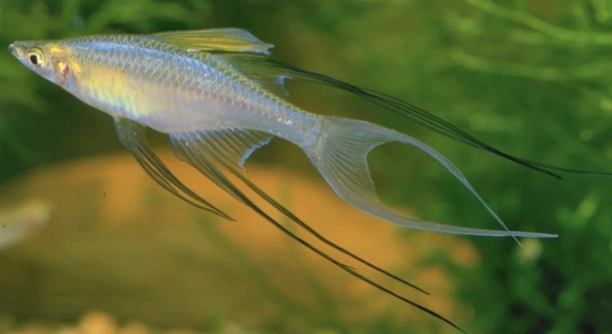
Have you ever noticed your threadfins swimming in sudden bursts of energy, leaving you wondering why their movements shift so unexpectedly in the water?
Threadfins may swim in sudden spurts due to various causes such as environmental stress, dietary imbalance, oxygen fluctuations, or health concerns. Understanding these factors allows aquarists to maintain healthier conditions, promoting consistent and stable swimming behavior.
Recognizing these possible causes will help you provide the right care while supporting your threadfins’ comfort, balance, and overall aquatic well-being.
Stress from Environmental Changes
Threadfins are highly sensitive to changes in their environment, and sudden shifts often cause erratic swimming. Rapid fluctuations in water temperature, sudden tank movements, or loud noises can startle them, leading to quick spurts across the aquarium. These conditions can trigger instinctive escape behaviors, as threadfins naturally react to threats with swift bursts of energy. Stress weakens their ability to maintain normal swimming patterns and may also reduce their immune response over time. To avoid unnecessary stress, it is essential to provide a consistent and calm environment, ensuring stable water parameters and minimal disruptions to their daily rhythm.
Maintaining consistency in lighting schedules and water conditions can reduce unexpected stress, helping your threadfins swim calmly and behave more naturally.
When environmental stress becomes routine, your fish may begin associating their surroundings with constant threat. This can result in chronic stress, stunted growth, or weakened immunity. By ensuring their habitat remains peaceful and steady, you support both their immediate comfort and long-term health. Establishing regular care routines, such as checking filters, monitoring temperature daily, and maintaining a quiet tank location, helps prevent unnecessary stress responses. Threadfins thrive when they feel secure, and their swimming reflects the overall balance of their environment.
Dietary Imbalances
A poor diet often leads to sudden bursts of energy, as threadfins may experience nutrient deficiencies that affect muscle control and swimming stability.
Threadfins require a balanced diet rich in proteins, vitamins, and minerals to regulate their swimming and maintain proper health. Inadequate nutrition can lead to erratic behavior, as deficiencies affect their energy levels and muscular functions. Overfeeding or relying too heavily on low-quality foods often disrupts digestion, leading to restlessness and spurt-like swimming. Offering a varied diet that includes quality flakes, live or frozen foods, and plant-based nutrients ensures they receive the support needed for balanced movement. Regular feeding schedules are equally important, as irregular meals may cause energy fluctuations that trigger sudden bursts. Monitoring food quality and observing your fish during feeding times can highlight potential issues before they affect overall health. A well-balanced approach to diet not only prevents erratic swimming but also strengthens their resilience, coloration, and vitality.
Oxygen Fluctuations
Low oxygen levels in the water often cause threadfins to swim erratically, with sudden bursts of speed as they struggle to breathe comfortably and maintain normal movement patterns in their aquatic environment.
Oxygen is vital for threadfins, and fluctuating levels directly affect their swimming. When oxygen decreases, they may dart around quickly, seeking areas with better circulation. This behavior signals discomfort and the need for immediate adjustments. Proper aeration through air stones, surface agitation, or reliable filtration helps maintain stability. High temperatures often reduce oxygen levels, so keeping the water within a safe range is equally important. Observing your fish closely during these moments allows you to recognize the signs early, ensuring corrective action before the condition worsens. Regular water checks provide reassurance that oxygen remains sufficient for healthy, stable swimming.
Improper tank setups often reduce oxygen flow, leading to unpredictable bursts. Crowding the tank with too many fish or excessive decorations restricts water movement, preventing oxygen from circulating effectively. This can leave threadfins struggling, forcing them into sudden swimming spurts as they try to adapt. Removing obstructions and ensuring balanced stocking levels helps create a healthier habitat. By combining proper aeration, filtration, and adequate space, you can maintain stable oxygen levels that keep your threadfins calm and balanced. Consistency in these practices makes a noticeable difference in their comfort and swimming stability.
Water Quality Issues
Poor water quality leads to sudden, restless swimming in threadfins as they react to irritants or toxic substances present in the tank environment. Maintaining cleanliness and balance is necessary to prevent stress-driven spurts.
Water conditions directly influence threadfins’ health and swimming behavior. High levels of ammonia, nitrite, or nitrate irritate their gills and nervous system, causing erratic movement. Even slight imbalances in pH or hardness can affect their stability. Consistent testing with reliable kits ensures early detection of these issues before they impact behavior. Performing partial water changes weekly helps keep parameters in check, while careful cleaning prevents harmful chemical build-up. Overfeeding often worsens waste levels, making careful feeding schedules equally important. By focusing on balanced water quality, you reduce the chances of erratic swimming while supporting their long-term comfort and health. Monitoring closely creates a more stable environment.
Territorial Behavior
Threadfins may swim in sudden spurts when defending territory within the tank. Quick dashes often occur as they establish boundaries or react to other fish invading their preferred space.
This behavior becomes more noticeable in crowded tanks, where competition is higher. Providing ample space and hiding spots can reduce tension and aggressive spurts.
Illness or Parasites
Health issues often trigger erratic swimming, as parasites or infections affect threadfins’ balance and comfort. Symptoms such as flashing against surfaces, clamped fins, or reduced appetite usually accompany these sudden movements. Identifying these signs early allows treatment to begin before conditions worsen. Using quarantine tanks helps prevent spreading illness, while routine observation ensures subtle changes are caught quickly. Medications, water treatments, and professional guidance may be necessary depending on the severity. Consistent monitoring, coupled with clean tank conditions, greatly reduces the likelihood of diseases taking hold. Keeping a close eye on swimming behavior is an effective early warning tool.
Breeding Behavior
During breeding periods, threadfins may display sudden spurts of swimming as part of courtship or nest defense. These bursts are temporary and usually settle once the breeding process is complete.
FAQ
Why do my threadfins suddenly dash across the tank?
Threadfins often dash across the tank due to stress, water quality issues, or environmental changes. Quick spurts are usually their way of reacting to discomfort or sudden disturbances. Observing when these bursts happen helps identify the trigger, making it easier to resolve the issue.
Can poor water conditions make threadfins swim erratically?
Yes, poor water conditions strongly influence their swimming behavior. Ammonia, nitrite, or nitrate imbalances irritate their gills, leading to sudden movements. Even minor changes in pH or temperature can unsettle them. Maintaining stable, clean water is essential for reducing erratic behavior and supporting overall health.
Do threadfins swim in spurts when they are sick?
Illness is a common cause of sudden movements. Parasites, bacterial infections, or fungal issues may irritate them, leading to restless swimming. Other symptoms such as flashing, clamped fins, or lethargy often accompany this behavior. Prompt treatment is important to prevent worsening conditions or spreading infections to other fish.
Can oxygen levels affect threadfins’ swimming?
Low oxygen levels make threadfins restless and cause them to dart around the tank. This behavior reflects their search for more oxygenated areas. Increasing aeration through air stones, surface agitation, or proper filtration helps stabilize oxygen, ensuring consistent swimming patterns and healthier fish.
Are threadfins naturally active swimmers?
Threadfins are naturally graceful swimmers, but they do not usually dash around without reason. Their movements should appear smooth and steady. Sudden bursts are not typical unless triggered by stress, breeding activity, or external disturbances. Recognizing the difference between normal activity and stress-driven spurts is key.
Does diet play a role in sudden swimming bursts?
Diet plays a significant role. A poor or unbalanced diet may cause energy spikes or deficiencies that affect swimming stability. Overfeeding can also increase restlessness due to digestion issues. Providing a balanced variety of quality flakes, live, and plant-based foods helps maintain calm and steady movement.
Why do threadfins dash more during breeding periods?
Breeding behavior explains temporary bursts of swimming. Males may chase females or dart around defending territories or nests. This activity is usually short-lived and should not be a concern unless paired with signs of stress. Adequate space ensures less aggression and smoother breeding behavior.
Can overcrowding cause erratic swimming?
Yes, overcrowding increases stress and competition, leading to sudden bursts of activity. Limited space forces threadfins to defend territory or avoid aggressive tank mates. Ensuring proper stocking levels and adding hiding areas reduces pressure, allowing them to swim more calmly and comfortably.
What should I do if my threadfins keep swimming in spurts?
The first step is to test water conditions for imbalances in ammonia, nitrites, nitrates, or pH. Check oxygen levels and temperature as well. Observe their diet, feeding habits, and interactions with other fish. Addressing these areas usually resolves the issue before it becomes more serious.
Are threadfins more sensitive than other fish?
Threadfins are indeed more sensitive compared to some species. Their delicate nature makes them quick to react to environmental changes, stress, or poor water conditions. This sensitivity requires careful monitoring and consistent maintenance to ensure they remain healthy and swim with natural, steady patterns.
Do threadfins outgrow sudden spurts over time?
Sudden spurts are not always a permanent behavior. If caused by temporary stress, illness, or breeding, the behavior may decrease once the condition improves. However, without resolving the underlying cause, the pattern may persist and negatively impact long-term health.
How often should I check for issues causing erratic swimming?
It is best to check water quality weekly while observing their behavior daily. Small changes in swimming patterns often serve as early signs of stress or health issues. Consistent monitoring makes it easier to address problems early and maintain stable conditions.
Can lighting changes make threadfins swim erratically?
Sudden changes in lighting may startle threadfins, causing them to dart across the tank. Bright, harsh lights or irregular light schedules can stress them further. Maintaining gentle, consistent lighting helps reduce sudden spurts and keeps their swimming smooth and relaxed.
Do threadfins need hiding places to prevent sudden bursts?
Yes, hiding places such as plants, caves, or driftwood provide comfort and security. When threadfins feel exposed, they may react with sudden bursts of swimming. Providing these safe spaces reduces anxiety, encourages natural movement, and creates a healthier balance within the aquarium.
Can sudden movements outside the tank affect threadfins’ swimming?
External disturbances, such as loud noises or quick motions near the tank, often cause threadfins to dart suddenly. Their instinct is to flee perceived threats. Placing the tank in a calm, low-traffic area reduces these triggers and allows them to remain more settled.
How can I tell if the sudden spurts are serious?
If the bursts are occasional and linked to feeding, breeding, or brief disturbances, they may not be serious. However, frequent spurts accompanied by other symptoms like lethargy, loss of appetite, or visible spots on the body signal an underlying issue requiring attention.
Final Thoughts
Threadfins are delicate fish, and their sudden spurts of swimming should not be ignored. While these bursts can sometimes be harmless or linked to natural behaviors such as breeding, they often signal that something in their environment needs attention. Stress, poor water quality, fluctuating oxygen levels, or dietary issues are among the most common causes. Recognizing these factors and addressing them promptly is the key to maintaining a balanced and healthy tank. By observing your threadfins closely, you gain insight into what might be disturbing them, and you can take immediate steps to restore comfort and stability. Small changes, such as testing water regularly or adjusting the tank layout, can have a significant impact on their overall well-being.
Consistency is especially important when caring for threadfins. They are highly sensitive to sudden changes, so keeping water parameters steady, feeding them a varied diet, and maintaining a calm environment makes a noticeable difference. Aeration, proper filtration, and the right tank mates all help to reduce stress and keep their movements smooth and natural. Their tendency to react quickly to small disturbances can be minimized with steady care and a routine that feels predictable. Threadfins thrive best in aquariums where balance is prioritized, and even the smallest details, such as lighting schedules or water temperature, are managed with care. This consistency helps prevent erratic swimming and supports their long-term health.
Caring for threadfins is rewarding because their natural beauty shines when they feel secure in their environment. Their graceful swimming patterns, vibrant colors, and calm nature are at their best when stress and discomfort are minimized. Paying attention to their signals allows you to act before problems escalate, protecting both their health and the harmony of the aquarium. The effort you invest in understanding their needs will result in a more peaceful and balanced tank. By addressing the causes behind their sudden spurts of swimming, you not only ensure their comfort but also create an environment where they can thrive. A healthy, well-maintained habitat reflects in their behavior, making them a joy to watch and care for each day.

Hello,
If you enjoy the content that we create, please consider saying a "Thank You!" by leaving a tip.
Every little bit helps us continue crafting quality advice that supports the health, happiness, and well-being of pets around the world, for pets of all shapes, sizes, and species.
We really appreciate the kindness and support that you show us!