
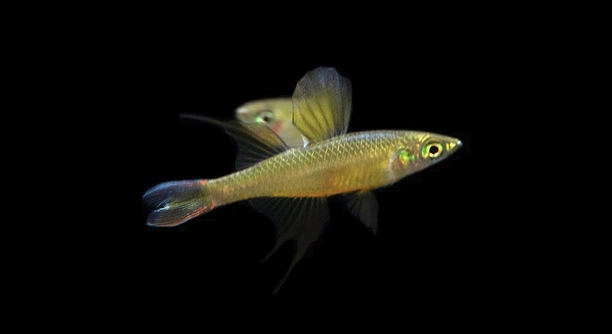
Threadfins are fascinating fish often seen swimming in groups near certain underwater plants. Their tendency to gather in these areas can seem puzzling, yet it is a natural part of their behavior and daily routines in the wild.
Threadfins frequently cluster near specific plants because these locations offer shelter, feeding opportunities, and favorable water conditions. Such plants create a microhabitat that supports their survival, reproduction, and social interactions, making these areas ideal gathering spots for the species.
Observing these patterns provides insight into the fish’s habits and the underwater environment they prefer to inhabit.
Why Certain Plants Attract Threadfins
Threadfins often gather near plants that provide both food and protection. These plants offer small insects, algae, and other organisms that the fish feed on, making these spots valuable feeding areas. Beyond food, the plant’s structure gives shelter from predators. The stems, leaves, and roots create spaces where threadfins can hide while staying close to the surface for easy swimming. Schools of threadfins often form around dense clusters, allowing them to interact socially and reduce stress from isolation. The presence of these plants also stabilizes the water around them, creating calmer zones that are easier for the fish to navigate. As a result, these areas naturally become preferred spots for gathering, feeding, and resting. Over time, threadfins learn to recognize which plants consistently provide these benefits, reinforcing their habit of clustering near them. This behavior is a combination of instinct and learned preference.
Plants with denser leaves are generally the most popular among threadfins, offering better protection.
The concentration of threadfins near certain plants also affects the surrounding ecosystem. By clustering, they can influence the growth of algae and smaller organisms. Their movement through the water helps circulate nutrients, which benefits the plants themselves. Predators may also be drawn to these areas, creating a balance in population. Understanding this relationship helps explain why certain plants seem to “host” larger schools of threadfins consistently over time.
The Role of Water Conditions
Threadfins prefer areas where water flow is moderate and oxygen levels are stable.
Water conditions play a crucial role in determining where threadfins gather. Plants often grow in areas with optimal light, temperature, and flow, creating microhabitats that suit the fish perfectly. These conditions ensure that food is abundant, oxygen is sufficient, and swimming is safe. Threadfins are sensitive to sudden changes in water quality, so areas around these plants provide a reliable environment. Additionally, the plants’ root systems help filter sediment and reduce water turbulence, making it easier for fish to maintain position and conserve energy. Consistent water conditions around these plants allow threadfins to establish predictable routines, contributing to their overall health and reproductive success. This interaction between fish, plants, and water creates a stable micro-ecosystem, demonstrating how environmental factors influence animal behavior in subtle but significant ways. By observing these patterns, it becomes clear that plant choice is not random but highly dependent on surrounding water conditions.
Feeding Behavior Around Plants
Threadfins often feed near plants because the area provides both insects and algae. The plant structure slows water currents, making it easier for the fish to catch small prey while staying protected from predators.
Plants serve as a natural feeding platform for threadfins. Tiny insects and microorganisms cling to leaves and stems, creating a steady food supply. The fish can graze safely while using the plant for cover, reducing exposure to larger predators. This environment also allows multiple threadfins to feed together, which supports social interaction and reduces stress. Over time, threadfins learn which plants consistently offer abundant food, reinforcing their habit of clustering in these areas. Their feeding behavior is closely linked to plant presence, structure, and the overall availability of nutrients in the surrounding water.
The plants themselves benefit from this interaction. As threadfins swim and feed, they stir nutrients into the water, helping the plants grow. Their presence indirectly supports the underwater ecosystem, creating a balance between feeding, shelter, and environmental health.
Social Behavior and Safety
Threadfins feel safer in groups near plants, which provide natural cover from predators and support social interaction.
Grouping near plants gives threadfins several advantages. Plants create hiding spaces while the fish remain close to open water for quick escape. The presence of others reduces individual stress, improves feeding efficiency, and enhances survival chances. Threadfins use visual and chemical cues to coordinate movement, ensuring the group stays together. This clustering also supports mating behavior, as fish are more likely to interact when they are near stable plant structures. Over time, threadfins develop predictable patterns, returning to favored plants repeatedly. These social behaviors are not just instinctive; they are reinforced by the safety, food availability, and environmental stability plants provide. Being in a group near plants allows threadfins to balance feeding, safety, and social interaction effectively, making these areas essential for their daily routines.
Reproduction and Plant Connection
Threadfins often choose plants as spawning sites. The leaves and stems provide safe surfaces for eggs to attach, protecting them from strong currents and reducing the risk of predators reaching them easily.
These plants also create quiet zones where threadfins can perform mating behaviors. The cover helps reduce stress and increases successful reproduction rates within the group.
Seasonal Influence on Clustering
During warmer months, threadfins gather more frequently near plants because insect populations rise, creating abundant food sources. Cooler months may reduce clustering, as food availability changes, and fish may spread out to search other areas for nutrition and shelter.
Energy Conservation Benefits
Gathering near plants allows threadfins to conserve energy. The calmer waters created by plant roots reduce swimming effort, letting them rest more while still staying alert to food opportunities and potential threats.
FAQ
Why do threadfins prefer gathering near plants instead of open water?
Threadfins prefer plants because they provide shelter, food, and stable conditions. Open water exposes them to predators and strong currents, increasing stress and energy use. Plants offer balance, letting them feed, rest, and interact without constantly fighting harsh conditions.
Do threadfins use the same plants repeatedly?
Yes, threadfins often return to the same plants. Once they find a plant that offers safety, food, and calm water, they continue revisiting it. These repeated visits create patterns in their daily life, making the plant a reliable gathering point.
Are plants essential for threadfin reproduction?
Plants play a major role in reproduction. Their surfaces are perfect for eggs to attach, keeping them safe from currents and predators. The shaded areas also provide calmer zones where mating behaviors can happen naturally and with less disturbance.
Do threadfins gather around all plants, or only certain ones?
Not all plants attract threadfins equally. Dense plants with broad leaves are preferred because they provide more hiding spaces and stronger protection. Sparse plants may still offer food but lack the same level of cover, making them less reliable for long stays.
How does the presence of plants affect predator-prey dynamics?
Plants create both opportunities and risks. Threadfins gain safety by hiding among stems and leaves, but predators also know these areas attract fish. This balance creates a natural cycle where safety and risk exist together, keeping populations balanced in the ecosystem.
Can clustering near plants harm threadfins in any way?
In some cases, clustering may increase competition for food if too many fish gather at once. It can also draw predators who recognize the pattern. However, the overall benefits usually outweigh the risks, which is why the behavior continues strongly.
Do threadfins change their plant preferences with the seasons?
Yes, seasonal changes affect their choices. Warmer months bring more insects and algae, making certain plants more attractive. During cooler months, the decline in food may cause them to shift to other locations or spread out in smaller groups.
Are threadfins able to survive without plants in their environment?
They can survive, but their quality of life would be lower. Without plants, they lose natural shelter, easy feeding opportunities, and stable water zones. This would increase stress, energy use, and vulnerability to predators, shortening their overall lifespan and reducing reproduction success.
How do plants help threadfins conserve energy?
The roots and stems of plants reduce water turbulence. Threadfins can remain in calmer areas, using less energy to swim. This allows them to rest more effectively, while still being close to food sources and safe hiding spaces when threats appear.
Do plants improve social behavior among threadfins?
Yes, plants create gathering spots where threadfins interact closely. They coordinate movement, feed together, and maintain schooling patterns more effectively around plants. This interaction reduces stress and builds predictable routines, which are important for their survival and group stability.
Are specific water conditions necessary for threadfins to cluster near plants?
Stable water flow, good oxygen levels, and moderate temperatures make clustering more likely. Plants usually grow in such conditions, so they act as indicators of suitable environments. Threadfins sense these factors and naturally gather in areas that meet their needs.
Can the presence of threadfins benefit the plants themselves?
Yes, threadfins help plants indirectly. As they swim, they stir nutrients into the water, promoting plant growth. Their movement also prevents sediment buildup, keeping roots healthier. This creates a mutual relationship where both fish and plants benefit from each other’s presence.
Do threadfins behave differently around artificial plants in aquariums?
They may still gather around artificial plants for cover, but the benefits are limited. Artificial plants do not host insects or algae, so they lack food sources. However, they still provide shelter and reduce stress, making them useful in controlled environments.
How do threadfins recognize which plants are safe?
Threadfins rely on instinct and experience. They observe water flow, density of leaves, and the presence of food before choosing. Over time, repeated safe experiences teach them which plants consistently meet their needs, helping them return confidently to familiar spots.
Are young threadfins influenced by plants in the same way as adults?
Yes, young threadfins benefit greatly from plants. The cover provides protection during their most vulnerable stage. Plants also provide abundant tiny food sources suitable for their size. Being near plants increases their survival chances as they grow into adulthood.
Do predators always find threadfins near plants?
Not always. The density of plants often hides threadfins effectively. Predators may patrol these areas, but threadfins use quick movements and group coordination to escape. The effectiveness of hiding depends on plant density and how closely the fish school together.
Can clustering near plants impact the overall ecosystem balance?
Clustering does affect ecosystems. Concentrated feeding can reduce small organism populations in that area, while nutrient cycling increases plant growth. Predators are also drawn in, creating a balanced chain of interactions that supports diversity and stability in the environment.
Why is clustering near plants considered an adaptive behavior?
It is adaptive because it increases survival and reproduction chances. Plants provide protection, food, energy savings, and social opportunities. Over generations, threadfins that favor these areas thrive better, making this behavior deeply rooted in their natural instincts and daily routines.
Final Thoughts
Threadfins clustering near certain plants is not random but shaped by survival needs, natural instincts, and environmental balance. The plants provide food, cover, calm water, and safe spaces for reproduction, which together create reliable gathering points. Over time, threadfins have learned to depend on these locations, returning to them consistently. Their patterns are a blend of instinctive behavior and repeated experience, showing how closely their lives are tied to the plants in their environment. These spaces become more than simple hiding spots; they are places that support daily life and ensure better chances of survival.
The benefits threadfins receive from plants extend beyond individual needs and connect directly to the surrounding ecosystem. Their presence influences algae levels, insect populations, and even nutrient distribution in the water. At the same time, predators adjust their behavior to target these areas, creating a balance of risk and reward. This ongoing interaction highlights the importance of plants in maintaining stability within aquatic habitats. The clustering of threadfins shows how species depend on natural structures, and how these relationships shape the health of entire ecosystems. Without plants, their survival would become harder, their routines disrupted, and their reproductive success reduced.
Understanding why threadfins gather near plants also helps us see how delicate these systems are. A change in water quality, temperature, or vegetation can affect not only the fish but also everything connected to them. Preserving plant life in aquatic habitats is key to supporting the threadfins’ natural behavior, ensuring they can continue to thrive. Observing them also gives insight into the subtle ways fish interact with their environment, revealing patterns that are easy to miss but deeply significant. By appreciating these connections, we can see that threadfins are not just clustering out of habit but as part of a survival strategy that ties them to their ecosystem. Their story is one of balance, adaptation, and the quiet but powerful role plants play in shaping the rhythms of life underwater.

Hello,
If you enjoy the content that we create, please consider saying a "Thank You!" by leaving a tip.
Every little bit helps us continue crafting quality advice that supports the health, happiness, and well-being of pets around the world, for pets of all shapes, sizes, and species.
We really appreciate the kindness and support that you show us!