
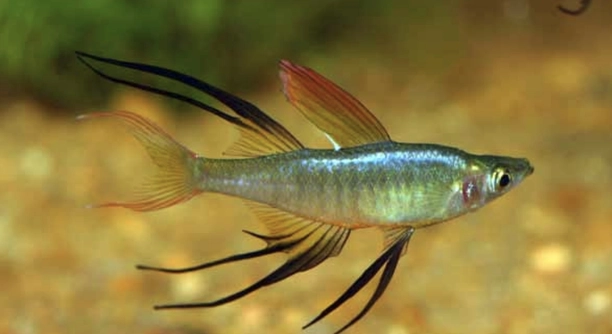
Have you ever noticed your threadfin tank behaving differently, with fish seeming less active than usual or water appearing cloudy? These changes may signal that your setup needs attention to keep your aquatic environment healthy.
Reevaluating a threadfin tank setup involves monitoring water quality, tank size, filtration, and fish behavior. Regularly assessing these factors ensures optimal conditions for growth, reduces stress, prevents disease, and maintains a stable ecosystem for threadfin fish.
Keeping your tank thriving requires understanding subtle signs that indicate changes are needed, making it essential to observe and act before problems escalate.
Changes in Fish Behavior
When your threadfin start acting differently, it’s often the first sign that something in the tank isn’t right. They may hide more than usual, swim erratically, or lose interest in food. These behaviors indicate stress, which can come from water quality, overcrowding, or poor diet. Stress weakens their immune system and makes them more vulnerable to disease. Observing their daily patterns helps you notice even subtle changes before they become serious problems. Sometimes a sudden temperature drop or new decorations in the tank can also trigger unusual behavior. Keeping a log of their activity and feeding habits can help identify patterns. Even small shifts in behavior are worth paying attention to, because threadfin fish are sensitive creatures. Addressing these signs early prevents larger issues that could compromise their health and overall tank stability. Regular observation is an easy way to ensure your fish remain happy and active.
Behavioral changes often indicate environmental stress or health issues in threadfin, requiring prompt attention to maintain a stable and healthy aquarium ecosystem.
Monitoring their habits closely provides insight into tank conditions. Noticing changes early can save your fish from long-term stress.
Water Quality Concerns
Water that looks cloudy or smells unusual is a clear warning. Poor water quality can affect oxygen levels, pH balance, and toxin buildup, all of which stress threadfin fish.
Maintaining proper water parameters is critical for the health and longevity of your threadfin. Regular testing, partial water changes, and adequate filtration are essential practices. Clean water prevents disease and promotes natural behavior, while neglect can quickly lead to health problems. Temperature fluctuations or leftover food decomposition also contribute to declining water conditions. Investing time in maintaining clean water ensures your tank remains a stable environment, supporting fish growth and reducing mortality. Even minor issues, like inconsistent pH or ammonia spikes, can disrupt the balance in a threadfin tank. Using a reliable filtration system and monitoring water quality closely helps you catch problems before they affect your fish. By staying proactive, you create a healthier habitat and minimize stressful conditions. Consistent care leads to stronger, more active threadfin that display normal behaviors and thrive over time.
Overcrowding Issues
Too many fish in a single tank can lead to aggression, stress, and poor water quality. Threadfin need space to swim freely, and overcrowding limits oxygen circulation, increasing the risk of illness and stunted growth.
Overcrowding affects both fish behavior and overall tank health. Threadfin are active swimmers, and when they don’t have enough room, they may compete for territory and food. This can cause fin damage, increased stress, and susceptibility to disease. Overcrowded tanks also produce more waste, quickly overwhelming filtration systems. Regularly assessing the number of fish relative to tank size helps maintain balance. Adding extra filtration or relocating some fish can restore stability. Observing interactions among fish gives insight into whether the current population is manageable or needs adjustment. Proper stocking ensures each fish has enough space to swim, feed, and grow.
Maintaining an appropriate population is crucial for long-term success. Overcrowding can reduce water quality, increase disease risk, and stress fish, so proactive monitoring and adjustments are necessary.
Diet and Feeding Habits
Inconsistent or inappropriate feeding can harm threadfin health. Overfeeding causes waste buildup, while underfeeding weakens fish and slows growth.
Providing a balanced diet with appropriate portions is essential. Threadfin require a mix of proteins, vitamins, and occasional live foods to thrive. Feeding small amounts multiple times a day mimics their natural habits and prevents leftover food from decomposing in the tank. Watching how your fish eat helps identify picky eaters or aggressive feeders that may dominate the food. Adjusting diet based on fish size, age, and activity level ensures they receive proper nutrition. Avoid sudden changes in diet, as threadfin can be sensitive to new foods. Regularly checking for uneaten food and removing it promptly maintains water quality and prevents ammonia spikes. Well-fed fish display brighter colors, more energy, and healthier growth patterns, making feeding habits a key aspect of tank management.
Filtration Efficiency
A slow or clogged filter reduces water circulation and increases toxin buildup. Threadfin rely on clean, oxygen-rich water to stay healthy and active.
Regularly cleaning and checking filters ensures proper water flow. Replacing filter media on schedule keeps ammonia and nitrite levels low, protecting fish from stress and illness.
Temperature Stability
Maintaining a consistent temperature is essential for threadfin health. Sudden changes can shock fish, weaken their immune system, and affect feeding.
A reliable heater and thermometer help keep water within the recommended range. Avoid placing tanks near windows or vents where temperature fluctuates. Stable conditions support normal behavior, growth, and overall tank balance.
Tank Decor and Hiding Spaces
Providing proper decor gives threadfin areas to explore and hide. Rocks, plants, and driftwood reduce stress and promote natural behavior.
FAQ
How often should I change the water in my threadfin tank?
Regular water changes are critical for keeping your threadfin healthy. Ideally, replace 20–30% of the tank water weekly. This helps remove waste, maintain stable water chemistry, and reduce toxins like ammonia and nitrites. Partial water changes are better than complete ones, as they preserve beneficial bacteria in the filter and substrate.
What is the best diet for threadfin fish?
Threadfin thrive on a balanced diet consisting of high-quality pellets or flakes, supplemented with live or frozen foods like brine shrimp or bloodworms. Feeding small amounts 2–3 times daily ensures they get enough nutrients without overloading the tank with uneaten food, which can harm water quality.
How can I tell if my threadfin is stressed?
Signs of stress include hiding, erratic swimming, loss of appetite, faded colors, or clamped fins. Stress often results from poor water quality, sudden temperature changes, overcrowding, or inappropriate diet. Observing behavior daily helps catch stress early and allows for timely adjustments to tank conditions.
Can I keep multiple species with threadfin fish?
Yes, but careful selection is necessary. Choose peaceful, similarly sized fish that won’t compete aggressively for food or territory. Avoid large or territorial species. Proper stocking and providing hiding spaces prevent conflicts and reduce stress for all tank inhabitants.
How important is tank size for threadfin fish?
Tank size directly affects water quality and fish behavior. Threadfin are active swimmers and need enough space to move freely. A larger tank dilutes waste more effectively and reduces stress from overcrowding. Regularly evaluating the number of fish relative to tank size ensures a balanced, stable environment.
What role does filtration play in a threadfin tank?
Filtration is essential for removing debris, maintaining water flow, and supporting beneficial bacteria that process toxins. A strong, reliable filter keeps ammonia and nitrite levels low, prevents stagnation, and ensures oxygen reaches all areas of the tank. Regular cleaning maintains efficiency and protects fish health.
How do I maintain stable water temperature?
Use a quality heater and thermometer to monitor water consistently. Keep the tank away from drafts, windows, or direct sunlight that cause fluctuations. Sudden temperature changes can shock threadfin, weaken their immune system, and alter behavior. Gradual, consistent conditions support normal feeding and activity.
Why do my threadfin hide more than usual?
Hiding often signals stress, illness, or poor water conditions. Check water parameters, tank population, and diet. Providing adequate hiding spots with plants or decor helps them feel secure. Early intervention reduces stress and prevents further health issues.
How can I prevent overfeeding?
Feed small portions that the fish can consume within 2–3 minutes, multiple times per day. Remove leftover food promptly to prevent decay, which can pollute water. Observing feeding habits ensures each fish gets enough nutrition without compromising tank health.
What is the ideal pH and water hardness for threadfin?
Threadfin prefer slightly acidic to neutral water, with a pH around 6.5–7.5. Moderate water hardness supports their biological functions and helps maintain stable water chemistry. Regular testing ensures these parameters remain consistent, preventing stress and health problems.
How often should I clean decorations and substrate?
Clean decorations and substrate carefully every few weeks to remove accumulated debris and prevent algae growth. Avoid harsh chemicals, as they can harm beneficial bacteria and fish. Gentle rinsing or scrubbing with tank water maintains cleanliness without disturbing the tank ecosystem.
How do I know when my tank is overcrowded?
Signs include frequent aggression, poor growth, increased waste, and declining water quality. Assess the number of fish relative to tank size and adjust by moving some fish or upgrading to a larger tank. Proper stocking maintains balance and reduces stress on threadfin.
Can lighting affect my threadfin fish?
Yes, lighting influences behavior, stress levels, and plant growth. Too much light can encourage algae growth, while too little may affect fish activity. Aim for a balanced day-night cycle using timers to replicate natural conditions, supporting overall tank health and fish well-being.
How do I introduce new fish to a threadfin tank?
Quarantine new fish for at least two weeks to prevent disease. Gradually acclimate them to tank water by floating the bag and mixing small amounts of tank water. Introduce fish during low-activity periods to reduce stress and prevent territorial aggression.
What should I do if my fish shows signs of illness?
Isolate sick fish in a separate tank if possible. Test water parameters, improve water quality, and monitor for symptoms. Research appropriate treatments for specific illnesses and consult reliable sources. Early intervention increases the chances of recovery and protects other fish in the tank.
How can I maintain long-term tank stability?
Consistent monitoring of water quality, feeding, temperature, and behavior is key. Regular maintenance like partial water changes, filter cleaning, and observing fish activity prevents stress and illness. Maintaining a balanced ecosystem ensures your threadfin thrive over time.
What is the best way to monitor water quality?
Use test kits for ammonia, nitrite, nitrate, pH, and hardness. Test weekly or after changes like adding new fish or decorations. Monitoring provides early warnings of imbalance, allowing adjustments before conditions negatively affect threadfin health.
How can I encourage natural behavior in my threadfin?
Provide open swimming space, hiding spots, and varied feeding options. Live or frozen foods stimulate hunting instincts, while plants and decorations offer exploration opportunities. Observing their interactions with the environment ensures they remain active and stress-free.
Is it necessary to cycle a new tank before adding threadfin?
Yes, cycling establishes beneficial bacteria that process waste and toxins. Adding fish too early can lead to ammonia spikes and illness. Completing the nitrogen cycle before introducing threadfin ensures a safe and stable environment for their growth and health.
How do I prevent algae overgrowth in my tank?
Control lighting, avoid overfeeding, and maintain clean water. Adding live plants competes with algae for nutrients, and occasional cleaning of tank surfaces helps keep algae manageable. A balanced environment supports both plant and fish health without letting algae dominate.
What is the recommended tank setup for threadfin?
A well-filtered, spacious tank with stable temperature, hiding spaces, and clean water is essential. Proper substrate, moderate lighting, and balanced diet complete the setup. Regular maintenance and monitoring keep the environment healthy, allowing threadfin to display natural behavior and thrive consistently.
Final Thoughts
Maintaining a threadfin tank requires attention, patience, and consistency. Each aspect of the setup, from water quality to tank size, directly impacts the health and behavior of your fish. Threadfin are sensitive creatures that respond to changes in their environment, so even small adjustments can make a noticeable difference. Observing your fish daily allows you to notice subtle signs of stress or discomfort before they develop into serious problems. Paying attention to their swimming patterns, appetite, and coloration provides important clues about the overall state of your tank. Regular maintenance, careful feeding, and monitoring water parameters are all simple practices that can prevent long-term issues. Taking these steps ensures that your threadfin remain active, healthy, and display natural behavior consistently.
A balanced environment is essential for both the fish and the tank’s ecosystem. Overcrowding, inconsistent feeding, and poor water quality are common issues that can easily be addressed if caught early. Providing enough space, hiding areas, and stable water conditions allows threadfin to thrive in a comfortable habitat. Filtration, water changes, and proper diet form the foundation of a well-maintained tank, supporting growth and reducing stress. Paying attention to tank decor and lighting also contributes to their well-being by creating a more natural environment. When all these factors are managed correctly, your tank becomes a stable and healthy ecosystem. This stability is not only beneficial for the fish but also makes daily maintenance easier and less stressful for the caretaker. Threadfin respond positively to consistent care, and their improved health and activity level are clear signs that the setup is effective.
Understanding your threadfin and their specific needs allows you to make informed decisions about tank management. Regular observation, proper feeding, and careful monitoring of water parameters create a positive environment where your fish can flourish. Small details, like the placement of plants, rocks, and hiding spots, play a role in reducing stress and encouraging natural behaviors. Taking time to maintain a clean, well-filtered tank prevents many common issues and ensures long-term success. Threadfin fish are rewarding to care for when their environment supports their health and activity. By consistently applying these practices, you can enjoy a thriving tank where your fish live longer, healthier lives. Over time, maintaining a threadfin tank becomes a routine that balances the needs of the fish with simple, manageable care practices. This approach not only benefits the fish but also creates a more enjoyable and predictable experience for anyone managing the tank.

Hello,
If you enjoy the content that we create, please consider saying a "Thank You!" by leaving a tip.
Every little bit helps us continue crafting quality advice that supports the health, happiness, and well-being of pets around the world, for pets of all shapes, sizes, and species.
We really appreciate the kindness and support that you show us!