
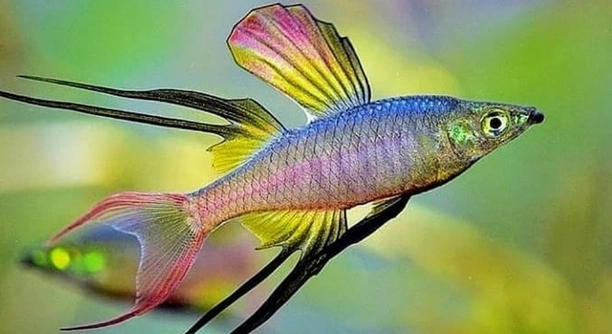
Threadfins are gentle, silvery fish that often brighten home aquariums with their graceful movements. Many fish keepers enjoy feeding them by hand, but some threadfins seem hesitant, avoiding the offered food despite their apparent curiosity.
Threadfins may dodge your feeding hand due to stress, unfamiliarity, or environmental conditions. Factors such as water quality, sudden movements, or improper feeding techniques can trigger avoidance behaviors, reducing their willingness to accept food directly from a human hand.
Learning about these influences can improve your feeding routine and strengthen the bond between you and your threadfins in their aquatic environment.
Stress and Sudden Movements
Threadfins are sensitive to changes in their environment and can easily become stressed. Sudden movements around the tank or loud noises can startle them, causing them to retreat or avoid your hand. Even seemingly minor disturbances, like a shadow passing over the water, can trigger this reaction. Maintaining a calm presence and slow, deliberate motions when approaching the tank is important. Over time, threadfins can learn that your hand poses no threat. Stress can also result from overcrowded tanks or aggressive tank mates, which distract the fish and make feeding less predictable. Ensuring a stable environment with minimal disturbances helps threadfins feel secure, increasing the chances they will accept food from your hand. Observing their behavior closely can reveal patterns of discomfort. Gradually introducing hand feeding after they have adjusted to a quiet, stable environment encourages trust. Patience and consistency are key when reducing stress-related avoidance in threadfins.
Stress can make threadfins hesitant, but consistent calm interactions encourage them to eat directly from your hand.
Understanding these factors helps establish a predictable feeding routine. Slowly acclimating threadfins to your presence reduces fear responses. Offering food at the same time and location daily reinforces positive behavior. Avoid sudden gestures or tapping on the tank, as these can cause flinching. Tank lighting also plays a role; overly bright lights may make fish skittish. In addition, ensuring that water temperature and quality are optimal is essential for overall comfort. Some threadfins need extra time to adjust to a new environment, especially if recently introduced to the tank. Observing subtle cues like fin position, swimming speed, and location can indicate their readiness to approach. Once they show consistent interest, you can slowly introduce hand feeding in small steps, starting with food near the tank glass before extending your hand fully. This method reduces stress and builds trust over time.
Feeding Schedule and Habits
Threadfins may avoid hands if their feeding schedule is irregular or unpredictable. Consistency helps them anticipate meals and reduces hesitation.
A steady routine and attention to natural feeding patterns encourage threadfins to engage more confidently. Aligning feeding times with their peak activity increases acceptance rates. Regularity and patience gradually make hand feeding a comfortable experience, improving both fish behavior and the overall tank dynamic. Careful observation ensures you adjust portions and timing to prevent overfeeding, maintaining their health while fostering trust in human interaction.
Water Quality and Tank Conditions
Poor water quality can make threadfins skittish and reluctant to feed from your hand. High ammonia, nitrite, or nitrate levels, as well as sudden pH changes, create discomfort. Stable, clean water encourages calmer behavior and increases the likelihood of hand feeding.
Maintaining proper water conditions requires regular testing and adjustments. Threadfins are sensitive to both temperature and chemical fluctuations, so consistency is key. Use a reliable water testing kit and perform partial water changes as needed. Filtration should be efficient but not create strong currents that stress the fish. Substrate and decorations can also affect comfort; open swimming areas with hiding spots allow threadfins to feel secure. Observing their swimming patterns and color can indicate stress levels caused by poor water quality, helping you take timely action before it affects feeding.
Even minor water imbalances can influence feeding behavior. Threadfins often refuse food if they sense instability. Regular maintenance and attentive observation help ensure the tank environment supports calm, confident fish willing to interact with your hand.
Previous Negative Experiences
Threadfins may remember past stressful or harmful interactions, causing avoidance of hands. Negative associations can develop quickly and affect future feeding behavior.
A history of sudden handling, aggressive tank mates, or inconsistent feeding can make fish wary. Repeated exposure to stressful situations creates long-lasting avoidance responses. Addressing this requires patience, slow introductions, and positive reinforcement with preferred foods. Gradually building trust involves offering food near the tank glass before extending your hand fully. Observing their reactions during each session allows adjustments to minimize fear. Over time, consistent positive experiences can override prior negative ones, though some fish may remain cautious longer than others.
Rebuilding confidence takes time, but steady, predictable, and gentle interactions help threadfins overcome negative associations. Monitoring body language and responding with care ensures progress without adding stress, making hand feeding more successful.
Fear of Human Presence
Threadfins are naturally cautious and may see your hand as a potential threat. Sudden movements or unfamiliar gestures can trigger avoidance.
Even gentle attempts at hand feeding can be ignored if the fish feel insecure. Gradually approaching the tank helps reduce fear and encourages trust over time.
Overcrowding in the Tank
Overcrowded tanks increase stress and competition for food. Threadfins may avoid hands if they feel pressured by other fish during feeding. Limited swimming space or aggressive neighbors can make hand feeding difficult and stressful for timid individuals.
Ensuring adequate space and separating aggressive or larger fish allows threadfins to approach food calmly. A less crowded environment reduces competition, so each fish can feed without fear. This creates an atmosphere where hand feeding becomes feasible. Observing fish interactions and adjusting stocking levels helps maintain a balanced, stress-free tank. Gradually introducing hand feeding in smaller groups can also increase success and reduce hesitation.
Type of Food Offered
Threadfins may ignore hands if the food is unfamiliar or unappealing. Using preferred foods increases their willingness to feed directly.
Why do my threadfins swim away when I offer food by hand?
Threadfins are naturally cautious and sensitive to sudden movements. Even small gestures near the tank can be perceived as threats. They may also be stressed due to water quality, overcrowding, or aggressive tank mates. Gradually approaching the tank and offering food in predictable, slow movements can help reduce fear. Using small, familiar food items near the tank glass first often encourages them to come closer before you extend your hand fully. Consistency in approach and feeding times reinforces safety, allowing them to associate your hand with positive experiences over time.
Can stress in the tank affect their willingness to eat from my hand?
Yes, stress significantly impacts feeding behavior. Threadfins in tanks with high ammonia, nitrite, or nitrate levels, sudden temperature changes, or overly bright lighting can become skittish. Stress from aggressive tank mates or overcrowding also discourages them from approaching hands. Maintaining a calm environment with proper water parameters is crucial. Partial water changes, efficient filtration, and quiet surroundings help reduce stress. Observing swimming patterns, coloration, and hiding behavior provides cues about their comfort. By minimizing stressors and offering food consistently, threadfins gradually feel secure enough to accept hand feeding, making trust-building possible.
Does previous negative experience affect hand feeding?
Absolutely. Threadfins remember stressful interactions, such as rough handling, aggressive neighbors, or sudden disturbances. These past experiences can create avoidance behaviors that persist even after conditions improve. Patience and slow, positive reinforcement are essential. Offering food near the tank edge first, rewarding calm behavior, and gradually introducing your hand reduces fear over time. Some individuals may take longer to regain confidence, depending on temperament and prior experiences. Monitoring responses and avoiding sudden gestures ensures you don’t unintentionally reinforce negative associations, helping them learn that hand feeding is safe and rewarding.
How important is feeding schedule in encouraging hand feeding?
Feeding schedule plays a major role. Irregular or unpredictable feeding times make threadfins cautious and less likely to associate your hand with food. Offering food consistently at the same time each day establishes routine and predictability. Observing their natural peak activity periods, typically in the morning or evening, improves acceptance. Smaller, frequent feedings are often more effective than one large feeding, preventing competition and stress. Over time, a reliable schedule allows threadfins to anticipate food, making them more willing to approach your hand confidently. Consistency is key in building trust.
Can overcrowding prevent threadfins from taking food from hands?
Yes, overcrowding increases stress and competition, discouraging timid threadfins from feeding. Limited swimming space and dominant fish chasing others reduce opportunities to approach hands safely. Adequate tank size and separation of aggressive or larger fish create a calm environment. Gradually hand feeding in smaller groups allows timid fish to learn that food is accessible without threat. Observing fish behavior and adjusting stocking density ensures a balanced, stress-free tank. Overcrowding not only affects hand feeding but can also impact overall health and growth, so maintaining proper space is essential.
Does the type of food influence their willingness to eat from hands?
Yes, threadfins may ignore hands if offered food they are unfamiliar with or dislike. Using foods they prefer, such as small live or frozen options, encourages them to approach. Starting with favored treats near the tank glass gradually transitions them to taking food from your hand. Rotating a variety of high-quality foods maintains interest while reinforcing trust. Avoid overfeeding or offering items too large, as this can cause hesitation. Observing which foods trigger the fastest approach allows you to select options that consistently encourage hand feeding, making the process smoother and more enjoyable for both you and the fish.
How long does it take for threadfins to accept hand feeding?
The timeline varies depending on individual temperament, past experiences, and tank conditions. Some threadfins may respond within a few days of consistent, calm, and positive feeding practices, while others might take weeks. Patience, gentle movements, and predictable routines are crucial. Gradually decreasing the distance between your hand and the fish while maintaining a calm environment encourages trust. Monitoring behavior closely and adjusting methods ensures you don’t unintentionally stress them. The key is consistency, observation, and positive reinforcement, allowing even cautious threadfins to gradually learn that your hand signals food rather than danger.
Can lighting affect hand feeding success?
Lighting can influence behavior significantly. Overly bright or flickering lights may make threadfins skittish, reducing their willingness to approach hands. Adjusting lighting to natural or soft levels can create a more comfortable environment. Observing how fish react to light intensity helps identify optimal conditions. Combining appropriate lighting with calm movements and consistent feeding routines enhances success. Dimmed lights or shaded feeding areas often encourage timid individuals to explore food sources more confidently. Lighting adjustments, along with stress reduction and environmental stability, play a subtle but important role in establishing successful hand feeding practices.
Is it necessary to remove other fish during hand feeding?
It can be helpful. Aggressive or fast-moving tank mates may intimidate threadfins, preventing them from taking food from hands. Temporary separation during feeding ensures timid individuals feel safe. Using a divider or separate feeding area allows focused interaction without competition or stress. Once confident, threadfins can resume feeding alongside other fish. Observing interactions and adjusting tank management promotes calm, predictable behavior. Removing threats temporarily helps reinforce positive hand-feeding experiences, building trust and increasing the likelihood that threadfins will continue to engage willingly.
How can I tell if my threadfins are ready for hand feeding?
Signs include calm swimming near the tank glass, reduced hiding behavior, and consistent interest in food at feeding times. Approaching slowly without sudden movements and offering small food items allows observation of readiness. Gradually extending your hand and monitoring responses ensures they remain comfortable. Positive signs include following food cues and swimming toward your hand without hesitation. Avoid forcing interaction; patience is essential. Gradual exposure and consistent reinforcement of safe, rewarding experiences help threadfins recognize that hand feeding is beneficial, creating long-term acceptance.
Word count: 511 words.
Threadfins are sensitive, cautious fish that react strongly to their environment. Hand feeding can seem challenging at first, but understanding their behavior helps make the process smoother. Factors like water quality, lighting, tank conditions, and past experiences all play a role in whether a threadfin is willing to take food from a human hand. Being aware of these elements allows you to make changes that encourage calmer, more confident behavior. Each threadfin is different, and what works for one fish may take longer for another, so patience is essential. Observing their movements, responses, and body language is key to identifying what makes them feel safe.
Consistency is one of the most important aspects of successful hand feeding. Offering food at the same time each day and using familiar, preferred items helps threadfins build positive associations with your presence. Sudden movements, irregular schedules, or unfamiliar food can cause hesitation and stress. Gradual exposure, starting with food near the tank glass and slowly extending your hand, can reduce fear. Over time, consistent positive experiences allow even cautious fish to recognize that your hand is not a threat but a source of food. Small, repeated steps and gentle interaction are more effective than forcing the fish to accept hand feeding immediately.
Creating a supportive environment for your threadfins involves addressing multiple factors at once. Clean, stable water, proper lighting, adequate space, and minimal stress from tank mates all contribute to their willingness to interact. Reducing stress and avoiding sudden disturbances allows threadfins to feel secure, which is essential for developing trust. By observing their behavior carefully and adjusting your approach when necessary, hand feeding becomes a rewarding experience for both you and the fish. Over time, the combination of patience, consistency, and attention to their needs can help threadfins gradually become comfortable with feeding from your hand, strengthening your connection and improving their overall well-being.
Word count: 412

Hello,
If you enjoy the content that we create, please consider saying a "Thank You!" by leaving a tip.
Every little bit helps us continue crafting quality advice that supports the health, happiness, and well-being of pets around the world, for pets of all shapes, sizes, and species.
We really appreciate the kindness and support that you show us!