
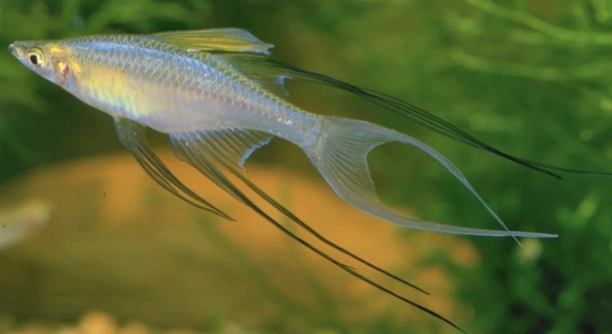
Do you ever find yourself admiring the vibrant colors of threadfin rainbowfish but wondering how to keep them healthy in your aquarium? Maintaining the right water conditions is essential for their wellbeing and long-term vibrancy.
The seven best water conditions for threadfin rainbowfish include maintaining a temperature range of 24–28°C, a pH of 6.5–7.5, moderate hardness, clean and well-filtered water, low ammonia and nitrite levels, regular partial water changes, and sufficient oxygenation for optimal health.
Understanding these factors will help ensure your rainbowfish thrive in their environment and maintain their natural colors and energy levels over time.
Ideal Temperature Range
Threadfin rainbowfish thrive in water temperatures between 24–28°C. Maintaining this range helps regulate their metabolism, supports proper digestion, and keeps their immune system strong. Sudden temperature fluctuations can cause stress, leading to illness or loss of color. A stable heater and thermometer are essential to monitor daily changes. In addition, the tank should be placed away from drafts, direct sunlight, or areas with air conditioning to avoid sudden drops or spikes. Consistent temperature encourages normal behavior, including active swimming and feeding patterns. Over time, fish exposed to unsuitable temperatures may show slower growth, weaker coloration, or reduced activity. It is important to gradually acclimate new fish to the tank to prevent shock. For tanks without automatic heaters, frequent checks are necessary to ensure the water remains within this ideal range. Proper temperature maintenance is a simple but critical step in keeping threadfin rainbowfish healthy and vibrant.
Maintaining this range ensures your fish remain active and visually striking, while reducing the risk of stress-related health problems.
Proper temperature supports consistent behavior, feeding, and growth. Fish that experience stable conditions are more resilient and display vivid colors, making temperature management a core aspect of their care routine.
pH and Water Hardness
Threadfin rainbowfish prefer slightly acidic to neutral water, with a pH of 6.5–7.5.
Water hardness should be moderate, around 5–12 dGH. These conditions support natural bodily functions and prevent stress from chemical imbalances. Using test kits regularly helps maintain consistency. Adjustments can be made with mineral additives or softening agents, depending on your water source. Avoid abrupt changes, as sudden pH shifts can shock the fish and lead to disease. Maintaining proper hardness and pH also ensures that beneficial bacteria in the tank flourish, supporting overall water quality. Consistency in these parameters encourages healthy reproduction and vibrant coloration, particularly in breeding pairs. Keeping an eye on both hardness and pH is a small step that makes a significant difference in the long-term well-being of threadfin rainbowfish. Over time, this attention results in stronger, more active fish that thrive in their aquarium.
Clean and Well-Filtered Water
Keeping the water clean is essential for threadfin rainbowfish. Regular filtration removes waste, toxins, and debris, ensuring a healthy environment. Clean water reduces stress and promotes natural behavior, supporting overall vitality.
A reliable filtration system helps maintain clarity and balance in the tank. Mechanical filters trap particles, while biological filters promote beneficial bacteria that break down harmful ammonia and nitrites. Without proper filtration, water can quickly become toxic, causing illness or stunted growth. Performing weekly partial water changes of 20–30% keeps the tank stable. Avoid overfeeding, as leftover food contributes to waste buildup. Clean water encourages active swimming, healthy coloration, and reduces the risk of fungal or bacterial infections. Monitoring water parameters alongside filtration ensures optimal conditions.
Over time, consistent water maintenance creates a stable environment that supports growth and reproduction. Fish in well-filtered water are more active, display stronger colors, and are less prone to disease, making filtration and regular cleaning key components of care.
Oxygenation and Water Movement
Threadfin rainbowfish require sufficient oxygenation for proper respiration and energy levels.
Adding an air stone, sponge filter, or gentle water flow increases oxygen levels. Proper circulation also prevents stagnant areas, supporting overall tank health.
Good oxygenation helps fish stay energetic and reduces stress in crowded or warm tanks. Higher oxygen levels enhance digestion and improve immune response. Avoid strong currents, as threadfin rainbowfish prefer moderate water movement. Positioning pumps or air stones strategically ensures uniform circulation throughout the tank. Surface agitation is important because it allows oxygen to dissolve into the water while releasing carbon dioxide. Consistent oxygenation helps maintain water clarity and supports beneficial bacteria, which further stabilize tank conditions. Monitoring fish behavior provides insight into oxygen levels—gasping or lethargy indicates a need for improvement. Maintaining proper oxygenation ensures the fish remain active, healthy, and display their natural vibrancy consistently.
Low Ammonia and Nitrite Levels
Ammonia and nitrites are harmful to threadfin rainbowfish even at low levels. Regular testing ensures these compounds remain at zero, preventing stress, disease, and potential fatalities.
Using biological filtration and regular water changes keeps ammonia and nitrite levels safe. Monitoring tank parameters is essential for long-term fish health.
Regular Partial Water Changes
Performing partial water changes of 20–30% weekly maintains stable water quality. This reduces waste buildup, replenishes essential minerals, and prevents toxic chemical accumulation. Consistency in water changes ensures a healthy environment that supports growth, natural behavior, and vibrant coloration in threadfin rainbowfish.
Gentle Tank Flow
Threadfin rainbowfish prefer moderate water movement. Strong currents can stress them and disrupt feeding or swimming patterns. Adjust filters or pumps to provide gentle, even circulation throughout the tank.
FAQ
How often should I test the water for threadfin rainbowfish?
Testing the water at least once a week is recommended. Focus on pH, temperature, ammonia, nitrite, and nitrate levels. Frequent monitoring helps detect problems early and keeps the fish healthy. Test kits are simple to use and provide accurate results when used consistently.
What is the ideal pH for these fish?
Threadfin rainbowfish thrive in slightly acidic to neutral water, with a pH of 6.5–7.5. Maintaining this range supports digestion, reduces stress, and promotes strong coloration. Small, gradual adjustments are safer than abrupt changes, which can shock the fish and weaken immunity.
How much should I feed them?
Feed small amounts two to three times daily. Only provide what they can consume in a few minutes to prevent leftover food from polluting the water. A varied diet of high-quality flakes, pellets, and occasional live or frozen food ensures balanced nutrition.
Can I keep other fish with threadfin rainbowfish?
Yes, but choose peaceful species of similar size. Aggressive or overly large fish can stress or harm rainbowfish. Ideal tank mates include small tetras, danios, or rasboras. Always monitor interactions, as stress from incompatible fish can weaken immunity and reduce lifespan.
How important is tank size?
A larger tank is better for swimming space and stable water conditions. A minimum of 30 gallons is recommended for a small group. Larger tanks reduce aggression, support natural behavior, and make it easier to maintain temperature, oxygenation, and chemical balance.
Do they need plants and decorations?
Yes, live or artificial plants and hiding spots help reduce stress. They mimic natural habitats, provide shelter, and allow the fish to explore. Floating plants can also diffuse light and improve oxygen levels, enhancing overall tank health.
How do I prevent disease?
Maintain clean water, stable conditions, and proper nutrition. Quarantine new fish before adding them to the main tank. Avoid overcrowding and monitor for abnormal behavior or appearance. Early detection and treatment are crucial to prevent illness from spreading.
Is lighting important?
Moderate lighting supports natural coloration and activity. Too much light can stress fish and encourage algae growth. A consistent day-night cycle of 8–10 hours helps maintain healthy behavior and supports plants if included.
How do I acclimate new fish?
Float the sealed bag in the tank for 15–20 minutes to match temperature. Gradually add small amounts of tank water to the bag every 5 minutes. Slowly releasing the fish prevents shock and reduces stress, increasing survival chances.
Can they breed in home aquariums?
Yes, if conditions are stable with clean water, proper temperature, and adequate space. Provide fine-leaved plants or spawning mops for eggs. Remove adults after spawning to prevent egg predation. Consistent care improves hatching success and fry survival.
How often should I replace filter media?
Replace mechanical media every 3–4 weeks, but biological media should last longer. Rinse in tank water to preserve beneficial bacteria. Regular maintenance ensures efficient filtration and prevents toxic buildup in the tank.
What are signs of stress in threadfin rainbowfish?
Pale coloration, erratic swimming, hiding, or reduced appetite indicate stress. Causes include poor water quality, incompatible tank mates, or sudden changes in conditions. Promptly addressing the underlying issue restores normal behavior and health.
Can I use tap water?
Yes, if treated to remove chlorine and chloramine. Test water parameters before adding it to the tank. Adjust pH and hardness if necessary to match the fish’s preferred conditions, ensuring a safe environment for long-term health.
How can I improve their coloration?
Provide a balanced diet rich in carotenoids and maintain stable water conditions. Stress reduction, clean water, and proper lighting enhance natural colors. Healthy fish with optimal nutrition display more vibrant fins and body hues.
Is overcrowding harmful?
Yes, overcrowding increases stress, reduces oxygen, and encourages disease. Stick to recommended stocking levels and allow plenty of swimming space. Proper tank size and compatible tank mates ensure the fish remain active and healthy.
How do I handle water changes efficiently?
Use a siphon or gravel vacuum to remove debris and replace 20–30% of the water weekly. Gradually add dechlorinated water at the same temperature to prevent stress. Consistent water changes maintain chemical balance and clarity.
Can I keep them in brackish water?
Threadfin rainbowfish prefer freshwater. Slightly soft water is acceptable, but brackish conditions can stress the fish and affect health. Maintaining freshwater parameters is critical for long-term survival and coloration.
What should I do if the fish stop eating?
Check water quality, temperature, and tank mates. Stress, illness, or poor water conditions are common reasons. Offer varied foods, monitor closely, and isolate sick fish if necessary to restore appetite.
Do they require a heater?
Yes, a heater maintains stable temperatures between 24–28°C. Sudden drops or spikes can cause stress or illness. A reliable heater combined with a thermometer ensures the tank remains within the ideal range consistently.
How long do threadfin rainbowfish live?
With proper care, they can live 5–8 years. Maintaining clean water, stable temperature, proper diet, and compatible tank mates maximizes lifespan while supporting their vibrant colors and active behavior throughout their life.
Can I use medications in the tank?
Medications can be used carefully for specific illnesses. Follow instructions closely and remove activated carbon from filters during treatment. Overuse or incorrect dosing can harm fish and beneficial bacteria, disrupting tank stability.
How do I introduce new fish safely?
Quarantine new fish for 2–3 weeks before adding them to the main tank. Gradually acclimate them to the tank water to prevent stress and disease. Careful introduction preserves overall tank health.
What is the best way to feed fry?
Feed newly hatched brine shrimp, micro worms, or powdered fry food multiple times daily. Keep water clean, remove uneaten food, and maintain proper temperature to ensure growth and survival of young fish.
Are live plants better than artificial ones?
Live plants improve water quality, oxygen levels, and mimic natural habitats. Artificial plants provide shelter but do not contribute to tank health. A combination can work, but live plants offer additional benefits for fish well-being.
How do I reduce algae growth?
Control light exposure, avoid overfeeding, and maintain regular water changes. Introducing algae-eating species or snails can help. Stable water conditions prevent excessive algae while keeping the tank healthy.
What should I do if water parameters fluctuate?
Identify the source, such as heater issues, overfeeding, or chemical imbalance. Correct it gradually to avoid stressing the fish. Monitoring and steady adjustments maintain long-term stability and fish health.
Can these fish live alone?
They are social and prefer groups. Keeping at least 5–6 together reduces stress, encourages natural behavior, and ensures they display vibrant colors consistently. Solitary fish may become shy, inactive, or stressed.
How important is surface agitation?
Surface movement improves oxygen exchange and prevents stagnant areas. Gentle ripples created by filters or air stones are sufficient. Proper agitation supports respiration, water quality, and overall fish health.
Do threadfin rainbowfish jump?
Yes, they may jump when stressed or startled. A secure lid is essential to prevent escapes. Observing behavior helps identify stressors or environmental issues that could trigger jumping.
Can I use fertilizers for plants?
Yes, but ensure they are safe for fish. Avoid heavy dosing, which can harm sensitive species. Properly dosed fertilizers improve plant growth without affecting water quality or fish health.
What is the best way to acclimate multiple new fish?
Introduce them together gradually. Float bags to match temperature, then slowly add tank water. Releasing fish at the same time reduces territorial disputes and eases adaptation.
How do I recognize healthy fish?
Active swimming, bright coloration, clear eyes, and consistent feeding behavior indicate good health. Any deviation may signal stress, illness, or water issues requiring attention.
Are air stones necessary?
They are beneficial but not mandatory in well-filtered tanks. Air stones improve oxygenation, circulation, and surface movement, supporting healthy respiration and overall vitality.
How do I avoid overcrowding?
Follow recommended stocking densities based on tank size and fish number. Overcrowding causes stress, aggression, and water quality issues, compromising health and growth. Proper planning ensures a balanced environment.
Can they tolerate tap water directly?
Only if treated for chlorine and chloramine. Untreated water can harm gills, stress fish, and destabilize water chemistry. Always test and adjust water before use to ensure safety.
What is the ideal tank setup?
Moderate swimming space, gentle water flow, plants, hiding spots, and consistent water parameters create a supportive environment. Attention to these elements promotes active, healthy fish with vibrant coloration.
How do I handle sudden illness outbreaks?
Isolate affected fish, test water, and treat with appropriate medications. Quarantining and maintaining clean water help prevent further spread while supporting recovery.
Do they need supplemental feeding at night?
No, they are diurnal and feed during the day. Nighttime feeding can pollute water. A consistent day feeding schedule supports digestion and maintains clean water quality.
Can I breed multiple pairs together?
Yes, but provide enough space and hiding spots to reduce competition. Overcrowding during breeding may stress adults and reduce egg survival. Separate tanks are ideal for higher success rates.
How long should quarantine last?
Two to three weeks is recommended. Observe for illness, parasites, or abnormal behavior. Proper quarantine prevents introducing disease to the main tank.
What signs indicate water quality issues?
Cloudy water, algae overgrowth, unusual fish behavior, or sudden color fading indicate poor water quality. Immediate testing and correction are necessary to restore healthy conditions.
Are there seasonal care adjustments?
Maintain stable temperature and lighting year-round. Avoid exposing tanks to drafts or direct sunlight that may fluctuate with seasons. Consistency ensures ongoing health and prevents stress-related problems.
How do I remove uneaten food safely?
Use a siphon or net to remove leftover food promptly. This prevents decomposition, reduces ammonia buildup, and maintains stable water quality. Regular monitoring supports fish health.
Can they live with shrimp or snails?
Yes, small snails or non-aggressive shrimp can coexist. Avoid species that compete aggressively for food or damage plants. Observing interactions ensures compatibility and reduces stress for all tank inhabitants.
How often should I clean the substrate?
Vacuum substrate during water changes to remove waste and uneaten food. Frequent cleaning prevents ammonia buildup and supports beneficial bacteria, maintaining a healthy tank environment.
Are seasonal water changes necessary?
Regular weekly partial water changes suffice. Seasonal adjustments are unnecessary if parameters remain stable. Consistency is more important than timing changes with seasons.
What is the best diet for long-term health?
High-quality flakes or pellets, supplemented with live or frozen food, provide balanced nutrition. Occasional vegetable matter supports digestion. Variety and quality ensure strong colors, healthy growth, and energy.
How do I prevent fin damage?
Avoid aggressive tank mates, sharp decorations, or overcrowding. Maintaining stable conditions and providing adequate swimming space reduces stress-related fin damage.
Can I keep them with bettas?
It is not recommended, as bettas can be territorial and aggressive. Stress from incompatible tank mates may lead to health issues or fin damage. Peaceful, similarly sized species are safer choices.
Do they need UV sterilizers?
Not required but can help control free-floating algae and pathogens. UV sterilizers are an optional tool for maintaining clearer water and reducing disease risk.
How important is tank cover?
A secure lid prevents jumping, reduces evaporation, and maintains consistent temperature. It is a simple step to protect the fish from accidents or stress.
Are there any plants to avoid?
Avoid plants with sharp edges or heavy chemical fertilizers. Some fast-growing species can outcompete others, affecting tank balance. Choose safe, compatible plants that support fish health.
How do I acclimate fry to adult tank conditions?
Gradually increase water hardness and temperature, feeding appropriately sized food. Monitor closely for stress or competition with adult fish. Slow adaptation improves survival rates and overall health.
What are common causes of color fading?
Stress, poor water quality, inadequate nutrition, or disease can reduce vibrancy. Maintaining stable conditions and proper feeding restores natural coloration over time.
Is filtration alone enough for clean water?
Filtration is necessary but not sufficient. Combine with regular water changes, proper feeding, and monitoring parameters to maintain consistently healthy conditions.
Can they tolerate minor water fluctuations?
Small fluctuations are manageable, but large or rapid changes cause stress. Stability in temperature, pH, and chemical levels is crucial for long-term health and vibrant coloration.
How often should I monitor fish behavior?
Daily observation helps detect early signs of stress, illness, or water issues. Consistent monitoring ensures timely intervention and maintains overall tank health.
Are floating plants beneficial?
Yes, they reduce light intensity, provide cover, and improve oxygen exchange. Floating plants contribute to a more natural, low-stress environment.
Can I keep them with cichlids?
Generally no. Many cichlids are aggressive and can harm rainbowfish. Peaceful tank mates of similar size are safer choices.
How do I maintain consistent temperature without a heater?
Room temperature stability and insulating the tank help, but a reliable heater is recommended. It provides precise control and prevents sudden temperature swings that stress the fish.
What are signs of poor filtration?
Cloudy water, foul odor, algae growth, or fish stress indicate inefficient filtration. Cleaning or upgrading the system restores proper water quality.
Can I use tap water conditioners?
Yes, conditioners remove chlorine, chloramine, and heavy metals. Proper use ensures water is safe for fish and supports overall tank stability.
Do they need hiding spots?
Yes, hiding places reduce stress, allow retreat, and mimic natural habitats. Plants, rocks, or decorations provide security and encourage natural behavior.
How important is diet variety?
A varied diet supports growth, coloration, and overall health. Flakes, pellets, and occasional live or frozen food prevent nutritional deficiencies and maintain vitality.
Can I keep them in a community tank?
Yes, if tank mates are peaceful and water conditions are compatible. Monitoring interactions prevents stress and ensures a harmonious environment.
How do I prevent jumping during feeding?
Feed calmly and avoid sudden movements. Maintaining consistent water conditions and a secure lid reduces jumping incidents.
Are they sensitive to light intensity?
Moderate lighting is ideal. Too bright light stresses fish and encourages algae growth. A stable day-night cycle supports healthy behavior and coloration.
Can I overfeed them?
Yes, overfeeding pollutes water, causes obesity, and reduces oxygen. Stick to small amounts eaten within minutes to maintain health.
How often should I clean decorations?
Clean once a month or as needed. Rinse in tank water to avoid killing beneficial bacteria. Proper maintenance prevents algae buildup and keeps the tank attractive.
Do they need companion fish of the same species?
Yes, small groups encourage natural behavior, reduce stress, and promote active swimming. Solitary fish may hide or show reduced coloration.
How do I handle sudden illness in multiple fish?
Isolate sick fish, test water, and treat appropriately. Immediate action prevents disease spread and ensures recovery for the remaining population.
Can they tolerate slightly higher temperatures?
Short periods of slightly higher temperature are tolerable but prolonged exposure causes stress. Maintain stable conditions to avoid health issues.
How do I measure water hardness accurately?
Use test kits designed for general and carbonate hardness. Regular monitoring ensures proper adjustment and long-term health of rainbowfish.
Are live plants necessary for oxygenation?
Not necessary, but they enhance oxygen levels and contribute to water stability. Combined with filtration and surface agitation, they improve overall tank health.
Can they live with goldfish?
No, goldfish produce high waste and prefer cooler temperatures. Combining species can lead to poor water quality and stress for rainbowfish.
What are signs of overfeeding?
Cloudy water, leftover food, lethargic fish, or bloating indicate overfeeding. Reducing portions and cleaning debris restores balance.
How long should I leave air stones running?
They can run continuously. Ensure bubbles are gentle to avoid stressing the fish. Consistent oxygenation improves respiration and overall tank health.
Can they tolerate slightly acidic water below 6.5?
Short-term exposure is possible, but prolonged acidity stresses the fish and affects health. Keep pH within 6.5–7.5 for best results.
Is it necessary to use aquarium salts?
Not required for freshwater rainbowfish. Salts can help treat minor infections but should be used carefully to avoid stress or chemical imbalance.
How do I maintain stable pH?
Use buffering agents or natural substrates like driftwood. Avoid sudden additions of chemicals. Regular testing ensures pH remains within the optimal range.
Are small tanks suitable for threadfin rainbowfish?
Small tanks limit swimming space and stability. A minimum of 30 gallons is recommended for groups. Larger tanks support active behavior and long-term health.
What should I do if a fish appears weak or lethargic?
Check water quality, temperature, and tank mates. Isolate if necessary and provide proper feeding. Prompt attention improves recovery chances.
Can they adapt to tap water changes?
Yes, if water is treated and parameters are adjusted gradually. Abrupt changes can cause stress or illness. Gradual acclimation ensures safety.
How often should I check filter efficiency?
Weekly checks ensure proper flow and cleanliness. Clogged filters reduce water quality and can stress the fish. Regular maintenance preserves a healthy tank environment.
Do they require any special minerals in water?
Moderate hardness naturally provides essential minerals. Avoid overuse of supplements, as excessive minerals can disrupt balance. Regular water testing ensures levels remain suitable.
Can they tolerate minor water movement variations?
Yes, moderate variation is fine, but strong currents or stagnant areas stress the fish. Gentle, even circulation supports healthy behavior and oxygenation.
How do I know if they are stressed?
Pale colors, hiding, erratic swimming, or reduced appetite indicate stress. Identifying and correcting the cause restores normal behavior and health.
Are air pumps necessary for small tanks?
Optional in small, well-filtered tanks, but they improve oxygenation, circulation, and surface movement, benefiting overall fish health.
Can they coexist with loaches?
Some peaceful loaches are compatible. Avoid aggressive or territorial species that may harm rainbowfish. Observing interactions ensures a safe environment.
How do I maintain healthy fins?
Prevent overcrowding, provide proper tank mates, and
Final Thoughts
Maintaining the right water conditions is the most important factor in keeping threadfin rainbowfish healthy and vibrant. Temperature, pH, hardness, oxygenation, and cleanliness all play a role in their wellbeing. Small changes in these parameters can have a noticeable effect on behavior, growth, and coloration. It is not necessary to overcomplicate the process, but consistency is key. By regularly testing water and observing the fish, you can quickly identify potential issues and address them before they become serious. Threadfin rainbowfish are resilient, but they respond best to a stable, well-maintained environment. Even small improvements, such as adjusting water flow or adding plants, can make a meaningful difference in their overall health.
Regular care routines are just as important as maintaining the right water conditions. Partial water changes, proper feeding, and routine filter maintenance prevent toxic buildup and ensure the tank remains safe. Overfeeding or irregular cleaning can quickly lead to ammonia spikes or other harmful conditions. Observing the fish during feeding and daily activity helps to spot early signs of stress or illness. Providing hiding spots and plants reduces stress and encourages natural behavior. It is also important to select compatible tank mates to avoid aggression and overcrowding. Attention to these details creates a comfortable environment where the fish can swim actively and display their natural colors.
Threadfin rainbowfish can thrive for many years when given proper care. They are social, energetic, and visually striking when their needs are met. A focus on stable water conditions, proper diet, adequate oxygenation, and careful observation ensures they remain healthy and active. While it may take time to establish an ideal routine, the effort is rewarded with fish that flourish and display their full beauty. Long-term care is about consistency, patience, and careful monitoring rather than quick fixes. By understanding and maintaining the key elements of their environment, you create a tank where threadfin rainbowfish can thrive naturally, showing their vibrant colors and active behavior day after day. Regular attention to their needs and small, thoughtful adjustments to their environment help maintain a balance that supports both their health and longevity.

Hello,
If you enjoy the content that we create, please consider saying a "Thank You!" by leaving a tip.
Every little bit helps us continue crafting quality advice that supports the health, happiness, and well-being of pets around the world, for pets of all shapes, sizes, and species.
We really appreciate the kindness and support that you show us!