
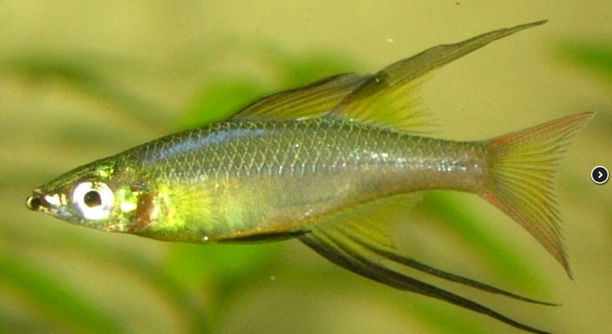
Threadfins are social fish that often thrive alongside compatible tankmates, creating a peaceful and interactive environment. Losing a companion can leave noticeable gaps in their daily routines and behaviors, affecting how they interact with their surroundings.
After losing a tankmate, threadfins may exhibit increased restlessness, reduced feeding activity, or heightened caution. They often adjust their swimming patterns and social behaviors, reflecting both stress responses and attempts to reestablish balance within their environment.
Observing these changes is essential for maintaining their well-being and ensuring the tank remains a stable and comfortable home.
Changes in Swimming Behavior
After losing a tankmate, threadfins often show noticeable changes in their swimming patterns. They may swim more slowly or stick closer to the tank walls. Some may circle the tank repeatedly, searching for their missing companion. Others could suddenly dart from one area to another, appearing more anxious than usual. These behaviors reflect both stress and an attempt to adjust to a new social dynamic. Observing their movement can help identify how deeply the loss is affecting them. Environmental enrichment, like adding plants or decorations, can provide distractions and encourage natural exploration. Additionally, keeping a consistent feeding schedule can help restore some stability to their routine. Over time, many threadfins gradually return to calmer swimming habits as they adapt to the change. Providing a stable and predictable environment reduces stress and encourages the fish to explore their habitat with confidence. Their swimming behavior serves as a reliable indicator of emotional adjustment.
Swimming patterns are often the first sign of stress in threadfins. Monitoring these changes is key.
Gradual changes in the tank layout can help threadfins adjust. Adding hiding spots or rearranging decorations encourages them to explore and feel secure. Observing interactions with other remaining tankmates can reveal social adjustments and dominance shifts. Providing a stable feeding routine reinforces a sense of normalcy. Some threadfins may take weeks to fully adapt, so patience is essential.
Appetite and Feeding Shifts
Threadfins may eat less or show selective feeding after losing a tankmate.
Reduced appetite is a common stress response. Ensuring high-quality, nutritious food encourages regular eating habits and helps maintain health.
Stress from the loss can make threadfins hesitant during feeding times. They may avoid areas they previously visited or wait until the tank is quieter. Offering smaller, frequent meals can help entice them to eat and maintain energy levels. Watching their behavior during feeding can indicate whether additional interventions, like temporary isolation or extra hiding spots, are necessary. Some fish benefit from interactive feeding, where food is dispersed in different tank areas to stimulate natural foraging instincts. Keeping the environment calm and consistent, especially around feeding times, helps threadfins regain confidence and appetite. Over several days, most fish gradually resume normal feeding behavior as they acclimate to the absence of their companion. This adjustment period is essential for preventing long-term health issues related to stress or reduced nutrition.
Increased Hiding and Resting
Threadfins often retreat to hiding spots more frequently after losing a tankmate. This behavior helps them feel safer and reduces stress.
Hiding allows threadfins to process changes in their environment without constant exposure to perceived threats. They may rest longer than usual or remain near plants and decorations, avoiding open water. This is a natural coping mechanism, but prolonged hiding can indicate high stress levels. Offering secure areas in the tank helps them regain confidence gradually. It’s important to monitor whether they still interact with other tankmates or explore the tank occasionally. Adjusting lighting or providing gentle currents can encourage activity without forcing them out of hiding. Observing these behaviors over time provides insight into their emotional recovery.
Some threadfins may need weeks to fully return to normal activity, so patience is essential. Creating a safe, consistent environment encourages gradual exploration.
Over time, they may start to venture out more, but still show caution. Encouraging interactions with the environment and slowly introducing stimuli can help them feel secure again. Consistent observation ensures their well-being and prevents long-term stress effects.
Changes in Social Interactions
Threadfins often alter how they interact with other tankmates after a loss. They may become more reserved or dominant in certain situations.
These fish adjust their social behavior to cope with the missing companion. Some may avoid group activity, staying on the periphery, while others attempt to establish new social hierarchies. This can include gentle chasing, nudging, or asserting space in feeding areas. Monitoring interactions ensures aggression does not escalate and that all fish remain healthy. Observing subtle signs like fin displays, tail movements, or proximity can indicate stress or social adjustment. Providing additional hiding spots or spacing out feeding can minimize conflicts. Gradual reintroduction to active group dynamics encourages a balanced social environment, helping threadfins adapt over time. Regular observation of interactions helps prevent long-term behavioral issues.
Creating a supportive tank environment, including sufficient space and enrichment, promotes healthy social behavior. Adjusting decorations and feeding locations can reduce tension and encourage positive interactions among remaining tankmates.
Stress Indicators
Threadfins may show subtle signs of stress after losing a tankmate, including rapid gill movements or occasional trembling. Observing these behaviors helps identify if the fish is struggling to adapt to the change.
Other indicators include clamped fins, loss of color, or reduced activity. Recognizing stress early allows for adjustments in the tank environment to support recovery.
Adjusting to a New Tankmate
Introducing a new tankmate can help threadfins regain social balance. It is important to choose a compatible species that matches their temperament and size. Gradual introductions reduce aggression and allow the fish to acclimate to one another. Monitoring interactions ensures a safe and stress-free adjustment period.
Environmental Enrichment
Adding plants, decorations, and hiding spots keeps threadfins engaged. It reduces stress and encourages natural behaviors, supporting their overall well-being.
FAQ
How long does it take for threadfins to adjust after losing a tankmate?
Threadfins typically need anywhere from a few days to several weeks to adjust, depending on their temperament and the strength of their bond with the lost companion. Some fish may resume normal swimming and feeding within a week, while others may require longer periods of calm and stable conditions to fully recover. Observing their behavior during this time is essential to ensure they are adapting well and not experiencing prolonged stress.
Will threadfins eat less after losing a tankmate?
Yes, reduced appetite is common. Stress from the absence of a companion can make them hesitant to approach food. Offering smaller, frequent meals and placing food in different areas of the tank can help stimulate interest in eating. Maintaining a consistent feeding schedule and providing high-quality food ensures they continue receiving proper nutrition while they adjust.
Do threadfins become aggressive after a loss?
Some threadfins may show temporary changes in social behavior, including increased dominance or mild chasing of remaining tankmates. This behavior usually stabilizes over time as they adjust to the new social dynamic. Providing hiding spots and extra space during feeding can reduce tension and prevent conflicts from escalating.
How can I reduce stress for my threadfins?
Stress can be minimized by maintaining a consistent tank environment. Stable water parameters, gentle lighting, and a calm atmosphere support recovery. Adding plants, decorations, or other forms of enrichment gives them secure areas to explore and hide, helping them regain confidence and feel more comfortable.
Should I introduce a new tankmate immediately?
Introducing a new tankmate too quickly can increase stress. It’s best to wait until your threadfins show signs of returning to normal behavior, including regular swimming, feeding, and interaction. Gradual introductions in a controlled manner allow both the existing and new fish to acclimate safely.
Can threadfins mourn the loss of a tankmate?
While mourning in the human sense isn’t confirmed, threadfins do show behavioral changes that indicate stress or confusion after losing a companion. Changes in activity, hiding, or appetite reflect their adjustment process and the social gap left by the lost tankmate.
How can I tell if my threadfins are recovering?
Signs of recovery include regular swimming patterns, resuming normal feeding, exploring the tank, and interacting appropriately with remaining tankmates. Gradual improvement in color, fin posture, and energy levels also indicates they are adapting well to the change.
Are there long-term effects from losing a tankmate?
Most threadfins adjust fully if given proper care, but prolonged stress or lack of social interaction can lead to behavioral issues or weakened immunity. Maintaining a stable environment, providing enrichment, and observing interactions can prevent long-term problems and support overall health.
Do environmental changes help threadfins cope?
Yes, small changes like adding hiding spots, rearranging decorations, or introducing gentle currents can help threadfins feel secure and stimulated. These adjustments encourage natural behaviors, reduce stress, and promote a smoother recovery after the loss of a tankmate.
When should I consult a professional?
If threadfins show persistent stress, refusal to eat, visible signs of illness, or aggression that does not improve, consulting a veterinarian or an aquatic specialist is recommended. Early intervention can prevent serious health issues and ensure a supportive environment for your fish.
Can introducing more than one new tankmate at a time be harmful?
Yes, adding multiple new fish simultaneously can overwhelm threadfins, increasing stress and potential aggression. Introducing one compatible fish at a time allows careful monitoring and gradual social adaptation. This approach ensures smoother integration and reduces conflicts within the tank.
What role does tank size play in adjustment?
A spacious tank with sufficient swimming areas and hiding spots helps threadfins feel secure and reduces stress during adjustment. Crowded tanks can amplify tension and delay recovery, making space and layout essential for healthy behavioral adaptation.
Is it normal for threadfins to alternate between hiding and swimming after a loss?
Yes, alternating between hiding and exploring is part of their coping mechanism. This behavior allows them to manage stress while gradually regaining confidence to interact with the environment and other tankmates. Observing these patterns helps gauge recovery progress.
Can diet affect how threadfins cope with the loss?
Proper nutrition supports stress management and overall health. High-quality, protein-rich foods help maintain energy levels and strengthen immunity, aiding in faster recovery from the behavioral and emotional effects of losing a tankmate.
How can I prevent future stress from social changes?
Providing compatible tankmates, maintaining stable water conditions, and ensuring enough space for exploration and hiding can reduce stress in future situations. Regular observation and timely intervention help prevent prolonged adjustment issues and support the well-being of threadfins.
Threadfins are sensitive and social fish, and losing a tankmate can have a noticeable impact on their behavior and daily routines. It is natural for them to exhibit stress responses, including changes in swimming patterns, reduced appetite, increased hiding, or temporary shifts in social interactions. Recognizing these signs early is crucial for helping them adjust to the new situation. By observing their behavior carefully, you can identify what changes are temporary and which might require more attention. Providing a consistent and calm environment helps threadfins feel secure, giving them the confidence to explore their tank and interact with remaining companions. Patience is essential, as each fish adapts at its own pace, and rushing the process can increase stress and delay recovery.
Creating a supportive environment involves more than just maintaining water quality. Adding plants, decorations, and hiding spots can help threadfins feel safe and reduce stress. Small adjustments in the tank layout encourage exploration while giving them secure areas to retreat to when needed. Feeding routines also play an important role. Offering smaller, frequent meals in different areas of the tank can help stimulate appetite and encourage regular eating habits. Observing how threadfins respond to environmental enrichment provides insight into their emotional recovery. Over time, these changes help restore a sense of normalcy, allowing threadfins to regain confidence and stability in their habitat. Providing these small comforts ensures that the fish can adapt in a healthy and controlled manner without feeling overwhelmed or threatened.
Finally, understanding that recovery can take time is key. Threadfins do not all adjust at the same rate, and some may require several weeks to fully resume normal behavior. Monitoring their interactions, appetite, and activity levels consistently helps ensure they are coping well with the absence of a tankmate. Introducing a new, compatible companion should be done gradually and carefully to avoid additional stress or conflicts. Observing the response to a new tankmate allows you to adjust the approach if needed. Ultimately, maintaining a stable, enriched environment with patience and careful observation is the most effective way to support threadfins after losing a tankmate. By providing safety, consistency, and proper care, you help ensure their long-term health and well-being, allowing them to thrive in their tank despite the initial loss.

Hello,
If you enjoy the content that we create, please consider saying a "Thank You!" by leaving a tip.
Every little bit helps us continue crafting quality advice that supports the health, happiness, and well-being of pets around the world, for pets of all shapes, sizes, and species.
We really appreciate the kindness and support that you show us!