
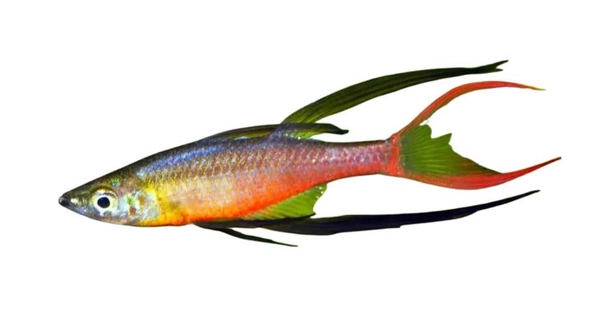
Have you ever noticed your threadfins staying near the middle or bottom of the tank, rarely coming up to the surface even when feeding? Many aquarists observe this behavior without fully understanding its cause or implications for care.
Threadfins often avoid the top of the tank due to their natural preference for calmer waters and sensitivity to surface disturbances. Factors such as strong currents, bright lights, and environmental stressors can cause them to remain lower in the water column for comfort and safety.
Observing these habits more closely can improve tank setup and feeding routines, helping your threadfins feel secure and thrive in their environment.
Environmental Factors Affecting Threadfin Behavior
Threadfins are highly sensitive to their surroundings. Strong water currents can make them uncomfortable near the surface, causing them to stay lower where water movement is gentler. Bright overhead lighting may also stress them, as their eyes are adapted for dimmer, more diffuse light. Even minor vibrations around the tank can trigger avoidance behavior. Maintaining a consistent water temperature is critical because sudden fluctuations can cause anxiety, encouraging threadfins to seek refuge lower in the tank. Decorations, plants, and hiding spots provide security, helping them feel less exposed. Filtration and aeration systems should be adjusted carefully to avoid strong turbulence at the surface. Observing your threadfins’ reactions to different setups can help you identify the best environment for them. Proper tank maintenance and minimizing abrupt changes in their habitat ensures that threadfins remain healthy and confident in exploring more of their tank over time.
Proper lighting and gentle water flow can encourage threadfins to venture closer to the surface safely.
Threadfins respond well when the tank environment mimics natural conditions. Soft, indirect lighting and moderate water movement allow them to explore without feeling threatened. Adding floating plants or surface cover creates shaded areas that reduce stress. They also appreciate consistent feeding schedules, which makes surface activity more predictable. Avoid overcrowding the tank, as competition and sudden movements can make threadfins retreat. Watching them over time helps you learn what specific conditions encourage surface activity. Small changes, like adjusting the filter output or dimming lights slightly, can have a noticeable impact. Tank decorations that create mid-level hiding spots provide a balance between security and opportunity, letting threadfins gradually become comfortable near the top. With careful observation and patience, these fish can display more natural behaviors, improving both their well-being and the overall dynamics of your aquarium.
Feeding Habits and Surface Avoidance
Threadfins often stay lower when they are not confident about feeding routines.
Feeding practices significantly influence their willingness to approach the tank’s surface. Threadfins are surface-feeders in the wild but may be cautious in captivity if food drops too quickly or unpredictably. Using small, frequent feedings rather than one large portion helps them feel safer. Floating foods that move gently on the water’s surface are easier for them to access, while sudden splashes or rapidly sinking pellets may trigger avoidance. They respond positively to consistency in timing and method, so establishing a predictable routine reduces stress. Observing which types of food they prefer can also guide adjustments, whether live, frozen, or specially formulated pellets. Over time, patience and careful feeding practices help threadfins build confidence, making them more likely to explore the upper water levels. Balancing water quality, tank setup, and feeding habits ensures a supportive environment where threadfins can thrive naturally.
Tank Size and Swimming Space
Smaller tanks can make threadfins feel cramped, encouraging them to stay lower. They need ample horizontal swimming space to feel comfortable and explore different water levels safely.
Threadfins are active swimmers that prefer elongated tanks with enough depth and length. Limited space restricts movement and can increase stress, making them hesitant to approach the surface. Overcrowding further intensifies this effect, as territorial behavior and competition reduce confidence. Providing a tank that allows free swimming and gradual exploration of higher levels encourages natural behavior. Mid-level decorations and gentle open areas also give them a sense of security while moving upward. Adjusting tank layout and monitoring their activity helps ensure threadfins develop confidence in using all areas of the tank.
Threadfins respond positively to structured swimming zones. Open spaces combined with strategically placed hiding spots allow them to transition between levels safely. Gradual exposure to surface areas, without sudden changes or disturbances, promotes more balanced activity. Observing their movement patterns can guide adjustments to tank size, shape, and layout. Ensuring they have plenty of space reduces stress and fosters natural exploration behaviors. Over time, a well-planned tank allows threadfins to enjoy swimming near the surface without feeling threatened or confined.
Social Behavior and Group Dynamics
Threadfins may avoid the top when they feel insecure within their group. Social hierarchies influence their movement patterns and surface activity.
The presence of other fish can affect threadfins’ confidence levels. Aggressive or dominant tank mates may intimidate them, causing retreat to lower levels. Conversely, a well-balanced group with compatible species encourages exploration. Maintaining small groups of threadfins together helps them establish a stable social structure. Observing interactions between fish provides insight into why certain individuals avoid the surface. Stress from bullying or competition can reduce feeding efficiency and overall activity. Careful selection of tank mates and providing escape routes can alleviate pressure, allowing threadfins to gradually utilize upper water areas. Monitoring group behavior ensures a harmonious environment where all fish feel secure and active.
Water Quality Considerations
Poor water quality can make threadfins avoid the top of the tank. Ammonia, nitrite, or sudden pH changes create stress, prompting them to stay in safer, lower areas.
Regular testing and maintenance are essential. Clean water reduces stress and encourages threadfins to explore all tank levels, including the surface.
Temperature and Lighting
Threadfins are sensitive to temperature fluctuations. Sudden drops or spikes in water temperature can make them retreat to lower zones. Maintaining a stable range is key.
Consistent, gentle lighting helps threadfins feel secure near the surface. Bright or harsh lights can trigger avoidance behavior. Using adjustable lighting or floating plants to diffuse brightness provides a calmer environment. Observing how threadfins react to light and temperature changes allows for small adjustments that improve overall activity. Gradual acclimation to surface conditions and careful monitoring ensures they become more confident over time, reducing stress-related hiding and encouraging natural swimming patterns.
Stress and Disturbances
Frequent tapping, vibrations, or nearby movement can startle threadfins, keeping them near the bottom. They respond best to calm, predictable surroundings.
FAQ
Why do my threadfins stay at the bottom even during feeding?
Threadfins may stay at the bottom if they feel insecure or stressed. Factors like strong surface currents, bright lights, or sudden movements can make them cautious. Using smaller, gentle feedings and placing food closer to mid-levels helps them gradually approach the surface. Providing hiding spots and shaded areas near the top also encourages exploration without feeling threatened.
Can water temperature affect where threadfins swim?
Yes, threadfins are sensitive to temperature changes. Sudden drops or spikes can cause them to seek cooler or warmer areas near the bottom. Maintaining a stable temperature within their preferred range supports natural swimming behavior. Gradually adjusting conditions when necessary helps them feel more comfortable near the surface.
Does tank size influence threadfins’ vertical movement?
Smaller or overcrowded tanks limit their swimming space, increasing stress and making them less likely to use upper levels. Long, open tanks with enough horizontal and vertical space allow them to move freely, encouraging natural activity. Mid-level decorations and hiding spots provide security while they explore higher water zones.
How do social dynamics affect surface activity?
Threadfins are influenced by their group and tank mates. Aggressive or dominant fish may intimidate them, causing retreat to lower zones. Keeping a compatible group and observing interactions reduces stress. Small groups of threadfins together allow them to establish a hierarchy and feel confident exploring different water levels safely.
Does lighting play a role in their behavior?
Bright, harsh lighting can stress threadfins, causing them to avoid the surface. Consistent, soft lighting, or floating plants that diffuse light, creates a calmer environment. Gradually increasing light exposure encourages confidence, helping them explore upper areas without feeling exposed.
Can water quality affect their willingness to swim at the top?
Absolutely. Poor water quality, including high ammonia, nitrite, or sudden pH shifts, can make threadfins feel unsafe. Regular water testing, partial water changes, and maintaining clean conditions reduce stress and allow them to swim more naturally throughout the tank, including near the surface.
How can I encourage threadfins to explore the top safely?
Providing a balanced tank setup, gentle water flow, and consistent feeding routines encourages exploration. Floating plants or surface cover reduce exposure and stress. Observing their behavior allows small adjustments in lighting, water flow, and feeding location to gradually build confidence. Patience is essential, as sudden changes can cause retreat.
Do disturbances outside the tank affect threadfins?
Yes, vibrations, tapping, or nearby movement can startle them, making them avoid the top. Keeping a calm environment, limiting sudden activity near the tank, and ensuring secure decorations reduce stress and promote natural swimming patterns.
Can diet influence their surface activity?
Threadfins may be more willing to come up if food is predictable and easy to access. Using floating foods or gently sinking pellets encourages surface feeding without creating stress. Small, frequent feedings build confidence and associate the upper water levels with safety and nourishment.
Is it normal for threadfins to prefer the lower water column?
Yes, this is natural for many threadfin species. They often feel safer near the bottom or mid-levels, especially in new or stressful environments. Over time, with proper care, a stable environment, and gentle encouragement, they can become more comfortable exploring the top of the tank.
What other environmental factors should I consider?
Temperature, lighting, water quality, tank size, and social dynamics all influence surface behavior. Reducing sudden changes, providing hiding spaces, and ensuring a calm, balanced habitat are key. Gradual adjustments and close observation help threadfins adapt naturally to different water levels while reducing stress.
How long does it take for threadfins to explore the top confidently?
The timeline varies with individual fish and conditions. Some may take a few days, while others need weeks or months. Consistent care, minimal disturbances, and gradual exposure to the upper levels help build confidence, encouraging them to use the full vertical range of the tank.
Can surface behavior indicate health issues?
Avoidance of the top can sometimes signal stress or illness. Sudden changes in behavior, lethargy, or refusal to feed may indicate underlying health problems. Monitoring water quality, observing interactions, and checking for signs of disease ensures early intervention and supports overall well-being.
Are there specific tank setups that improve surface activity?
Yes. Tanks with gentle water flow, consistent temperature, soft lighting, and well-placed decorations encourage safe exploration. Floating plants, mid-level shelters, and predictable feeding zones create a comfortable environment. Observing your threadfins’ reactions allows fine-tuning of the setup to match their preferences and boost confidence over time.
Final Thoughts
Threadfins are fascinating fish with unique behaviors that often leave aquarists wondering why they avoid the top of the tank. Their tendency to stay near the bottom or mid-levels is influenced by several factors, including environmental conditions, social interactions, and natural instincts. Understanding these influences is key to creating a supportive tank environment where threadfins can thrive. Stress, bright lighting, strong currents, and sudden disturbances can make them feel vulnerable near the surface. By providing consistent water conditions, gentle lighting, and secure hiding spots, you can reduce anxiety and encourage more natural movement throughout the tank. Observing their patterns and making small, gradual adjustments helps threadfins become more comfortable exploring all areas of their habitat.
Tank setup and design play an important role in threadfins’ willingness to use the upper water column. Larger tanks with ample horizontal and vertical space allow them to swim freely and establish confidence in exploring higher levels. Mid-level decorations, floating plants, and open swimming areas provide security while giving them opportunities to reach the surface. Social dynamics are also significant; aggressive or dominant tank mates can discourage surface activity. Keeping compatible species together and maintaining a stable group helps threadfins feel secure. Feeding routines, including using floating or slow-sinking foods, can also encourage surface exploration. Consistency in feeding schedules and minimizing sudden changes in water flow or lighting creates a predictable environment where threadfins gradually associate the top of the tank with safety and nourishment.
Patience is essential when caring for threadfins. Each fish has its own temperament and comfort level, and some may take longer to explore the top than others. Monitoring water quality, temperature, and lighting, along with providing hiding spots and gentle water movement, supports their overall well-being. Small, gradual adjustments to their environment help build confidence without causing unnecessary stress. Over time, threadfins may begin to use the full vertical range of the tank more naturally, displaying healthier and more balanced behaviors. Understanding their needs and observing their responses allows aquarists to provide an environment that promotes comfort, reduces stress, and encourages natural exploration. Proper care ensures that threadfins remain healthy, active, and engaged in their habitat for the long term.

Hello,
If you enjoy the content that we create, please consider saying a "Thank You!" by leaving a tip.
Every little bit helps us continue crafting quality advice that supports the health, happiness, and well-being of pets around the world, for pets of all shapes, sizes, and species.
We really appreciate the kindness and support that you show us!