
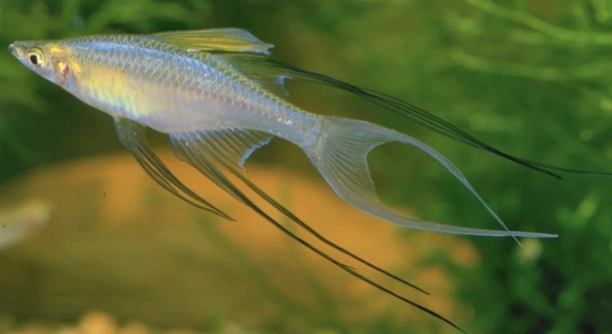
Do your threadfins seem uneasy in your home aquarium, despite careful attention to water quality and feeding schedules? Many aquarists do not realize that tank decorations can affect their fish’s comfort and natural behavior patterns.
Threadfins face several challenges in overdecorated tanks, including limited swimming space, increased stress, difficulty in maintaining water quality, heightened risk of injury, disrupted schooling behavior, reduced visibility for feeding, and interference with natural territorial instincts.
Understanding these challenges helps ensure threadfins remain healthy and active. We will explore how decorations impact their behavior and well-being in detail throughout the article.
Limited Swimming Space
Threadfins are active swimmers that require plenty of open water to move freely. Overdecorating a tank can restrict their swimming paths, forcing them to navigate around rocks, ornaments, and plants. This limitation can cause frustration, stress, and reduced exercise, which may affect their growth and overall health. Threadfins rely on constant movement for proper circulation and muscle development. When space is cramped, they may avoid certain areas, which reduces their ability to explore and interact with the tank environment. Even small decorations can interfere with natural swimming patterns, creating blind spots that increase the likelihood of collisions and minor injuries. Keeping the tank layout simple and spacious allows threadfins to display natural behaviors, improving their comfort. Observing a threadfin swim freely is rewarding, as it shows their vitality and well-being. Ensuring adequate open water is critical for maintaining a balanced and healthy aquarium that supports the fish’s physical and mental health.
Limiting decorations improves swimming space and encourages healthier, more active behavior for threadfins in the aquarium.
Open swimming areas support physical development, reduce stress, and allow threadfins to interact naturally. A simple tank layout prevents injuries and promotes healthier social interactions among the fish.
Increased Stress
Overcrowded tanks with excessive decorations can raise stress levels in threadfins. Stress negatively affects their immune system, making them more susceptible to diseases and behavioral changes. Constantly navigating obstacles can trigger anxiety, reduce feeding efficiency, and disturb their natural routines.
Stress in threadfins can manifest as hiding, rapid swimming, or aggression. Continuous stress may also stunt growth and lower life expectancy.
Managing stress requires careful planning of tank decoration, considering both aesthetics and the needs of active swimmers. Threadfins thrive when they have predictable swimming paths and clear sightlines to observe their environment. Decorations should provide subtle shelter without obstructing movement or visual contact between fish. Using fewer ornaments and placing them strategically allows threadfins to feel secure while maintaining freedom of motion. Overly complex layouts can disrupt schooling, prevent proper feeding, and increase territorial disputes. Observing behavior changes is essential; fish that seem restless or avoid certain areas may be experiencing stress from cluttered surroundings. Maintaining balance between open space and necessary decoration supports a healthier, more natural aquarium environment for threadfins.
Difficulty Maintaining Water Quality
Overdecorated tanks trap debris and uneaten food, making water quality harder to maintain. Waste accumulates in hidden corners, increasing ammonia and nitrate levels, which can harm threadfins.
Decorations like rocks, driftwood, and dense plants create pockets where organic matter settles. These hidden areas are difficult to clean regularly, allowing bacteria to multiply and altering water chemistry. Threadfins are sensitive to changes in ammonia, nitrite, and nitrate, which can lead to stress, illness, and weakened immunity. Routine testing and partial water changes may not fully compensate if the tank is cluttered, as debris continues to accumulate. Choosing fewer, strategically placed decorations allows for easier cleaning and prevents stagnant areas, helping maintain a stable environment. A clean tank reduces stress and supports the fish’s natural behavior, feeding, and overall vitality.
Keeping the tank layout simple ensures better circulation and easier maintenance, directly impacting threadfin health and tank stability.
Minimizing clutter reduces waste buildup, improves water quality, and supports long-term health, while still allowing room for essential hiding spots and aesthetic appeal.
Heightened Risk of Injury
Threadfins are fast swimmers and can injure themselves in overdecorated tanks. Sharp edges, narrow gaps, and tightly packed ornaments increase the likelihood of scrapes and fin damage.
Collisions with decorations can lead to torn fins, scale loss, or internal injuries. Injured fish are more prone to infections and slower recovery, which can affect their overall vitality. Even harmless-looking items, like artificial plants or rocks with jagged edges, can pose risks when threadfins dart quickly or chase each other. Smooth, rounded decorations placed thoughtfully reduce accident risks while still providing shelter and visual interest. Observing fish behavior helps identify problematic areas and prevents repeated injuries. A safer layout encourages active swimming without constant fear of collision, preserving the fish’s health and confidence in the tank environment.
Disrupted Schooling Behavior
Threadfins rely on schooling for safety and social interaction. Overdecorated tanks make it difficult for them to maintain formation, breaking up their natural group behavior and creating stress.
Obstructed swimming paths force fish to scatter, reducing coordination and increasing anxiety. Proper schooling requires open space and clear sightlines.
Reduced Visibility for Feeding
Cluttered tanks make it harder for threadfins to find food. Decorations can hide pellets and flakes, leading to uneven feeding and nutritional deficiencies. Some fish may miss meals entirely while others overeat, causing imbalance and potential health problems.
Interference with Territorial Instincts
Threadfins need defined territories to feel secure. Overcrowded decorations can blur boundaries, triggering unnecessary aggression and stress, and affecting their natural social hierarchy.
FAQ
How many decorations are too many for a threadfin tank?
Too many decorations restrict swimming space and create hiding spots that trap waste. A minimalistic approach works best, with only a few carefully placed rocks, driftwood, or plants. Threadfins need open areas for movement while having some shelter to reduce stress and feel secure.
Can overdecorating cause disease in threadfins?
Yes. Overdecorated tanks trap debris, uneaten food, and waste, creating hotspots for harmful bacteria. Poor water circulation in cluttered areas can raise ammonia and nitrate levels, weakening the fish’s immune system. Regular cleaning is difficult if the tank is crowded, increasing the risk of infection.
Do threadfins injure themselves on decorations?
They can. Fast swimming, chasing, or darting around objects can cause torn fins, scale loss, or bruising. Decorations with sharp edges or tight gaps are especially risky. Using smooth, rounded ornaments placed strategically reduces injury risk while still offering some shelter.
Why do threadfins seem stressed in a decorated tank?
Excess decorations limit open swimming space, disrupt schooling behavior, and block sightlines. Constant navigation around obstacles can lead to anxiety and restlessness. Stress may manifest as hiding, aggression, or irregular feeding patterns, all of which impact health and growth.
How can I maintain water quality in a decorated tank?
Simplify the layout to allow easier cleaning and water flow. Remove debris from corners, perform regular water changes, and test water chemistry often. Fewer decorations reduce dead spots where waste accumulates, keeping ammonia, nitrite, and nitrate levels stable.
Do threadfins need hiding spots at all?
Yes, but sparingly. A few well-placed shelters provide security without restricting movement. Overcrowding the tank can blur territorial boundaries, disrupt schooling, and increase stress. Small caves or sparse plants usually meet their need for privacy while maintaining open swimming space.
Will reducing decorations make the tank look empty?
Not necessarily. Strategic placement of a few items can create a natural look while prioritizing threadfin health. Focus on open space, clear swimming paths, and a few visually appealing ornaments. Open tanks highlight the fish’s natural beauty and activity.
How do I know if my threadfins are affected by decorations?
Observe behavior closely. Signs include erratic swimming, hiding excessively, aggression, or avoiding certain areas. Uneven feeding or slow growth may also indicate stress from cluttered surroundings. Adjusting the layout and monitoring responses can reveal the impact.
Can schooling improve if I remove some decorations?
Yes. Threadfins need open water to swim in unison. Removing excess ornaments allows better coordination and reduces anxiety. Clear sightlines let them maintain natural formation and interact socially, enhancing overall well-being.
What is the ideal balance between decoration and open space?
Keep the majority of the tank open while including a few shelters. Focus on smooth, safe decorations that do not block swimming paths. This balance minimizes stress, supports natural behavior, and ensures easy cleaning and water quality maintenance.
Are live plants better than artificial decorations for threadfins?
Live plants can improve water quality and offer gentle hiding spots. However, dense planting may still limit swimming space. Use hardy, sparsely placed plants to provide security without compromising mobility, visibility, or cleaning access.
How often should I rearrange decorations for threadfins?
Frequent rearrangement can increase stress. Keep the layout consistent once it is safe and spacious. Only adjust when necessary, such as removing sharp objects, clearing debris, or making minor improvements for better swimming paths.
Do threadfins behave differently in small tanks compared to large tanks?
Yes. In small, decorated tanks, space limitations are more pronounced, leading to increased stress, collisions, and disrupted schooling. Larger tanks with minimal decoration allow freer movement, healthier social interaction, and less risk of injury or poor water quality.
How do I safely add decorations without harming threadfins?
Choose smooth, non-toxic materials and place them strategically to maintain open swimming areas. Avoid overcrowding, sharp edges, or tight gaps. Introduce one or two items at a time and monitor the fish’s response to ensure comfort and safety.
What are the long-term effects of overdecorating?
Persistent overcrowding can stunt growth, increase stress, reduce immunity, and cause chronic injuries. Behavioral issues such as disrupted schooling, aggression, and hiding become more pronounced. Maintaining a simple, spacious environment ensures long-term health, proper development, and natural behavior patterns.
Can I combine aesthetic appeal with threadfin health?
Yes. Minimal, well-placed decorations maintain open space while providing visual interest. Using natural-looking rocks, smooth driftwood, and sparse plants allows the tank to look attractive without compromising fish welfare or swimming freedom.
Is it okay to replicate a natural river environment with many decorations?
Partial replication works, but overcrowding can harm threadfins. Focus on key elements like a few rocks or gentle plants while keeping swimming areas open. Prioritizing mobility and visibility ensures the fish thrive while still reflecting a natural aesthetic.
How do I transition a cluttered tank to a safer layout?
Remove excess items gradually to avoid shocking the fish. Keep essential shelters and rearrange for open swimming paths. Monitor water quality and fish behavior during the transition to ensure minimal stress. Proper maintenance prevents debris accumulation and improves overall health.
What are the main priorities for decorating a threadfin tank?
Open swimming space, safe surfaces, minimal hiding spots, and proper water flow. Decorations should enhance comfort without limiting mobility, disrupting schooling, or creating cleaning challenges. Balancing these priorities ensures threadfins remain active, healthy, and stress-free.
Can overdecorating affect feeding habits long-term?
Yes. Hidden food or blocked sightlines can cause uneven nutrition, missed meals, and overfeeding of certain fish. Long-term consequences include slower growth, weakened immunity, and unhealthy weight distribution. Keeping the tank simple ensures consistent feeding and proper nutrition for all threadfins.
How often should I monitor fish behavior in decorated tanks?
Daily observation is ideal. Watch for signs of stress, aggression, hiding, or irregular swimming. Prompt adjustments in layout or cleaning routines can prevent injury, illness, and behavioral disruption, keeping threadfins healthy and comfortable.
Does tank size change decoration considerations?
Yes. Smaller tanks require fewer decorations to maintain open swimming areas, while larger tanks can handle slightly more items. Regardless of size, ensuring unobstructed movement, visibility, and safe surfaces remains the top priority.
Can I create hiding spaces without overcrowding?
Yes. Use one or two small caves, gentle driftwood, or sparse plants. Place them at tank edges to provide shelter while leaving the majority of swimming space open. This strategy reduces stress without sacrificing mobility or social interaction.
Are there decorations that are completely safe for threadfins?
Smooth rocks, rounded driftwood, and sparse, sturdy plants are safest. Avoid sharp, brittle, or toxic materials. Even safe decorations should be positioned thoughtfully to avoid blocking paths, creating blind spots, or trapping debris that could affect water quality.
How do I maintain water flow with decorations?
Place items to allow unobstructed circulation from filters and pumps. Avoid clustering objects in corners or directly in currents. Proper flow prevents stagnant areas, supports oxygenation, and reduces debris buildup, keeping water quality stable.
Will threadfins adapt to heavily decorated tanks over time?
They may adjust partially, but stress, injury risk, and disrupted schooling persist. Long-term adaptation does not fully compensate for cramped spaces, poor circulation, or hidden waste. Minimizing clutter is far more effective for health and natural behavior.
Can overcrowding affect breeding or reproductive behavior?
Yes. Stress, disrupted territories, and limited swimming space reduce mating displays and courtship behaviors. Threadfins may avoid certain areas or fail to interact socially, impacting reproductive success. Maintaining open, safe environments supports natural breeding behaviors.
How do I balance aesthetics, water quality, and fish health?
Use minimal, strategically placed decorations that offer shelter without restricting swimming. Monitor water chemistry and clean regularly. Prioritize open space and clear sightlines, ensuring threadfins can swim freely while the tank maintains a natural, visually appealing layout.
What is the most common mistake with decorating threadfin tanks?
Overcrowding the tank with excessive ornaments, plants, or rocks. While it may look natural, it compromises swimming space, increases stress, disrupts schooling, and complicates cleaning. Prioritizing fish health over aesthetics prevents long-term problems.
Can decorations influence aggression levels?
Yes. Too many hiding spots or blurred territorial boundaries increase conflicts. Threadfins may fight over limited space, escalate disputes, or become stressed. Proper spacing and minimal decoration reduce aggression while allowing natural social interactions.
Are there decorations that help reduce stress without crowding the tank?
Yes. Small caves, a few tall plants at edges, or smooth driftwood placed strategically can offer security. These items provide comfort while maintaining open swimming paths, clear sightlines, and low debris accumulation.
How do I monitor if water flow is affected by decorations?
Check for stagnant areas, uneven circulation, or trapped debris. Observe fish swimming patterns; hesitation or clustering may indicate blocked currents. Adjust or remove decorations to restore proper flow, ensuring oxygenation and cleanliness.
What are key takeaways for decorating threadfin tanks?
Prioritize open swimming space, safe and minimal decorations, proper water flow, and easy maintenance. Balance aesthetic elements with fish health, reducing stress, injury, and behavioral disruptions while supporting natural activity and social behavior.
How do I make small adjustments without stressing the fish?
Change one decoration at a time, keep shelters consistent, and observe reactions closely. Gradual modifications allow fish to acclimate while maintaining a safe, comfortable environment.
What signs show that the tank is balanced?
Threadfins swim freely, feed evenly, display normal schooling, and show minimal hiding or aggression. Water remains clear, with stable ammonia and nitrate levels, indicating a healthy, well-maintained environment.
Can decorations affect oxygen levels?
Dense plants or clustered items can reduce circulation, leading to oxygen-poor pockets. Ensuring open areas and clear water flow maintains proper oxygenation, supporting healthy respiration and activity levels.
Should I consider the size of threadfins when decorating?
Yes. Larger fish need more open space and fewer obstacles, while smaller fish can tolerate some hiding spots. Adjust decoration quantity and placement according to fish size to prevent stress and collisions.
How often should I clean decorations?
Clean items during routine water changes, removing trapped debris and algae. Avoid over-cleaning that could remove beneficial bacteria. Focus on high-risk areas where waste accumulates, keeping surfaces safe and hygienic.
Is it necessary to remove all decorations to reduce stress?
Not entirely. Strategic placement of a few safe items provides comfort without limiting swimming space. The goal is balance: enough shelter for security but plenty of open water for natural behavior.
Do threadfins prefer certain types of decorations?
Smooth, rounded surfaces, minimal shelters, and gentle plants are preferred. These allow swimming freedom, reduce injury risk, and provide subtle security without creating obstacles or stress-inducing clutter.
Can decorative sand or substrate impact behavior?
Yes. Fine sand allows natural foraging without creating sharp edges, but dense gravel may trap waste or injure fins. Choose substrates that support feeding and easy cleaning while minimizing risk.
Should I consider tank lighting when placing decorations?
Yes. Shadows and bright areas affect visibility and stress levels. Decorations should not block light excessively or create dark corners that trap debris, ensuring a balanced environment that supports normal behavior.
How do I evaluate if decorations are working well?
Observe swimming patterns, social behavior, feeding, and stress signs. If fish swim freely, maintain schooling, feed consistently, and show minimal aggression, decorations are well-placed and supportive of their needs.
Can threadfins interact safely with decorations in groups?
Yes, if space is sufficient. Overcrowding increases collisions, stress, and aggression. Proper layout allows multiple fish to navigate freely while still using shelters, maintaining social harmony and reducing injuries.
Are floating decorations better than fixed ones?
Floating items can provide temporary cover without blocking swimming paths. Fixed decorations require careful placement to avoid obstructions, trapped debris, and reduced mobility. Both types work if they prioritize space and safety.
How do I combine live plants and minimal decorations?
Place sparse, hardy plants along tank edges and corners. Combine with one or two safe ornaments to offer shelter without obstructing swimming paths. This approach balances aesthetics, water quality, and threadfin activity.
Do seasonal changes affect decoration needs?
Water temperature, light cycles, and growth of live plants may require minor adjustments. However, the core principle of open space with minimal, safe decoration remains consistent regardless of season.
How do I introduce new decorations safely?
Rinse items thoroughly, check for sharp edges, and place one at a time. Observe threadfins for stress or avoidance and adjust placement to maintain open swimming paths and safe interaction zones.
Can overdecorating affect energy levels?
Yes. Constant navigation around obstacles increases stress and reduces efficient swimming. Fish may tire quickly, avoid activity, or show irregular feeding. Open space preserves energy and promotes natural behavior.
What is the most effective way to test a new layout?
Introduce minimal changes and observe swimming, schooling, feeding, and stress levels. Adjust gradually until fish move freely, show natural behavior, and the tank remains easy to maintain.
Are there decoration materials to avoid completely?
Yes. Sharp rocks, brittle plastics, treated wood, or toxic substances can injure fish or leach harmful chemicals. Always choose smooth, non-toxic items and monitor placement carefully.
How do I know when a tank is overdecorated?
Indicators include restricted swimming paths, trapped waste, increased stress, disrupted schooling, uneven feeding, and frequent collisions. Reducing items and observing improvements confirms excessive decoration.
Does tank shape matter for decoration planning?
Yes. Longer tanks provide more swimming paths and flexibility for shelter placement. Narrow, tall tanks require minimal decorations to prevent obstruction and maintain open water space.
How can I maintain aesthetics while keeping threadfins healthy?
Focus on simplicity, strategic placement, and safe materials. Sparse plants, smooth rocks, and driftwood offer visual interest without compromising swimming space, stress levels, or water quality.
Are there signs that a tank is too empty?
Not necessarily. Threadfins prioritize open water for movement. Minimal decoration can still feel natural with well-placed shelter and plants, ensuring safety while maximizing swimming space.
How does overdecorating impact long-term health?
Chronic stress, injury, disrupted schooling, and water quality issues reduce lifespan, affect growth, and increase disease susceptibility. Maintaining open, safe, and clean environments supports healthy development and long-term well-being.
Can I balance hiding, schooling, and swimming space effectively?
Yes. Use one or two shelters, maintain open areas for schooling, and leave clear paths for swimming. Observing behavior and adjusting layout ensures a harmonious environment that meets all needs.
Is it better to under-decorate than overdecorate?
Yes. Too few items do not harm threadfins, while excessive decorations increase risk of stress, injury, and behavioral disruption. Minimalistic layouts prioritize health without sacrificing comfort or aesthetics.
Can overdecorating affect water testing results?
Yes. Hidden debris can cause spikes in ammonia or nitrite that may go unnoticed if not sampled carefully. Regular monitoring and simplified decoration help ensure accurate readings and a safe environment.
How do I ensure decorations do not block filter output?
Place items away from filter inlets and outlets. Ensure water flow is not obstructed, preventing dead zones, stagnation, and debris accumulation while maintaining oxygenation and filtration efficiency.
Are there alternatives to traditional decorations for threadfins?
Yes. Floating plants, background scenery, or minimalistic driftwood can provide aesthetic appeal without cluttering swimming space. These alternatives maintain visibility, mobility, and water quality while still enhancing the tank visually.
What adjustments are needed for young threadfins?
Juveniles need even more open space for schooling and swimming. Avoid excessive decorations that restrict movement, increase stress, or interfere with feeding. Small, smooth shelters can be used sparingly for security without limiting activity.
How do I maintain a balance as fish grow?
Reassess tank layout as threadfins increase in size. Remove or reposition items that limit swimming or increase collision risk. Open swimming areas should expand proportionally with fish growth to maintain health and comfort.
Do threadfins prefer shallow or deep hiding spots?
Moderate-depth shelters are preferred. Too deep may isolate fish, while too shallow offers limited security. Proper placement provides comfort without obstructing movement or causing territorial conflicts.
Can excessive decoration affect social hierarchy?
Yes. Cluttered tanks obscure territory boundaries, increasing aggression, stress, and disrupted schooling. Clear open spaces and minimal hiding spots allow natural hierarchy to establish without unnecessary conflict.
How often should I review decoration placement?
Monthly observation is sufficient unless issues arise. Focus on fish behavior, swimming patterns, and water quality. Minor adjustments prevent problems while maintaining stability and comfort.
Are there signs that decorations are beneficial?
Threadfins use shelters without avoiding open swimming areas, show normal schooling, feed consistently, and display minimal aggression or stress. A balance of comfort and space indicates effective decoration placement.
Can overdecorating affect temperature distribution?
Yes. Dense areas can block water circulation and create localized temperature differences. Proper layout ensures even heat distribution, maintaining consistent, safe conditions throughout the tank.
Do certain fish personalities react differently to decorations?
Yes. Some threadfins are bolder and explore freely, while others are timid and rely more on hiding spots. Observation helps determine the ideal balance of decoration for mixed temperaments.
Is it important to consider decoration weight?
Yes. Heavy items can shift or fall, injuring fish or damaging the tank. Secure placement and lighter materials reduce risk while maintaining stability and safety.
Can decorations trap air bubbles?
Yes. Hollow or porous items may collect bubbles, which can stress fish if they accumulate in hiding spots or swimming areas. Smooth, solid surfaces minimize this risk.
How do I know if decorations are impacting nutrition?
Observe feeding behavior. Fish that miss meals or overeat due to hidden food indicate obstructions. Adjust placement to ensure all fish have equal access to nutrition.
Should decorations be arranged symmetrically?
Symmetry is optional. The focus is on open space, clear swimming paths, and safe shelter. Visual balance can be achieved without overcrowding or restricting movement.
Are decorations more important than tank size?
Tank size has a greater impact. Even minimal decoration in a small tank can stress threadfins, while larger tanks tolerate some items if open space is prioritized.
Can excessive decorations increase algae growth?
Yes. Surfaces and corners trap debris and light, promoting algae. Regular cleaning and moderate placement help control growth while maintaining fish safety and tank aesthetics.
Do decorations affect filter efficiency?
Final Thoughts
Overdecorating a threadfin tank may seem visually appealing, but it can have serious consequences for the fish’s health and well-being. Threadfins are active swimmers that require plenty of open space to move freely. When tanks are filled with excessive ornaments, rocks, plants, and other decorations, their natural swimming patterns are disrupted. Limited space can lead to stress, anxiety, and even physical injuries from collisions with hard or sharp objects. Observing a tank that is too crowded often shows fish scattering, avoiding certain areas, or hiding for extended periods. These behaviors indicate that the environment is no longer supporting their natural instincts or comfort. Maintaining open areas while keeping a few strategic decorations for shelter ensures that threadfins have the freedom to move, interact socially, and explore their habitat without unnecessary stress.
Water quality is another critical factor that can be affected by overdecorating. Hidden debris and uneaten food tend to accumulate around decorations, creating hotspots for harmful bacteria. This buildup can increase ammonia and nitrate levels, which are dangerous for threadfins. Even with regular water changes and testing, overdecorated tanks are harder to clean thoroughly, leading to stagnant areas where water chemistry may fluctuate. Threadfins are particularly sensitive to these changes, and prolonged exposure can weaken their immune systems, making them more susceptible to illness. By keeping decorations to a minimum and arranging them strategically, it is easier to maintain stable water conditions. Clean tanks promote healthier, more active fish, reduce the risk of disease, and support the natural balance of the aquarium ecosystem.
Behavioral health is just as important as physical well-being. Overdecorated tanks disrupt schooling behavior, territorial instincts, and feeding patterns. Threadfins rely on clear sightlines and open water to coordinate movements, interact socially, and establish territories. Excessive clutter forces fish to scatter, creating stress and tension within the group. Feeding becomes more difficult as pellets or flakes get trapped in decorations, leading to uneven nutrition and potential weight or growth issues. Strategic placement of a few safe shelters allows threadfins to feel secure without blocking swimming paths. Prioritizing open space over ornamental abundance helps fish remain active, socialize naturally, and maintain normal behavior. Ultimately, keeping decorations minimal and purposeful ensures a balanced environment where threadfins can thrive physically, mentally, and socially while still providing a visually pleasing aquarium for the caretaker.

Hello,
If you enjoy the content that we create, please consider saying a "Thank You!" by leaving a tip.
Every little bit helps us continue crafting quality advice that supports the health, happiness, and well-being of pets around the world, for pets of all shapes, sizes, and species.
We really appreciate the kindness and support that you show us!