
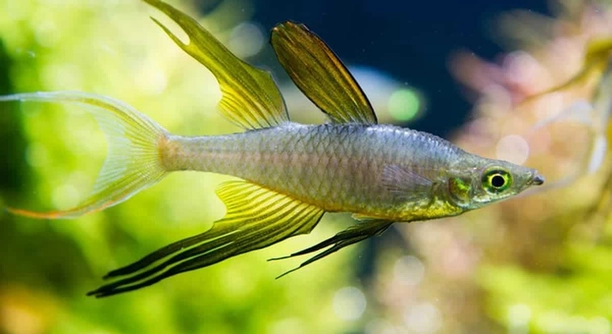
Threadfin fish display remarkable changes during mating, capturing attention with shifts in body color and patterns. Observing these changes can reveal important behaviors and stages in their reproductive process. Their vibrant hues are a natural spectacle to witness.
During threadfin mating, males and females undergo seven distinct color changes. These changes involve variations in body hue, fin brightness, and subtle markings that signal readiness to spawn, dominance, or submission, providing insight into reproductive behaviors and interactions within the species.
Recognizing these color changes allows enthusiasts and researchers to better understand threadfin mating dynamics and observe natural behaviors with greater accuracy and appreciation.
Initial Color Shifts in Males
Male threadfin begin mating displays with subtle changes, often starting with a slight deepening of body tone. Their dorsal fins may darken, while the pectoral fins develop a faint sheen. These shifts signal the fish’s readiness to attract a mate and establish territory. Observing these early changes helps distinguish between general activity and mating behavior. The color deepening is gradual, often occurring over a few hours, and may vary depending on water conditions, light, and diet. Some males show more intense changes, indicating higher dominance or fitness. These early shifts are important for researchers tracking mating cycles, as they mark the onset of reproductive behavior. Body contrast between light and dark areas becomes more noticeable, which can affect interactions with other males. During this phase, females also begin to show minor adjustments, though they are less dramatic. Recognizing these shifts provides insight into the rhythm and timing of threadfin reproduction.
These initial changes set the tone for the mating process, signaling readiness and initiating interactions between potential mates.
The subtle shift in color is not only a mating signal but also a communication tool. Males with more vibrant early colors may gain advantage over rivals, while females assess these changes to select suitable partners. Light reflection from fins and body angles enhances visibility, influencing behavior within the group. Early shifts can also indicate health and nutrition status, as well-nourished fish display more pronounced color. Observing these patterns consistently allows for prediction of peak mating times and better understanding of reproductive strategies.
Female Color Adjustments
Females display softer, less pronounced color changes, often in ventral areas or near fins.
Female threadfin adjust their coloration to indicate receptiveness. Their body may lighten, with fins showing subtle highlights. These shifts help males identify readiness without aggressive displays. Timing and intensity vary based on individual health, environmental conditions, and social context. Females may also use these signals to communicate with multiple males, ensuring selective mating.
Color changes in females are closely linked to hormonal cycles. As egg development progresses, pigments shift, often producing iridescent highlights on the belly and fin edges. This visual cue aligns with ovulation, guiding males toward optimal mating periods. The adjustments are gradual but precise, allowing females to manage attention from several males simultaneously. Subtle markings may also develop near the head or lateral line, enhancing visibility under varying light. Observing these shifts provides insight into female choice and reproductive timing, revealing patterns that influence overall mating success. Environmental factors such as water clarity and temperature can impact the intensity of these colors, making close observation necessary. These patterns create a dynamic interaction where males and females continuously respond to each other’s signals. Understanding female color adjustments gives a clearer view of reproductive behavior and helps interpret the complex visual communication in threadfin populations.
Fin Edge Highlights
During mating, threadfin fins often develop brighter edges, making movements more noticeable. These highlights are especially visible on dorsal and caudal fins, serving as signals during courtship or territorial displays.
The brightened fin edges play a crucial role in communication between males and females. Males with more pronounced highlights tend to dominate interactions, as the contrast draws attention to their presence. Females can gauge readiness and fitness based on the intensity of these edges. Changes are influenced by lighting and water clarity, which affect visibility and perception. Consistent observation shows these highlights fluctuate with mood, health, and social hierarchy.
Fin edge highlights also help reduce physical conflict. By signaling intentions visually, threadfin can communicate dominance or submission without direct aggression. This minimizes energy expenditure and potential injury. In group settings, multiple males display edge highlights simultaneously, creating a dynamic visual environment. Females often move toward males with stronger displays, reinforcing natural selection. Timing, water conditions, and interactions influence the brightness, making it a flexible signal. Recognizing these highlights provides insight into mating readiness, social ranking, and behavioral patterns within threadfin groups.
Lateral Line Changes
The lateral line often darkens or brightens to indicate activity level and mood. It is a key signaling feature during mating.
Changes in the lateral line help fish communicate without direct contact. A darker line often signals alertness or aggression, while a lighter line may indicate receptiveness. Observing these shifts allows identification of dominant males and responsive females.
Lateral line adjustments are subtle yet consistent, providing a continuous visual cue. The line can vary in intensity depending on hormonal cycles, stress, or social interactions. In males, a bold line can attract females and warn rivals. In females, changes along the lateral line align with reproductive readiness, signaling ovulation stages. Environmental factors such as water movement, light, and clarity can affect how these changes are perceived. Tracking lateral line color over time helps identify patterns in mating behavior and provides a better understanding of how threadfin use visual cues to manage interactions, reduce conflict, and enhance reproductive success.
Body Hue Intensification
Male threadfin often show a deepening of body color during mating, making them more noticeable to females. This intensification signals health and readiness to compete for mates.
The change is gradual but distinct, with darker tones appearing along the dorsal and lateral areas. It varies among individuals depending on age, diet, and social interactions.
Subtle Markings
Small spots or streaks can appear on the body during mating. These markings are temporary but play a role in communication, helping fish signal status and readiness without aggressive interactions.
Eye Color Variation
The eyes of threadfin can change slightly, often becoming brighter or more intense. This alteration enhances visual signals during mating displays, complementing fin and body color changes to communicate readiness and attract partners.
FAQ
What causes the color changes in threadfin during mating?
Color changes in threadfin are driven mainly by hormonal fluctuations and social interactions. Males and females produce specific hormones that affect pigmentation, making fins and body areas darker, lighter, or more reflective. These visual changes help communicate readiness, dominance, or receptiveness to potential mates. Environmental factors like water clarity, light, and temperature can also influence the intensity and timing of these shifts. Diet and overall health contribute as well, as well-nourished fish tend to display more vibrant colors. Observing these changes closely can provide insight into their mating cycles and social behavior.
Do males and females change color in the same way?
No, males and females display different patterns and intensities of color change. Males often show bold, vivid changes along fins and the body, highlighting dominance and readiness. Females tend to show subtler shifts, mainly on ventral areas and near fins, signaling receptiveness and timing for spawning. Both sexes adjust their coloration to communicate effectively within their social group. While males compete for attention through brightness and patterns, females use gentle cues to manage interactions, guiding males and reducing conflict. The differences help maintain balance during mating periods, ensuring communication is clear without unnecessary aggression.
How long do these color changes last?
Color changes during threadfin mating can last from a few hours to several days, depending on the stage of mating and individual condition. Early shifts, such as fin highlights or subtle body deepening, may appear gradually and persist throughout courtship. More dramatic displays, like lateral line darkening or eye color intensification, often occur during peak reproductive activity and fade once interactions end. Environmental stress, water quality, and social pressure can shorten or prolong these changes. Tracking timing helps in predicting peak mating periods and understanding behavioral sequences in threadfin populations.
Are color changes a reliable indicator of mating readiness?
Yes, color changes are generally reliable indicators, especially when observed consistently. Vibrant fin edges, body hue intensification, and subtle markings correlate with hormonal readiness and active courtship behavior. Males with stronger visual signals are often more dominant, while females adjust patterns to indicate ovulation stages. However, external factors like lighting, water conditions, and stress can temporarily affect visibility or intensity. Observing multiple signs together, rather than relying on a single feature, provides the most accurate assessment of mating readiness. Over time, patterns become predictable, allowing for better understanding of individual and group reproductive behavior.
Can environmental conditions affect these color changes?
Absolutely. Water clarity, light levels, and temperature all play a role in how pronounced color changes appear. Clear water enhances visibility, making fin highlights and body hues more noticeable. Dim or murky conditions can reduce the apparent intensity of colors, even if hormonal signals are strong. Temperature affects metabolic rates, which in turn can influence the speed and extent of pigment changes. Diet quality also matters, as certain nutrients enhance natural pigmentation. Maintaining optimal environmental conditions ensures that threadfin display their full range of mating colors, allowing accurate observation and interaction within the group.
Do younger threadfin show the same color changes as adults?
Younger threadfin often show less intense color changes compared to adults. Immature males may display only slight fin highlights, while females may have minimal ventral or lateral adjustments. Full vibrancy and consistency typically develop with sexual maturity, when hormonal cycles and reproductive behaviors are fully established. Observing younger fish can provide early insight into developing patterns, but their signals are less reliable for predicting active mating behavior. Adult coloration is generally more vivid, consistent, and closely aligned with reproductive timing, making it the primary focus for studies of mating behavior.
Are there risks associated with these color changes?
Color changes themselves are not harmful, but they can increase visibility to predators. Bright fins and intensified body hues make fish more noticeable, especially in clear water. Additionally, social stress from competition among males can intensify coloration and aggression. While natural and temporary, these displays require energy and may influence feeding behavior or activity levels. Observing color changes in a safe, controlled environment minimizes risks while allowing accurate monitoring of mating patterns and interactions.
How can observing these changes benefit research or care?
Monitoring threadfin color changes provides insight into reproductive timing, social hierarchy, and health. For researchers, these observations help map mating cycles and understand behavior patterns. For caretakers, recognizing normal color shifts ensures proper environmental management, reduces stress, and supports successful breeding. Accurate observation allows for intervention when abnormal patterns arise, indicating potential illness or stress. Understanding the timing, sequence, and intensity of color changes is essential for maintaining healthy populations and promoting natural reproductive behaviors. Consistent observation enhances knowledge of both individual fish and group dynamics.
Do all threadfin exhibit the seven color changes described?
Most mature threadfin display the seven primary changes, though intensity and timing may vary. Individual health, diet, and social rank influence how strongly each feature appears. Environmental factors can also make some changes less noticeable, but core patterns—fin highlights, lateral line adjustments, body hue intensification, subtle markings, and eye changes—are generally consistent. Tracking multiple traits together ensures accurate identification of mating behavior and reproductive readiness across the population.
Can these color changes indicate health problems?
Yes, unusual or muted color changes can signal health issues. Dull fins, inconsistent lateral lines, or failure to display typical patterns may indicate stress, illness, or poor nutrition. Monitoring color alongside behavior provides an early warning system, allowing timely interventions to maintain wellbeing. Healthy fish exhibit predictable, vibrant, and responsive changes that align with mating cycles.
Final Thoughts
Observing threadfin during mating provides a clear view of how color plays a vital role in communication and reproductive behavior. Each change, from subtle body hue adjustments to brightened fin edges, carries meaning within their social structure. Males and females use these visual signals to coordinate interactions, manage competition, and indicate readiness. The seven main color changes—fin highlights, body hue intensification, lateral line adjustments, eye color shifts, and subtle markings—form a complex system of signaling that ensures mating is efficient and minimizes unnecessary conflict. Understanding these patterns allows us to appreciate the precision and timing involved in threadfin reproduction. Even slight variations in color can indicate differences in health, dominance, or readiness, emphasizing the importance of careful observation. These changes are not random; they follow predictable sequences aligned with hormonal cycles, environmental conditions, and social dynamics. Recognizing these patterns provides a deeper understanding of how visual communication supports reproductive success.
Threadfin color changes also highlight the interplay between environment and behavior. Water clarity, light levels, and temperature can influence how these colors appear and how signals are interpreted. Bright colors may become muted in dim or murky water, while clear, well-lit conditions allow every detail to be visible. Diet and nutrition contribute as well, affecting pigment quality and vibrancy. Healthy fish display more pronounced changes, while stressed or poorly nourished individuals may show duller colors. Observing these shifts in different settings gives insight into how external factors interact with internal biological processes. By noting these changes over time, patterns emerge that reveal not just the reproductive cycle but also the overall wellbeing of the population. The consistency of these changes among adults, contrasted with subtler signals in younger fish, demonstrates how maturity and experience shape behavior. Paying attention to these details can provide useful information for researchers, caretakers, and anyone monitoring threadfin populations.
Ultimately, the color changes of threadfin are an essential aspect of their natural behavior. They serve as visual cues that guide mating, establish social hierarchy, and reflect individual condition. Observing and understanding these changes requires patience, attention to detail, and recognition of both environmental and biological influences. While some changes are more pronounced in males, females display equally important subtle signals, ensuring balanced communication and successful reproduction. Tracking these patterns over time provides valuable insight into reproductive health, social interactions, and environmental effects on behavior. Appreciating these visual shifts can improve monitoring, care, and management of threadfin populations. The careful observation of color changes helps interpret complex interactions without interfering, offering a clear window into the natural mating strategies of this species. Recognizing the connection between color, behavior, and environment fosters a better understanding of threadfin life and enhances the ability to support their health and reproductive success.

Hello,
If you enjoy the content that we create, please consider saying a "Thank You!" by leaving a tip.
Every little bit helps us continue crafting quality advice that supports the health, happiness, and well-being of pets around the world, for pets of all shapes, sizes, and species.
We really appreciate the kindness and support that you show us!