
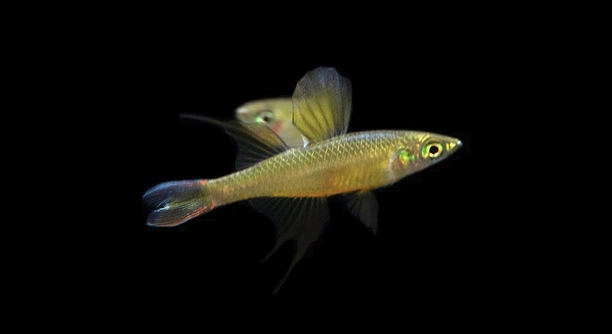
Tank cleaning can be a stressful experience for aquarium owners. Threadfins, like many freshwater fish, often show distinct behaviors when their environment is disturbed during cleaning routines. Observing them can reveal interesting patterns.
Threadfins typically exhibit a range of reactions during tank cleaning, including hiding, rapid swimming, clinging to decorations, or showing reduced feeding behavior. These responses are natural stress indicators and can help owners understand the fish’s tolerance to environmental changes.
Noticing these reactions is important for maintaining a healthy aquarium. By recognizing stress signals, owners can improve cleaning methods and ensure the well-being of their threadfins.
Hiding in Plants and Decorations
Threadfins often retreat to plants or decorations when the tank is being cleaned. This instinctive behavior helps them feel safe. They prefer tight spaces where they can observe the environment without feeling exposed. Owners may notice them staying motionless for extended periods, sometimes pressing against leaves or ornaments. While this can seem alarming, it is a normal stress response. Avoid chasing them during cleaning, as sudden movements can increase stress and make them more skittish. Over time, threadfins may associate cleaning with temporary disturbance and gradually adjust. Providing hiding spots such as caves, dense plants, or driftwood can help reduce anxiety. It’s beneficial to clean the tank in small sections rather than all at once. This method allows fish to acclimate to changes without extreme disruption. Paying attention to their behavior during these moments can help gauge how comfortable your fish feel in their habitat. Stress signals may include rapid gill movement or flicking fins.
Threadfins hiding is a natural, temporary response to tank maintenance, showing their need for safety and stability in the environment.
Observing this behavior regularly allows owners to plan better tank cleaning routines. Adjusting water flow, maintaining gentle movement, and using soft tools can minimize disturbance. By understanding their preferences for hiding spots, you can create a comfortable environment. Threadfins may eventually explore more quickly as they learn the tank will return to normal. Patience is key, and over time, these reactions can lessen. Proper planning ensures their well-being while keeping the tank clean and healthy.
Rapid Swimming and Darting
Threadfins may suddenly dart around the tank during cleaning, reacting to the changes in water and movement. This behavior is an immediate stress response to disruption.
Rapid swimming is a sign that the fish are stressed, reacting to new disturbances in their environment.
This reaction occurs when threadfins perceive sudden movements or shifts in water conditions. They may swim quickly along the glass, around decorations, or across open spaces. Rapid movements often coincide with flicking fins, erratic changes in direction, and temporary loss of usual routines such as feeding. High-stress levels can affect their overall health if frequent or prolonged. Observing these patterns helps owners adjust cleaning strategies, such as moving more slowly or keeping the water flow gentle. Some threadfins recover quickly after initial disturbance, while others need more time to calm down. Creating areas of calm and limiting aggressive suction or water changes can prevent excessive darting. Recognizing their triggers allows owners to maintain both cleanliness and the fish’s comfort in a controlled manner. A consistent, mindful approach to tank cleaning reduces stress responses over time.
Clinging to Tank Surfaces
Threadfins sometimes cling to rocks, glass, or decorations during cleaning. This behavior helps them feel anchored and reduces the feeling of instability caused by water movement or nearby activity.
Clinging provides a sense of security. Threadfins press their bodies against stable surfaces to maintain balance while the water shifts. This is common when filters are cleaned or water is stirred, causing temporary currents. Owners may notice them staying in one spot for minutes at a time. By allowing this behavior without interference, stress is minimized. Creating additional surfaces or textured areas in the tank can give fish more options to cling, improving their comfort.
This behavior also serves as a visual indicator of stress levels. Observing which surfaces they prefer can guide tank design. Threadfins tend to favor vertical surfaces or shaded spots. Noticing repeated patterns helps in arranging decorations strategically. Encouraging natural clinging habits reduces panic responses and supports calmer behavior during routine maintenance.
Reduced Feeding and Appetite
Threadfins often eat less or stop feeding when the tank is cleaned. Stress temporarily affects their appetite, which is common during environmental changes.
Reduced feeding is a natural stress response. Fish may avoid food until the tank conditions stabilize.
When threadfins sense disturbance, their focus shifts to survival instincts rather than feeding. Temporary changes in water clarity, vibrations, or human presence can trigger a pause in eating. Over time, consistent cleaning routines and minimal disruption help them resume normal feeding patterns. Owners may need to monitor portions to prevent overfeeding or waste accumulation. Using calm, gentle movements and maintaining familiar feeding locations encourages quicker appetite recovery. Threadfins that feel secure are more likely to regain regular feeding habits within hours or days. Observing this behavior carefully allows owners to ensure proper nutrition and prevent stress-related health issues.
Flashing and Rubbing Against Surfaces
Threadfins may flash or rub their bodies against decorations or substrate during cleaning. This is often a response to irritation or stress caused by sudden water movement or changes in their environment.
Flashing is usually temporary. It signals discomfort but does not always indicate illness. Monitoring frequency helps distinguish stress responses from potential health concerns.
Staying Near the Bottom
Threadfins often stay close to the tank bottom during cleaning. This behavior makes them feel safer as they avoid open water. They tend to linger near rocks, substrate, or lower plants, using the area as a refuge. It reduces perceived threats and keeps stress manageable.
Short Bursts of Jumping
Some threadfins may make small, sudden jumps during tank maintenance. These movements are a reaction to quick disturbances in water or nearby activity, helping them escape perceived danger.
Increased Gill Movement
During cleaning, threadfins often show faster gill movements. This is a physiological response to stress, helping them adjust to sudden changes in water conditions and maintain proper oxygen intake.
FAQ
Why do threadfins hide during tank cleaning?
Threadfins hide as a natural defense mechanism. They feel vulnerable when the tank is disturbed, and retreating to plants, decorations, or shaded areas gives them a sense of security. Hiding allows them to observe the environment without feeling exposed. Over time, they may adjust to regular cleaning routines.
Is rapid swimming a sign of illness in threadfins?
Not always. Rapid swimming or darting is often a temporary stress response to movement, water changes, or human presence during cleaning. Persistent or erratic swimming unrelated to disturbances may indicate health issues, so monitoring behavior is essential to distinguish stress from illness.
How can I reduce stress during tank maintenance?
Gentle movements, partial cleaning, and keeping tools outside the tank until needed can help. Providing hiding spots and soft substrates allows threadfins to feel safe. Gradually introducing water changes and avoiding sudden temperature or chemical shifts also minimizes stress.
Why do threadfins cling to surfaces during cleaning?
Clinging to rocks, glass, or decorations helps threadfins maintain balance and feel anchored in shifting water. Surfaces give them stability and reduce panic responses. Adding textured decorations or vertical surfaces can give them more safe spots to cling during disturbances.
Do threadfins stop eating because of stress?
Yes, temporary loss of appetite is common during tank cleaning. Stress shifts focus from feeding to survival instincts. Providing calm conditions and maintaining consistent feeding locations encourages them to resume normal eating patterns within hours or a few days.
What does flashing mean in threadfins?
Flashing, or rubbing against surfaces, is usually a reaction to irritation, stress, or slight discomfort during cleaning. While occasional flashing is normal, repeated or intense flashing may indicate skin irritation, parasites, or water quality issues that need attention.
Why do threadfins stay near the bottom?
The bottom offers safety and reduces exposure to perceived threats in open water. Substrate, rocks, and lower plants provide shelter, letting threadfins recover from temporary stress. Observing bottom-dwelling patterns helps determine their comfort level and preferred hiding spots.
Are sudden jumps dangerous for threadfins?
Small, quick jumps are normal stress reactions during cleaning. They are a way for fish to escape disturbances. Ensuring a covered tank and smooth cleaning procedures prevents injury from accidental contact with tank edges or equipment.
What does increased gill movement indicate?
Faster gill movement is a physiological response to stress or sudden changes in water conditions. Threadfins increase oxygen intake to cope with temporary disturbances. Monitoring gill activity helps gauge stress levels and adjust cleaning techniques accordingly.
How long does it take for threadfins to calm down after cleaning?
Most threadfins calm within minutes to a few hours, depending on their temperament and the severity of the disturbance. Providing hiding spots, gentle water flow, and consistent routines helps them recover faster and return to normal behavior.
Can repeated stress affect threadfin health?
Yes, frequent or prolonged stress can weaken the immune system, reduce appetite, and impact overall health. Observing their reactions, using careful cleaning techniques, and creating a secure environment reduces stress-related issues and promotes long-term well-being.
Should I feed threadfins immediately after cleaning?
It’s best to wait until they resume normal swimming behavior and show interest in food. Feeding too early may be ignored or cause uneaten food to accumulate. Gradual feeding once they settle ensures proper nutrition and reduces waste.
Do threadfins remember stressful events?
Threadfins can associate certain disturbances with stress, such as water changes or sudden movements. Over time, consistent gentle handling and predictable cleaning routines help them become less reactive and more comfortable in their tank environment.
How can I tell if a reaction is stress or a health problem?
Stress responses are usually temporary and linked to environmental changes, like hiding, darting, or reduced feeding. Persistent symptoms, unusual coloration, sores, or prolonged inactivity may indicate illness. Careful observation over time helps distinguish between normal stress and health concerns.
Is it necessary to clean the tank if threadfins get stressed?
Yes, regular cleaning is important for water quality and fish health. Minimizing stress involves partial water changes, gentle handling, and providing safe hiding spots. Consistent care ensures both cleanliness and the well-being of threadfins without causing prolonged distress.
Can lighting affect stress during cleaning?
Bright or sudden lighting changes can increase stress. Dimming lights or performing maintenance during normal light cycles helps threadfins feel more secure. Gradual adjustments to lighting reduce sudden exposure and support calmer behavior.
What role do decorations play in stress reduction?
Decorations create hiding spots, reduce open water exposure, and give threadfins a sense of control over their environment. Strategically placed plants, caves, and textured surfaces allow fish to feel secure and minimize panic responses during cleaning.
How often should I observe threadfin reactions during cleaning?
Regular observation during maintenance helps identify stress patterns and behavioral changes. Noting reactions over time allows for adjustments in cleaning routines and tank setup, ensuring threadfins remain healthy and comfortable without unnecessary disruption.
Can multiple threadfins react differently to the same cleaning session?
Yes, individual temperament, age, and past experiences affect reactions. Some may hide, while others swim rapidly or cling to surfaces. Observing each fish’s response allows for tailored care and a smoother cleaning process for the entire tank.
What is the best approach to tank cleaning for threadfins?
Use gentle, gradual water changes, clean in sections, and limit sudden movements. Provide ample hiding spots and avoid overcrowding. Consistency and mindful handling reduce stress, maintain water quality, and support threadfins’ natural behavior patterns effectively.
Final Thoughts
Caring for threadfins during tank cleaning requires observation, patience, and small adjustments to maintain their well-being. These fish show a variety of reactions to disturbances, from hiding among decorations to darting around the tank. Each reaction is a natural response to environmental changes, and understanding these behaviors can help owners provide a calmer, safer space for their fish. Noticing hiding patterns, clinging habits, or temporary pauses in feeding allows you to adjust cleaning routines and tank setup to minimize stress. Threadfins thrive when they feel secure, so the arrangement of plants, decorations, and substrate plays an important role in their comfort during maintenance.
It is normal for threadfins to show signs of stress temporarily, and these behaviors usually do not indicate serious health issues. Rapid swimming, increased gill movement, or flashing against surfaces are all ways the fish cope with sudden changes in their environment. Over time, consistent and gentle cleaning practices help threadfins become accustomed to regular maintenance. Providing hiding spots, avoiding sudden movements, and performing partial water changes instead of full cleanings are simple ways to reduce stress. Observing the fish closely during and after cleaning sessions allows owners to gauge their reactions and take action if any signs of prolonged stress or illness appear. By understanding these natural responses, maintaining a healthy tank becomes a smoother and less disruptive process for both the fish and the owner.
Consistency is key when caring for threadfins during maintenance. They respond best to routines that are predictable and controlled, such as cleaning one section at a time or limiting strong currents created by filters. Maintaining stable water conditions, such as temperature, clarity, and chemical balance, further reduces stress responses. Even though temporary reactions like hiding, clinging, or reduced appetite can seem concerning, these behaviors often subside once the tank returns to normal conditions. Creating a balanced environment that includes ample shelter, smooth surfaces, and gentle water flow ensures threadfins remain comfortable and healthy. Paying attention to their behavior, responding thoughtfully to stress signals, and adjusting cleaning methods as needed allows owners to provide a safe habitat where these fish can thrive while keeping the tank clean and well-maintained.

Hello,
If you enjoy the content that we create, please consider saying a "Thank You!" by leaving a tip.
Every little bit helps us continue crafting quality advice that supports the health, happiness, and well-being of pets around the world, for pets of all shapes, sizes, and species.
We really appreciate the kindness and support that you show us!