
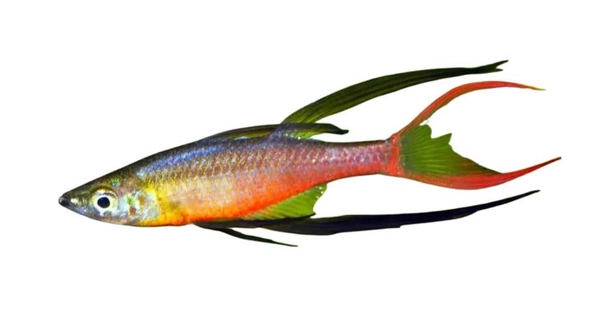
Threadfin Rainbowfish are lively and colorful additions to any freshwater tank. Their bright scales and playful swimming patterns make them a joy to watch, yet their skittish nature can make caring for them a little challenging.
Skittishness in Threadfin Rainbowfish often arises from sudden changes in their environment, overcrowding, or inadequate hiding spots. Maintaining consistent water parameters, providing ample cover, and minimizing stressors can significantly reduce their flighty behavior and promote calmer, healthier fish.
Implementing small, thoughtful adjustments can transform your tank into a secure space for your fish. Simple changes may lead to noticeable improvements in their behavior and overall well-being.
Adjust Tank Lighting
Threadfin Rainbowfish are sensitive to sudden or harsh lighting changes. Bright lights can startle them and increase skittish behavior. It’s best to use a gentle, diffused light setup, ideally on a timer, to mimic natural day-night cycles. Avoid turning lights on abruptly, and consider adding floating plants to soften the illumination. A dimmer, stable environment helps fish feel safe and reduces stress. Over time, the fish will explore more freely and show their natural swimming patterns, creating a more peaceful tank atmosphere.
Gradually dimming lights during transitions can make fish calmer and more predictable.
Proper lighting isn’t just aesthetic; it impacts fish behavior directly. Threadfin Rainbowfish rely on consistent light cues to establish routines, feed comfortably, and interact naturally. Sudden exposure to strong light can cause them to dart or hide constantly, which increases stress and affects growth. By carefully managing tank lighting, including using timers or adjustable fixtures, the fish begin to feel secure. Plants, driftwood, or other decor can further diffuse light, creating shadowed areas for retreat. Consistency is key—avoiding sudden brightness changes will allow the fish to gradually adjust, feel safer, and reduce skittishness. Over a few weeks, even minor lighting adjustments can lead to calmer swimming, more visible social behaviors, and improved overall health.
Provide Hiding Spots
Adding hiding spots makes fish feel secure and reduces fear.
Threadfin Rainbowfish need space to retreat when they feel threatened. Plants, rocks, and decorative caves create micro-habitats that allow them to feel safe without isolating them entirely. Dense planting along tank edges encourages natural behaviors, like exploring while staying protected. Hiding spots also reduce bullying from more aggressive tank mates and help lower overall stress levels. By varying heights and textures, fish can choose their preferred area to rest or escape. Even small adjustments, like rearranging decorations or adding floating plants, can noticeably calm skittish fish. A well-structured tank not only looks better but promotes more active, confident swimming over time. Consistently monitoring how your fish use these spaces helps ensure each individual feels secure, ultimately creating a more harmonious aquarium environment.
Maintain Stable Water Conditions
Keeping water stable reduces stress and skittishness in Threadfin Rainbowfish. Sudden changes in temperature, pH, or hardness can make them dart or hide frequently, so consistency is essential for their comfort and health.
Stable water conditions support natural behavior and overall well-being. Fish react strongly to fluctuations in temperature, ammonia, nitrites, or pH levels. Even small changes can trigger hiding, erratic swimming, or refusal to eat. Regular testing, partial water changes, and careful monitoring help maintain an environment close to their natural habitat. Using a reliable heater, gentle filter, and testing kits ensures the water remains predictable. Over time, fish begin to swim more confidently, interact socially, and show their vibrant colors. Minimizing sudden disturbances allows Threadfin Rainbowfish to thrive in a controlled, comfortable space that encourages calm and active behavior.
Temperature consistency is especially crucial. Threadfin Rainbowfish originate from stable tropical waters, and even minor fluctuations can elevate stress hormones. Gradual acclimation after water changes, careful monitoring, and avoiding rapid adjustments are key practices. A steady routine, combined with clean, filtered water, supports healthy feeding, immune response, and natural activity. Providing a stable environment also reduces the likelihood of disease and supports long-term well-being. Over several weeks, maintaining optimal water conditions encourages calmer, more confident behavior, allowing fish to explore and interact naturally, ultimately creating a healthier, more harmonious tank dynamic.
Avoid Overcrowding
Too many fish in a tank increases stress and fear. Crowded conditions make Threadfin Rainbowfish skittish, leading to constant hiding and reduced social interaction.
Overcrowding disrupts natural behavior and hierarchy. Fish need enough space to swim freely and establish territories. Insufficient space causes frequent collisions, chasing, and competition for food, heightening stress and triggering flight responses. Ideally, maintain an appropriate fish-to-gallon ratio and consider tank size when adding new fish. Providing open swimming areas along with hiding spots balances social needs and safety. Observation is key: notice if fish are constantly fleeing or hiding, which signals the tank may be too crowded. Adjusting population or tank layout improves comfort.
Spacing affects not just movement but health and interactions. Crowded tanks increase aggression, stress hormones, and the risk of disease. Threadfin Rainbowfish prefer moderate group sizes where individuals can swim freely without fear of constant harassment. A spacious, thoughtfully arranged tank allows for calmer schooling behavior, more visible coloration, and normal feeding patterns. Over time, fish become more confident and less reactive to disturbances. Even rearranging decorations to create additional swimming lanes or open areas can help. Proper stocking ensures each fish has room to thrive, promoting both physical and mental well-being while reducing skittish tendencies.
Feed a Consistent Diet
A regular feeding schedule helps Threadfin Rainbowfish feel secure and reduces nervous behavior. Sudden changes in food type or timing can trigger stress and hiding.
High-quality flake, pellets, and occasional live or frozen foods maintain health. Consistency reassures fish and encourages confident swimming, lowering skittishness over time.
Minimize Sudden Movements
Rapid movements near the tank can startle fish. Approaching slowly and avoiding tapping glass helps them stay calm and comfortable in their environment.
Maintain Clean Water
Regular cleaning and water changes prevent buildup of toxins. Clean water supports fish health, reduces stress, and allows Threadfin Rainbowfish to behave naturally without frequent hiding or erratic movements.
Limit Loud Noises
Threadfin Rainbowfish are sensitive to vibrations. Keeping the tank area quiet and avoiding sudden bangs or loud sounds helps them remain calm and reduces flighty reactions.
FAQ
Why is my Threadfin Rainbowfish always hiding?
Hiding is a natural behavior for skittish fish, especially if the environment feels unpredictable. Sudden light changes, water fluctuations, or overcrowding often cause frequent retreats. Providing plants, rocks, and shaded areas allows the fish to feel safe while exploring at their own pace.
How often should I feed my Threadfin Rainbowfish?
A consistent schedule is key. Feeding small amounts twice daily is ideal. Overfeeding or irregular feeding can stress the fish, increase waste, and make them more nervous. High-quality flake or pellet food with occasional live or frozen treats keeps them healthy.
Can lighting affect my fish’s behavior?
Yes. Sudden or harsh lighting can startle fish and trigger flighty behavior. Using a timer or diffused lighting helps create a calm environment. Floating plants and shaded areas further soften bright spots and reduce stress.
Do water changes make a difference in skittishness?
Absolutely. Clean, stable water reduces stress and encourages normal behavior. Sudden temperature or pH changes during water changes can frighten fish. Partial changes performed gradually help maintain comfort and stability, making the fish more confident.
Is tank size important for calming my fish?
Yes, space matters. Threadfin Rainbowfish need enough room to swim freely. Crowded tanks increase stress and hiding. Open swimming areas, combined with hiding spots, allow natural schooling and reduce nervous reactions.
Can tank mates influence their behavior?
Tank mates affect confidence. Aggressive or fast-moving fish may intimidate Threadfin Rainbowfish, making them skittish. Choosing peaceful, compatible species helps reduce fear and encourages normal swimming and interaction.
Are there signs my fish is too stressed?
Signs include constant hiding, rapid swimming, loss of appetite, or faded colors. Persistent skittishness can indicate environmental issues, overcrowding, or poor water quality. Observing their behavior daily helps identify problems early.
How long does it take for fish to calm down?
Adjustment depends on individual fish and tank conditions. With stable water, consistent feeding, adequate hiding spots, and minimal disturbances, many fish show calmer behavior within a few weeks. Patience and consistency are crucial for progress.
Does temperature impact their activity?
Yes, water temperature affects metabolism and confidence. Too cold or too warm water can stress fish, causing erratic swimming or hiding. Maintaining stable tropical temperatures, usually between 24–28°C (75–82°F), helps Threadfin Rainbowfish stay active and relaxed.
Should I rearrange decorations to reduce skittishness?
Occasionally adjusting plants and rocks can provide new exploration opportunities while maintaining safety. Avoid sudden or drastic changes, which may startle fish. Gradual rearrangements give them fresh spaces to explore and reduce fear.
Is it normal for some fish to remain shy?
Yes. Even in ideal conditions, some individuals are naturally more cautious. Respecting their temperament while providing consistent care ensures their well-being. Over time, shy fish may become more confident but may never be fully outgoing.
Can I use plants to help my fish feel secure?
Plants are highly effective. Dense planting along the edges and floating plants create hiding spaces and reduce stress. Natural cover allows fish to feel safe while still moving freely in open areas of the tank.
What common mistakes make Threadfin Rainbowfish skittish?
Frequent changes in water parameters, overcrowding, abrupt lighting shifts, loud noises, and aggressive tank mates are the most common causes. Addressing these issues systematically promotes calmer, more confident fish.
Is skittish behavior harmful long-term?
Chronic stress can affect growth, immune function, and overall health. Reducing stressors through stable water, proper diet, adequate space, and environmental enrichment is essential for long-term well-being.
How can I monitor progress effectively?
Observe daily behaviors, noting swimming patterns, hiding frequency, and feeding responses. Keeping a simple log helps track changes and identify successful strategies. Consistency and patience are key to seeing measurable improvements.
Can Threadfin Rainbowfish live happily in a community tank?
Yes, with the right companions and enough space. Peaceful species, adequate hiding spots, and stable water conditions ensure they coexist comfortably while reducing skittish behavior.
Are there signs of a thriving, confident fish?
Bright coloration, smooth swimming, regular feeding, and interaction with tank mates indicate well-being. Confident fish explore the tank and use both open and sheltered areas without excessive fear.
What small changes make the biggest difference?
Gradual improvements like stable water, consistent feeding, gentle lighting, and adding plants can significantly reduce skittishness. Even minor adjustments, when applied consistently, help fish feel secure and display natural behaviors.
How do I balance open swimming space with hiding areas?
Provide open areas in the center and hiding spots along the edges or corners. This allows exploration without compromising security. Fish can retreat when needed while enjoying free swimming in a safe environment.
Is patience more important than immediate fixes?
Yes, Threadfin Rainbowfish respond slowly to changes. Sudden adjustments can increase stress. Steady, thoughtful improvements in tank conditions, feeding, and handling ensure long-term calm and confident behavior.
Word count: 512
Threadfin Rainbowfish are beautiful and lively fish, but their naturally skittish behavior can be challenging to manage. They respond strongly to their environment, so small changes can make a big difference in how they behave. Maintaining consistent water parameters, providing hiding spots, and keeping a stable lighting schedule all help them feel safe. Over time, these adjustments encourage calmer swimming, more visible colors, and healthier social interactions. Understanding their needs and observing how they respond to changes allows you to create a tank that feels secure without overwhelming them. Even small, thoughtful improvements can lead to noticeable results in their comfort and confidence.
Feeding is another key factor in reducing skittishness. Threadfin Rainbowfish thrive on a consistent schedule with high-quality flake or pellet food, supplemented with occasional live or frozen treats. Sudden changes in diet or feeding times can make them anxious and more likely to hide. Observing how they react to feeding routines can give insight into their comfort level. Overcrowding and aggressive tank mates can also increase stress, so making sure there is enough space and selecting peaceful companions is essential. Simple measures like rearranging decorations, adding plants, or creating shaded areas provide both security and stimulation, helping shy fish feel more comfortable exploring their surroundings.
Patience is important when working with skittish Threadfin Rainbowfish. Even when all environmental factors are ideal, some individuals may remain naturally cautious. Progress can take weeks, and it is essential to make changes gradually rather than abruptly. Daily observation, consistent care, and small adjustments create a steady, predictable environment that fosters calm behavior. Over time, fish often show more confidence, interact more with tank mates, and display their full coloration. By respecting their temperament and providing a stable, enriched habitat, you can enjoy watching them thrive while ensuring their long-term health and happiness.
Word count: 411

Hello,
If you enjoy the content that we create, please consider saying a "Thank You!" by leaving a tip.
Every little bit helps us continue crafting quality advice that supports the health, happiness, and well-being of pets around the world, for pets of all shapes, sizes, and species.
We really appreciate the kindness and support that you show us!